
Refrigerant Recovery Pro is reader-supported: some links on this page are affiliate links, and as an Amazon Associate Refrigerant Recovery Pro earns from qualifying purchases at no extra cost to you. Learn more.
Swimming pool heat pumps are systems that use a refrigeration cycle to transfer heat from the air into a pool’s water. You need a consistent water temperature during cooler months when solar gain is insufficient to maintain heat. Measure your total pool volume in gallons or litres to determine the required heating capacity before selecting a system. A common mistake is choosing a unit with a heating capacity that matches the pool’s volume rather than the volume’s required temperature rise over a specific timeframe.
How do gas pool heaters compare to a swimming pool heat pump?
Gas pool heaters use a burner to heat water as it circulates through a heat exchanger. These units provide rapid heat transfer, making them suitable for heating a large volume of water quickly. Because they rely on combustion, they require a dedicated gas line and proper ventilation to meet safety standards. The cost of gas varies by region, but these units often have lower upfront costs than high-efficiency heat pumps. However, the ongoing fuel cost can be higher depending on local gas prices and the duration of use.
Before making a purchase, it is vital to understand swimming pool heat pump warranties to protect your long-term investment.
Why gas heaters provide faster pool heating than heat pumps
Gas heating beats a swimming pool heat pump when the primary goal is to raise the temperature of a large pool in a very short window, such as preparing for an evening swim. These systems are often preferred in climates where the air temperature frequently drops below the threshold where a heat pump can efficiently extract heat. They stop making sense when the primary goal is energy efficiency or when the owner prefers a system with no moving parts in the heat exchange process. For a standard residential pool, the high fuel consumption during long periods of operation can result in higher monthly bills than a high-COP heat pump.
Get a clearer picture of the market by seeing the different types of swimming pool heat pumps available today.
Where these choices show up in our reviews
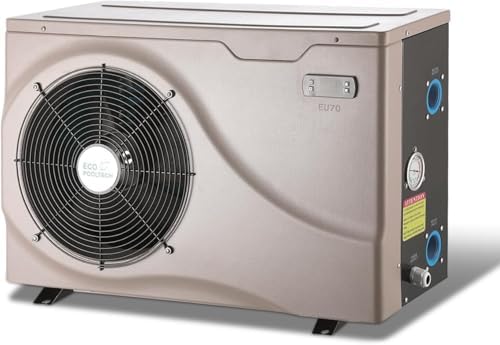
3 options shown here, $599.99 to $2564.04, each with its own full review behind its name.


Are solar heating systems a viable alternative to a swimming pool heat pump?
Solar heating systems use panels to capture thermal energy from sunlight and transfer it to the water via a plumbing loop or a solar pool heater. These systems are passive and rely entirely on available solar radiation. The initial cost of solar panels and the necessary plumbing can be significant, but the ongoing operating cost is zero once the system is installed. They are highly effective during peak sunlight hours and can maintain temperatures during the day without consuming electricity.
New owners can learn the basics by reading how a swimming pool heat pump works to understand the technology.
How solar systems minimize swimming pool operating costs
Solar heating beats a swimming pool heat pump when the priority is minimizing operating costs and the pool is used primarily during sunny periods. These systems are often used in conjunction with other heating methods to provide a baseline of warmth. They stop making sense when the pool requires consistent heating during the night, in heavy overcast conditions, or in regions with limited annual sunshine. If the pool volume is large and the goal is a constant temperature regardless of the weather, a solar-only approach often fails to meet the requirement.
To ensure proper circulation, see how to choose a flow rate that matches your pool’s volume.
What are the trade-offs of electric resistance heaters for a swimming pool heat pump?
Electric resistance heaters work by passing an electric current through a heating element, similar to a large immersion heater or a standard water heater. They are simple in design and require no complex refrigeration cycles or gas lines. Because they are 100% efficient at converting electricity to heat, they provide consistent output regardless of the ambient air temperature. However, they are the most expensive way to heat water per unit of energy consumed.
For a deep dive into specific performance, see our full Vidapool VTX016 review to see if it fits your needs.
When electric resistance heaters suit small pool spaces
Electric resistance heaters beat a swimming pool heat pump in situations where space is extremely limited, as they can be submerged or tucked into a small housing. They are also useful for “top-up” heating where only a few degrees of temperature rise are needed. They stop making sense as a primary heating source for a pool because the electricity costs are significantly higher than the cost of running a heat pump with a COP of 4.0 or higher. For a 10,000 gallon pool, the cost to maintain a constant temperature using only resistance heating can be prohibitive for most residential budgets.
What are the risks of buying used or refurbished units?
Used or refurbished swimming pool heat pumps are existing units that have been previously owned and may have had components replaced or serviced. These units can be found at a lower purchase price than new models, which can be an attractive option for budget-conscious owners. The reliability of a used unit depends entirely on the service history and the condition of the compressor and heat exchanger. A refurbished unit from a reputable dealer may include a limited warranty, whereas a used unit from a private seller typically carries no guarantee.
Consider the high-efficiency options by viewing our full ECOPOOLTECH EE100 review for detailed specifications.
Used units beat a new swimming pool heat pump when the budget is strictly limited and the owner is willing to accept a shorter lifespan or a higher risk of mechanical failure. They are a viable option if the buyer can verify the age of the unit and the condition of the internal components. They stop making sense when the cost of shipping a heavy unit outweighs the savings, or when the unit lacks the modern efficiency ratings required to keep operating costs manageable. A failed compressor in a used unit can cost more to replace than the original savings on the purchase price.
View the technical breakdown and performance data in our full EU-PLC57100-E Heat Pump review before buying.
Comparison of gas solar and electric pool heating alternatives
| Route | Who it suits | Main advantage | Where it breaks down |
|---|---|---|---|
| Gas pool heaters | Users needing rapid heat-up | Fast heat transfer | High fuel costs |
| Solar heating systems | Sun-rich areas / low budget | Zero operating cost | No night-time heat |
| Electric resistance | Small pools / limited space | Simple operation | Very high electricity cost |
| Used/Refurbished | Budget-focused buyers | Lower entry price | Uncertain lifespan |
| Swimming pool heat pump | Most residential users | High efficiency (COP) | Slower heat-up time |
When is buying a new swimming pool heat pump the right answer?
Buying a new swimming pool heat pump is the right answer when the goal is to balance upfront costs with long-term energy efficiency. This is the optimal choice for owners who want a consistent water temperature throughout the day and night without the high fuel costs of gas or the high electricity costs of resistance heating. It is the correct choice when the pool volume is standard for residential use and the owner wants a reliable, automated system that can be controlled by a timer or thermostat. If the priority is a COP of 4.0 or higher, a new heat pump provides the most predictable and efficient path to a heated pool.
More swimming pool heat pump explainers and comparisons
- Swimming Pool Heat Pumps for Large Pools Compared
- Choosing the Best Swimming Pool Heat Pump with Wifi Control
- The Swimming Pool Heat Pumps That Work Best for Heating and Cooling
- Which Swimming Pool Heat Pump Is Best for 110v Outlets?
- Best Swimming Pool Heat Pumps for 220v Outlets
- The Swimming Pool Heat Pumps That Work Best for Above Ground Pools