Thermal protection in refrigerant recovery machines is a critical safety system that automatically prevents equipment damage by monitoring and controlling operating temperatures. These protective features include thermal cutoff switches, temperature sensors, and overload protection circuits that engage when machines exceed safe temperature thresholds, typically around 200°F. Most professional-grade recovery units incorporate advanced thermal protection to maintain operational temperatures between 75°F and 120°F.
How Thermal Protection Systems Work in Recovery Equipment
Thermal protection systems work by continuously monitoring critical components like compressors, condensers, and motors through integrated temperature sensors. When these sensors detect excessive heat buildup, the protection circuit automatically interrupts power to prevent component failure. Modern refrigerant recovery machines utilize multi-stage thermal protection, combining mechanical cutoff switches with electronic monitoring systems. The protection mechanism typically activates within seconds of detecting dangerous temperatures, preventing permanent damage to internal components. Advanced models feature variable-speed fans and intelligent cooling systems that adjust performance based on real-time temperature readings.
Key Components Protected by Thermal Systems
The compressor, being the heart of any recovery machine, requires the most robust thermal protection due to its high operating temperatures and mechanical stress. Heat exchangers and condensers also benefit from thermal monitoring, as clogged or dirty units can cause rapid temperature spikes. Recovery machines equipped with comprehensive thermal protection monitor motor windings, electrical circuits, and refrigerant flow paths. Each component has specific temperature tolerances – compressors typically fail above 250°F, while motor windings degrade rapidly beyond 180°F. Protecting these elements ensures machines can handle various refrigerants including R-22, R-410A, and R-134A safely.
Common Causes of Overheating in Recovery Machines
Overheating in refrigerant recovery machines most commonly results from restricted airflow, inadequate maintenance, or operating beyond design specifications. Blocked ventilation grilles, accumulated dust on cooling fins, and failed cooling fans account for approximately half of all overheating incidents. Low refrigerant charge or contaminated refrigerant can cause compressors to work harder, generating excessive heat. Professional technicians report that improper recovery procedures, such as recovering liquid refrigerant too quickly, frequently trigger thermal protection systems. Environmental factors like ambient temperatures above 95°F or confined workspace conditions also contribute to overheating risks.
Environmental and Operational Factors
Operating recovery machines in poorly ventilated areas or direct sunlight significantly increases overheating risk, especially during summer months when ambient temperatures exceed 90°F. Recovery speed settings affect thermal load – faster recovery rates generate more heat but may overwhelm cooling capacity. Continuous operation without cool-down periods stresses thermal systems, particularly when recovering large refrigerant volumes from commercial systems. Altitude also plays a role, as reduced air density at higher elevations diminishes cooling efficiency. Understanding these factors helps technicians adjust operating procedures to prevent thermal stress.

Benefits of Thermal Protection for HVAC Professionals
Thermal protection delivers substantial benefits for HVAC professionals by preventing costly equipment failures and reducing downtime during critical service calls. Machines equipped with effective thermal protection typically last 50% longer than unprotected units, translating to significant cost savings over their operational lifetime. These systems enable technicians to work confidently in challenging conditions, knowing their equipment will shut down safely rather than suffer catastrophic failure. Recovery efficiency improves because properly cooled machines maintain consistent vacuum levels and recovery rates throughout extended operations. Insurance claims and liability issues decrease when thermal protection prevents refrigerant releases caused by equipment failure.
Cost Savings and Performance Advantages
The financial benefits of thermal protection extend beyond preventing replacement costs, which typically range from $1,500 to $5,000 for professional recovery machines. Reduced repair frequency saves technicians both money and valuable time – thermal protection can prevent common failures like compressor burnout or motor seizure. Well-protected machines maintain higher recovery rates because optimal operating temperatures ensure peak compressor efficiency. Warranty coverage often extends longer for machines with comprehensive thermal protection, as manufacturers recognize the reduced failure risk. These combined benefits typically justify the slightly higher initial cost of thermally protected models within the first year of operation.
Operational Safety Improvements
- Automatic shutdown prevents refrigerant releases during equipment failure
- Reduced fire risk from overheated electrical components and motors
- Protection against burns from touching extremely hot machine surfaces
- Decreased exposure to refrigerant leaks caused by thermal stress
- Compliance with OSHA workplace safety requirements for equipment operation
- Lower insurance premiums due to reduced equipment-related incidents
- Enhanced reputation for professional, safety-conscious service delivery
Identifying Early Warning Signs of Thermal Stress
Early detection of thermal stress in refrigerant recovery machines prevents major failures and extends equipment life significantly. Warning signs include unusual operating sounds like grinding or high-pitched whining from the compressor, excessive vibration during operation, and hot air discharge that feels notably warmer than normal. Visual indicators of thermal stress include discolored paint near heat-generating components, melted wire insulation, or oil leaks from seal degradation. Recovery rates that gradually decrease during operation often indicate thermal issues affecting compressor efficiency. Technicians should also monitor for frequent circuit breaker trips or thermal protection activations.
Temperature Monitoring Best Practices
Effective temperature monitoring involves using infrared thermometers to check key components during operation, particularly the compressor head, motor housing, and condenser coils. Critical temperature points requiring regular monitoring include compressor discharge lines (should stay below 200°F), motor casings (typically under 140°F), and condenser outlet temperatures. Digital temperature gauges provide real-time monitoring capabilities, allowing technicians to spot developing problems before thermal protection engages. Recording temperature readings during different recovery scenarios helps establish baseline performance metrics. Many professionals maintain temperature logs to track machine health over time and predict maintenance needs.
Maintenance Strategies for Thermal Protection Systems
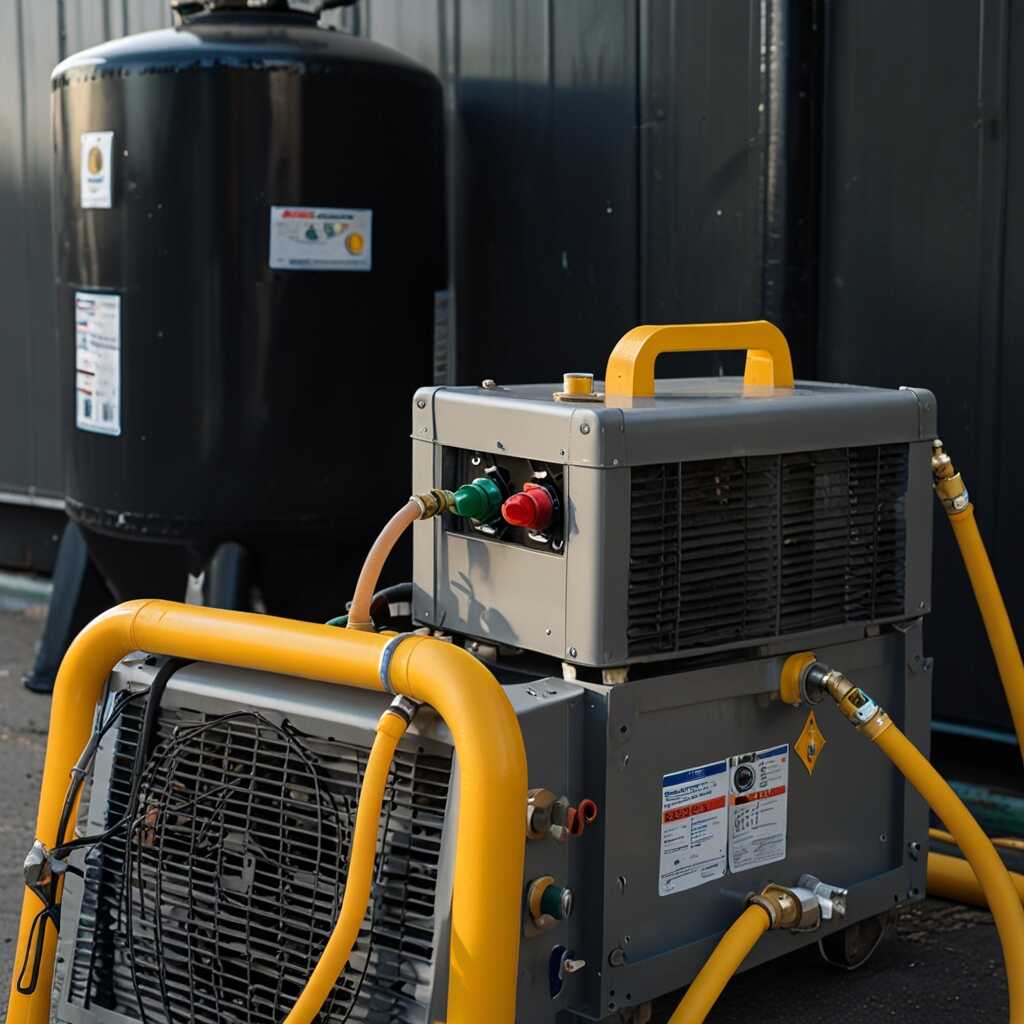
Proper maintenance of thermal protection systems requires monthly cleaning of air intake filters, cooling fins, and ventilation pathways to ensure adequate airflow. Technicians should test thermal cutoff switches quarterly by artificially inducing controlled overheating conditions and verifying automatic shutdown occurs at specified temperatures. Regular inspection of temperature sensors includes checking for corrosion, loose connections, or calibration drift that might delay protection activation. Fan motors need lubrication according to manufacturer specifications, typically every 500 operating hours. Electrical connections in thermal protection circuits require periodic tightening to prevent resistance-based heating at connection points.
Troubleshooting Common Thermal Protection Issues
When thermal protection activates frequently, technicians should first verify ambient temperature conditions and ensure adequate workspace ventilation before suspecting component failure. Common troubleshooting steps for thermal issues include checking refrigerant charge levels, as low charge causes compressors to overheat from inadequate cooling. Contaminated refrigerant or moisture in the system increases compression ratios and heat generation. Failed condenser fans or blocked coils prevent heat dissipation and trigger protection circuits prematurely. If protection systems fail to activate during testing, sensor replacement or control board diagnosis may be necessary to restore proper function.
Preventive Maintenance Schedule
- Daily: Check air filters and clear any visible obstructions
- Weekly: Monitor operating temperatures during typical recovery jobs
- Monthly: Clean cooling fins and test fan operation
- Quarterly: Verify thermal cutoff switch functionality
- Semi-annually: Professional calibration of temperature sensors
- Annually: Complete thermal system inspection and component testing
- As needed: Replace worn fans, sensors, or protection devices
Impact of Overheating on Recovery Operations
Overheating significantly degrades refrigerant recovery performance by reducing compressor efficiency and increasing recovery times by up to 40%. Elevated temperatures cause refrigerant vapor to expand, decreasing mass flow rates through the recovery machine and extending job completion times. Component degradation accelerates exponentially with temperature – seals rated for 10,000 hours at normal temperatures may fail within 1,000 hours when consistently overheated. Recovery machines operating above optimal temperatures consume more electricity while delivering less performance, increasing operational costs. Overheating also compromises vacuum depth capabilities, making it difficult to meet EPA-mandated recovery levels for system evacuation.
Long-term Equipment Damage from Thermal Stress
Chronic overheating causes permanent damage to recovery machine components, with compressor valves and rings being particularly vulnerable to thermal degradation. Motor windings deteriorate when subjected to temperatures exceeding their insulation rating, leading to short circuits or complete motor failure. Oil breakdown accelerates at high temperatures, forming varnish deposits that restrict moving parts and reduce lubrication effectiveness. Heat cycling causes metal components to expand and contract repeatedly, leading to fatigue cracks in housings and fittings. These cumulative effects significantly shorten equipment lifespan and increase the total cost of ownership for HVAC businesses.
Common Myths About Thermal Protection Systems
A prevalent misconception suggests that thermal protection is unnecessary for machines used intermittently or with low-pressure refrigerants, but all recovery operations generate significant heat regardless of duty cycle or refrigerant type. Many technicians mistakenly believe thermal protection only matters in hot climates, yet equipment failures occur frequently in temperature-controlled environments due to poor ventilation or extended operation. Another myth claims that newer machines don’t need thermal protection because of improved efficiency, but modern high-speed recovery actually increases heat generation. Some professionals assume thermal protection reduces recovery speed, when properly designed systems maintain optimal performance while preventing damage.
Technical Facts About Thermal Protection Design
Modern thermal protection systems utilize multiple redundant safeguards, not just simple temperature switches as commonly believed. Advanced designs incorporate predictive algorithms that adjust operation before reaching critical temperatures, maintaining efficiency while preventing shutdowns. Contrary to popular belief, quality thermal protection adds minimal cost to recovery machines – typically less than 5% of total unit price. Professional-grade thermal protection systems undergo extensive testing including thermal cycling, extreme temperature operation, and accelerated aging to ensure decades of reliable performance. These systems protect against various failure modes beyond simple overheating, including voltage fluctuations and mechanical overload conditions.
Industry Standards and Thermal Protection Requirements
- UL certification requires thermal protection on all recovery machine motors
- EPA regulations mandate equipment reliability for proper refrigerant handling
- AHRI standards specify temperature limits for certified recovery equipment
- Insurance underwriters often require thermal protection for coverage
- Manufacturer warranties typically void without proper thermal safeguards
- Professional certification programs emphasize thermal protection importance
- Industry best practices recommend redundant thermal protection systems
Future Developments in Thermal Protection Technology
Emerging thermal protection technologies for refrigerant recovery machines include IoT-enabled monitoring systems that provide real-time temperature data to mobile devices, allowing remote diagnostics and predictive maintenance scheduling. Manufacturers are developing adaptive thermal management systems that learn from usage patterns and environmental conditions to optimize cooling performance automatically. Phase-change materials integrated into machine housings absorb excess heat during peak loads and release it during idle periods. Variable-speed compressor technology paired with intelligent thermal control reduces heat generation while maintaining recovery rates. These innovations promise to extend equipment life while improving energy efficiency and operational reliability.
Smart Thermal Management Systems
Next-generation smart thermal management integrates artificial intelligence to predict overheating conditions before they occur, adjusting operation parameters proactively to prevent thermal stress. Cloud-connected recovery machines will share thermal performance data across fleet operations, identifying trends and optimizing maintenance schedules company-wide. Advanced materials like graphene-enhanced heat sinks promise dramatically improved thermal dissipation in compact designs. Solid-state cooling technologies may eventually replace traditional fan-based systems, eliminating moving parts while improving reliability. These smart systems will provide detailed thermal analytics, helping technicians understand equipment performance patterns and optimize recovery procedures for maximum efficiency and longevity.