Inline filter driers are specialized components that remove moisture, acids, and particulates from refrigerants during recovery operations. These devices significantly enhance system cleanliness by preventing contaminants from circulating through recovery machines, which protects compressors and extends equipment lifespan. Most HVAC professionals install inline filter driers in recovery systems to ensure reliable performance and compliance with environmental regulations. At Refrigerant Recovery Pro, we emphasize these technologies for effective refrigerant management in professional HVAC applications.
What Are Inline Filter Driers and How They Function
Inline filter driers are compact filtration devices that connect directly into refrigerant lines during recovery operations. They consist of a desiccant core surrounded by filtration media, typically activated alumina or molecular sieve materials. The primary function involves capturing moisture through desiccant absorption while simultaneously filtering solid contaminants through mechanical filtration. These components work by forcing refrigerant through the desiccant material, which bonds with water molecules and traps particulates larger than the filter mesh size.
Core Components and Operating Mechanism
The operating mechanism relies on two distinct filtration processes working simultaneously. Moisture removal occurs through desiccant absorption, where materials like silica gel or activated alumina chemically bond with water molecules. Particulate filtration happens through mechanical straining, where solid contaminants get trapped in the filter media. Most inline filter driers feature replaceable cores, allowing technicians to maintain filtration effectiveness without replacing the entire housing. The typical service life ranges from six months to two years, depending on contamination levels and usage frequency.
Benefits of Clean Systems for HVAC Performance
System cleanliness directly impacts HVAC efficiency, energy consumption, and component longevity. Clean refrigerant systems operate more efficiently because contaminants cannot obstruct heat transfer surfaces or clog expansion devices. Professional refrigerant recovery machines with integrated filtration systems help maintain this cleanliness by preventing contaminated refrigerant from re-entering the system. Regular maintenance typically involves filter changes every three to six months, depending on operating conditions and contamination exposure.
Understanding the Impact of Cleanliness on Efficiency
Cleanliness affects multiple aspects of HVAC system performance, from energy efficiency to component wear rates. Dirty systems experience reduced heat transfer efficiency, which forces compressors to work harder and consume more energy. Contaminants like moisture can cause acid formation, leading to copper plating and compressor damage. Units equipped with inline filter driers effectively capture these harmful substances before they circulate through the system. HVAC technicians with expertise in system maintenance can provide specific recommendations based on equipment type, operating environment, and contamination risk factors.
Understanding Refrigerant Recovery Machine Functions
Refrigerant recovery machines serve the essential function of safely removing refrigerant from HVAC systems for proper disposal or recycling. These machines enhance system reliability by eliminating harmful contaminants and moisture that could damage components during future operation. Effective recovery typically requires fifteen to thirty minutes, depending on system size and refrigerant type. Modern recovery machines often include integrated filtration systems that clean refrigerant during the recovery process, reducing contamination in stored refrigerant.
Benefits of Effective Refrigerant Recovery
Effective refrigerant recovery enhances HVAC system efficiency and ensures compliance with environmental regulations. By using a high-quality refrigerant recovery machine, technicians can minimize system downtime while ensuring thorough contaminant removal. These machines handle various refrigerant types, from common options like R-410A to specialized industrial refrigerants. Many models include features that facilitate impurity removal, improving overall system performance and reducing the risk of future contamination. Refrigerant Recovery Pro emphasizes selecting machines that offer proven reliability and consistent performance across different operating environments.
How Inline Filter Driers Work in Recovery Operations
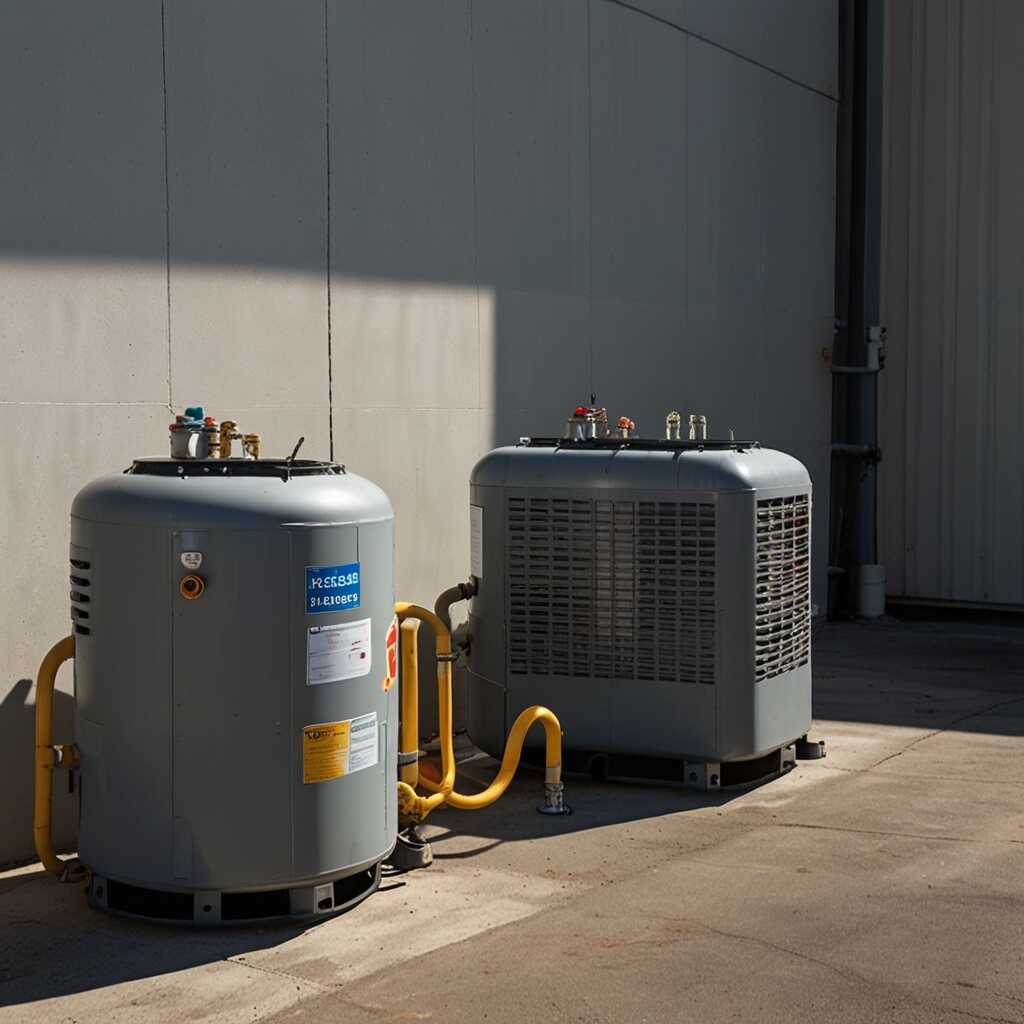
The primary function of inline filter driers in refrigerant recovery involves removing moisture, acids, and solid particles from refrigerant streams. They accomplish this through desiccant absorption and mechanical filtration, ensuring that only clean refrigerant passes through the recovery system. Inline filter driers enhance system cleanliness by preventing debris accumulation in recovery tanks and protecting downstream components. This protection reduces compressor wear and extends equipment service life significantly.
Installation and Maintenance Requirements
Proper installation requires positioning the filter drier in the liquid line between the system and recovery machine. Technicians should ensure correct flow direction, as indicated by arrows on the filter housing. Regular maintenance involves monitoring pressure drop across the filter and replacing cores when pressure differential exceeds manufacturer specifications. Most applications require core replacement every twelve to eighteen months, though high-contamination environments may necessitate more frequent changes. Safety requirements include proper handling procedures and disposal methods for used filter cores.
Types of Contaminants Removed by Filter Driers
Inline filter driers effectively remove several categories of contaminants that commonly affect refrigerant systems. Moisture represents the most critical concern, as it causes acid formation and ice crystal development in expansion devices. Solid particulates include dirt, metal shavings, and carbon deposits that can obstruct flow passages and damage components. Oil breakdown products and acidic compounds also get captured, preventing corrosion and extending system component life.
Moisture and Acid Removal Capabilities
Moisture removal occurs through desiccant materials that can absorb significant quantities of water vapor from refrigerant streams. Different desiccant types offer varying moisture-holding capacities, with molecular sieves providing superior performance in low-temperature applications. Acid removal happens through chemical neutralization and absorption processes within the desiccant core. These capabilities become especially important in older systems where moisture and acid contamination typically accumulates over time.
Operational Benefits of Clean Recovery Systems
Maintaining clean HVAC systems through effective filtration provides substantial operational benefits including improved energy efficiency and reduced maintenance costs. Clean systems operate more reliably because contaminants cannot interfere with heat transfer or clog critical components. Inline filter driers actively remove debris and moisture during recovery operations, ensuring that recovered refrigerant meets quality standards for reuse. This process can reduce energy consumption and lower operating costs compared to systems operating with contaminated refrigerant.
Economic Advantages of System Cleanliness
Clean refrigerant systems typically require less frequent maintenance and experience fewer unexpected failures. Properly filtered systems show improved component longevity, reducing replacement costs and minimizing downtime. The combination of effective filtration and regular maintenance helps systems achieve optimal performance throughout their service life. Clean refrigerants also enable more accurate system diagnostics, allowing technicians to identify issues before they become costly problems.
Common Contamination Sources in Refrigerant Systems
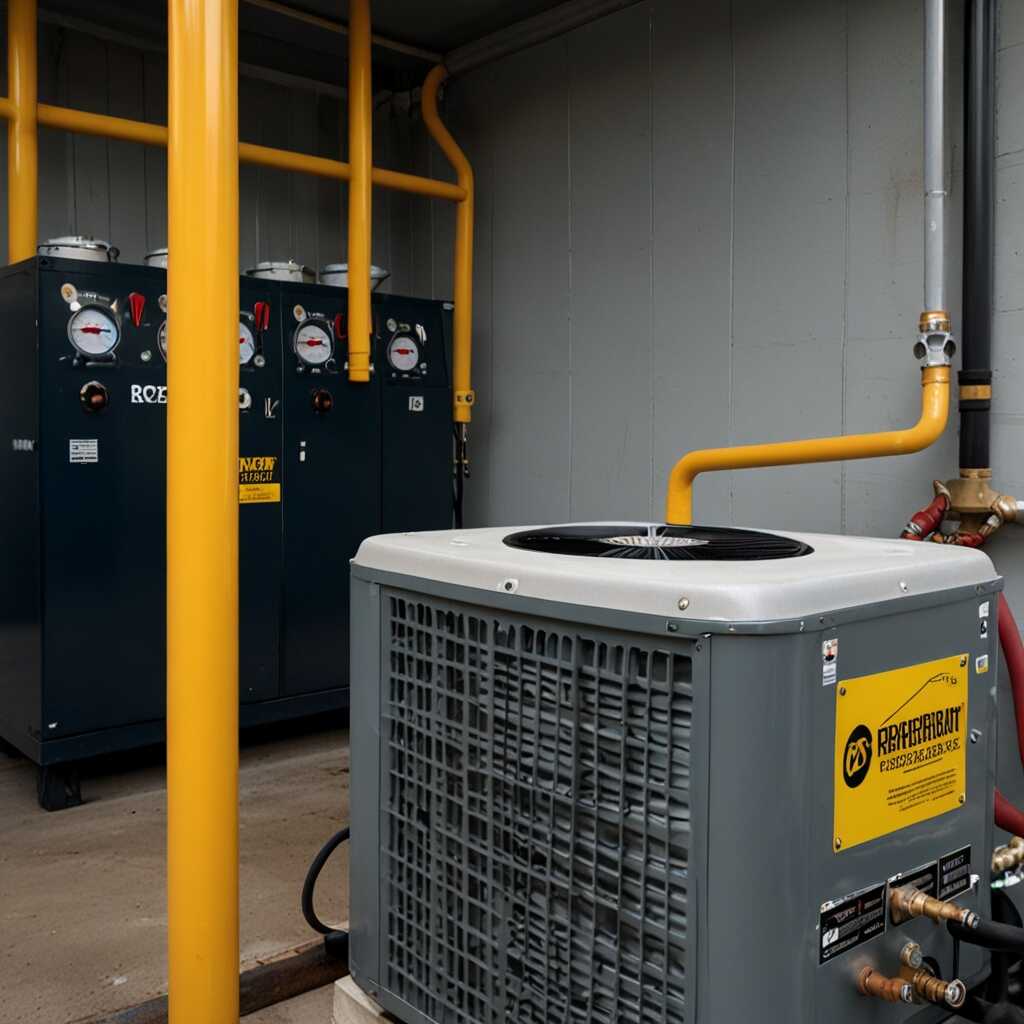
Refrigerant systems encounter contamination from multiple sources during normal operation and maintenance activities. Moisture typically enters through leaks, improper evacuation procedures, or hygroscopic refrigerant exposure to atmosphere. Particulate contamination includes dirt introduced during installation, metal particles from component wear, and carbon deposits from oil breakdown. Understanding these contamination sources helps HVAC technicians maintain refrigerant recovery system effectiveness and prevent performance degradation in recovery equipment.
Impact of Contamination on System Performance
Moisture contamination can cause multiple system problems including acid formation, copper plating, and ice crystal formation in expansion devices. Particulate contamination obstructs filters, clogs capillary tubes, and causes compressor valve damage. These issues reduce recovery efficiency and may require expensive component replacement. Regular maintenance using inline filter driers helps prevent contamination accumulation and maintains optimal system performance. Professional maintenance guidelines recommend specific inspection intervals based on operating conditions and contamination risk factors.
Selecting the Right Inline Filter Drier
Choosing appropriate inline filter driers requires considering several factors including refrigerant type, system capacity, and contamination levels. Different refrigerants have specific compatibility requirements with desiccant materials and filter media. System capacity determines the required flow rate and pressure drop specifications for optimal performance. High-contamination environments may require larger capacity filters or more frequent replacement intervals.
Capacity and Performance Specifications
Filter capacity specifications include moisture-holding capability, particle size removal, and maximum flow rate. Most residential applications require filters capable of handling five to twenty pounds of refrigerant per minute. Commercial systems may need higher capacity units with enhanced contamination removal capabilities. Performance specifications should match system requirements to avoid excessive pressure drop or inadequate filtration effectiveness.
Maintenance Strategies for Optimal Filter Performance
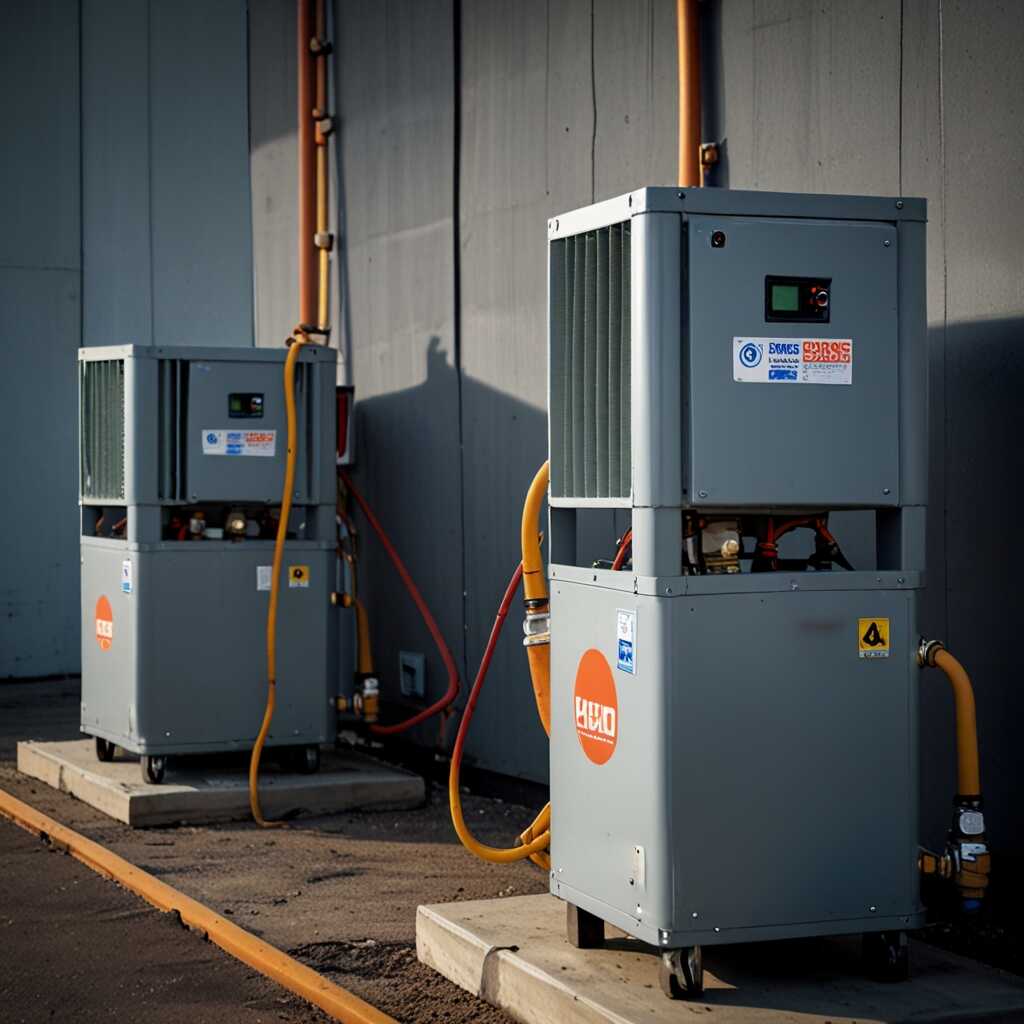
Effective maintenance strategies involve regular inspection, timely replacement, and proper disposal of inline filter driers. Monitoring pressure drop across filters provides indication of contamination loading and replacement timing. Visual inspection of filter cores can reveal contamination types and sources, helping identify system problems before they cause damage. Comparing different filter brands and specifications helps technicians select optimal components for specific applications.
Replacement Indicators and Schedules
Replacement indicators include excessive pressure drop, visual contamination of filter cores, and system performance degradation. Most manufacturers recommend replacement when pressure drop exceeds five to ten psi across the filter. Calendar-based replacement schedules typically range from six months to two years, depending on operating conditions. Professional service programs often include filter replacement as part of routine maintenance procedures.
Cost Analysis and Economic Benefits
Inline filter driers typically cost between fifty and two hundred dollars, depending on capacity and specifications. Installation costs remain minimal for experienced technicians, usually requiring thirty minutes to one hour for proper installation. The economic benefits include reduced maintenance costs, improved energy efficiency, and extended equipment life. These benefits often justify filter costs within the first year of operation through reduced service calls and improved system performance.
Return on Investment Calculations
Return on investment calculations should consider both direct cost savings and avoided maintenance expenses. Clean systems typically require fewer service calls and experience less component wear. Energy efficiency improvements can provide ongoing savings throughout the filter service life. Most commercial applications see positive returns within six to twelve months through reduced operating costs and improved reliability.
Regulatory Compliance and Environmental Benefits
Key regulatory requirements for refrigerant recovery include guidelines established by the EPA and similar organizations worldwide. These standards mandate specific procedures for refrigerant recovery and disposal, emphasizing environmental protection through emission prevention. Understanding these regulations helps technicians avoid penalties while improving work efficiency. International standards may vary in specific requirements, but all emphasize the importance of proper refrigerant handling and contamination prevention.
Environmental Impact and Sustainability
Proper filtration during refrigerant recovery reduces environmental impact by enabling refrigerant reuse and reducing waste generation. Clean recovery processes help maintain refrigerant quality, reducing the need for virgin refrigerant production. Compliance with environmental regulations demonstrates professional responsibility and contributes to sustainable HVAC practices. These practices benefit both environmental protection and long-term industry sustainability.
Limitations and Implementation Challenges
Inline filter driers have several limitations that technicians should understand before implementation. They cannot remove all contamination types, particularly some chemical contaminants that require specialized treatment. Filter capacity is finite, requiring regular replacement to maintain effectiveness. Installation in tight spaces can be challenging, and incorrect installation may reduce system performance. Cost considerations may limit usage in some budget-sensitive applications.
Troubleshooting Common Issues
Common issues include premature filter saturation, incorrect installation orientation, and inadequate capacity for system requirements. Premature saturation often indicates excessive system contamination or undersized filter selection. Installation problems can cause flow restrictions or bypass situations that reduce filtration effectiveness. System contamination indicators help technicians identify when filters require attention or replacement.
Future Developments in Filtration Technology
Emerging innovations in refrigerant recovery filtration focus on improved efficiency and enhanced contamination removal capabilities. Advanced desiccant materials offer higher moisture capacity and better acid neutralization properties. Smart filter technologies include contamination sensors and replacement indicators that help optimize maintenance timing. These developments aim to reduce maintenance requirements while improving filtration effectiveness across various operating conditions.
Integration with Modern Recovery Systems
Modern recovery systems increasingly integrate filtration capabilities directly into recovery machine designs. This integration eliminates separate filter installation requirements while ensuring consistent filtration during recovery operations. Advanced recovery machines feature automated filtration monitoring and replacement indicators. These features help technicians maintain optimal performance with minimal additional maintenance requirements.