Microprocessor-controlled refrigerant recovery systems are automated units that use digital processors to optimize the refrigerant extraction process from HVAC equipment. These systems feature sensors, control algorithms, and automated sequencing that monitor pressure, temperature, and flow rates in real-time. Common models include the NAVAC NRP8DI and Appion G5TWIN, which typically cost between $2,000-$5,000. These advanced recovery systems enhance efficiency through precise control and automated operation.
How Microprocessor-Controlled Recovery Systems Work
Microprocessor technology in refrigerant recovery works by continuously monitoring system parameters and adjusting recovery operations automatically. The process begins when sensors detect refrigerant pressure and temperature, sending data to the microprocessor. The processor then calculates optimal recovery parameters and adjusts pump speed, valve positions, and cooling cycles accordingly. This automated control eliminates manual adjustments and reduces recovery time significantly compared to traditional mechanical systems.
Key Components of Microprocessor Recovery Units
Essential components in microprocessor-controlled recovery equipment include pressure transducers, temperature sensors, solenoid valves, and the central processing unit. Pressure transducers monitor both high and low-side pressures, while temperature sensors track refrigerant and compressor temperatures. The microprocessor uses this data to control solenoid valves that regulate refrigerant flow. Display panels show real-time data, allowing technicians to monitor recovery progress. Advanced models also include communication modules for remote monitoring through smartphone apps or diagnostic software.
Benefits of Microprocessor-Controlled Refrigerant Recovery
The primary benefits of microprocessor-controlled recovery systems include faster recovery times, improved accuracy, and reduced technician workload. These systems automatically adjust to changing refrigerant conditions, maintaining optimal recovery rates throughout the process. Automated shut-off prevents overfilling of recovery cylinders, enhancing safety. The precision control also minimizes refrigerant loss during recovery, supporting environmental compliance. For HVAC businesses, these advantages translate to more jobs completed per day and better resource utilization.
Operational Advantages for HVAC Professionals
HVAC technicians using microprocessor-controlled recovery systems report several operational benefits. The automated controls reduce the need for constant monitoring, allowing technicians to perform other tasks during recovery. Built-in diagnostics help identify system issues before they cause failures. Many units feature multi-refrigerant capabilities with automatic refrigerant identification, eliminating setup errors. The consistent performance of these systems also improves customer satisfaction through reliable service delivery and shorter equipment downtime.
Limitations and Considerations for Microprocessor Systems
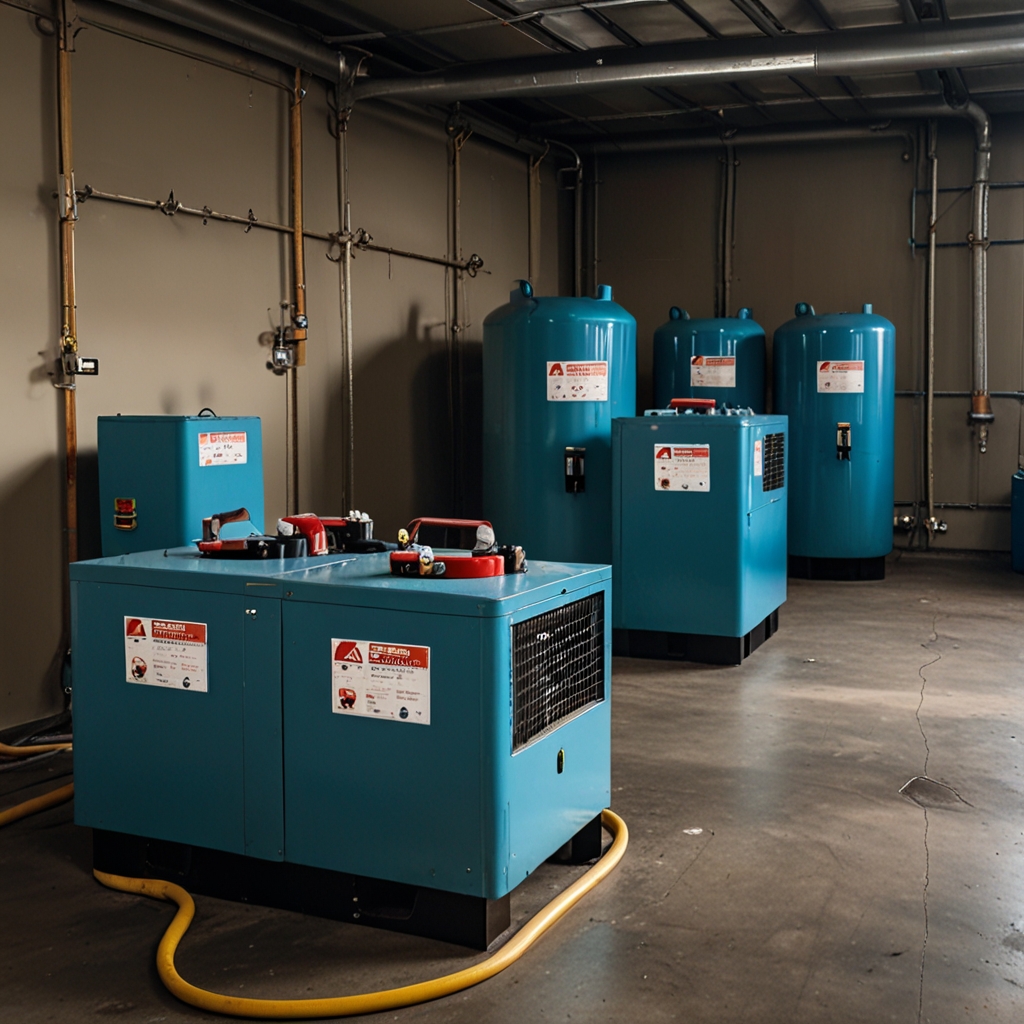
Despite their advantages, microprocessor-controlled recovery systems have important limitations to consider. The initial investment is substantially higher than traditional units, often requiring careful budget planning. These systems depend on electronic components that can fail in harsh environments or extreme temperatures. Repair costs tend to be higher due to specialized parts and the need for trained technicians. Power requirements are also greater, making portable operation more challenging in remote locations.
Technical Challenges and Maintenance Requirements
Microprocessor-controlled systems require regular software updates and calibration to maintain accuracy. Sensor drift can occur over time, necessitating periodic recalibration by qualified technicians. Electronic components are sensitive to moisture and refrigerant contamination, requiring careful handling and storage. Some older technicians find the digital interfaces less intuitive than traditional analog controls. Additionally, compatibility issues may arise with certain refrigerant types or when working with very old HVAC systems that lack standard service ports.
Cost Considerations for Microprocessor Recovery Equipment
Investment in microprocessor-controlled recovery equipment typically ranges from $2,000 for basic models to over $8,000 for professional-grade units with advanced features. Entry-level systems suitable for residential work generally cost between $2,000-$3,500. Commercial-grade units with higher capacity and durability range from $4,000-$6,000. Top-tier models with remote monitoring, data logging, and multi-refrigerant capabilities can exceed $8,000. Buyers should also factor in annual calibration costs, software updates, and potential warranty extensions when budgeting for these systems.
Return on Investment Analysis
The return on investment for microprocessor-controlled systems depends on usage frequency and business type. High-volume commercial HVAC contractors often see payback within 12-18 months through increased job completion rates. Residential service companies may require 2-3 years for full ROI. Factors affecting payback include local labor rates, refrigerant types serviced, and average job complexity. Businesses should also consider soft benefits like improved technician satisfaction, reduced callbacks, and enhanced reputation for professional service when evaluating these investments.
Comparing Microprocessor and Traditional Recovery Methods
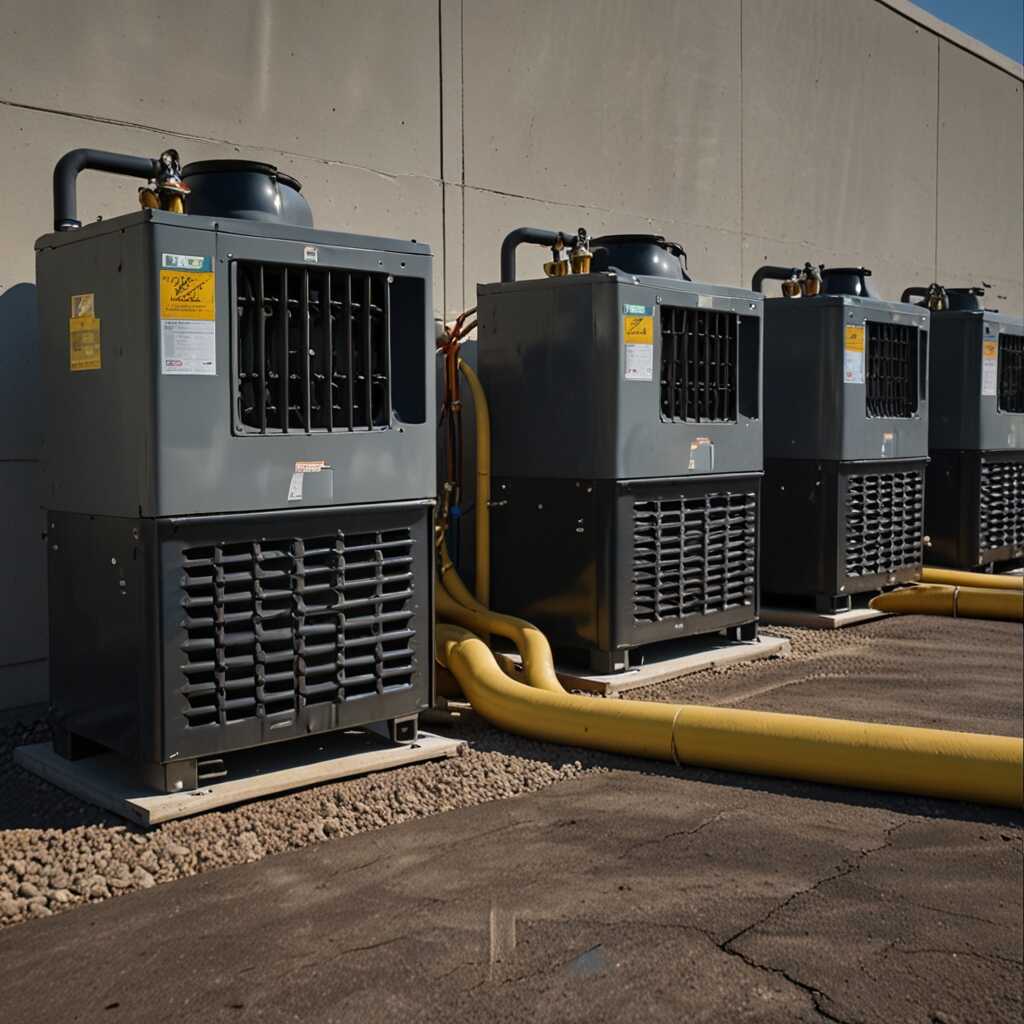
Traditional mechanical recovery systems rely on manual controls and fixed operating parameters, while microprocessor-controlled units continuously adapt to changing conditions. Mechanical systems require technicians to monitor gauges and adjust valves throughout the recovery process. This manual operation often results in longer recovery times and increased refrigerant loss. Microprocessor systems automate these adjustments, maintaining optimal recovery rates regardless of ambient conditions or refrigerant type. However, traditional systems offer advantages in simplicity, lower cost, and easier field repairs.
Performance Differences in Real-World Applications
Field testing shows microprocessor-controlled systems consistently outperform traditional units in recovery speed and completeness. The automated controls maintain optimal suction pressure throughout recovery, preventing compressor slugging and maximizing efficiency. Traditional systems often struggle with varying refrigerant charges and mixed refrigerants, while microprocessor units adapt automatically. However, in simple residential applications with standard refrigerants, the performance gap narrows considerably. Technicians working primarily on older equipment may find traditional systems adequate for their needs.
Leading Brands in Microprocessor Recovery Technology
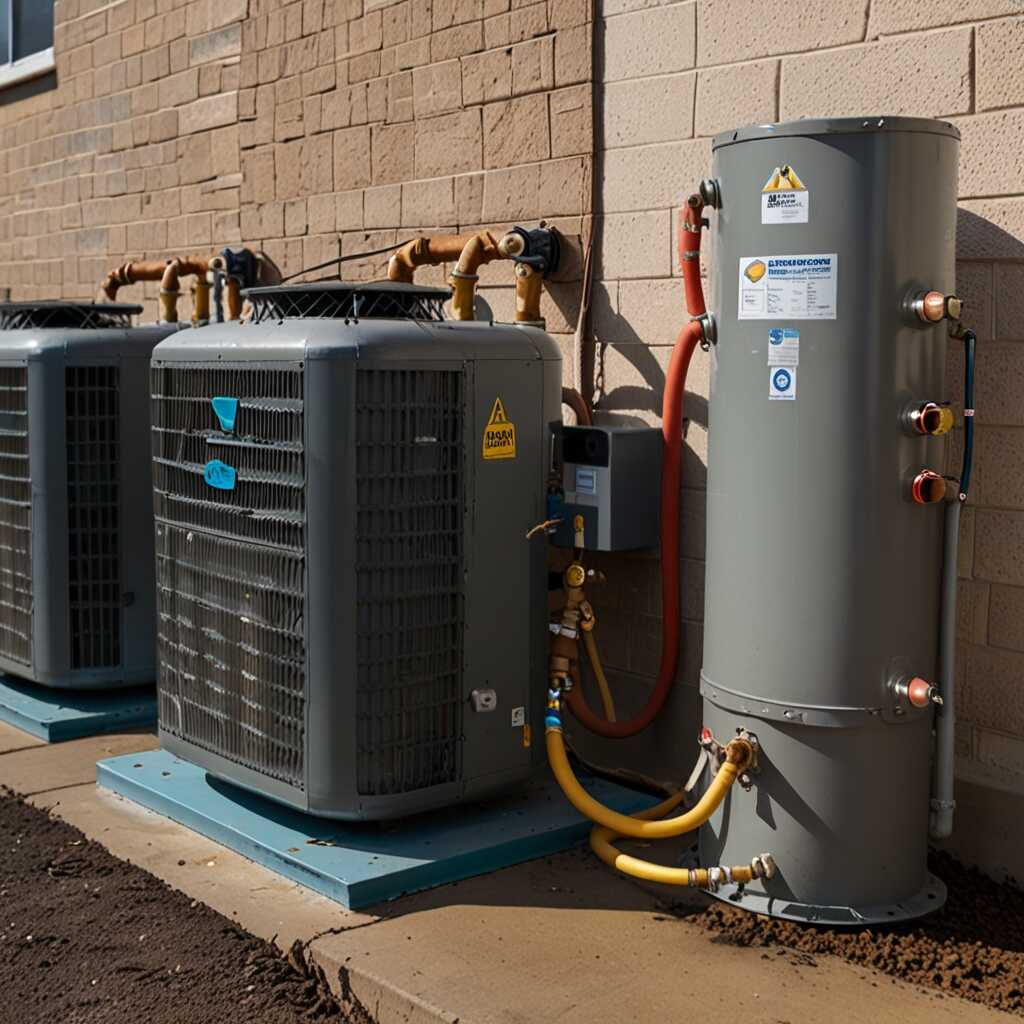
Major manufacturers of microprocessor-controlled recovery systems include Appion, NAVAC, Robinair, and JB Industries. Appion’s G5TWIN model features dual-compressor design with independent microprocessor control for each circuit. NAVAC’s NRP8DI offers wireless connectivity and smartphone integration for remote monitoring. Robinair focuses on user-friendly interfaces with their RG6 series, featuring large touchscreen displays. JB Industries emphasizes durability with reinforced components designed for harsh job site conditions while maintaining precise microprocessor control.
Model-Specific Features and Applications
Each manufacturer targets different market segments with specialized features. Appion units excel in high-volume commercial applications requiring fast recovery of large refrigerant charges. NAVAC systems appeal to tech-savvy technicians who value data logging and remote diagnostics. Robinair models suit mixed residential/commercial contractors needing versatility and ease of use. JB Industries units work well for contractors prioritizing reliability in challenging environments. Understanding these distinctions helps technicians select equipment matching their specific service requirements and customer base.
Environmental Impact of Advanced Recovery Technology
Efficient refrigerant recovery directly reduces greenhouse gas emissions and ozone depletion by preventing refrigerant release into the atmosphere. Microprocessor-controlled systems enhance environmental protection through more complete refrigerant extraction and reduced cross-contamination between refrigerant types. These systems support compliance with EPA Section 608 regulations and international environmental agreements. The precision control minimizes refrigerant loss during recovery, with modern systems achieving recovery rates exceeding traditional methods significantly. This improved performance helps HVAC businesses meet increasingly stringent environmental regulations while demonstrating commitment to sustainable practices.
Regulatory Compliance and Best Practices
Current EPA regulations require specific recovery levels based on system type and refrigerant category. Microprocessor-controlled systems help ensure compliance through automated documentation and consistent performance. These units typically include data logging features that record recovery amounts, dates, and technician information for regulatory reporting. Best practices include regular calibration according to manufacturer specifications, proper refrigerant identification before recovery, and maintaining detailed service records. Technicians should also stay informed about changing regulations, particularly regarding newer refrigerant blends and phase-out schedules for older refrigerants.

Implementation Guidelines for Microprocessor Recovery Systems
Successful implementation of microprocessor-controlled recovery systems requires proper planning and training. Start by assessing your typical service requirements, including refrigerant types, system sizes, and job site conditions. Select equipment with features matching your specific needs rather than purchasing based solely on price. Essential features for most applications include automatic shut-off, oil-less compressors, and multi-refrigerant capability. Plan for technician training, as the transition from traditional to microprocessor-controlled systems requires understanding new operating procedures and maintenance requirements.
Training and Maintenance Requirements
Proper training ensures technicians maximize the benefits of microprocessor-controlled systems. Manufacturers typically offer training programs covering operation, troubleshooting, and maintenance procedures. Key training topics include understanding display readings, interpreting error codes, and performing field calibration. Regular maintenance involves cleaning filters, checking sensor accuracy, and updating software when available. Most manufacturers recommend professional calibration annually or after processing a specified amount of refrigerant. Establishing a maintenance schedule and keeping detailed service records helps ensure long-term reliability and regulatory compliance.
Selecting the Right Microprocessor Recovery System
Choosing appropriate microprocessor-controlled recovery equipment depends on several factors including business type, service volume, and budget constraints. Residential service companies should prioritize portability, ease of use, and compatibility with common refrigerants. Commercial contractors need higher capacity, faster recovery rates, and durability for frequent use. Consider future business growth when selecting capacity and features. Essential selection criteria include recovery rate specifications, refrigerant compatibility, warranty terms, and available service support in your area.
Feature Prioritization for Different Applications
Different HVAC applications require specific feature sets in recovery equipment. Residential technicians benefit from lightweight units with simple controls and broad refrigerant compatibility. Commercial specialists need high-capacity systems with data logging for large-scale projects. Industrial applications may require explosion-proof ratings and specialized refrigerant handling capabilities. Mobile service providers should prioritize compact design and robust construction for vehicle transport. Understanding these application-specific needs helps narrow equipment choices and ensures the selected system matches actual usage requirements rather than marketing claims.
Future Developments in Recovery Technology
The future of refrigerant recovery technology continues evolving with advances in sensor technology, artificial intelligence, and connectivity. Emerging features include predictive maintenance alerts, cloud-based data management, and integration with building management systems. Manufacturers are developing systems that automatically identify refrigerant blends and adjust recovery parameters accordingly. Enhanced environmental sensors may soon detect microscopic leaks during recovery. These innovations aim to further reduce recovery times while improving refrigerant purity and minimizing environmental impact. HVAC professionals should stay informed about technological developments to make strategic equipment investments.
Preparing for Industry Changes
The HVAC industry faces ongoing changes in refrigerant regulations, efficiency standards, and customer expectations. Microprocessor-controlled recovery systems position technicians to adapt to these changes through software updates rather than equipment replacement. Investing in quality microprocessor-controlled equipment provides flexibility for handling new refrigerant types and meeting evolving regulatory requirements. Technicians should also consider joining manufacturer training programs and industry associations to stay current with technological advances and best practices in refrigerant recovery.
Microprocessor-controlled refrigerant recovery represents a significant advancement in HVAC service technology. While requiring higher initial investment and technical knowledge, these systems offer substantial benefits in efficiency, compliance, and operational flexibility. Success with this technology depends on selecting appropriate equipment, investing in proper training, and maintaining systems according to manufacturer specifications. As environmental regulations tighten and customer expectations increase, microprocessor-controlled recovery systems provide HVAC professionals with tools to deliver superior service while supporting environmental sustainability. The key is matching system capabilities to actual business needs and committing to ongoing education in this rapidly evolving field.