Troubleshooting refrigerant recovery machine issues is essential for HVAC technicians handling R-410A, R-22, and R-134a systems. Common problems include compressor failures, pressure gauge malfunctions, and blocked recovery valves that typically require 15-30 minutes to diagnose. Professional-grade recovery machines from manufacturers like Robinair, Yellow Jacket, and Appion range from $500-3,000, making proper troubleshooting crucial for protecting equipment investments and maintaining service efficiency. These machines work by creating negative pressure to extract refrigerant from HVAC systems, storing it in recovery tanks for recycling or disposal.
What Are Refrigerant Recovery Machines and Their Purpose
Refrigerant recovery machines are specialized HVAC service tools that extract refrigerant from air conditioning and refrigeration systems during repairs or decommissioning. These machines consist of a compressor unit, recovery tank, manifold gauges, and connecting hoses that work together to safely remove refrigerants. The primary purpose involves environmental protection by preventing refrigerant release into the atmosphere while enabling technicians to service cooling systems. Recovery machines handle various refrigerant types including R-410A (high-pressure systems), R-22 (older residential units), and R-134a (automotive applications), each requiring specific pressure ratings and oil compatibility.
Identifying Signs of Malfunction in Refrigerant Recovery Machines
Common signs of malfunction in refrigerant recovery machines include unusual grinding or knocking noises from the compressor, significantly reduced suction ability below manufacturer specifications, and excessive vibration during operation. These symptoms often indicate problems with critical components such as worn compressor pistons, contaminated recovery tanks, or damaged intake valves. Visual indicators include oil leaks around fittings, frosted lines suggesting blockages, and erratic pressure gauge readings that fluctuate beyond normal ranges. Regular inspection schedules, typically every 50-100 operating hours, help technicians identify these warning signs before complete failure occurs.
Understanding Key Components Impacting Machine Performance
Key components significantly impact refrigerant recovery machine performance through their interconnected functions. The compressor, which operates at pressures ranging from 150-600 PSI depending on refrigerant type, serves as the primary motive force for refrigerant extraction. Recovery tanks must maintain proper vacuum levels (typically 500 microns or less) to ensure complete refrigerant removal. High-efficiency particulate filters protect internal components from contamination, while check valves prevent refrigerant backflow. Understanding these relationships enables technicians to diagnose issues systematically, starting with pressure tests, then examining mechanical components, and finally verifying electrical systems.
Common Reasons for Failed Refrigerant Recovery Procedures
Common reasons for failed refrigerant recovery procedures include equipment setup errors, maintenance neglect, and component incompatibility with specific refrigerant types. Improper hose connections cause most recovery failures, particularly when technicians mix high-side and low-side connections or use worn hose gaskets. Inadequate vacuum pump maintenance leads to moisture contamination, which damages compressor internals and reduces recovery efficiency. Technicians must review their refrigerant recovery equipment compatibility charts before each job, as using R-22 equipment with R-410A systems can cause immediate seal failure due to pressure differences.
Equipment Malfunction and Maintenance Guidelines
Equipment malfunction prevention requires systematic maintenance focusing on filters, seals, and oil levels. Recovery machine filters should be replaced every 20-40 hours of operation or when pressure drop exceeds manufacturer specifications. Compressor oil changes, typically required every 100-200 operating hours, prevent bearing wear and maintain proper lubrication under high-pressure conditions. Seal inspection reveals potential failure points before refrigerant leaks develop, particularly around shaft seals and valve packings. Documentation of maintenance intervals helps predict component replacement needs, with recovery hoses typically lasting 1-2 years and compressor rebuilds needed every 3-5 years under normal commercial use.
Assessing Compatibility of Recovery Equipment with Refrigerants
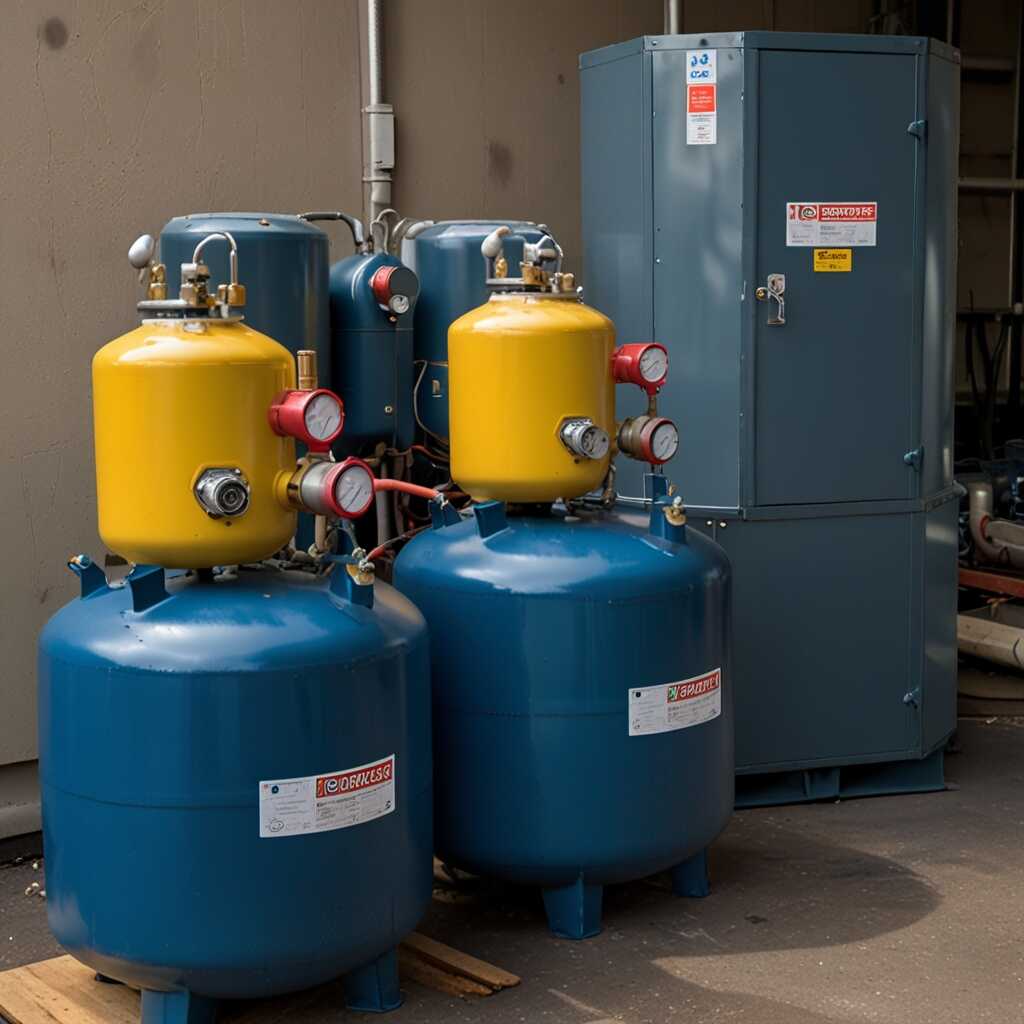
To verify equipment compatibility with refrigerants requires checking manufacturer specifications for pressure ratings, oil types, and seal materials. Recovery machines designed for R-410A must handle operating pressures up to 600 PSI, significantly higher than R-22 equipment rated for 400 PSI maximum. Recovery machine compatibility extends to oil requirements, where R-410A systems use polyolester (POE) oils while older R-22 units operate with mineral oils. Material compatibility affects seal longevity, as some elastomers deteriorate rapidly when exposed to incompatible refrigerants, leading to leaks within weeks rather than years.
Understanding Key Refrigerant Types and Their Equipment Requirements
Different refrigerants demand specific recovery equipment features based on their chemical properties and operating pressures. R-410A operates at pressures approximately 60% higher than R-22, requiring reinforced hoses and higher-rated pressure relief valves. R-134a, commonly used in automotive applications, needs equipment with barrier hoses to prevent moisture infiltration. Recovery rates vary significantly between refrigerant types, with R-410A typically recovering at 0.5-1.0 pounds per minute while R-22 achieves 0.3-0.7 pounds per minute under similar conditions. Equipment selection must account for these differences to ensure safe, efficient recovery operations.
How Much Does Refrigerant Recovery Equipment Cost
Refrigerant recovery equipment costs range from $500 for basic single-refrigerant units to $3,000 for professional multi-refrigerant systems with advanced features. Entry-level machines suitable for residential HVAC work typically cost $500-1,200 and handle single refrigerant types with recovery rates around 0.25 pounds per minute. Mid-range commercial units priced between $1,200-2,000 offer dual refrigerant capability and faster recovery rates of 0.5-1.0 pounds per minute. High-end recovery stations costing $2,000-3,000 include features like dual recovery cylinders, automatic purge cycles, and compatibility with multiple refrigerant types. Additional costs include recovery tanks ($100-300), hose sets ($50-150), and annual calibration services ($150-250).
Diagnosing Refrigerant Line Blockages and Leakage Issues
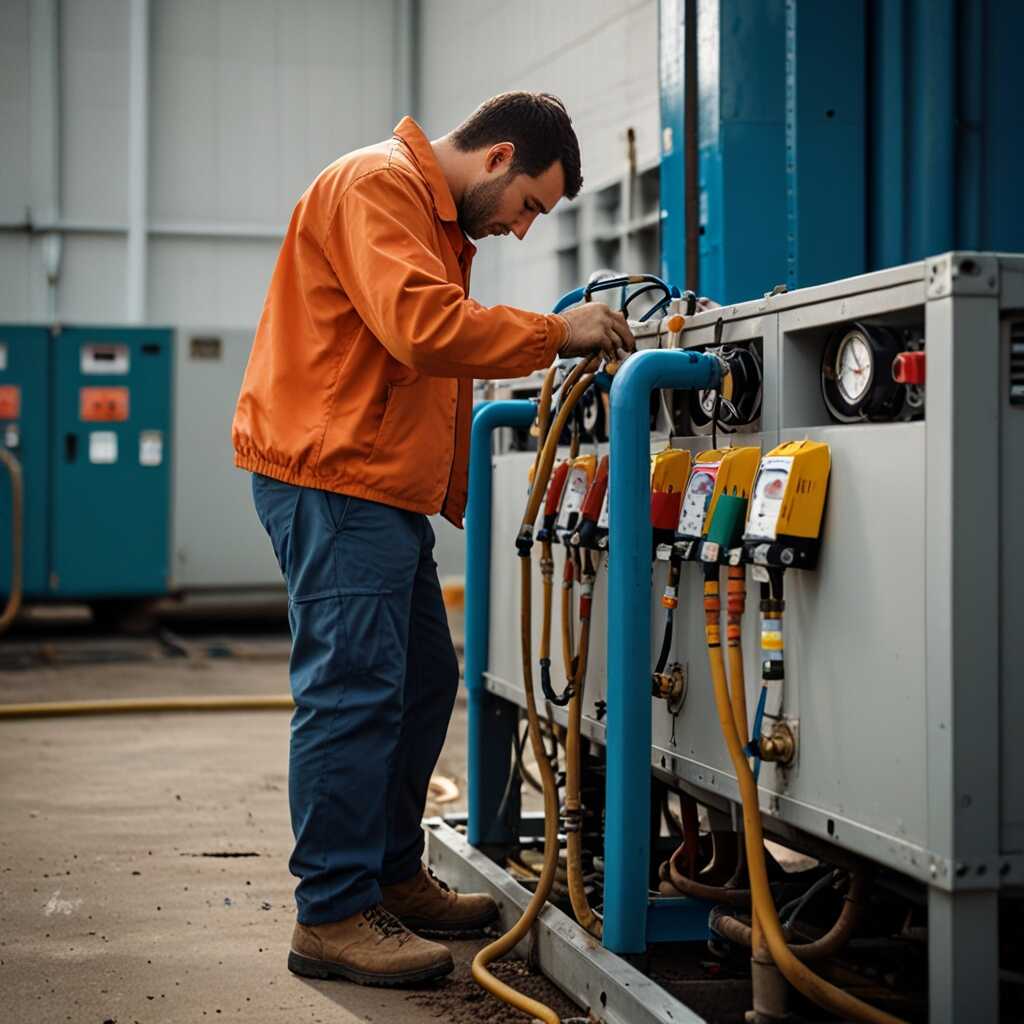
Identifying blockages in refrigerant recovery lines requires systematic pressure testing and visual inspection for frost accumulation or oil stains. Blockages typically occur at filter-driers, expansion devices, or sharp bends in piping where contaminants accumulate. Pressure differential testing between system points reveals restrictions when readings exceed 10-15 PSI difference under normal flow conditions. Leak detection methods include electronic sensors capable of detecting refrigerant concentrations as low as 3 parts per million, ultrasonic detectors for pressurized leaks, and traditional soap bubble testing for larger leaks.
Effective Methods for Leak Detection
Effective leak detection combines multiple testing methods based on leak size and location accessibility. Electronic leak detectors using heated diode or infrared technology provide sensitivity to detect annual leak rates below regulatory thresholds. Ultrasonic detectors identify high-pressure leaks through sound frequencies above human hearing range, particularly useful in noisy mechanical rooms. Fluorescent dye injection reveals intermittent leaks when combined with UV light inspection after system operation. Testing methodology should progress from most likely leak points (mechanical connections, brazed joints) to less common areas (tubing runs, component bodies).
Identifying Electrical Faults in Recovery Machines
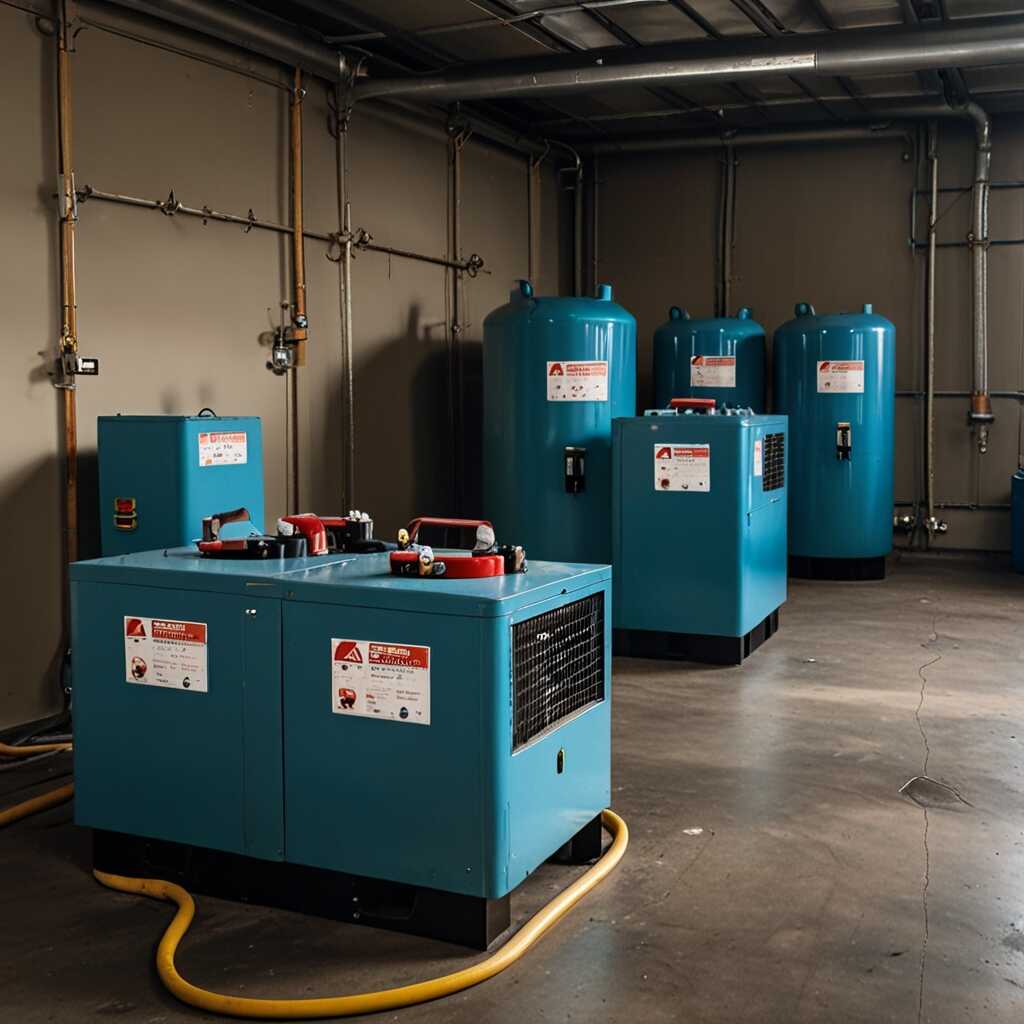
Common electrical issues in recovery machines include failed capacitors causing motor starting problems, worn contactors creating intermittent operation, and control board failures resulting in erratic behavior. Diagnostic procedures begin with visual inspection for burned components, followed by voltage measurements at key test points using digital multimeters. Recovery machine electrical systems typically operate on 115V or 230V single-phase power, with control circuits using 24V for safety. Understanding circuit sequences helps isolate faults, as most machines follow predictable start-up sequences involving pressure switches, time delays, and safety interlocks.
Steps for Troubleshooting Electrical Issues
Troubleshooting electrical faults requires systematic testing starting with power supply verification and progressing through control circuits. First, verify incoming voltage matches equipment specifications within acceptable ranges (typically ±10%). Check motor capacitors using capacitance meters, as weak capacitors cause hard starting and overheating. Test continuity through safety switches including high-pressure cutouts, low-pressure switches, and thermal overloads. Control board diagnostics often require manufacturer-specific procedures, though common tests include checking transformer output voltages and relay coil resistances. Document all readings for comparison with manufacturer specifications, as marginal components may function intermittently.
What Are the Benefits of Proper Recovery Machine Maintenance
Benefits of proper recovery machine maintenance include extended equipment lifespan, reduced service call delays, and lower operating costs through preventive care. Well-maintained recovery machines typically operate 5-10 years compared to 2-3 years for neglected units. Regular maintenance prevents unexpected breakdowns that can delay service calls by 30-60 minutes while sourcing replacement equipment. Cost savings accumulate through avoided emergency repairs, which often cost 2-3 times more than scheduled maintenance. Additional benefits include maintaining recovery efficiency near manufacturer specifications, ensuring compliance with environmental regulations, and protecting customer equipment from cross-contamination.
Best Practices for Maintaining Refrigerant Recovery Equipment
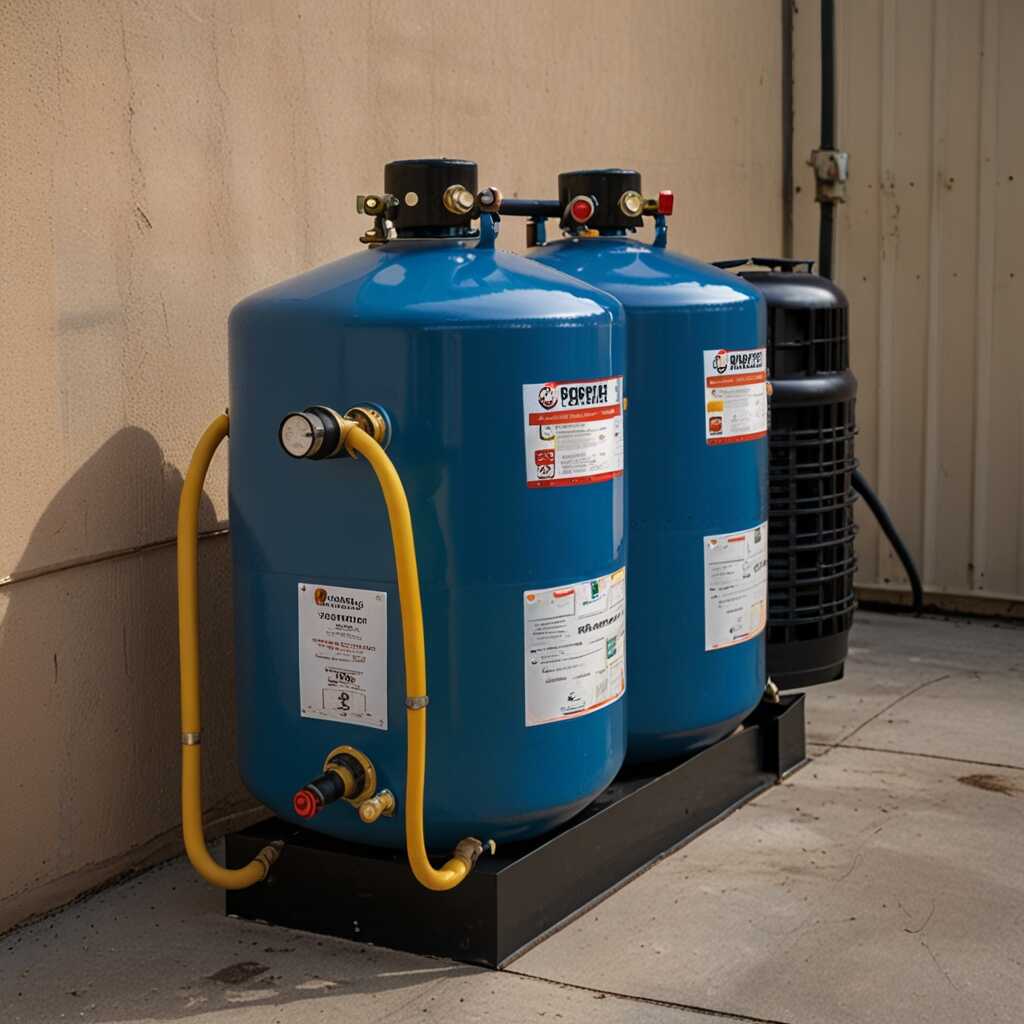
Essential maintenance tasks for refrigerant recovery equipment include daily visual inspections, weekly filter checks, and monthly comprehensive testing of all systems. Daily tasks focus on checking oil levels, inspecting hose conditions, and verifying gauge accuracy against known references. Weekly maintenance involves cleaning or replacing inlet filters, checking belt tension on belt-driven units, and testing safety switches. Monthly procedures include complete functional tests measuring recovery rates, ultimate vacuum levels, and high-pressure cutout settings. Documentation requirements include maintaining logs of operating hours, refrigerant types recovered, and any abnormal conditions observed during operation.
Understanding the Importance of Routine Maintenance for Optimal Functionality
Routine maintenance directly impacts recovery machine reliability, efficiency, and regulatory compliance. Preventive maintenance schedules based on operating hours rather than calendar time account for usage variations between technicians. High-use commercial applications may require maintenance every 25-50 hours, while light residential use extends intervals to 100-150 hours. Critical maintenance points include compressor oil analysis for acid content indicating system contamination, vacuum pump oil changes preventing moisture damage, and calibration verification ensuring accurate refrigerant charging. Maintenance records provide valuable data for predicting component replacement needs and justifying equipment upgrade decisions.
Effective Diagnostic Tools for Quick Problem-Solving
Key diagnostic tools for refrigerant recovery machines include digital manifold gauges providing pressure accuracy within ±1%, clamp-on ammeters measuring motor current draw, and micron gauges verifying vacuum levels. Temperature measurement using infrared thermometers or thermocouples helps identify restrictions through abnormal temperature differentials. Advanced diagnostic equipment includes digital vacuum gauges reading below 50 microns, refrigerant identifiers preventing cross-contamination, and oscilloscopes for analyzing electrical waveforms. Tool selection depends on service level, with residential technicians needing basic pressure/temperature tools while commercial specialists require comprehensive diagnostic capabilities.
Choosing the Right Diagnostic Equipment for Efficient Repairs
Selecting appropriate diagnostic tools balances accuracy requirements, durability needs, and budget constraints. Digital manifold sets offering wireless connectivity and data logging capabilities cost $400-800 but provide documentation advantages and reduce transcription errors. Refrigerant analyzers ranging from $1,500-3,000 prevent costly contamination issues when servicing multiple refrigerant types. Basic tool sets costing $200-400 include analog gauges, pocket thermometers, and simple leak detectors suitable for residential work. Investment in quality diagnostic equipment typically returns value through faster troubleshooting, fewer callbacks, and enhanced professional credibility.
When to Seek Professional Help for Complex Recovery Machine Issues
Professional assistance becomes necessary when recovery machine problems exceed typical field repairs or require specialized tools and expertise. Warning signs include compressor failures requiring complete rebuilds, electronic control board malfunctions needing component-level repair, and persistent contamination issues suggesting internal damage. Complex problems often involve multiple interrelated failures where addressing visible symptoms without understanding root causes leads to repeated breakdowns. Professional repair services typically cost $500-1,500 depending on required parts and labor, but prevent more expensive consequences of improper repairs including complete equipment failure or refrigerant contamination.
When to Consider Professional Assistance for Complex Issues
HVAC technicians should consider seeking professional assistance when recovery machines exhibit persistent problems after standard troubleshooting attempts. Complex refrigerant recovery machine issues requiring expert intervention include intermittent electrical faults that standard testing cannot isolate, compressor efficiency losses exceeding 30% of rated capacity, and contamination problems persisting after filter changes. Professional technicians specializing in recovery equipment possess factory training, specialized test equipment, and access to technical bulletins addressing known model-specific issues. Cost-benefit analysis often favors professional repair when downtime costs exceed daily equipment rental rates of $75-150.
Identifying Signs of Equipment Failure
Critical equipment failure indicators requiring immediate professional attention include metal particles in compressor oil suggesting bearing failure, burnt electrical odors indicating overheated components, and recovery rates declining below 50% of manufacturer specifications. Unusual compressor noises progressing from minor knocking to severe grinding typically indicate imminent mechanical failure requiring complete overhaul. Professional evaluation becomes essential when multiple symptoms appear simultaneously, such as high discharge temperatures combined with extended recovery times and abnormal amperage draws. Documentation of symptoms, including operating conditions when problems occur, helps service professionals diagnose issues efficiently and recommend cost-effective solutions.