To connect a refrigerant recovery machine correctly, first ensure all hoses are clean and valve connections match your refrigerant type. Connecting your refrigerant recovery machine correctly requires attaching inlet hoses to the HVAC system’s service ports, connecting outlet hoses to recovery tanks, and verifying manifold gauge readings before starting recovery operations. This systematic approach prevents cross-contamination between different refrigerant types.
What is Cross-Contamination in Refrigerant Recovery Systems
Cross-contamination in refrigerant recovery refers to the unintended mixing of different refrigerant types, such as R-410A with R-22, within recovery equipment or storage tanks. This contamination occurs when recovery machines, hoses, or tanks previously used for one refrigerant type retain residual amounts that mix with different refrigerants during subsequent recovery operations. The risks include reduced cooling efficiency, equipment damage, regulatory non-compliance, and potential safety hazards from incompatible chemical reactions. Common causes involve using the same recovery equipment for multiple refrigerant types without proper cleaning, incorrect hose connections, and inadequate purging between different recovery tasks.
How Cross-Contamination Affects HVAC System Performance
When refrigerant cross-contamination occurs, HVAC systems experience several performance issues that compromise their operation. Mixed refrigerants create unpredictable pressure-temperature relationships, making it difficult for technicians to diagnose problems or charge systems correctly. The contaminated mixture may cause compressor overheating, reduced cooling capacity, increased energy consumption, and premature component failure. Additionally, contaminated refrigerants cannot be reclaimed or recycled, requiring costly disposal through certified waste handlers. efficiency and reliability of refrigerant recovery operations depend heavily on maintaining refrigerant purity throughout the recovery process.
Essential Components for Proper Refrigerant Recovery Connection
A complete refrigerant recovery setup requires several key components working together to ensure safe and efficient operation. refrigerant recovery system include the recovery machine itself, which provides vacuum pressure for extraction, specialized recovery hoses rated for high pressure, DOT-approved recovery cylinders for storage, and manifold gauge sets for monitoring system pressures. The recovery machine provides the power through either piston or scroll compressors, while recovery machine to the refrigerant source connections must use proper fittings to prevent leaks.
Understanding Recovery Machine Types and Their Applications
Recovery machines come in various configurations designed for specific applications and refrigerant types. Single-refrigerant machines work exclusively with one refrigerant type, eliminating cross-contamination risks but limiting versatility. Multi-refrigerant machines in a refrigerant recovery system has the capability to handle different refrigerants but require thorough cleaning between uses. Oil-less recovery machines reduce contamination risks by eliminating compressor oil that can trap refrigerant residues. High-pressure machines handle newer refrigerants like R-410A, while standard machines work with traditional refrigerants. Choosing the right machine type depends on your service requirements, refrigerant variety, and contamination prevention priorities.
Step-by-Step Process for Connecting Recovery Machines Safely
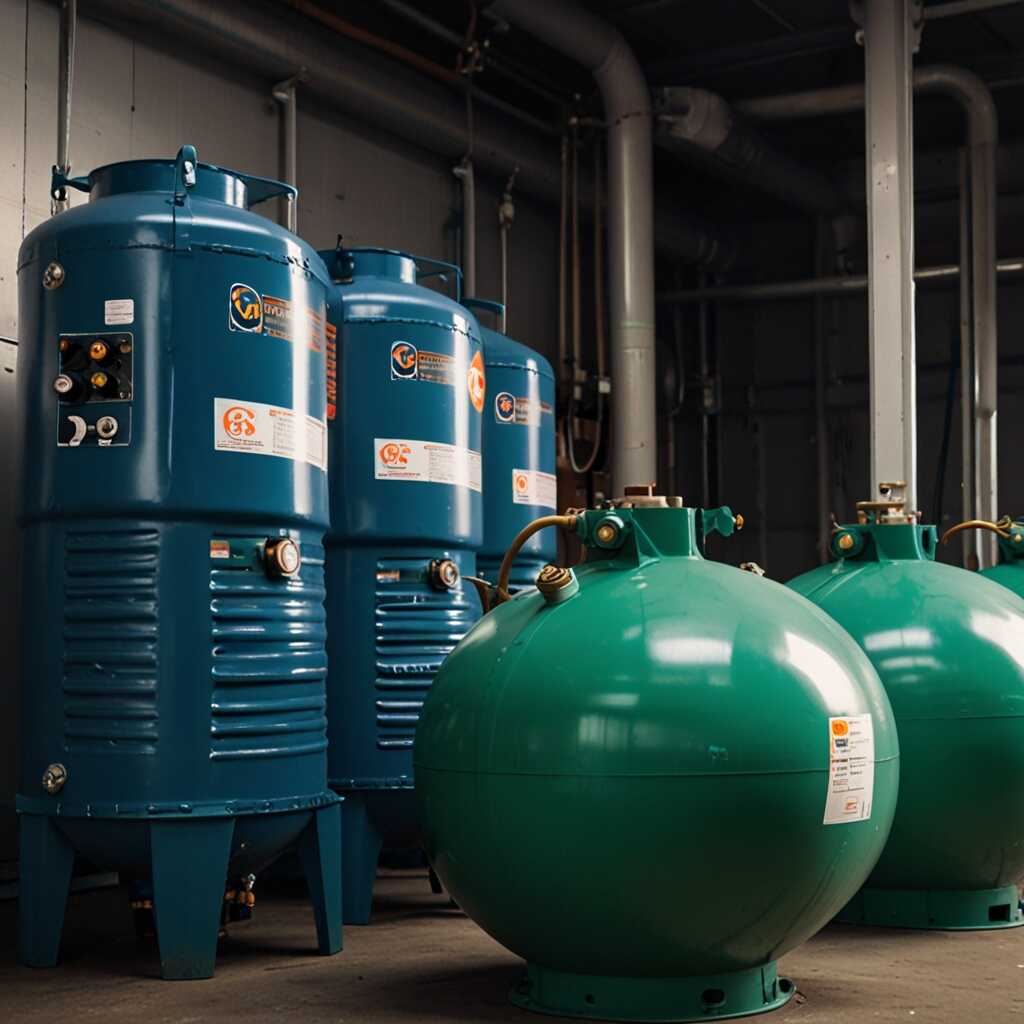
To connect a refrigerant recovery machine properly, begin by identifying the refrigerant type in the system using pressure-temperature charts or electronic identifiers. Next, select the appropriate refrigerant recovery machine based on refrigerant compatibility and ensure all equipment is rated for the specific refrigerant’s pressure requirements. Attach the center hose from your manifold gauges to the recovery machine’s inlet port, ensuring connections are tight but not over-torqued. Connect the recovery machine to the refrigerant system’s service valves using color-coded hoses (blue for low side, red for high side). Finally, connect the recovery machine’s outlet to an appropriate recovery cylinder, verifying the cylinder is labeled for the specific refrigerant type.
Critical Connection Points and Verification Steps
Before starting recovery operations, proper verification of all connections helps ensure safe and efficient refrigerant transfer. First, perform a nitrogen pressure test on all connections to detect potential leaks, watching for pressure drops over several minutes. Check that all hose gaskets are present and in good condition, replacing any worn or damaged seals immediately. Verify that your recovery machine features durable quick-connect fittings that create reliable seals without excessive force. Open valves slowly to prevent liquid slugging, which can damage recovery machine compressors. Monitor manifold gauges throughout the connection process to ensure pressures remain within safe operating ranges for your specific equipment.
Tools and Equipment Needed for Proper Connection
- EPA-certified recovery machine compatible with target refrigerant types
- High-pressure recovery hoses with proper temperature and pressure ratings
- Manifold gauge set with low-loss fittings to minimize refrigerant release
- DOT-approved recovery cylinders with current hydrostatic test dates
- Electronic leak detector for verifying connection integrity
- Torque wrench for achieving proper fitting tightness without damage
- Personal protective equipment including safety glasses and gloves
Common Connection Mistakes That Lead to Cross-Contamination
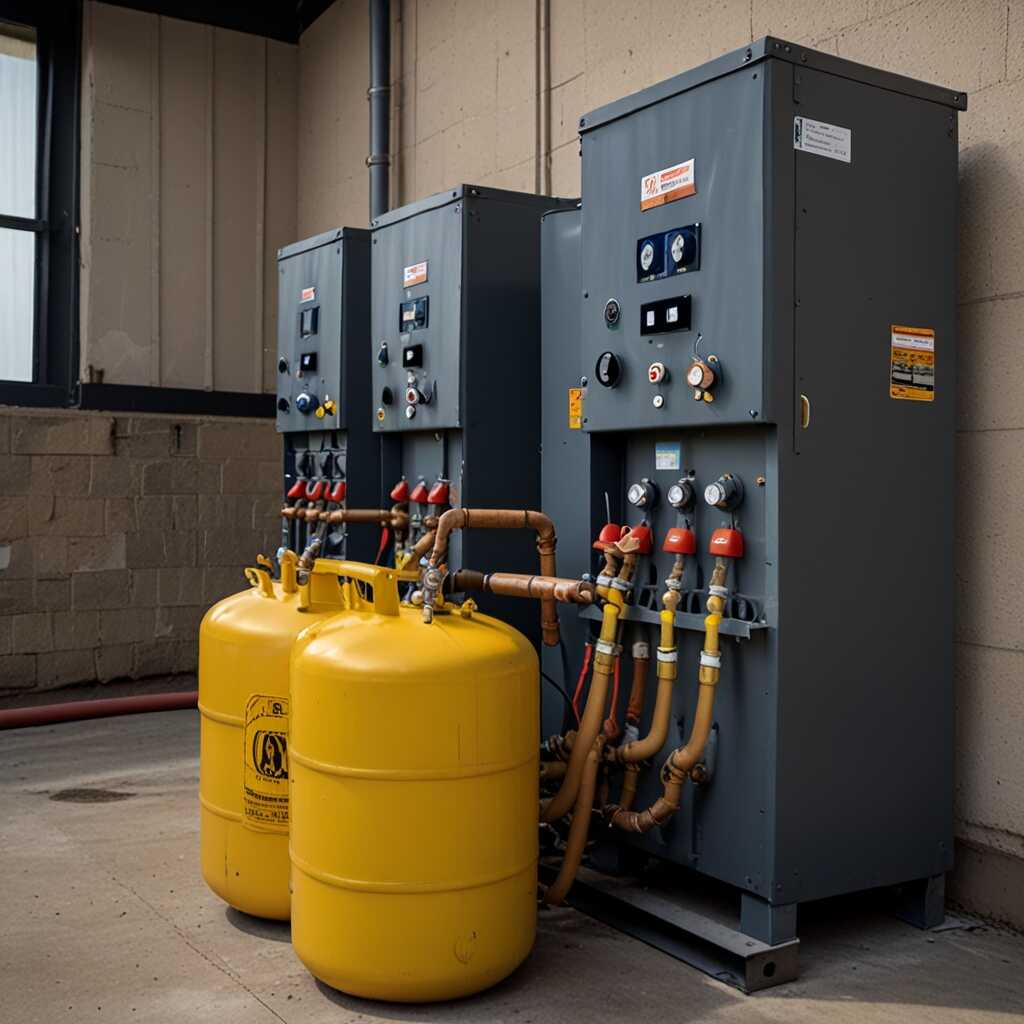
HVAC technicians frequently make several connection errors that increase cross-contamination risks during refrigerant recovery. The most common mistake involves using the same recovery equipment for different refrigerant types without proper cleaning between uses. Another critical error occurs when technicians mix hose sets between different refrigerants, allowing residual refrigerant in hoses to contaminate the next recovery operation. Inadequate purging of recovery machines between different refrigerant types leaves contaminating residues in the system. Additionally, using recovery cylinders previously containing different refrigerants without proper evacuation creates contamination opportunities.
Best Practices for Avoiding Connection Errors
Preventing connection errors requires systematic approaches and dedicated equipment for different refrigerant types. Label all hoses, gauges, and recovery equipment clearly with the refrigerant type they’re designated for, using color-coding systems or permanent markers. Maintain separate tool sets for each major refrigerant category, particularly keeping R-410A equipment separate from R-22 equipment. Always verify refrigerant type before connecting any recovery equipment, using pressure-temperature relationships or electronic analyzers. Implement a connection checklist that technicians must complete before starting recovery, ensuring all steps are followed consistently. Regular training on proper connection procedures enhances technician awareness of contamination risks.
How to Identify Cross-Contamination in Recovery Operations
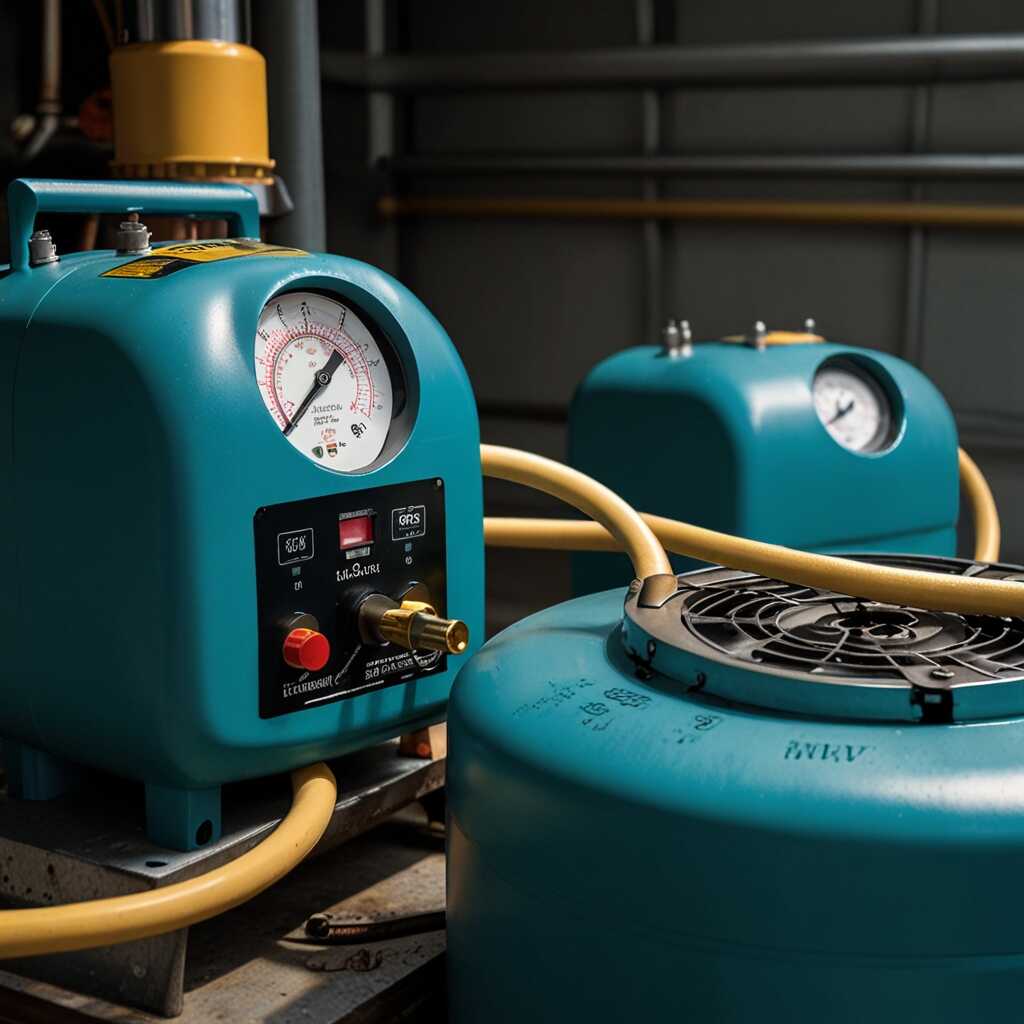
Cross-contamination signs in refrigerant recovery operations manifest through several observable indicators that alert technicians to potential problems. Abnormal pressure readings that don’t match expected pressure-temperature relationships for the supposed refrigerant type indicate possible contamination. Unusual odors emanating from recovery equipment or refrigerant suggest chemical reactions between incompatible refrigerants. Visual indicators include oil discoloration, excessive foaming in sight glasses, or unexpected frost patterns on system components. System performance issues such as inadequate cooling, compressor short-cycling, or unusually high discharge temperatures often result from refrigerant contamination.
Testing Methods for Detecting Refrigerant Contamination
Several testing methods help technicians identify refrigerant contamination before it causes system damage or regulatory violations. Refrigerant identifiers use infrared technology to analyze refrigerant composition, detecting contamination levels as low as two percent in many cases. Pressure-temperature chart comparisons reveal discrepancies between actual readings and expected values for pure refrigerants. Acid test kits detect contamination-induced chemical reactions that produce acids harmful to system components. Temperature glide measurements identify abnormal temperature differences between liquid and vapor phases, indicating mixed refrigerants. Regular testing during recovery operations helps catch contamination early, preventing its spread to other equipment or systems.
Benefits of Proper Connection Procedures
- Maintains refrigerant purity for effective system operation and recyclability
- best practices improves system efficiency and extends equipment lifespan significantly
- Ensures compliance with EPA Section 608 regulations and avoids costly penalties
- Reduces equipment damage risks from incompatible refrigerant mixtures
- Protects technician safety by preventing unexpected chemical reactions
- Preserves refrigerant value for reclamation and recycling programs
- Maintains professional reputation through quality workmanship standards

Why Regular Cleaning Prevents Cross-Contamination in Recovery Equipment
Regular cleaning of refrigerant recovery machines eliminates residual refrigerants and contaminants that accumulate during normal operations. Refrigerant residues remain in compressor oil, internal piping, and filter elements after each recovery operation, creating contamination sources for subsequent uses. Oil changes remove dissolved refrigerants and moisture that compromise recovery efficiency and purity. Filter replacements eliminate trapped contaminants and particulates that restrict flow and harbor refrigerant residues. Proper cleaning schedules based on usage frequency prevent contamination buildup before it affects recovery operations.
Maintenance Schedule for Maximum Equipment Reliability
Establishing a comprehensive maintenance schedule ensures refrigerant recovery machine operates at peak efficiency while preventing cross-contamination. Daily maintenance includes checking oil levels, inspecting hose conditions, and verifying gauge accuracy before each use. Weekly tasks involve cleaning external surfaces, checking belt tension on belt-driven units, and testing safety devices like pressure switches. Monthly maintenance requires changing filters, checking electrical connections, and calibrating gauges against known standards. Quarterly service includes complete oil changes, deep cleaning of internal components, and replacing worn seals or gaskets. Annual maintenance involves professional inspection, compressor performance testing, and replacement of wear items according to manufacturer specifications.
Current Regulations Governing Refrigerant Recovery Connections
HVAC professionals must comply with EPA Section 608 regulations that mandate proper refrigerant handling procedures to prevent atmospheric releases. These regulations require technicians to use certified recovery equipment that meets specific efficiency standards for different appliance categories. Commercial refrigeration systems require recovery to specific vacuum levels before opening systems for service. The regulations specify that recovery equipment must be tested and certified by EPA-approved laboratories. Technicians must maintain records documenting recovery operations, including dates, refrigerant types, and quantities recovered. State and local regulations may impose additional requirements beyond federal standards.
Compliance Requirements for Different System Types
Different HVAC system types have varying regulatory requirements for refrigerant recovery based on their charge sizes and applications. Small appliances containing less than five pounds of refrigerant allow simplified recovery procedures using system-dependent equipment. Commercial and industrial systems require active recovery machines capable of achieving deeper vacuum levels. Transport refrigeration systems have unique requirements due to their mobile nature and potential for refrigerant releases during transit. High-pressure appliances using refrigerants like R-410A require equipment rated for higher operating pressures. Very high-pressure appliances with refrigerants like CO2 need specialized recovery equipment designed for extreme pressures. Understanding these distinctions ensures proper equipment selection and regulatory compliance.
Equipment Recommendations by Application Type
- Residential HVAC systems benefit from portable single-refrigerant recovery units
- Commercial refrigeration requires high-capacity machines with oil separation
- Automotive service needs compact units designed for mobile refrigerants
- Industrial applications demand heavy-duty machines with high flow rates
- Specialty applications may require explosion-proof equipment for hazardous locations
- Multi-family properties benefit from versatile multi-refrigerant capable units
- Emergency service trucks need lightweight, reliable portable recovery equipment
Best Practices for Maintaining Connection Integrity During Recovery
Maintaining connection integrity throughout refrigerant recovery to enhance safety and efficiency requires attention to multiple factors. Proper hose routing prevents kinking and stress on connections that could cause leaks or disconnections during operation. Using hose stands or supports reduces strain on fitting connections, particularly important for longer recovery operations. Regular connection monitoring during recovery identifies developing leaks before significant refrigerant loss occurs. Implementing lockout/tagout procedures prevents accidental valve operation that could release refrigerant or damage equipment. These practices ensure safe, efficient recovery while protecting both technicians and the environment.
Safety Protocols for High-Pressure Recovery Operations
High-pressure refrigerant recovery demands enhanced safety protocols to protect technicians from potential hazards. Always verify system pressures before connecting recovery equipment, allowing high-pressure systems to equalize naturally when possible. Use pressure-limiting devices to prevent over-pressurization of recovery equipment not rated for extreme pressures. Position yourself and bystanders away from potential failure points like hose connections and cylinder valves during initial connection. Wear appropriate personal protective equipment including safety glasses, gloves, and closed-toe shoes throughout the recovery process. Never exceed manufacturer-specified pressure ratings for any component in the recovery system. Following these protocols prevents injuries while ensuring successful recovery operations.