Acid test features in refrigerant recovery machines detect harmful acid contamination that damages HVAC components through corrosion. These detection capabilities use chemical indicators and sensors to identify acid presence before major system failure occurs. Recovery machines equipped with acid testing typically cost more than basic models but acid testing can enhance refrigerant management and prevent expensive compressor replacements. At Refrigerant Recovery Pro, we provide essential guidance for HVAC professionals who want to maximize equipment performance and protect their systems.
Understanding Refrigerant Recovery Machines and Their Core Functions
Refrigerant recovery machines safely extract refrigerants from HVAC systems during service, repair, or decommissioning. These specialized machines contain essential components including recovery compressors, condensers, storage tanks, and control valves that work together to capture refrigerant vapors and liquids. Modern recovery units must meet EPA requirements for efficiency and often include additional features like acid detection, moisture indicators, and digital gauges. Professional-grade recovery equipment typically processes refrigerant at rates between one to five pounds per minute, depending on system conditions and machine specifications.
Essential Components of Professional Recovery Equipment
Professional refrigerant recovery equipment integrates multiple systems to ensure safe and efficient operation. The recovery compressor serves as the heart of the machine, creating the pressure differential needed to extract refrigerant from HVAC systems. Condensers cool the compressed refrigerant vapor back into liquid form for storage, while recovery cylinders hold the reclaimed refrigerant. Control manifolds allow technicians to monitor pressures and direct refrigerant flow during recovery operations. Modern machines often include diagnostic features that detect refrigerant quality issues, including acid contamination, moisture content, and non-condensable gases. These integrated testing capabilities help technicians make informed decisions about refrigerant reuse or disposal.
How Acid Contamination Threatens HVAC System Components
Acid formation in refrigerant systems occurs when moisture combines with refrigerant and oil under high temperatures, creating corrosive compounds. This contamination process accelerates when systems experience compressor burnout, as the intense heat breaks down refrigerant molecules and lubricating oils into acidic byproducts. Common sources of moisture infiltration include improper evacuation procedures, system leaks, and contaminated refrigerant from previous services. The resulting acids attack copper windings in compressors, corrode valve seats, and degrade system seals. Refrigerants like R-22, R-410A, and R-134a can all develop acid contamination, though older systems using mineral oil tend to experience more severe acid formation than newer systems with POE oils.
Recognizing Early Warning Signs of Acid Damage
Early detection of acid contamination prevents catastrophic system failures and reduces repair costs significantly. Visual indicators include discolored refrigerant oil, which changes from clear or light amber to dark brown or black as acid levels increase. Copper plating on compressor components signals advanced acid damage, as acids dissolve copper from system piping and deposit it on steel surfaces. Performance symptoms include reduced cooling capacity, increased operating pressures, and unusual compressor noises. Recovery machines with integrated acid testing capabilities allow technicians to quantify contamination levels before these visible signs appear. Refrigerant Recovery Pro recommends implementing routine acid testing as part of preventive maintenance programs to catch contamination early.
Technical Operation of Acid Detection Systems in Recovery Machines
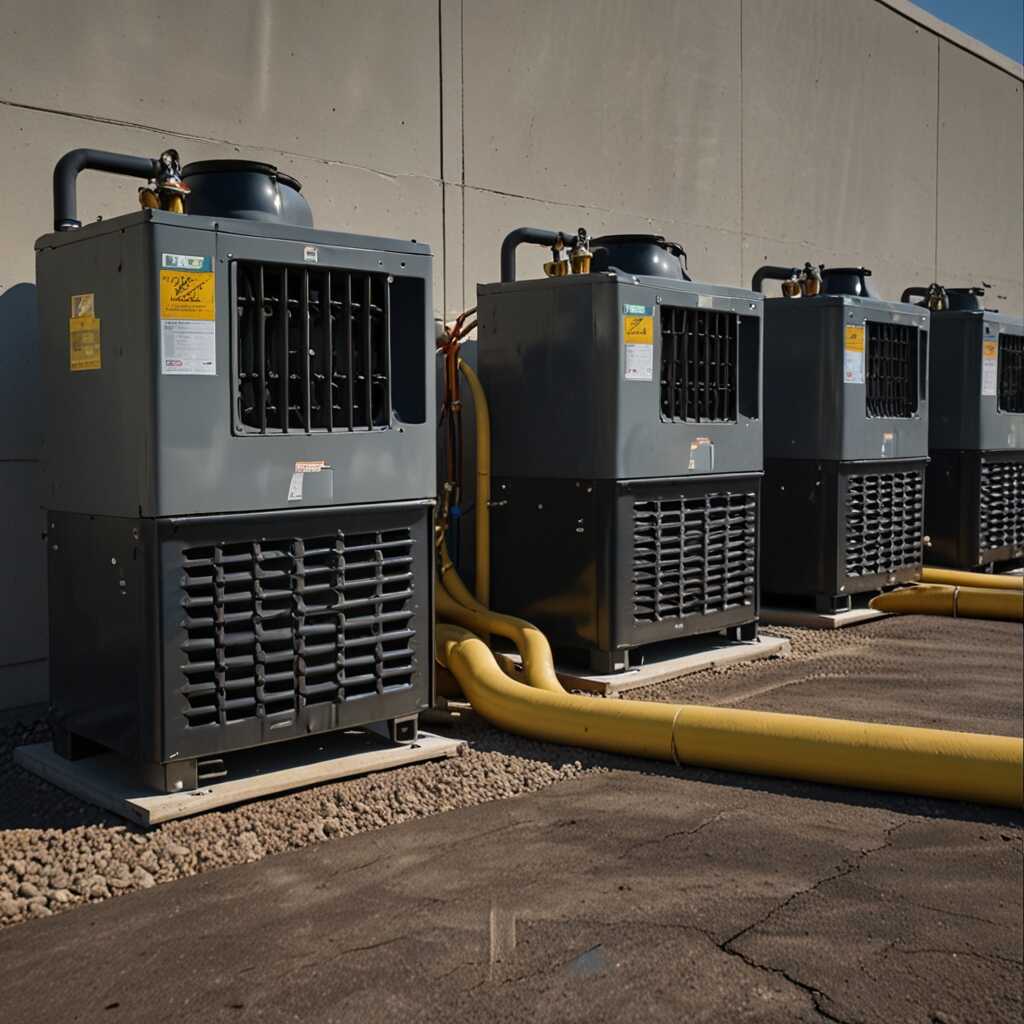
Acid test features in refrigerant recovery machines employ colorimetric testing or electronic sensors to measure acid concentration in recovered refrigerant. Colorimetric systems use reagent tubes that change color when exposed to acidic refrigerant, providing visual indication of contamination levels through comparison with reference charts. Electronic acid sensors utilize pH-sensitive electrodes or ion-selective membranes to generate electrical signals proportional to acid concentration. During recovery operations, these systems continuously sample refrigerant flowing through the machine, alerting technicians when acid levels exceed safe thresholds. Most professional-grade machines display acid readings in parts per million (PPM) and trigger alarms when contamination reaches levels that could damage system components.
Interpreting Acid Test Results for System Decisions
Understanding acid test readings helps technicians make critical decisions about system service and refrigerant handling. Acid levels below 50 PPM generally indicate acceptable refrigerant quality for most applications, though some manufacturers specify stricter limits for warranty compliance. Readings between 50 and 100 PPM suggest developing contamination that requires monitoring and possible system flushing. Measurements exceeding 100 PPM typically mandate complete refrigerant replacement and thorough system cleaning to prevent component damage. Recovery machines with digital displays often include trending features that track acid levels over time, helping identify systems with chronic contamination issues. These diagnostic capabilities enable data-driven maintenance decisions that optimize system reliability while controlling service costs.
Critical Factors Affecting Acid Formation Rates
- System operating temperature directly influences acid formation speed and severity
- Moisture content above manufacturer specifications accelerates chemical breakdown
- Compressor motor burnouts create intense localized heat that rapidly generates acids
- Mixed refrigerants or contaminated oils increase chemical instability
- Poor evacuation practices leave moisture that converts to acid over time
- System age correlates with seal degradation and moisture infiltration risk
- Refrigerant type affects acid formation potential and detection requirements
Financial and Operational Benefits of Acid-Testing Recovery Equipment
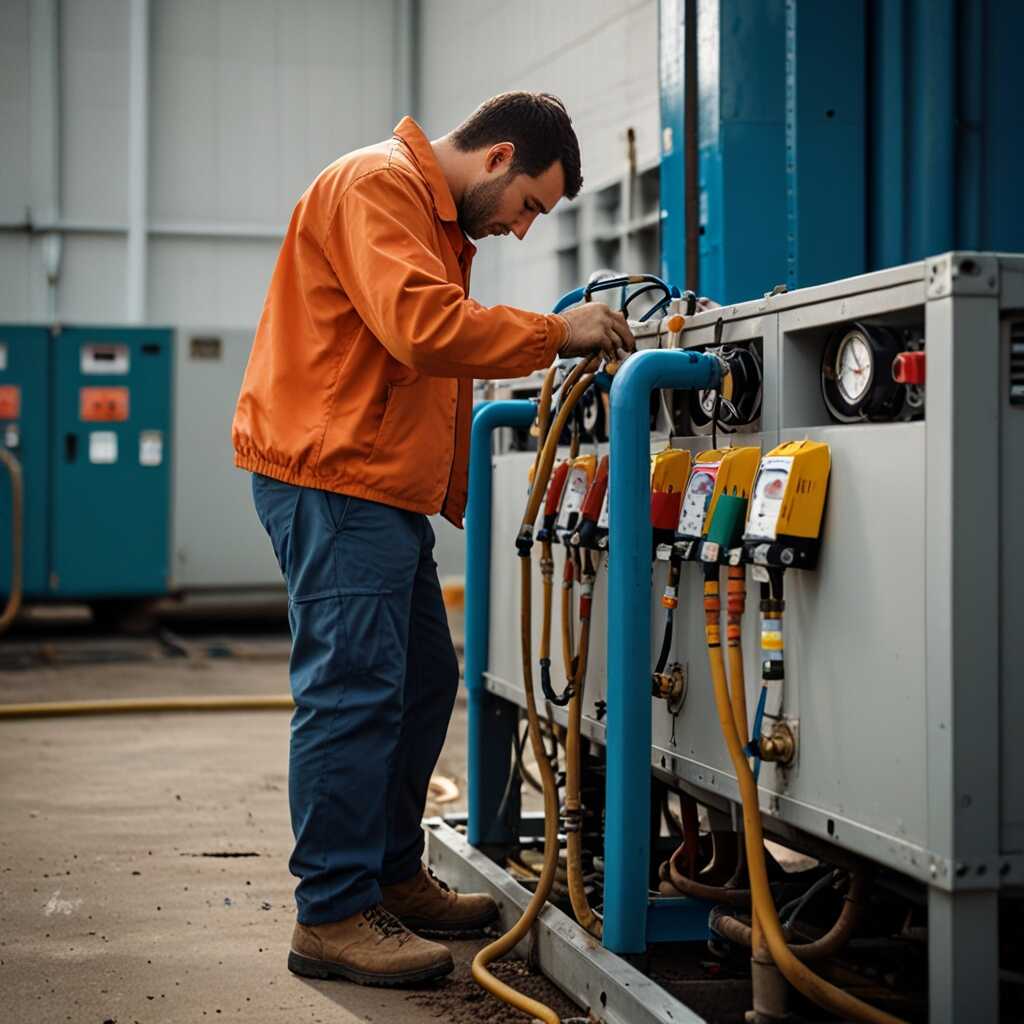
Recovery machines with integrated acid detection capabilities deliver measurable benefits through early problem identification and preventive maintenance support. These machines eliminate the need for separate acid test kits, saving technicians time during service calls while providing more frequent contamination monitoring. Early acid detection prevents compressor failures that typically cost thousands of dollars to repair, especially in commercial systems where downtime creates additional losses. The ability to document refrigerant quality helps service companies demonstrate professional practices to customers and supports warranty claims when contamination causes equipment failure. Many insurance providers recognize acid testing as a risk reduction measure, potentially lowering premiums for contractors who implement comprehensive testing protocols.
Calculating Return on Investment for Advanced Recovery Equipment
Professional recovery machines with acid testing features typically cost between several hundred to a few thousand dollars more than basic models, depending on additional capabilities and brand reputation. This investment often pays for itself by preventing a single major compressor failure, which can range from moderate costs for residential units to substantial expenses for commercial systems. Labor savings accumulate as technicians complete acid tests during routine recovery operations rather than performing separate procedures. Enhanced diagnostic capabilities also reduce callback rates by identifying contamination issues before they cause system failures. Service companies report that advanced recovery equipment helps justify premium service pricing by demonstrating sophisticated diagnostic capabilities to customers who value preventive maintenance.
EPA Requirements and Industry Standards for Refrigerant Recovery
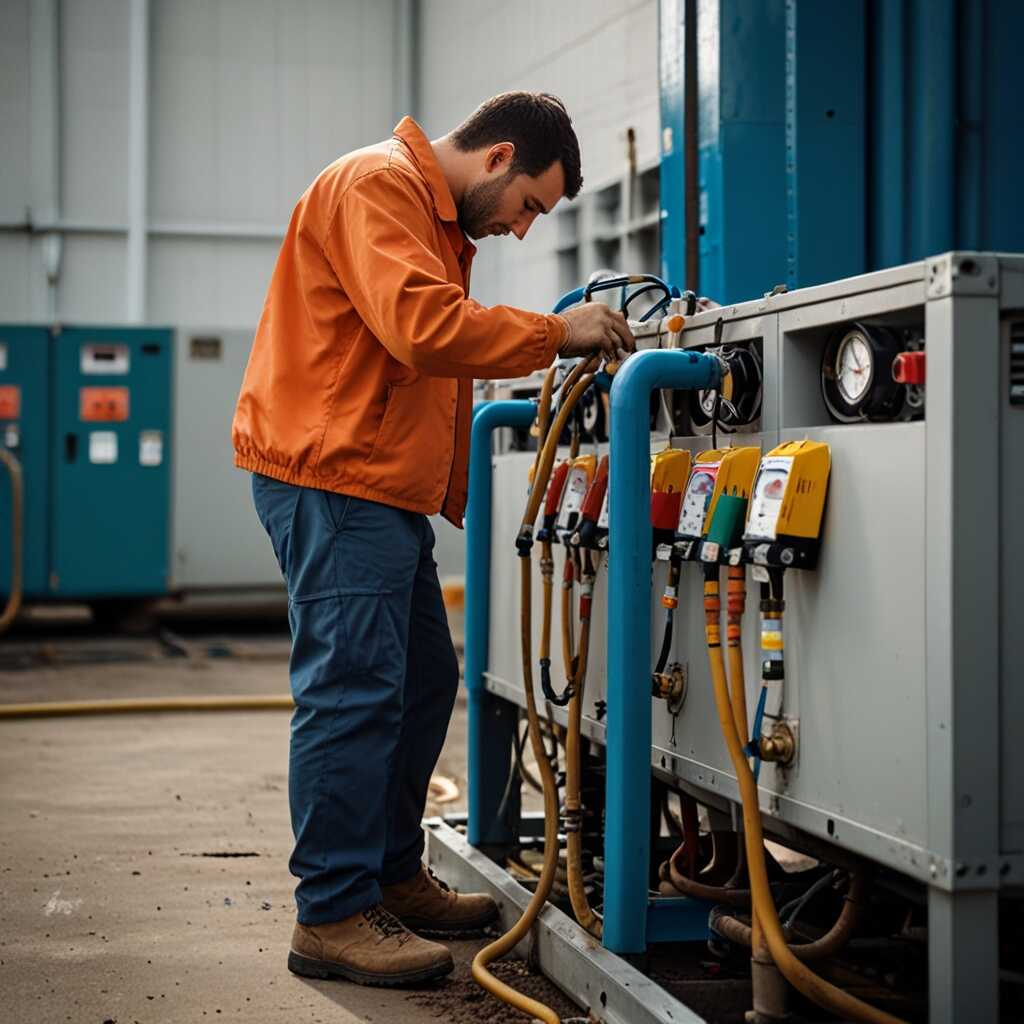
The Environmental Protection Agency mandates specific recovery efficiency levels under Section 608 of the Clean Air Act, requiring technicians to recover refrigerant to prescribed vacuum levels before opening systems. For systems containing less than 200 pounds of refrigerant, recovery must achieve 80% efficiency for most refrigerant types, while larger systems require 90% recovery efficiency. These regulations apply to all refrigerant types except those specifically exempted, with stricter requirements for very high-pressure refrigerants. Industry organizations including AHRI establish additional standards for recovery equipment performance and testing procedures. Compliance with recovery regulations ensures environmental protection while avoiding substantial fines that can reach tens of thousands of dollars per violation.
Documentation Requirements for Regulatory Compliance
Proper documentation proves regulatory compliance and protects service companies during EPA inspections or customer disputes. Recovery logs must include the date, location, technician certification number, equipment type, refrigerant type and quantity, and recovery machine model used. When acid contamination is detected, documentation should note contamination levels, actions taken, and customer notifications provided. Electronic recovery machines often include data logging features that automatically record recovery parameters, simplifying compliance documentation. Many contractors find that comprehensive documentation enhances their professional reputation and supports premium pricing for thorough service practices. Digital record-keeping systems integrate with service management software to streamline compliance tracking across multiple technicians and job sites.
Equipment Features That Support Regulatory Compliance
- Automatic shut-off prevents over-filling recovery cylinders beyond legal limits
- Digital gauges provide accurate pressure readings for verifying required recovery levels
- Self-clearing features minimize cross-contamination between different refrigerant types
- Data logging capabilities document recovery parameters for compliance records
- High-efficiency compressors achieve mandated recovery rates within reasonable timeframes
- Multi-refrigerant compatibility reduces equipment needs while maintaining compliance
- Integrated scale systems ensure accurate measurement of recovered refrigerant quantities
Critical Mistakes That Compromise Recovery Machine Performance
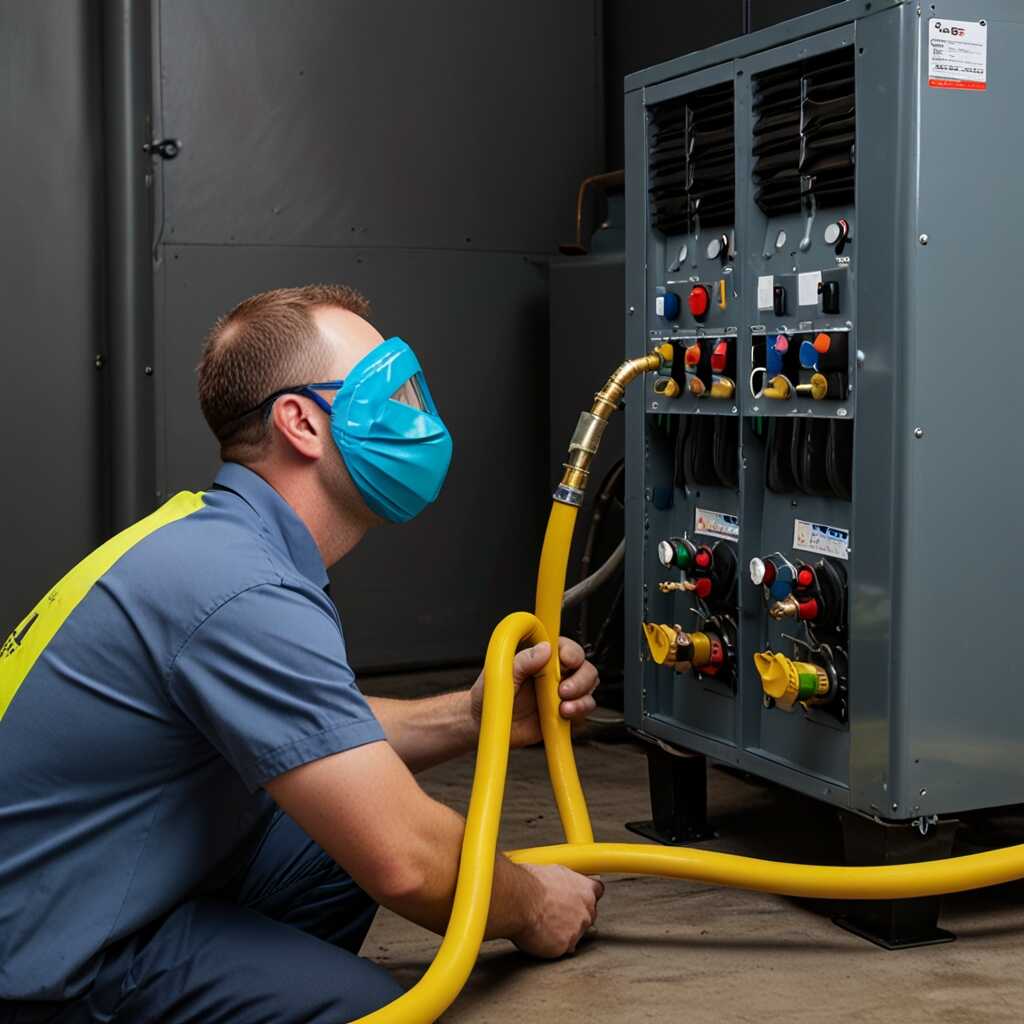
Technicians frequently compromise recovery efficiency by neglecting basic maintenance procedures on their equipment. Failing to change recovery machine oil according to manufacturer specifications allows contaminants to accumulate, reducing pump efficiency and potentially damaging internal components. Improper hose connections create leaks that violate EPA regulations while extending recovery times unnecessarily. Many technicians skip acid testing when systems appear to operate normally, missing early contamination that could be addressed before major damage occurs. Using undersized or inappropriate recovery equipment for specific refrigerant types leads to excessive recovery times and potential equipment damage, particularly with high-pressure refrigerants that require specialized machines.
Establishing Effective Recovery Machine Maintenance Protocols
Consistent maintenance protocols extend recovery machine life while ensuring reliable performance during critical service calls. Daily maintenance includes checking oil levels, inspecting hose connections for wear, and verifying gauge accuracy against known references. Weekly tasks involve cleaning intake filters, testing safety switches, and documenting any unusual operating characteristics. Monthly maintenance should include complete oil changes for machines in heavy use, deep cleaning of condensers, and calibration checks on electronic sensors. Annual professional servicing addresses internal wear items like compressor valves and seals that affect recovery efficiency. Maintaining detailed service logs helps identify developing problems before they cause field failures.
Real-World Examples of Acid Contamination System Failures
Systems without proper acid monitoring often experience catastrophic failures that could have been prevented through routine testing. Commercial refrigeration systems are particularly vulnerable due to their continuous operation and multiple compressors that can contaminate an entire system when one fails. A typical scenario involves a minor compressor issue creating initial acid formation, which then accelerates as the acid attacks system components, leading to complete system failure. Grocery stores and restaurants face significant losses when acid contamination causes refrigeration failures, as product loss often exceeds equipment repair costs. Recovery machines equipped with acid detection help identify these developing problems during routine service, allowing preventive repairs before catastrophic failures occur.
Implementing Preventive Maintenance Based on Acid Testing Data
Systematic acid testing creates valuable trending data that guides preventive maintenance decisions for HVAC systems. Technicians should establish baseline acid levels for each system during initial service visits, then track changes over time to identify deterioration patterns. Rising acid levels often indicate developing problems like failing compressor windings or chronic moisture infiltration that require investigation. Systems showing stable low acid levels may qualify for extended maintenance intervals, while those with increasing contamination need more frequent monitoring. This data-driven approach optimizes maintenance spending by focusing resources on systems most likely to fail. Service agreements that include regular acid testing command premium pricing due to their effectiveness in preventing unexpected failures.
Equipment Considerations for Different Service Applications
- Residential service technicians benefit from portable units with basic acid detection
- Commercial service requires high-capacity machines with advanced diagnostics
- Industrial applications demand explosion-proof equipment with precise contamination measurement
- Refrigerated transport services need compact machines with vehicle power compatibility
- Supermarket technicians require multi-refrigerant capability with contamination tracking
- HVAC contractors should consider machines with data logging for warranty documentation
- Educational institutions need durable equipment with clear displays for training purposes
Advanced Technologies Enhancing Refrigerant Recovery Capabilities
Recent innovations in refrigerant recovery technology focus on improving contamination detection accuracy and recovery efficiency. Spectroscopic acid sensors provide real-time analysis without chemical reagents, reducing operating costs while delivering laboratory-grade accuracy. Wireless connectivity enables recovery machines to transmit operational data to cloud-based service management systems, creating comprehensive maintenance histories for customer systems. Automated refrigerant identification prevents mixing of incompatible refrigerants while ensuring proper recovery procedures for each type. Variable-speed compressor technology optimizes recovery rates based on system conditions, reducing energy consumption while maintaining EPA-mandated efficiency levels.
Integration of IoT Technology in Recovery Equipment
Internet-connected recovery machines transform service operations through remote monitoring and predictive maintenance capabilities. These advanced systems track machine usage patterns and alert service managers when preventive maintenance is due, reducing equipment downtime. Cloud-based data storage creates permanent records of all recovery operations, simplifying regulatory compliance while providing valuable business intelligence. Mobile apps allow technicians to access equipment manuals, troubleshooting guides, and contamination thresholds directly from their smartphones during service calls. Predictive analytics identify patterns in acid formation across similar systems, helping technicians anticipate problems before they impact customers. As technology costs decrease, these advanced features are becoming available in mid-range recovery machines suitable for most service applications.