Refrigerant recovery machines are specialized HVAC equipment that safely extract refrigerants from cooling systems during service or decommissioning. Selection depends on system type: residential split systems typically require portable units handling R-410A, while commercial installations need higher-capacity machines for R-404A refrigerants. Choosing the right refrigerant recovery machines involves evaluating flow rates (usually 3-10 pounds per minute), EPA compliance requirements, portability factors (ranging from 25-70 pounds), and cost considerations (typically $300-3000). Performance testing methodology reveals critical differences between models, helping technicians match equipment to specific HVAC applications.
What Are Refrigerant Recovery Machines and Their Core Functions?
Refrigerant recovery machines are essential tools that extract refrigerant from HVAC systems through specialized valves and compressors. These machines work by creating pressure differentials that draw refrigerant from system components into recovery cylinders, preventing atmospheric release. The primary benefits include regulatory compliance with EPA requirements (mandating 90% recovery rates), environmental protection through proper refrigerant handling, and operational efficiency by enabling system maintenance without refrigerant loss. Refrigerant recovery machines are crucial for technicians servicing residential, commercial, and industrial cooling systems, with features varying based on application requirements.
How Do Recovery Machines Work in Different HVAC Applications?
Recovery machines operate through vapor recovery, liquid recovery, or push-pull methods depending on system requirements and refrigerant state. The process involves connecting manifold gauges to system service ports, attaching recovery hoses to the machine, and activating pumps that create negative pressure. Recovery speeds vary from 3-10 pounds per minute based on machine capacity and refrigerant type. For residential split systems, technicians typically use single-phase portable units, while commercial applications require three-phase machines with higher flow rates. The recovery process continues until system pressure reaches EPA-mandated vacuum levels, ensuring complete refrigerant extraction.
What Are the Benefits of Proper Recovery Machine Selection?
The primary benefits of selecting appropriate recovery machines include faster service completion (reducing job times by 30-50%), regulatory compliance avoiding potential fines (ranging from $1,000-37,500 per violation), and enhanced equipment longevity through proper refrigerant management. Properly matched machines enable technicians to handle multiple refrigerant types efficiently, reducing equipment investment needs. Additional advantages encompass improved workplace safety through automated shut-off features, reduced environmental impact by preventing refrigerant release (each pound of R-410A saved equals removing one car from roads for six months), and increased customer satisfaction through professional service delivery. Comprehensive performance analysis demonstrates how proper selection directly impacts operational efficiency.
Who Should Use Different Types of Recovery Machines?
Residential HVAC contractors typically benefit from portable recovery machines weighing 30-45 pounds with flow rates around 3-5 pounds per minute, suitable for R-410A and R-22 systems. Commercial service companies require mid-range units (45-60 pounds) handling 5-8 pounds per minute for larger systems using R-404A or R-134a. Industrial refrigeration specialists need heavy-duty machines exceeding 60 pounds with flow rates above 8 pounds per minute for ammonia or large-volume systems. Mobile technicians prioritize lightweight units under 35 pounds with battery operation options, while facility maintenance teams benefit from stationary high-capacity systems for frequent use.
How to Categorize HVAC Systems for Recovery Machine Selection?
HVAC system categorization begins with identifying system type, refrigerant used, and capacity requirements. Split systems, representing most residential installations, contain 3-15 pounds of refrigerant and require machines compatible with R-410A or older R-22. Packaged units, common in light commercial applications, hold 15-50 pounds and often use R-410A or R-404A. Understanding refrigerant capacity and specific recovery machine requirements ensures proper equipment matching. VRF (Variable Refrigerant Flow) systems need specialized machines handling higher pressures and multiple connection points. Chiller systems require industrial-grade recovery equipment managing hundreds of pounds of refrigerant efficiently.
What Key Features Define Different HVAC System Types?
Split systems feature separate indoor and outdoor components connected by refrigerant lines, typically serving single zones with 5-20 ton capacities. These systems use scroll or reciprocating compressors with operating pressures between 150-300 PSI. Selecting the most effective refrigerant recovery equipment requires understanding that packaged rooftop units integrate all components in weatherproof cabinets, serving multiple zones with 3-50 ton capacities. Commercial systems often incorporate economizers, variable-speed drives, and sophisticated controls requiring recovery machines with precise pressure monitoring. Using Refrigerant Recovery Pro’s expert guidance helps technicians navigate these system variations effectively.
What Performance Metrics Matter When Evaluating Recovery Machines?
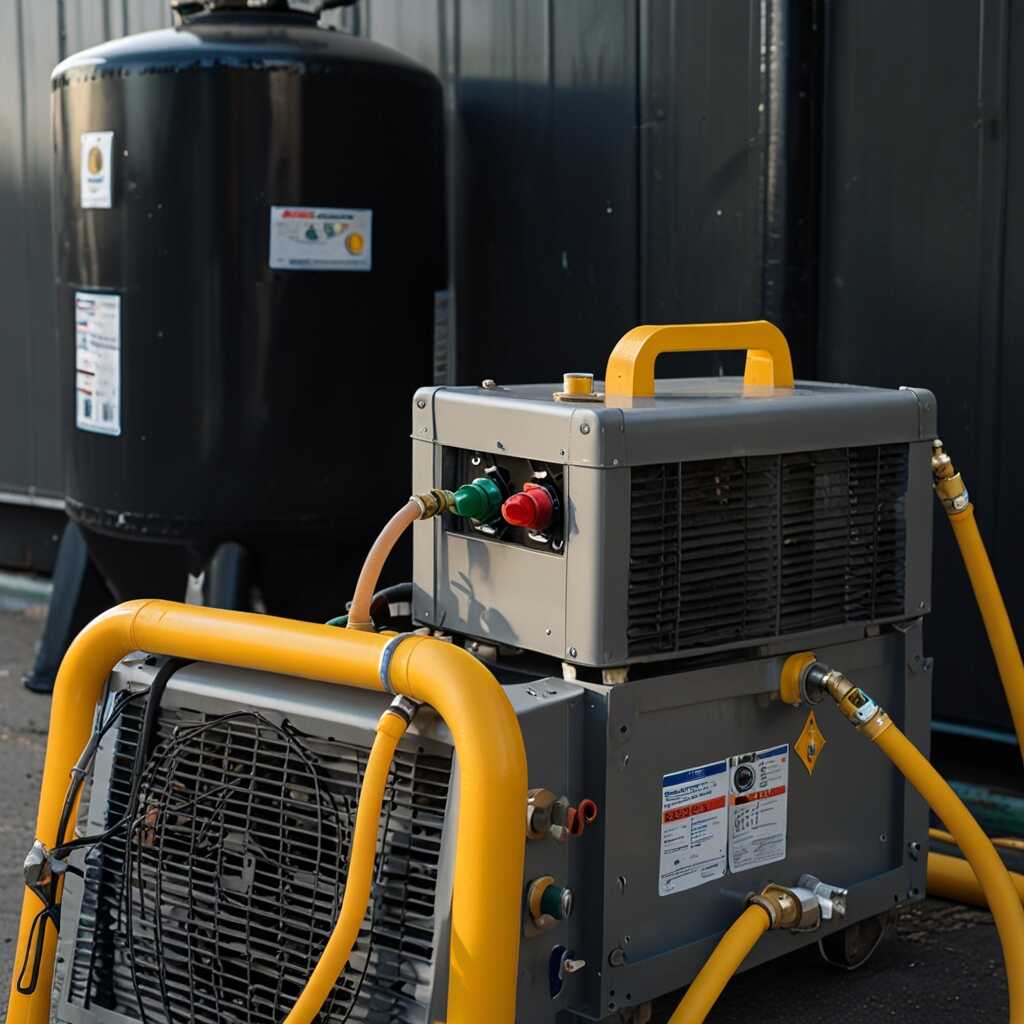
Critical performance metrics for recovery machines include flow rates (measured in pounds per minute), ultimate vacuum levels (measured in microns), and recovery efficiency percentages. Flow rates typically range from 3-10 PPM for standard machines, with commercial units achieving higher rates through dual-piston designs. Vacuum capabilities should reach 500 microns or lower for proper system evacuation. Recovery efficiency, indicating refrigerant captured versus total system charge, must exceed EPA’s 90% requirement. Additional metrics encompass operating temperature ranges (usually 32-120°F), maximum working pressures (400-600 PSI), and electrical requirements (115V or 230V single/three-phase).
How Do Flow Rates Impact Recovery Time and Efficiency?
Flow rates directly determine recovery duration, with higher rates reducing service time significantly. A reliable recovery machine can handle varying flow rates based on refrigerant temperature and system pressure. Machines rated at 3 PPM typically recover 10 pounds in 3-4 minutes under ideal conditions, while 8 PPM units complete the same task in under 2 minutes. Flow rates decrease with lower ambient temperatures or when recovering liquid refrigerant, requiring technicians to adjust expectations. Variable-speed machines offer flexibility by adapting flow rates to system conditions, maintaining efficiency across different scenarios while preventing compressor damage from liquid slugging.
Key Specifications for Recovery Equipment Selection
- Weight ranges vary significantly, with portable models starting at 25 pounds for residential use
- Recovery rates span from 0.5 pounds per minute for small units to 10+ PPM for industrial machines
- Operating pressure capabilities typically range from vacuum to 400-600 PSI maximum
- Equipment costs for quality recovery machines range from $500 for basic models to $5,000 for advanced units
- Recovery tank capacities vary from 30-pound DOT cylinders to 1,000-pound industrial vessels
- Power requirements differ between 115V/15A residential units and 230V/30A commercial machines
- Warranty periods typically extend from 1 year for economy models to 5 years for premium brands
What Regulatory Requirements Govern Recovery Machine Selection?
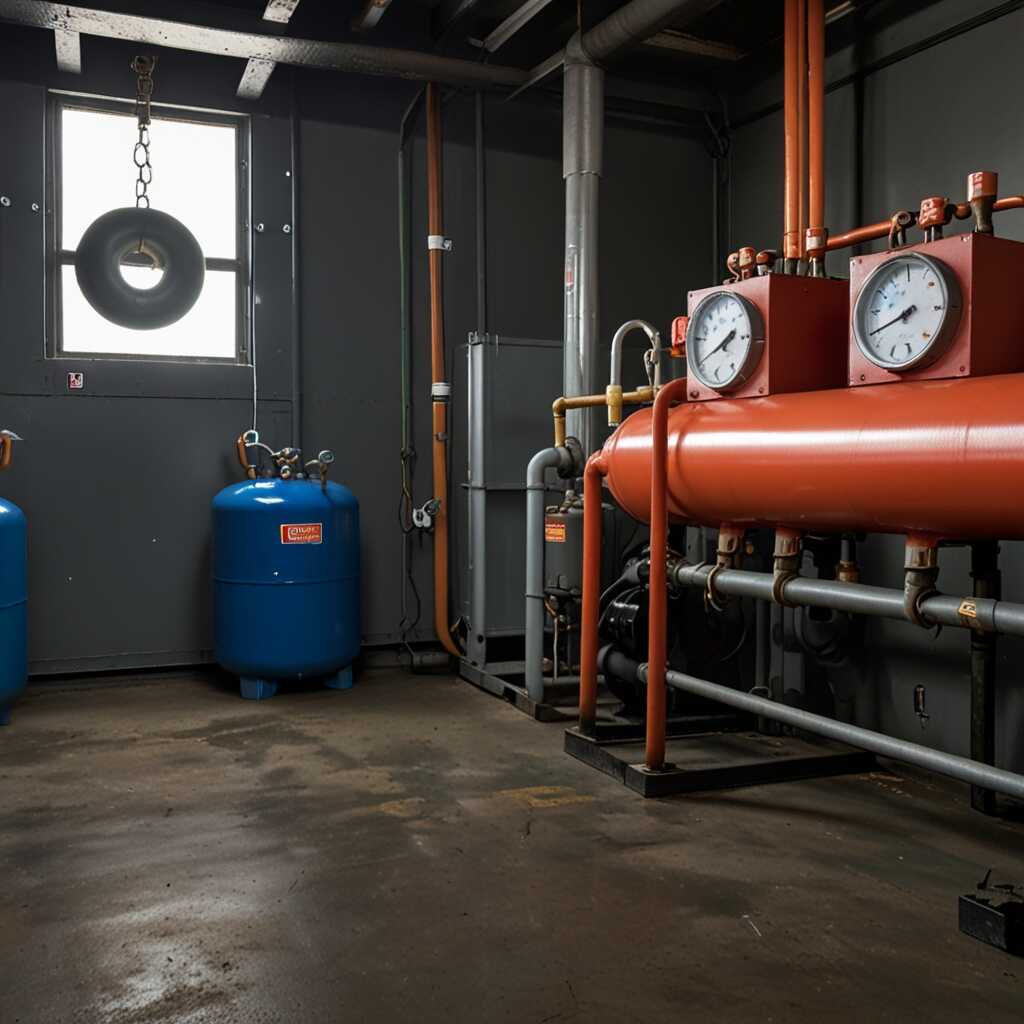
EPA Section 608 regulations mandate specific recovery levels based on system type and refrigerant quantity. Regulations for refrigerant recovery equipment require achieving 90% recovery for systems containing over 200 pounds, 80% for smaller commercial systems, and specific vacuum levels for different appliance categories. Recovery machines must carry EPA certification demonstrating compliance through third-party testing. Regulations also specify technician certification requirements, with Type I for small appliances, Type II for high-pressure systems, Type III for low-pressure equipment, and Universal covering all categories. State regulations may impose additional requirements, particularly in California under CARB rules.
How to Ensure EPA Compliance When Selecting Recovery Machines?
Selecting EPA-compliant refrigerant recovery machines requires verifying certification labels displaying test results from approved laboratories. Machines must demonstrate ability to achieve mandated vacuum levels: 10 inches Hg for standard systems, 15 inches for high-pressure equipment, and 25 inches for low-pressure systems. Compliance extends beyond equipment to proper cylinder management, requiring DOT-approved tanks with current hydrostatic testing. Documentation requirements include maintaining recovery logs, equipment service records, and technician certification copies. Understanding safety requirements ensures both compliance and workplace protection.
How Much Do Recovery Machines Cost and What Affects Pricing?
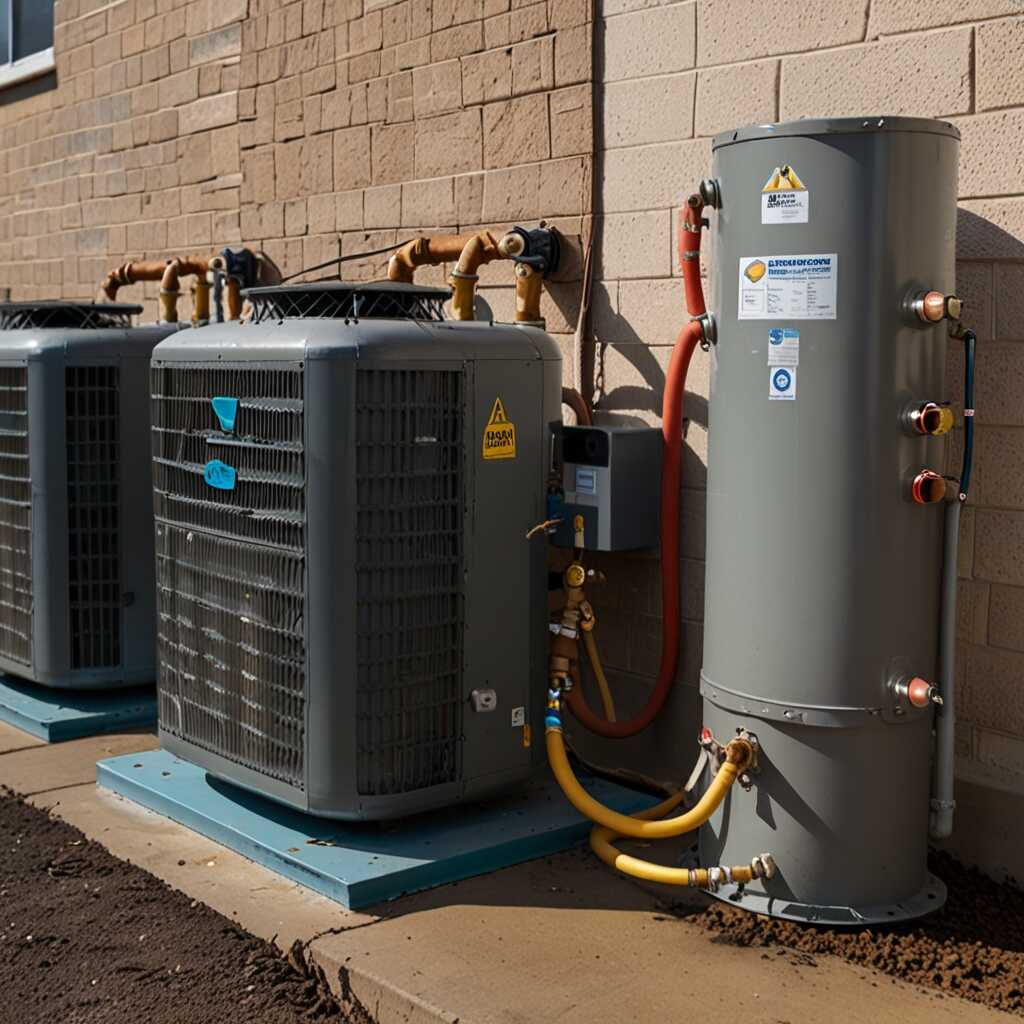
Recovery machine costs vary substantially based on capacity, features, and intended use. Entry-level portable units for residential work typically cost $300-800, offering basic functionality with manual controls. Mid-range machines suitable for light commercial applications range from $800-2000, featuring digital gauges and automatic shut-off. Professional-grade equipment costs $2000-5000, providing high flow rates, dual refrigerant capability, and advanced diagnostics. Detailed price analysis reveals cost factors including compressor type, construction materials, included accessories, and warranty coverage. Operating costs encompass filter replacements ($20-50), annual maintenance ($100-300), and electricity consumption.
What Long-Term Savings Justify Initial Investment?
Quality recovery machines deliver return on investment through multiple channels. Time savings from faster recovery rates (reducing 30-minute jobs to 10 minutes) translate to increased daily service capacity. Refrigerant Recovery Pro analysis demonstrates that efficiency improvements enable technicians to complete 2-3 additional service calls daily, potentially generating $500-1000 in extra revenue. Reduced refrigerant loss through better recovery efficiency saves $50-200 per job on refrigerant costs. Avoiding EPA fines, which start at $1000 for minor violations, provides additional financial protection. Premium machines lasting 10-15 years versus 3-5 years for economy models reduce replacement frequency.
Cost-Benefit Factors for Recovery Machine Selection
- Initial investment ranges from $300 for basic units to $5000 for advanced commercial machines
- Annual maintenance costs typically run between $100-500 depending on usage intensity
- Filter replacement expenses average $20-50 per change, required every 20-50 recovery jobs
- Time savings can increase daily revenue by $300-1000 through improved efficiency
- Refrigerant conservation saves $50-200 per service call by minimizing losses
- EPA compliance protects against fines ranging from $1000 to $37,500 per violation
- Equipment lifespan varies from 3 years for economy models to 15 years for premium units
When Does Portability Matter for Recovery Machine Selection?
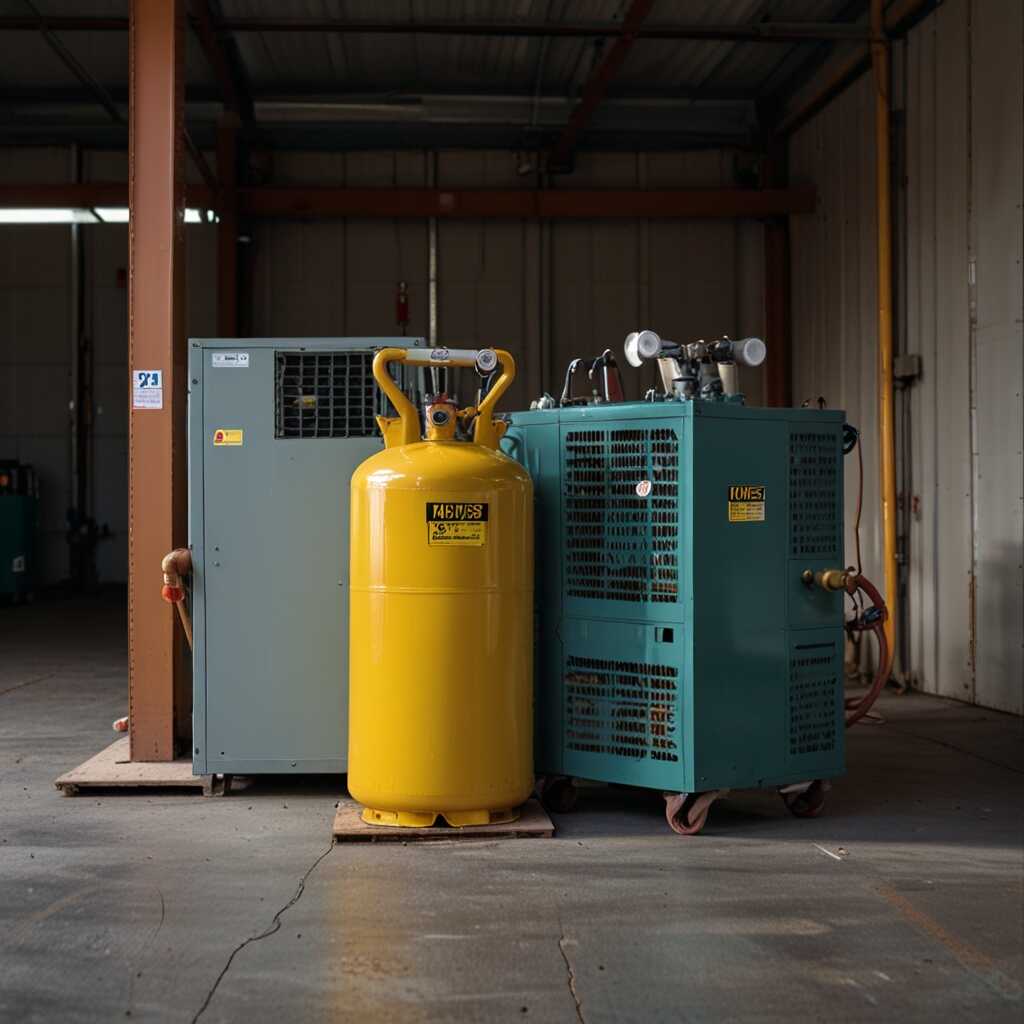
Portability becomes critical when technicians service multiple locations daily or work in confined spaces. Weight considerations for portable refrigerant recovery machines directly impact technician fatigue and injury risk, with units under 35 pounds enabling single-person carrying. Machines weighing 35-50 pounds typically include wheels or carts for easier transport. Compact dimensions matter for rooftop access, mechanical rooms, and residential attics where space constraints exist. Battery-powered options eliminate cord management issues and enable recovery in locations without convenient power access, though they typically offer reduced flow rates compared to corded models.
How Does Machine Size Affect Different Service Scenarios?
The size of refrigerant recovery machines significantly influences service efficiency across various job sites. Residential service benefits from ultra-portable units (25-35 pounds) fitting through standard doorways and navigating stairs easily. Commercial rooftop work requires balanced consideration between portability and capacity, with 40-50 pound units offering optimal compromise. Industrial facilities often accommodate larger stationary units (60-100 pounds) providing maximum flow rates for high-volume recovery. Transport considerations include vehicle storage space, lifting equipment availability, and site access restrictions affecting machine selection.
What Are Common Mistakes When Selecting Recovery Machines?
Common selection mistakes include choosing machines based solely on price without considering total ownership costs, leading to frequent replacements and higher long-term expenses. Underestimating capacity requirements results in extended recovery times and technician frustration, particularly when residential contractors attempt commercial work with inadequate equipment. Ignoring refrigerant compatibility causes damage when machines designed for specific refrigerants encounter incompatible types. Overlooking certification requirements leads to compliance violations and potential fines. Failing to consider future needs results in premature obsolescence as business grows or regulations change.
What Are the Limitations of Different Recovery Machine Types?
Key limitations of recovery machines include temperature sensitivity, with most units experiencing reduced efficiency below 50°F ambient conditions. Portable units sacrifice flow rate for weight reduction, typically maxing out at 5 PPM compared to 10+ PPM for stationary models. Single-refrigerant machines cannot handle emerging blends without cross-contamination risks. Budget models often lack oil-less compressors, requiring frequent maintenance and filter changes. Vacuum limitations prevent some machines from achieving deep evacuation levels needed for critical applications. Power requirements restrict high-capacity units to locations with appropriate electrical service.
How Do Expert Reviews and Recommendations Guide Selection?
Expert reviews help technicians select reliable refrigerant recovery equipment by providing real-world performance data beyond manufacturer specifications. Professional evaluations test machines under various conditions, revealing strengths and weaknesses not apparent in marketing materials. Comprehensive comparison tables highlight key differences between models, enabling informed decisions based on specific needs. Industry forums and trade publications offer peer insights about long-term reliability, parts availability, and manufacturer support quality. Certification body reports provide objective performance verification against regulatory standards.
What Role Does Customer Feedback Play in Equipment Selection?
Customer feedback reveals practical insights about refrigerant recovery machine performance under daily use conditions. Users report actual recovery times versus manufacturer claims, durability issues emerging after extended use, and ease of maintenance procedures. Common feedback themes include noise levels affecting customer relations, reliability of electronic components, and adequacy of included accessories. Negative reviews often highlight warranty claim difficulties or parts availability problems. Positive feedback typically emphasizes consistent performance, responsive manufacturer support, and value retention for equipment resale.
Alternative Approaches to Recovery Equipment Acquisition
- Equipment rental offers flexibility for occasional use at $50-150 per day rates
- Lease programs provide updated equipment access with monthly payments from $100-500
- Shared ownership between contractors reduces individual investment while maintaining availability
- Refurbished units offer 40-60% savings compared to new equipment with limited warranties
- Recovery service contractors handle refrigerant management for businesses preferring outsourcing
- Trade-in programs allow upgrading equipment while recovering 20-40% of original investment
- Manufacturer financing spreads costs over 12-60 months with competitive interest rates
Why Is Training Essential for Recovery Machine Operation?
Proper training maximizes recovery machine efficiency while ensuring safety and regulatory compliance. Comprehensive programs covering equipment operation, maintenance procedures, and troubleshooting techniques typically require 8-24 hours depending on complexity. Training addresses refrigerant identification, proper hose connections, gauge interpretation, and recovery procedures for different system types. Safety protocols include personal protective equipment use, cylinder handling, and emergency procedures. EPA certification training ensures understanding of environmental regulations and legal requirements. Manufacturer-specific training optimizes equipment performance and maintains warranty coverage.
What Training Methods Prove Most Effective for Technicians?
Effective training combines classroom instruction with hands-on practice using actual recovery equipment. Initial sessions cover theoretical knowledge including refrigeration cycles, pressure-temperature relationships, and regulatory requirements. Practical exercises involve connecting equipment to training systems, performing recoveries under supervision, and troubleshooting common problems. Video resources supplement live training by demonstrating proper techniques repeatedly. Ongoing education through manufacturer webinars, trade association seminars, and online courses maintains current knowledge as technology advances. Mentorship programs pairing experienced technicians with newcomers accelerate skill development through real-world application.