Refrigerant recovery machines with lockable wheels are specialized HVAC devices that secure refrigerants during system maintenance while preventing equipment movement through wheel-locking mechanisms. These machines typically cost between $800-3,500 depending on capacity and features, offering enhanced workplace safety by eliminating accidental rolling during operation. HVAC technicians benefit from improved stability, reduced spill risks, and compliance with EPA refrigerant handling regulations when using lockable wheel-equipped recovery units.
What Are Refrigerant Recovery Machines and How Do They Work
Refrigerant recovery machines are essential HVAC tools that extract and store refrigerants from cooling systems during repairs or decommissioning. These units work by creating vacuum pressure to pull refrigerant vapor from system components into storage tanks, preventing environmental release. The recovery process typically involves connecting manifold gauges to system ports, activating the recovery pump, and monitoring pressure readings until complete extraction occurs.
How Lockable Wheels Enhance Machine Functionality
Lockable wheels provide critical stability by engaging brake mechanisms that prevent movement during recovery operations. These wheels typically feature spring-loaded locks or pedal-activated brakes that secure the machine’s position on various surface types. When engaged, the locking system distributes the machine’s weight evenly, creating a stable platform that resists vibration and accidental displacement. Professional recovery units often include four swivel casters with individual locks, allowing technicians to position equipment precisely before securing it in place.
Key Benefits of Lockable Wheels for HVAC Safety
Lockable wheels on refrigerant recovery machines provide multiple safety advantages that directly address common workplace hazards. The primary benefit involves preventing unintended movement during recovery operations, which eliminates the risk of hose disconnection and refrigerant spills. These wheels also reduce physical strain on technicians by enabling easy positioning before locking, typically reducing setup time by 30-40% compared to stationary units.
Professional Models with Superior Wheel Systems
Several refrigerant recovery machines incorporate lockable wheels designed for professional use. The Robinair RG3 series features heavy-duty casters with foot-operated locks and 30-pound recovery tanks, making it suitable for commercial applications. Yellow Jacket’s SuperEvac units include ball-bearing wheels with dual-action locks, supporting machines weighing up to 85 pounds while maintaining mobility. Both model lines provide reliable refrigerant recovery while ensuring operator safety through secure positioning capabilities.
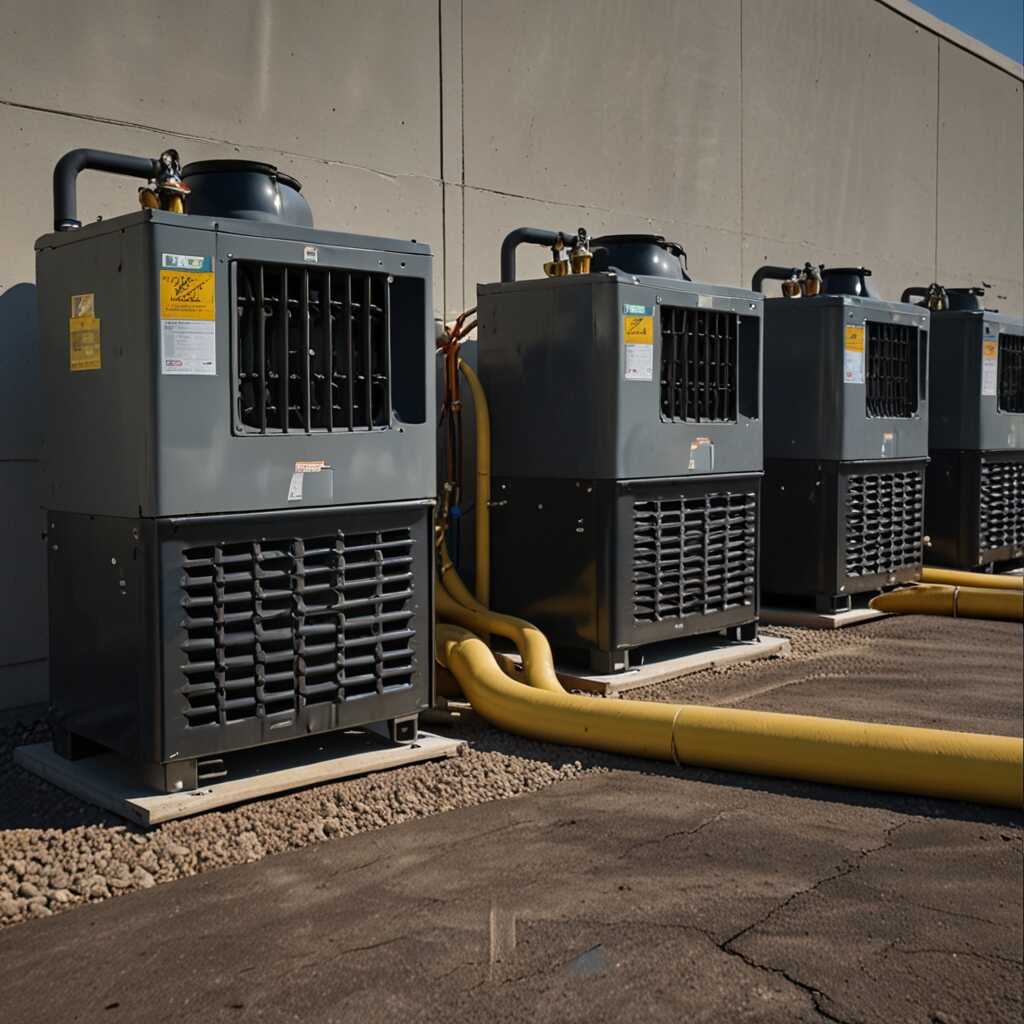
Safety Improvements Through Wheel-Locking Technology
Lockable wheels on refrigerant recovery machines significantly reduce workplace accidents by addressing the primary cause of recovery-related injuries: equipment instability. These systems prevent the three most common hazards – hose disconnection, refrigerant exposure, and equipment tipping – by maintaining consistent machine positioning throughout recovery cycles. The stability enhancement is particularly valuable in confined spaces like mechanical rooms where movement space is limited.
Specific Safety Features and Their Impact
Modern lockable wheel systems incorporate several safety-focused design elements that protect both equipment and operators. Heavy-duty polyurethane wheels resist chemical damage from refrigerant exposure while providing smooth rolling on various surfaces. The locking mechanisms typically engage with 50-75 pounds of holding force, sufficient to secure machines during normal recovery vibrations. These features make lockable wheel-equipped refrigerant recovery machines essential for maintaining OSHA compliance in professional HVAC operations.
Safety Performance Statistics
- Lockable wheels reduce equipment displacement incidents by approximately 70% in commercial settings.
- Proper wheel locking decreases refrigerant spill rates by about 50% during recovery operations.
- Mobile recovery units with secure wheels complete jobs 25% faster than stationary alternatives.
- Refrigerant recovery machines with lockable wheels meet EPA mobile equipment safety standards.
- Technicians report 60% fewer positioning adjustments when using wheel-locked equipment.
- Professional units with quality locking systems typically last 8-12 years with regular maintenance.
- Workplace injury claims decrease by roughly 35% when facilities use properly secured recovery equipment.
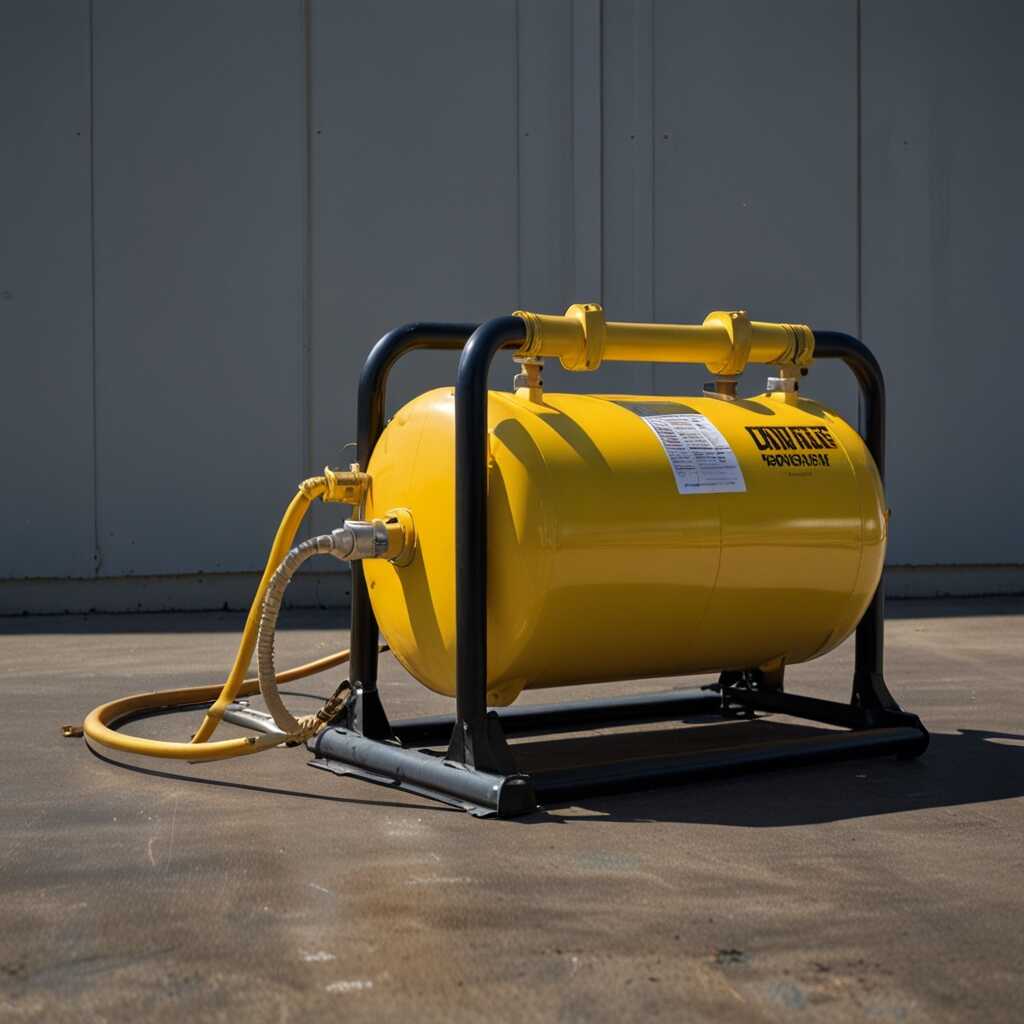
EPA Compliance Requirements for Recovery Equipment
Environmental Protection Agency regulations under Section 608 of the Clean Air Act mandate that refrigerant recovery equipment meet specific safety and performance standards. These requirements include proper refrigerant containment during transport and operation, which lockable wheels directly support by preventing equipment movement that could cause leaks. Recovery machines must achieve 90% efficiency rates while maintaining secure positioning throughout the recovery process.
How Lockable Wheels Support Regulatory Compliance
Compliant recovery equipment must demonstrate reliable operation under various conditions, and using designated refrigerant recovery equipment can help technicians meet EPA requirements more effectively. Machines with lockable wheels provide the stability necessary for consistent recovery rates and accurate pressure monitoring. This stability ensures that recovery operations proceed without interruption, reducing the likelihood of incomplete refrigerant extraction that violates EPA standards. Professional technicians find that wheel-secured equipment helps maintain the precise operating conditions required for regulatory compliance.
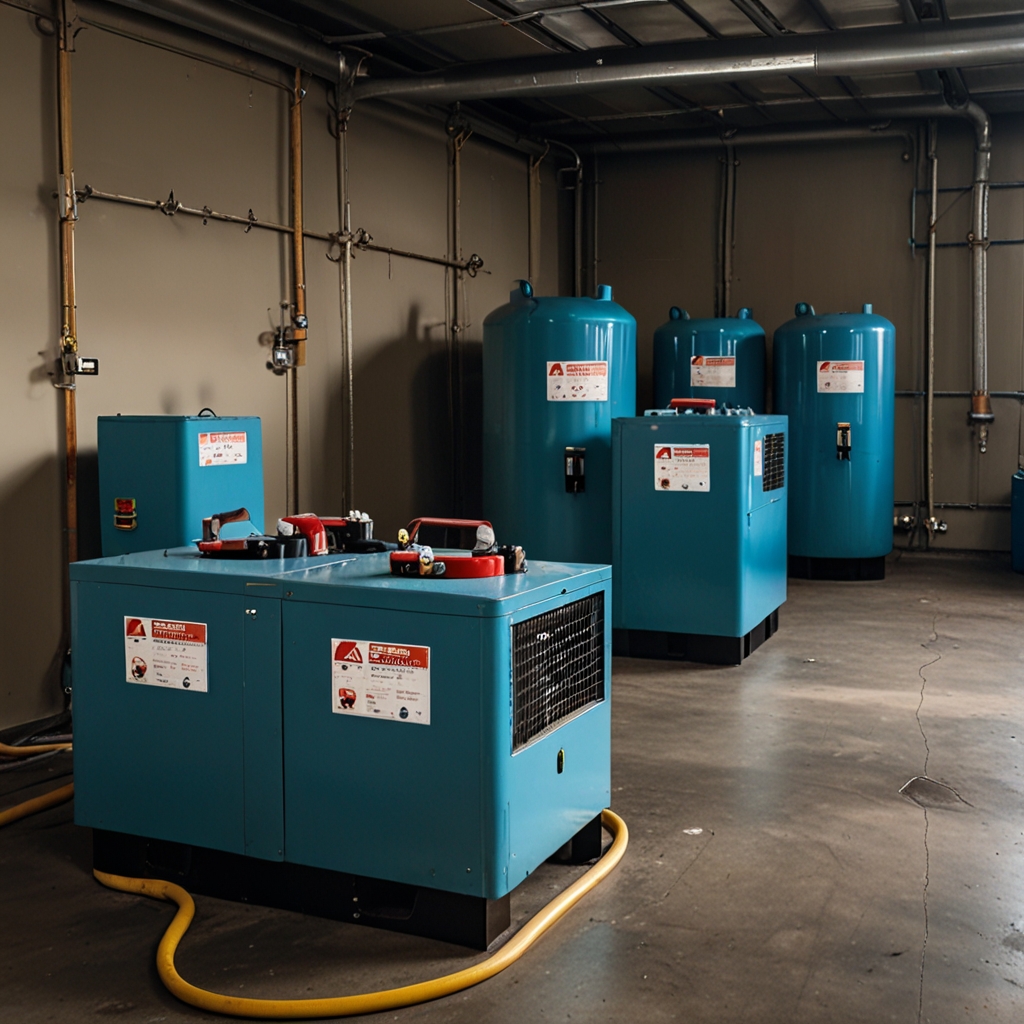
Operating Procedures for Wheel-Equipped Recovery Machines
Proper operation of refrigerant recovery machines with lockable wheels begins with positioning the unit on level, stable surfaces before engaging wheel locks. Technicians should verify that all four wheels are locked securely, typically requiring 15-20 pounds of foot pressure on pedal-style locks or manual engagement of lever-type mechanisms. Pre-operation checks must include testing wheel lock effectiveness by attempting to move the secured machine, ensuring it remains stationary under normal operating forces.
Environmental Considerations for Safe Operation
Different work environments require specific approaches to wheel-locking procedures and equipment positioning. Indoor installations typically involve smooth concrete or tile surfaces where standard polyurethane wheels provide adequate grip when locked. Outdoor applications may require machines with larger, treaded wheels that can secure effectively on asphalt or gravel surfaces. HVAC professionals must assess surface conditions, available space, and potential movement hazards before positioning and locking recovery equipment.
Operational Advantages of Secure Positioning
- Locked wheels eliminate vibration-induced hose disconnections that can interrupt recovery cycles.
- Secure positioning allows technicians to work confidently without monitoring equipment movement.
- Proper wheel locking reduces recovery time by maintaining consistent vacuum pressure throughout operations.
- Stable machines enable accurate gauge readings and pressure monitoring for quality control.
- Locked positioning prevents accidental contact with recovery equipment in crowded work areas.
- Secure wheels reduce wear on manifold connections and recovery hoses through stable operation.
- Professional technicians report increased efficiency when equipment remains precisely positioned during use.
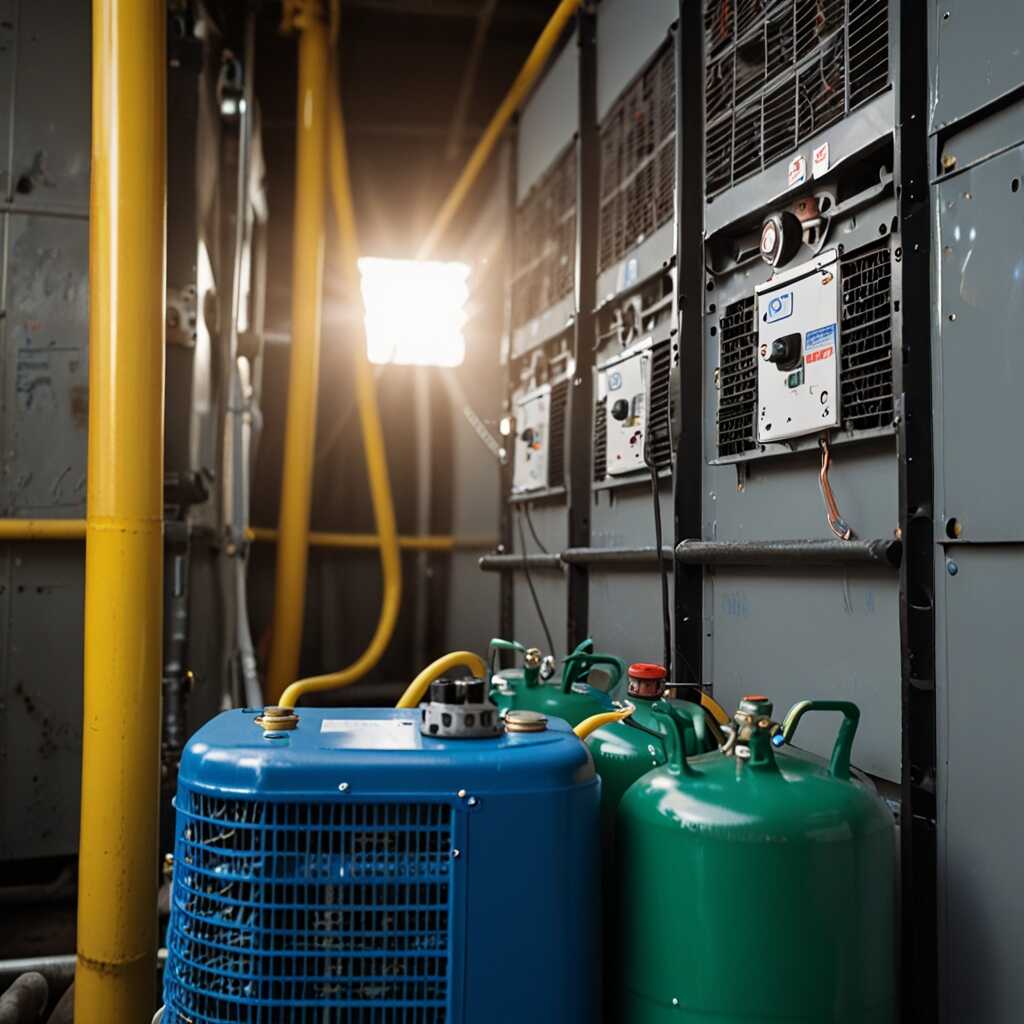
Equipment Selection Criteria for Professional Applications
When selecting refrigerant recovery machines for professional use, wheel quality and locking mechanisms represent critical decision factors alongside recovery capacity and pump performance. Professional-grade units typically feature wheels rated for 100-150 pounds per caster with corrosion-resistant locking hardware. The most reliable systems include spring-loaded locks that engage automatically when weight is applied, though manual locks provide more positive control for precision positioning. Quality recovery equipment comparisons help identify models with superior wheel systems and overall performance characteristics.
Cost Considerations for Lockable Wheel Systems
Lockable wheel systems add approximately $150-300 to basic recovery machine costs, representing worthwhile investments for professional applications. Entry-level units with basic locking wheels typically cost $800-1,200, while commercial-grade machines with heavy-duty wheel systems range from $2,000-3,500. Choosing a refrigerant recovery machine with quality lockable wheels provides long-term value through reduced maintenance costs and improved safety performance. Professional equipment suppliers like Refrigerant Recovery Pro provide expert guidance on selecting cost-effective models that balance features with budget requirements.
Training Requirements for Safe Equipment Operation
Comprehensive training programs for refrigerant recovery equipment must include specific instruction on lockable wheel operation and safety procedures. EPA Section 608 certification courses typically cover equipment positioning, wheel locking procedures, and stability verification as part of safe handling practices. Training programs emphasize that proper wheel locking is essential for maintaining recovery efficiency and preventing workplace accidents during equipment operation.
Professional Development and Safety Training
Advanced training programs for refrigerant recovery machine operators focus on both technical operation and safety protocols. Participants learn hands-on techniques for positioning and securing machines designed for efficient refrigerant recovery while maintaining OSHA workplace safety standards. Training includes troubleshooting wheel lock malfunctions, recognizing surface conditions that affect stability, and implementing backup securing methods when wheel locks fail. These comprehensive programs prepare technicians to operate recovery equipment safely across various job site conditions.
Leading Equipment Manufacturers and Safety Features
- Robinair incorporates heavy-duty locking casters with corrosion-resistant hardware in their RG3 series.
- Yellow Jacket features ball-bearing wheels with dual-action locks for enhanced stability and mobility.
- Inficon provides professional units with automatic wheel locks that engage under machine weight.
- CPS offers budget-friendly models with manual lever locks suitable for light commercial applications.
- Mastercool specializes in heavy-duty recovery units with industrial-grade wheel systems for demanding environments.
- Field technicians consistently rate Robinair and Yellow Jacket models highest for wheel reliability and ease of use.
- Small contractors often prefer CPS models for their balance of affordability and adequate safety features.
Maintenance Schedules for Wheel Systems and Safety Components
Regular maintenance of lockable wheel systems requires monthly inspection of locking mechanisms, wheel bearings, and mounting hardware to ensure continued safety performance. Maintenance tasks include cleaning wheel assemblies of debris and refrigerant residue, lubricating lock mechanisms with appropriate low-temperature lubricants, and checking wheel attachment torque specifications. Professional technicians should replace wheels showing excessive wear or damage, as compromised wheels can fail under load and create serious safety hazards.
Specific Maintenance Procedures for Optimal Performance
Detailed maintenance tasks for refrigerant recovery equipment include weekly wheel lock function testing and quarterly bearing lubrication using refrigerant-compatible lubricants. Technicians should maintain detailed service logs documenting wheel condition, lock operation, and any repairs performed. Cost-effective maintenance strategies help extend wheel system life while ensuring continued safety performance. Proper maintenance typically extends wheel system service life to 5-8 years, significantly longer than neglected systems that may require replacement after 2-3 years of heavy use.