Liquid-vapor switching refrigerant recovery machines significantly improve efficiency by allowing technicians to recover refrigerant in both liquid and vapor states simultaneously. This dual-phase technology typically increases recovery speed by 25-40% compared to single-phase machines. Refrigerant Recovery Pro offers expert guidance on selecting and using these advanced recovery systems for optimal HVAC performance and regulatory compliance.
What is Liquid-Vapor Switching Technology in Refrigerant Recovery
Liquid-vapor switching technology is a dual-phase recovery system that enables refrigerant recovery machines to extract both liquid and vapor refrigerant simultaneously from HVAC systems. Unlike traditional single-phase recovery machines that work in one mode, liquid-vapor switching systems automatically adjust between phases based on system conditions. This technology works by using specialized valves and sensors that detect refrigerant state and direct flow accordingly. The process involves connecting to both liquid and vapor service valves, allowing the machine to recover refrigerant more completely and efficiently than conventional methods.
How Liquid-Vapor Switching Increases Recovery Efficiency
The efficiency increase comes from the machine’s ability to recover refrigerant in its natural state rather than forcing phase changes. Traditional recovery machines often work against system pressure, requiring more time and energy. Liquid-vapor switching technology adapts to system conditions, typically reducing recovery time from 45-60 minutes to 25-35 minutes for standard residential units. This approach also recovers approximately 15-20% more refrigerant from systems, as it can extract liquid from the condenser while simultaneously pulling vapor from the evaporator side.
Key Benefits of Dual-Phase Recovery Systems
The primary benefits of liquid-vapor switching include faster recovery times, more complete refrigerant extraction, and reduced energy consumption. These machines typically consume 20-30% less electricity during operation compared to traditional recovery equipment. Recovery completeness improves significantly, with dual-phase systems extracting 95-98% of available refrigerant versus 85-90% for single-phase machines. Professional recovery machine comparison data shows that liquid-vapor switching technology also reduces compressor stress by working with natural system pressures rather than against them.
Environmental and Compliance Advantages
Environmental benefits include reduced refrigerant emissions and better compliance with EPA Section 608 regulations. The more complete recovery reduces atmospheric releases, helping HVAC technicians avoid fines that typically range from $27,500 to $37,500 per violation. Dual-phase recovery systems also support faster system evacuation, reducing the likelihood of moisture contamination that can damage replacement refrigerants. These machines help meet current regulatory requirements while preparing for stricter future environmental standards.
Who Should Use Liquid-Vapor Switching Machines
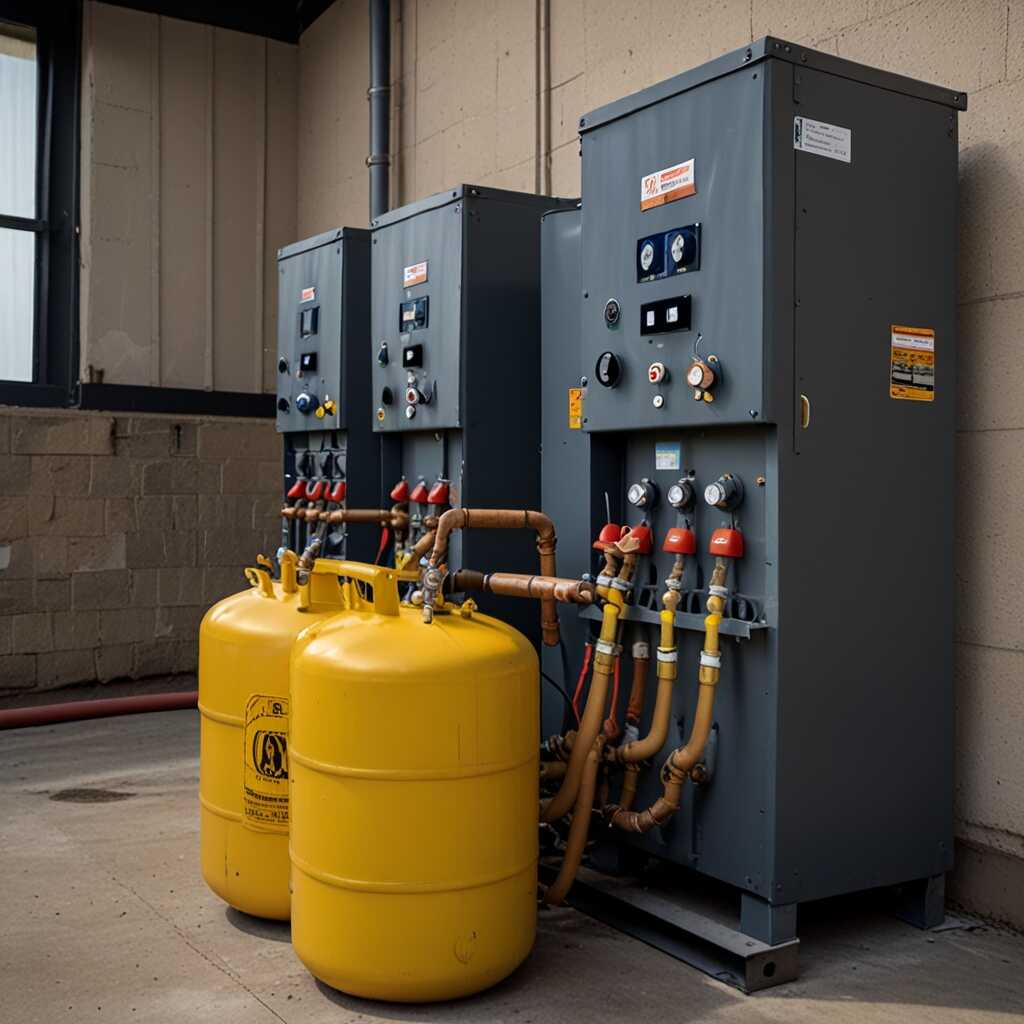
HVAC contractors handling multiple daily recoveries benefit most from liquid-vapor switching technology. Commercial service technicians working on larger systems find the time savings particularly valuable, as these machines can recover 15-25 pounds of refrigerant in 20-30 minutes. Residential technicians benefit from the improved recovery completeness, especially important when working with expensive refrigerants like R-410A or newer alternatives. Small contractors may find the technology worthwhile if they handle 3-5 recovery jobs weekly, while high-volume operations see immediate productivity gains.
When Liquid-Vapor Switching is Most Effective
This technology performs best on systems with substantial refrigerant charges, typically 5 pounds or more. Split systems, package units, and commercial refrigeration applications show the greatest efficiency improvements. The technology is particularly valuable during equipment replacement projects where complete refrigerant recovery is essential. Recovery efficiency data indicates maximum benefits occur with systems that have been properly maintained and have clean refrigerant circuits.
Cost Considerations for Liquid-Vapor Recovery Equipment
- Entry-level dual-phase machines typically cost $2,800-$4,200, compared to $1,800-$2,800 for single-phase units.
- Professional-grade models range from $4,500-$7,500, offering faster recovery and enhanced durability.
- Operating costs decrease by approximately $15-25 per recovery job due to reduced time and energy consumption.
- Payback periods generally range from 6-12 months for contractors performing 2-3 recoveries weekly.
- Maintenance costs remain similar to traditional machines, typically $200-400 annually including filters and oil changes.
- Recovery cylinder costs stay the same, though faster fill times may require additional cylinders for high-volume operations.
- Training costs for technicians usually involve 2-4 hours of equipment familiarization and proper connection procedures.
Limitations and Drawbacks of Dual-Phase Technology
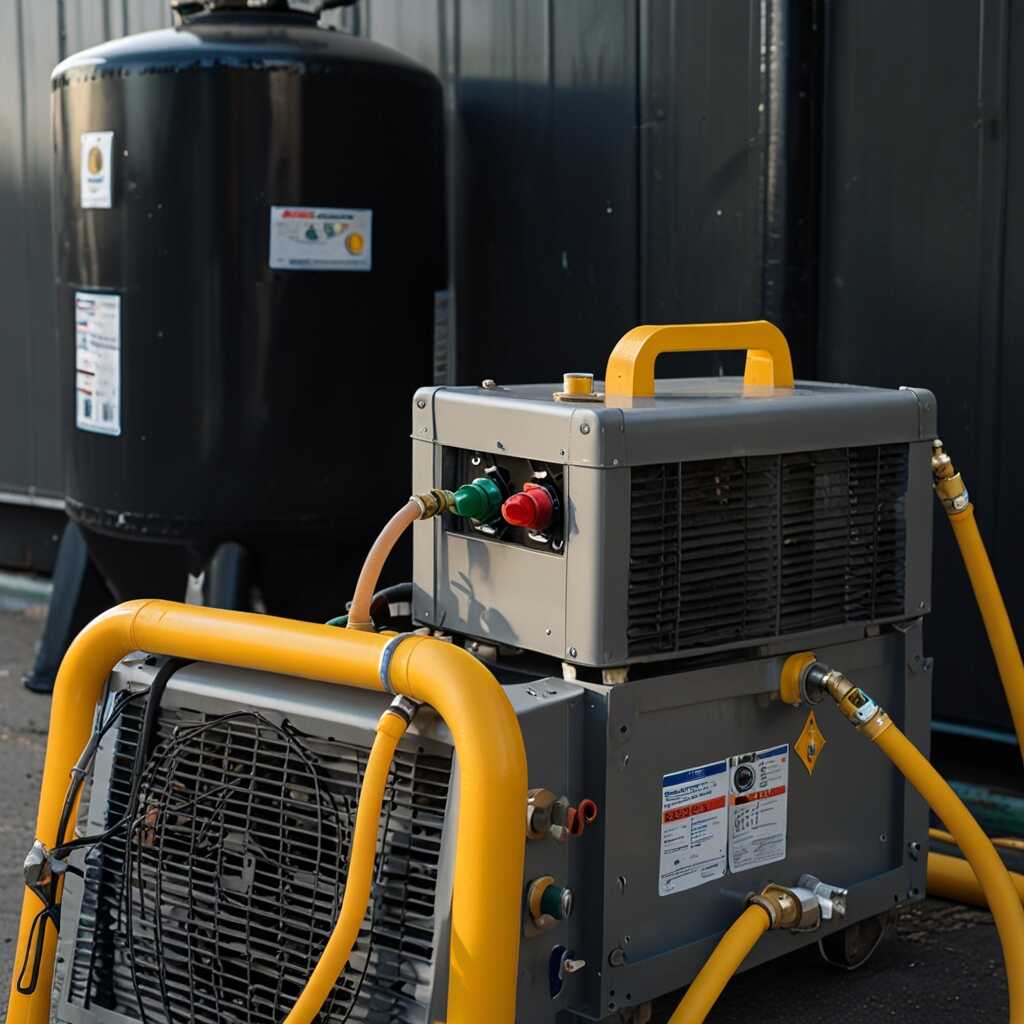
While liquid-vapor switching offers significant advantages, it has limitations that HVAC professionals should understand. Initial equipment costs are 40-60% higher than traditional recovery machines, which can be challenging for smaller contractors. These machines require more complex maintenance procedures due to additional valves and sensors. Recovery efficiency depends heavily on proper system connections – incorrect hookup can actually reduce performance below single-phase machines. The technology also requires technicians to understand dual-phase theory and proper connection procedures, necessitating additional training for optimal results.
System Compatibility and Technical Requirements
Compatibility limitations exist with certain older HVAC systems that lack appropriate service valves for dual-phase connection. Systems with restricted access points may not allow proper liquid-vapor switching setup. The technology works best with clean refrigerant circuits – contaminated systems can clog the additional valving and reduce efficiency. Some refrigerant types, particularly those with unusual pressure characteristics, may not benefit significantly from dual-phase recovery. Technicians must also carry additional hoses and fittings to accommodate the dual-connection requirements.
How Liquid-Vapor Switching Compares to Traditional Methods
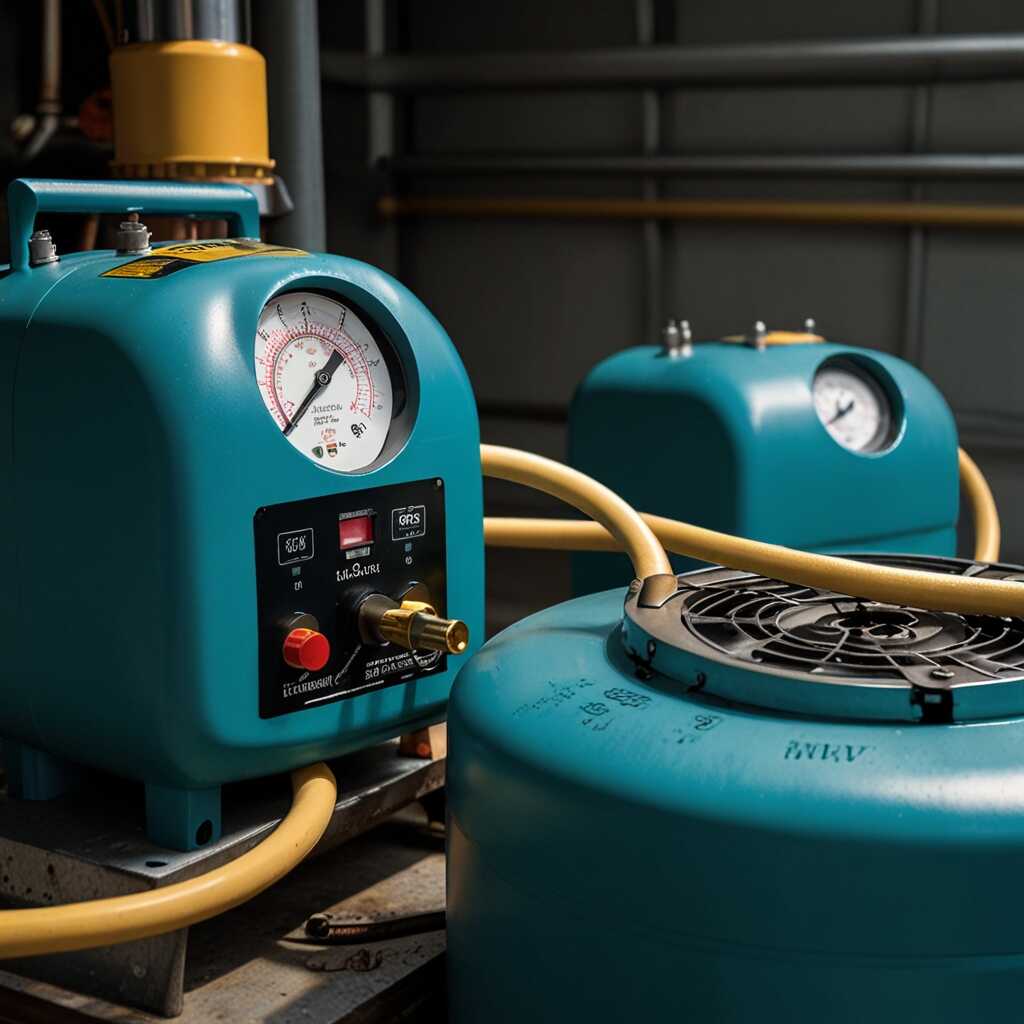
Traditional single-phase recovery machines work by creating vacuum pressure to draw refrigerant from one connection point. This approach typically requires 45-75 minutes for complete recovery depending on system size and refrigerant type. Liquid-vapor switching machines reduce this time to 25-45 minutes by working with natural system pressures and recovering from multiple points simultaneously. Traditional machines recover approximately 85-90% of available refrigerant, while dual-phase systems achieve 95-98% recovery rates. Energy consumption differences become significant over time, with dual-phase machines using 20-30% less electricity per recovery operation.
Performance Comparison in Real-World Applications
Field testing shows liquid-vapor switching technology excels in commercial applications where time savings translate directly to labor cost reductions. A typical 10-ton rooftop unit recovery that takes 60-75 minutes with traditional equipment completes in 35-45 minutes with dual-phase technology. Recovery completeness improvements mean less refrigerant waste and better compliance margins. However, traditional machines remain cost-effective for contractors performing fewer than 2-3 recoveries weekly. Independent testing data confirms that performance advantages increase with larger refrigerant charges and properly maintained systems.
Essential Maintenance Requirements for Dual-Phase Systems
- Regular filter replacement every 20-30 recoveries ensures optimal flow rates and prevents contamination.
- Oil level checks should occur monthly, with changes every 50-75 operating hours depending on usage intensity.
- Valve operation testing prevents switching malfunctions that can reduce recovery efficiency significantly.
- Hose and fitting inspection becomes more critical due to multiple connection points requiring leak-free operation.
- Sensor calibration checks ensure accurate phase detection and proper switching between liquid and vapor modes.
- Compressor maintenance follows standard procedures but may require more frequent attention due to variable loading.
- Annual professional servicing helps identify potential issues before they affect recovery performance or regulatory compliance.

Common Issues and Troubleshooting for Dual-Phase Machines
Common problems with liquid-vapor switching machines include improper phase detection, valve switching failures, and reduced recovery rates due to incorrect connections. Phase detection issues typically result from sensor contamination or calibration drift, requiring cleaning or professional adjustment. Valve switching problems often stem from debris in the refrigerant circuit or worn valve components. Recovery rate problems usually indicate connection issues, such as reversed liquid-vapor lines or inadequate vacuum preparation. Regular performance monitoring helps identify these issues before they significantly impact efficiency.
Step-by-Step Troubleshooting Process
Begin troubleshooting by verifying proper system connections according to manufacturer specifications. Check liquid and vapor line connections to ensure correct positioning and leak-free seals. Test phase detection sensors using manufacturer-provided procedures or recommended test equipment. Monitor switching valve operation during recovery cycles to confirm proper phase transitions. If problems persist, check refrigerant cleanliness and filter condition, as contamination can affect valve and sensor operation. Document performance issues and recovery times to identify patterns that may indicate specific component problems requiring professional service.
Latest Developments in Recovery Technology
Current innovations in refrigerant recovery technology focus on smart monitoring systems, improved efficiency sensors, and integration with mobile diagnostic tools. Modern machines incorporate digital displays that show real-time recovery progress, refrigerant type detection, and system performance metrics. Bluetooth connectivity allows technicians to monitor recovery operations remotely and generate compliance reports automatically. Advanced filtration systems now remove moisture and contaminants more effectively, improving recovered refrigerant quality and reducing system contamination risks.
Future Trends in Refrigerant Recovery Equipment
Future developments include artificial intelligence integration for predictive maintenance and optimized recovery sequences. Manufacturers are developing machines capable of handling new refrigerant types with different pressure and temperature characteristics. Enhanced portability features address technician needs for lighter, more compact equipment without sacrificing performance. Industry experts predict that next-generation machines will offer even faster recovery times through improved compression technology and better phase management systems.
Selection Criteria for Recovery Equipment Investment
- Evaluate your typical recovery volume – machines pay for themselves faster with higher daily usage rates.
- Consider refrigerant types you handle most frequently, as some machines optimize for specific refrigerant characteristics.
- Assess available space and portability requirements, particularly for service trucks with limited storage capacity.
- Review warranty coverage and local service availability, as complex machines may require specialized repair support.
- Calculate total cost of ownership including purchase price, maintenance, and operational efficiency over 5-7 years.
- Factor in regulatory compliance benefits and potential fine avoidance when evaluating return on investment.
- Consider technician training requirements and time needed to achieve proficiency with new technology.
Making the Right Equipment Choice for Your Operations
Selecting the appropriate refrigerant recovery equipment depends on several key factors including job volume, system types serviced, and budget constraints. HVAC contractors performing 3 or more recoveries weekly typically benefit from investing in liquid-vapor switching technology due to time savings and improved efficiency. Smaller operations may find traditional machines adequate, particularly when working primarily with residential systems containing smaller refrigerant charges. Consider the types of refrigerants you handle most frequently, as dual-phase technology shows greater benefits with certain refrigerant types and system configurations.
Cost-Benefit Analysis for Recovery Equipment Investment
Recovery equipment selection should factor in both initial costs and long-term operational savings. Dual-phase machines typically cost $1,000-$3,000 more than comparable single-phase units but can save 15-25 minutes per recovery operation. For contractors billing $85-120 per hour, time savings alone can justify the investment within 6-18 months depending on job frequency. Additional benefits include reduced energy costs, better regulatory compliance, and improved customer satisfaction through faster service completion. Comprehensive cost analysis should include equipment financing options, potential tax benefits, and the value of enhanced professional capabilities in competitive markets.