Digital gauges are electronic measurement devices that display refrigerant pressure and temperature readings numerically, replacing traditional analog needle displays in recovery machines. These precision instruments provide accuracy within ±0.5% compared to analog gauges’ ±2-3% margin, making them essential for modern HVAC technicians who need reliable data for refrigerant recovery operations and environmental compliance requirements.
What Are Digital Gauges and Why Accuracy Matters in Refrigerant Recovery
Digital gauges in refrigerant recovery machines are sophisticated electronic sensors that convert pressure and temperature measurements into precise numerical displays. Unlike analog gauges that rely on mechanical movements and visual interpretation of needle positions, digital gauges use electronic transducers and microprocessors to deliver accurate readings essential for proper refrigerant management. The importance of measurement accuracy extends beyond simple data collection – it directly impacts system efficiency, regulatory compliance, and operational costs. When technicians work with refrigerants like R-410A or R-134a, even small measurement errors can lead to improper charging, reduced cooling capacity, and potential equipment damage.
How Digital Gauges Work in Recovery Operations
Digital gauges work by employing pressure transducers that convert physical pressure into electrical signals, which microprocessors then translate into readable numerical displays. The process involves continuous sampling of pressure data, typically updating readings every second, while integrated temperature sensors provide compensation for ambient conditions that affect pressure readings. This technology enables features like automatic refrigerant identification, pressure trend analysis, and data logging capabilities. Most digital gauges designed for refrigerant recovery operate within pressure ranges from -14.7 to 1000 psi, accommodating various refrigerant types and system conditions. The digital display eliminates parallax errors common with analog gauges, where viewing angle affects reading accuracy.
Digital vs Analog Gauges: Understanding the Precision Difference
The precision difference between digital and analog gauges becomes apparent when comparing their fundamental measurement mechanisms and display methods. Digital gauges eliminate human interpretation errors by showing exact numerical values, while analog gauges require technicians to estimate needle positions between marked increments. This distinction proves critical in professional HVAC work where precise refrigerant charges determine system performance. Digital technology also enables advanced features that enhance measurement reliability, including automatic zero calibration, over-pressure protection, and multi-refrigerant compatibility. Many digital models from manufacturers like Yellow Jacket, Fieldpiece, and Testo incorporate these capabilities as standard features.
Key Benefits of Digital Gauge Technology
The primary benefits of digital gauges include enhanced measurement accuracy, real-time data display, and reduced technician errors during critical recovery operations. These advantages translate into tangible improvements: faster troubleshooting through instant pressure readings, better refrigerant conservation by preventing overcharging, and simplified documentation through data logging features. Digital gauges also provide durability advantages since they lack moving parts susceptible to wear, vibration damage, or calibration drift. Professional technicians report increased confidence in their measurements, particularly when working with expensive refrigerants or sensitive equipment where precision matters most.
Temperature Compensation: How Digital Gauges Maintain Accuracy
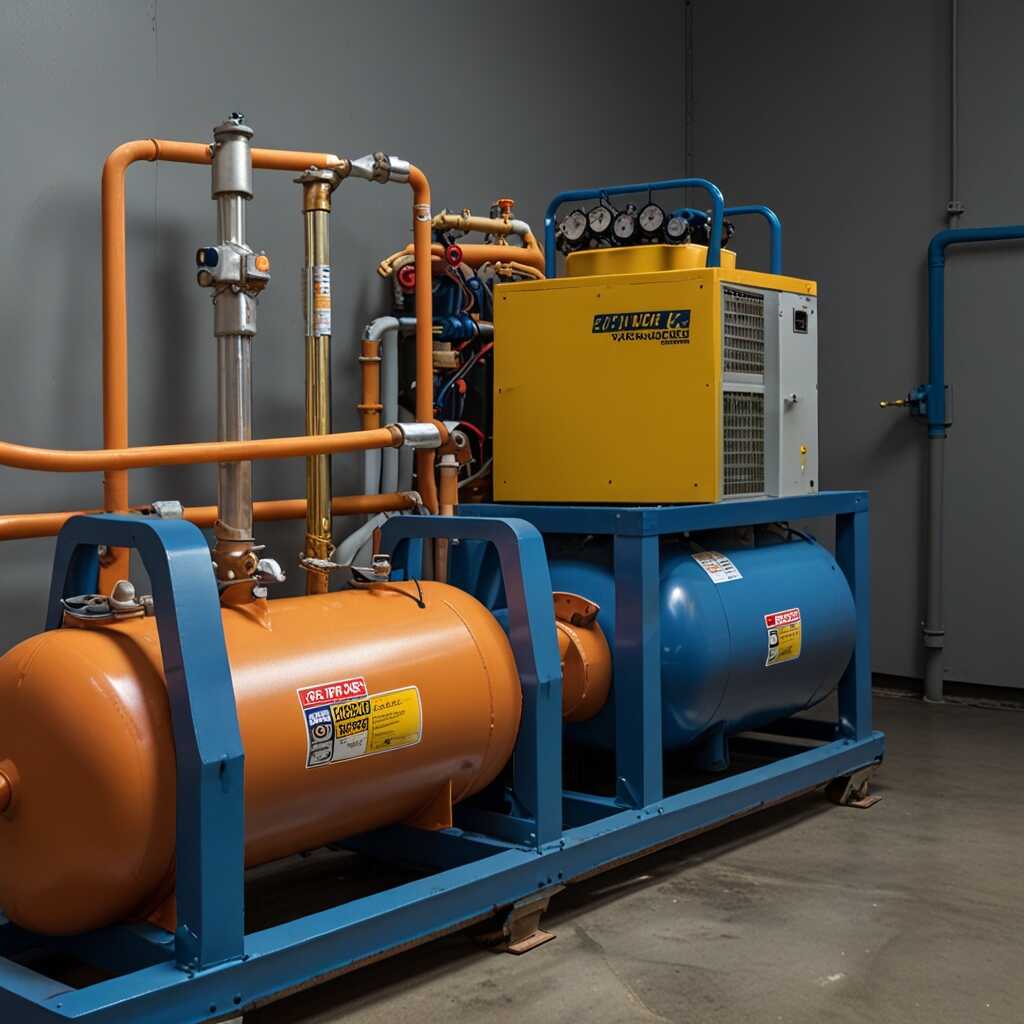
Temperature compensation represents a crucial feature where digital gauges excel over analog alternatives, automatically adjusting displayed values based on ambient temperature variations. This technology works by continuously monitoring environmental conditions through built-in temperature sensors and applying correction algorithms to ensure readings reflect true system pressure regardless of external temperature changes. For refrigerants that exhibit significant pressure-temperature relationships, such as R-410A which experiences approximately 6 psi change per degree Fahrenheit, this compensation proves essential. Digital gauges typically maintain accuracy within specified temperature ranges from 32°F to 120°F, though professional-grade models often extend these limits for extreme conditions.
Practical Applications of Temperature-Compensated Readings
Temperature-compensated readings prove invaluable when technicians work in varying environmental conditions, from hot rooftops to cold mechanical rooms. The compensation algorithms account for thermal expansion of sensor components and pressure changes caused by temperature fluctuations, delivering consistent measurements that analog gauges cannot match. This capability becomes particularly important during extended recovery operations where ambient temperatures may change significantly. Technicians working with temperature-sensitive refrigerants benefit from automatic PT chart integration, where digital gauges calculate and display superheat and subcooling values without manual chart consultation.
Who Should Use Digital Gauges for Refrigerant Recovery
Digital gauges benefit various professionals in the HVAC industry, though certain users gain more advantages than others based on their specific needs and work environments. Commercial HVAC technicians handling multiple refrigerant types daily find digital gauges essential for quickly switching between different pressure scales and refrigerant properties. Contractors specializing in precision cooling systems, such as server rooms or medical facilities, require the enhanced accuracy digital gauges provide. Environmental compliance officers and recovery specialists particularly value digital gauges for their data logging capabilities, which create verifiable records for regulatory reporting. However, technicians performing basic residential maintenance might find analog gauges sufficient for routine tasks.
Cost Considerations for Different User Groups
Investment decisions vary by user category, with entry-level digital manifold sets typically ranging from $200 to $600, while professional-grade wireless systems with advanced features can exceed $1,500. Small residential contractors might start with basic digital gauges offering essential accuracy improvements, while commercial operations often justify higher-end models through time savings and reduced callbacks. The return on investment depends on factors including job volume, refrigerant types handled, and regulatory requirements. Many technicians report recovering their digital gauge investment through improved efficiency within six months of regular use.
Understanding Digital Gauge Limitations and Challenges
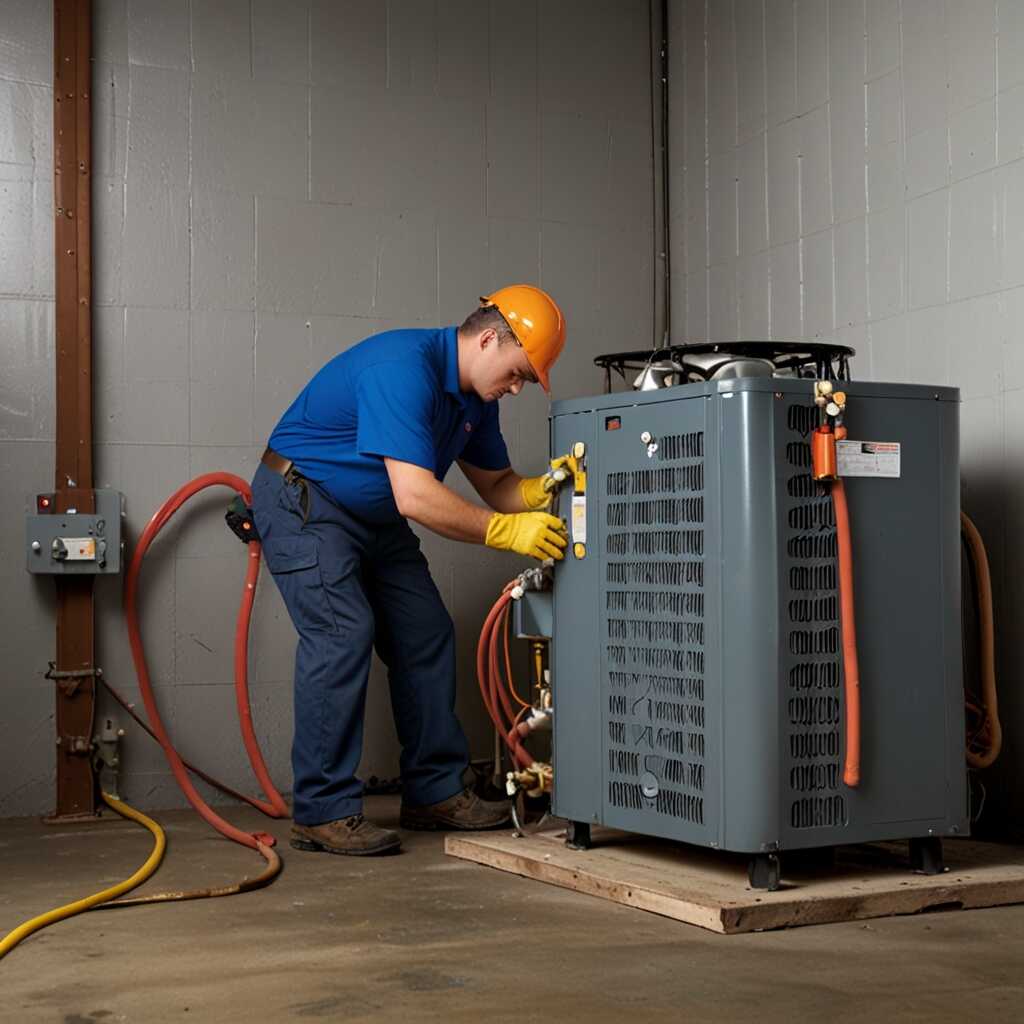
Digital gauges, despite their advantages, present certain limitations that technicians should understand before making investment decisions. Battery dependency remains the primary concern, as dead batteries during critical jobs can halt operations, unlike self-powered analog gauges. Electronic components also prove more susceptible to moisture damage and extreme temperature conditions beyond their specified operating ranges. Initial costs typically exceed analog alternatives by two to three times, creating budget challenges for new technicians or small operations. Additionally, digital displays can become difficult to read in direct sunlight, and some models experience sensor drift requiring periodic recalibration.
When Analog Gauges Might Still Be Appropriate
Certain situations favor analog gauge use despite digital advantages, particularly in emergency backup scenarios or extremely harsh environments. Technicians working in high-vibration environments or areas with strong electromagnetic interference might experience digital gauge malfunctions. Simple pressure checks during equipment commissioning may not require digital precision, making analog gauges a cost-effective choice. Some experienced technicians prefer analog gauges for visualizing pressure trends during system pumping or when teaching apprentices about pressure-temperature relationships. The key lies in matching tool selection to specific job requirements rather than assuming digital always equals better.
Best Practices for Implementing Digital Gauges
Successful digital gauge implementation requires proper training, maintenance protocols, and integration with existing workflows. Technicians transitioning from analog systems should invest time learning digital features beyond basic pressure reading, including data logging setup, wireless connectivity configuration, and proper calibration procedures. Regular maintenance involves battery management, sensor cleaning, and firmware updates that keep gauges performing optimally. Many manufacturers provide training resources and mobile apps that enhance gauge functionality. Creating standard operating procedures for digital gauge use ensures consistent data collection across service teams.
Common Mistakes to Avoid with Digital Gauges
Common implementation mistakes include neglecting regular calibration checks, assuming all digital readings are automatically accurate without verification. Technicians sometimes forget to update refrigerant libraries when new refrigerants enter the market, leading to incorrect pressure-temperature calculations. Another frequent error involves improper storage that exposes digital gauges to extreme temperatures or moisture between jobs. Over-reliance on digital features without understanding underlying refrigeration principles can create problems when technology fails. Successful technicians maintain both digital proficiency and fundamental HVAC knowledge.
Future Trends in Digital Gauge Technology
Digital gauge technology continues evolving with features like cloud connectivity, artificial intelligence-assisted diagnostics, and augmented reality displays becoming available in premium models. Integration with building management systems and IoT platforms enables remote monitoring and predictive maintenance capabilities. Manufacturers are developing more robust designs addressing current limitations, including solar-charged batteries, improved sunlight-readable displays, and enhanced environmental protection. These advancements suggest digital gauges will become increasingly essential for competitive HVAC operations. However, cost considerations and learning curves remain important factors in adoption decisions.
Making the Right Choice for Your Operation
Selecting appropriate gauge technology depends on evaluating your specific operational needs, budget constraints, and growth plans. Consider factors including typical job types, refrigerant variety, regulatory requirements, and technician skill levels when making decisions. Many successful operations employ hybrid approaches, using digital gauges for critical measurements while maintaining analog backups. The key to maximizing digital gauge benefits lies in matching technology capabilities to actual field requirements rather than purchasing features that won’t see regular use. Regular evaluation of gauge performance and technician feedback helps optimize tool investments over time.