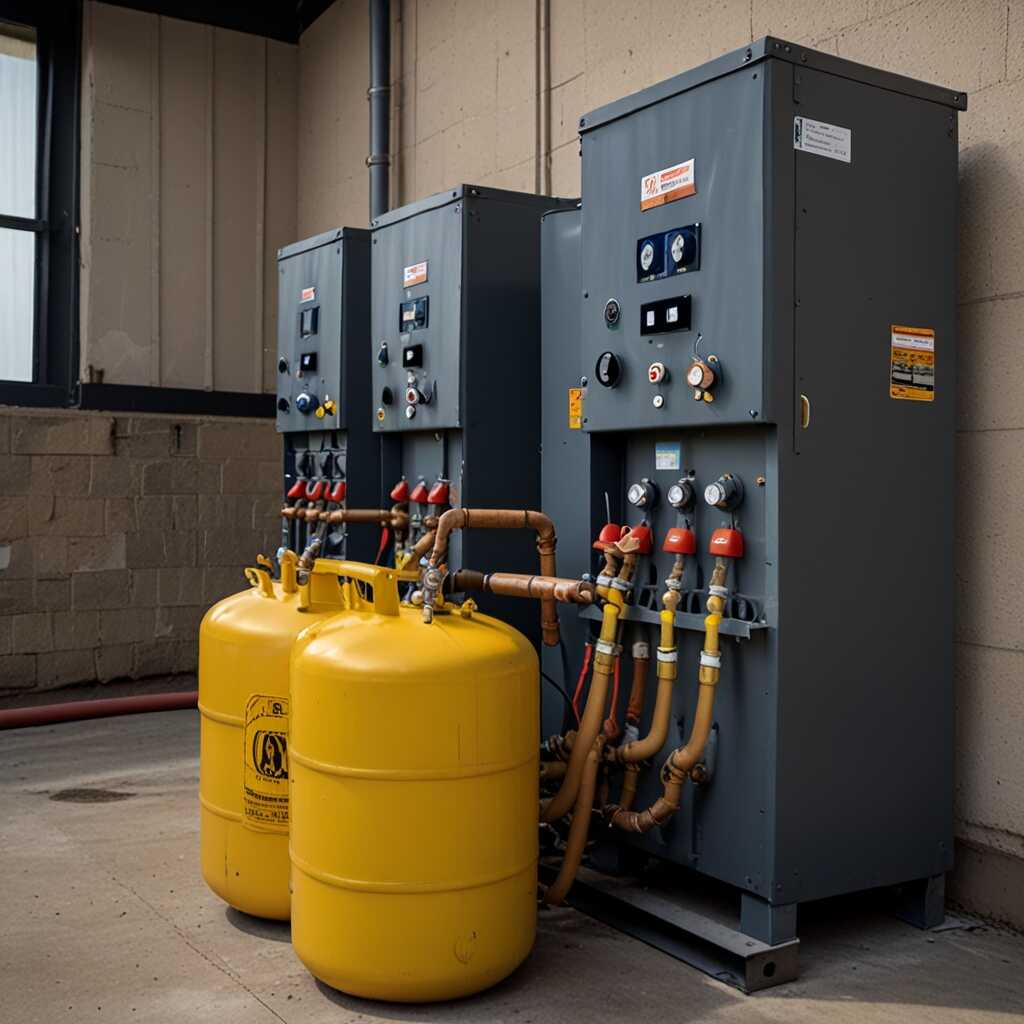
Refrigerant recovery machines with temperature sensors prevent overheating by continuously monitoring operating temperatures and triggering automatic shutoffs when limits approach dangerous levels. These thermal monitoring systems typically maintain safe operating ranges between 75°F and 130°F, preventing costly equipment damage. Most equipment longevity and performance in refrigerant recovery improves significantly when temperature sensors are integrated into recovery operations.
What Are Refrigerant Recovery Machines with Temperature Sensors
Refrigerant recovery machines with temperature sensors are specialized HVAC equipment that captures and stores refrigerants while monitoring thermal conditions in real-time. These devices combine traditional recovery functionality with advanced thermal protection systems that prevent overheating damage. The temperature monitoring component consists of thermocouples or thermistors that track operating temperatures continuously during recovery operations.
Recovery machines equipped with temperature sensors typically cost between $800 and $4,500, depending on capacity and features. Basic residential units start around $800-1,200, while commercial-grade equipment ranges from $2,000-4,500. The price increase reflects enhanced safety features, larger capacity, and more sophisticated sensor systems that provide better protection against thermal damage.
How Temperature Monitoring Systems Function in Recovery Equipment
Temperature sensors in recovery machines work by measuring heat levels at critical points throughout the system, including the compressor, condenser, and refrigerant lines. Refrigerant recovery machines include temperature sensors that send continuous data to the control system, which compares readings against preset safety thresholds.
When temperatures approach dangerous levels, typically around 150°F, the sensors trigger protective responses. These responses include reducing compressor speed, activating cooling fans, or completely shutting down the system. This automated protection prevents equipment damage that could cost hundreds or thousands of dollars in repairs. Most modern systems respond within 2-5 seconds of detecting temperature spikes.
Benefits of Temperature Sensor Integration in Recovery Systems
The primary benefits of temperature sensors in refrigerant recovery include equipment protection, improved efficiency, and reduced maintenance costs. Temperature sensors prevent overheating in refrigerant recovery operations by providing early warning systems that allow technicians to address problems before damage occurs.
Recovery efficiency improves by approximately 15-25% when temperature sensors maintain optimal operating conditions. This efficiency gain translates to faster recovery times and lower energy consumption. Additionally, sensor-equipped machines typically last 30-40% longer than units without thermal protection, making them more cost-effective over time.
Cost Savings and Performance Improvements
HVAC contractors report significant cost savings when using sensor-equipped recovery machines. Maintenance costs typically decrease by $200-500 annually per machine due to reduced overheating incidents. These savings come from fewer compressor replacements, reduced downtime, and extended equipment lifespan.
Performance improvements include faster recovery times, especially in high-ambient temperature conditions. While standard machines may slow down or shut off in hot weather, sensor-equipped units maintain consistent performance by managing thermal conditions proactively. This reliability is particularly valuable during summer peak seasons when recovery demand is highest.
What Overheating Risks Do Temperature Sensors Address
Overheating in refrigerant recovery machines creates several serious risks including compressor damage, refrigerant contamination, and safety hazards for technicians. Without temperature monitoring, these machines can reach dangerous operating temperatures that cause permanent damage within 15-20 minutes of continuous operation under stress.
Common overheating scenarios include blocked air filters, ambient temperatures above 95°F, and continuous operation without cooldown periods. Temperature sensors maintain optimal machine performance during refrigerant recovery by detecting these conditions early and implementing protective responses.
Financial Impact of Overheating Damage
Overheating damage typically costs $400-1,500 per incident, depending on the components affected. Compressor replacement, the most common overheating-related repair, ranges from $300-800 for residential units and $600-1,500 for commercial equipment. These costs don’t include labor time and lost productivity while equipment is out of service.
Recovery businesses report that sensor-equipped machines reduce overheating incidents by 60-80% compared to standard units. This reduction translates to substantial savings, especially for high-volume operations that run equipment continuously during peak seasons.
Key Metrics for Overheating Prevention in Recovery Equipment
- Safe operating temperature ranges typically span 75°F to 130°F for most recovery machines
- Temperature sensors reduce overheating incidents by 60-80% in field operations
- Recovery rates maintain 1-15 lbs per minute when thermal conditions stay optimal
- Machines without sensors commonly overheat within 15-20 minutes under high-load conditions
- Refrigerant degradation begins at temperatures exceeding 150°F
- Sensor integration improves overall energy efficiency by 15-25% during operations
- Recovery completion times can increase 40-50% when overheating forces frequent shutdowns
Who Should Use Recovery Machines with Temperature Sensors
Temperature sensors benefit refrigerant recovery operations across multiple user categories, from residential HVAC technicians to commercial refrigeration specialists. Small contractors working in hot climates find sensor-equipped machines particularly valuable for maintaining consistent performance during summer months.
Large commercial operations benefit from reduced equipment downtime and lower maintenance costs. Temperature sensors designed to monitor refrigerant systems help high-volume users maintain productivity while protecting expensive equipment investments.
Ideal Applications for Sensor-Equipped Recovery Systems
Temperature sensors prove most valuable in demanding applications including rooftop equipment service, commercial refrigeration work, and high-ambient temperature environments. Technicians working in industrial settings or during summer peak seasons report significant benefits from thermal protection systems.
Smaller residential contractors may find basic sensor systems adequate for their needs, while commercial specialists often require advanced multi-point monitoring systems. Temperature monitoring maintains refrigerant recovery efficiency across all application types when properly matched to user requirements.
Limitations of Temperature Sensor Systems in Recovery Equipment
While temperature sensors provide significant benefits, they also have limitations that users should understand. Sensor accuracy can drift over time, requiring periodic calibration to maintain reliability. Most sensors need calibration every 6-12 months to ensure accurate readings and proper system protection.
Cost represents another limitation, as sensor-equipped machines typically cost $200-800 more than standard units. This premium may not be justified for technicians who primarily work in mild climates or perform low-volume recovery operations. Additionally, sensor systems add complexity that may require additional training for technicians unfamiliar with electronic monitoring equipment.
When Temperature Sensors May Not Be Necessary
Temperature sensors may not be essential for technicians working exclusively in climate-controlled environments or performing primarily residential work in mild climates. Small-volume operations that don’t justify the additional equipment cost might find standard recovery machines adequate for their needs.
However, even light-duty users should consider that sensor-equipped machines often pay for themselves through reduced maintenance costs and extended equipment life. The decision typically depends on usage volume, operating environment, and budget considerations rather than absolute necessity.
Comparing Temperature Monitoring Solutions for Recovery Applications
- Basic thermostats provide simple protection but lack precision for demanding applications
- Digital sensors offer accuracy and reliability but require periodic calibration maintenance
- Wireless monitoring systems provide remote alerts but add complexity and potential connectivity issues
- Multi-point sensor arrays deliver comprehensive protection but increase equipment costs significantly
- Analog temperature gauges offer visual monitoring but lack automatic protection features
- Smart sensor systems integrate with mobile apps but may face compatibility challenges with older equipment
- Basic thermal switches provide cost-effective protection but offer limited adjustment capabilities
How Much Do Temperature Sensor-Equipped Recovery Machines Cost
Recovery machines with integrated temperature sensors range from $800 for basic residential units to $4,500 for commercial-grade equipment. The cost premium for temperature monitoring typically adds $200-800 to the base machine price, depending on the sophistication of the sensor system and protective features included.
Temperature sensors enhance refrigerant recovery machines value proposition through reduced maintenance costs and extended equipment life. Most users report that sensor systems pay for themselves within 1-2 years through avoided repair costs and improved productivity.
Factors Affecting Temperature Sensor System Costs
Several factors influence the cost of sensor-equipped recovery machines including sensor type, monitoring capabilities, and integration complexity. Thermocouples typically cost less than digital sensors but may offer lower accuracy. Multi-point monitoring systems cost more but provide comprehensive protection for high-value equipment.
Recovery machine performance enhancement through temperature monitoring justifies the additional cost for most professional applications. Users should consider total cost of ownership including maintenance savings rather than just initial purchase price when evaluating options.
What Alternatives Exist to Temperature Sensors for Overheating Protection
Alternatives to temperature sensors for overheating protection include manual monitoring, timer-based shutoffs, and pressure relief systems. Manual monitoring requires technicians to regularly check equipment temperature using handheld thermometers or thermal guns. This approach works for small operations but becomes impractical for busy contractors or unattended equipment.
Temperature monitoring systems for refrigerant recovery offer superior protection compared to these alternatives. Timer-based shutoffs provide some protection by forcing cooldown periods but don’t respond to actual thermal conditions. Pressure relief systems protect against catastrophic failures but don’t prevent gradual overheating damage.
Comparing Protection Methods for Recovery Equipment
Manual monitoring costs nothing but requires constant attention and provides no automatic protection. Timer systems offer moderate protection at low cost but may shut down equipment unnecessarily or fail to prevent overheating in extreme conditions. Temperature sensors provide the best balance of protection, convenience, and cost-effectiveness for most professional applications.
Hybrid approaches combining multiple protection methods can provide comprehensive coverage. For example, combining temperature sensors with pressure relief valves creates redundant protection systems that guard against both gradual overheating and sudden pressure spikes.
Alternative Thermal Protection Methods for Recovery Systems
- Manual temperature monitoring provides basic protection but requires constant technician attention
- Timer-based shutoff systems offer automated protection but don’t respond to actual thermal conditions
- Pressure relief valves prevent catastrophic failures but allow gradual overheating damage to occur
- Ambient temperature compensation adjusts operation based on environmental conditions automatically
- Thermal fuses provide one-time protection but require replacement after activation
- Enhanced cooling systems reduce overheating risk but add weight and complexity to equipment
- Variable speed compressors adjust output based on conditions but cost significantly more than standard systems
Common Mistakes When Using Temperature Sensors in Recovery Operations
Common mistakes with temperature sensors include neglecting calibration, ignoring warning signals, and placing sensors in inappropriate locations. Many technicians install sensor-equipped machines but fail to perform regular calibration checks, leading to false readings and inadequate protection. Temperature sensors require proper installation techniques to function effectively and provide reliable protection.
Another frequent error involves overriding sensor warnings to maintain productivity during busy periods. This practice defeats the purpose of thermal protection and can result in expensive equipment damage. Proper training on sensor operation and the importance of thermal protection helps prevent these costly mistakes.
Best Practices for Temperature Sensor Implementation
Effective temperature sensor operation in refrigerant recovery machines requires proper installation, regular maintenance, and appropriate response to warning signals. Sensors should be positioned at critical thermal points including the compressor head, discharge line, and condenser inlet to provide comprehensive monitoring coverage.
Regular calibration every 6-12 months ensures sensor accuracy and reliable protection. Documentation of sensor readings and any thermal events helps identify patterns and optimize equipment operation. Training technicians to understand and respond appropriately to sensor warnings maximizes the protective benefits of temperature monitoring systems.