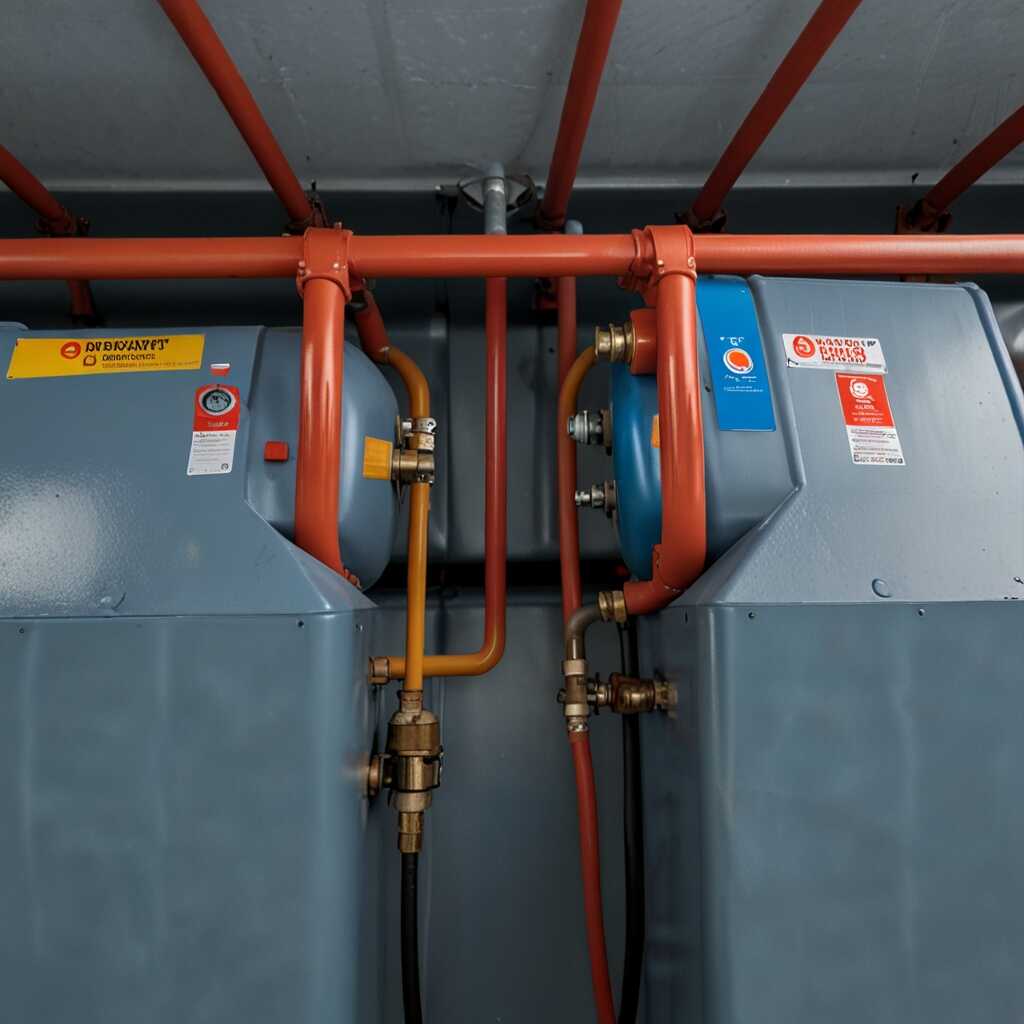
Refrigerant recovery machines with automatic refrigerant identification are specialized HVAC tools that detect and verify refrigerant types before recovery begins. This technology eliminates manual testing, reduces recovery time, and prevents cross-contamination issues. Common models include units from Yellow Jacket, Robinair, and CPS Products, which typically cost between $2,000-8,000 depending on features and capacity requirements.
What Is Automatic Refrigerant Identification Technology
Automatic refrigerant identification is a built-in system that analyzes refrigerant composition using electronic sensors and databases. The technology works by sampling refrigerant vapors and comparing molecular signatures against stored refrigerant profiles. This process typically takes 30-60 seconds compared to several minutes required for manual testing methods.
The identification system serves multiple purposes in HVAC operations. It prevents mixing incompatible refrigerants, which can damage equipment and create safety hazards. The technology also ensures compliance with EPA regulations by providing documented proof of proper refrigerant handling. Additionally, it reduces the likelihood of technician error during busy service calls.
How Automatic Detection Systems Function in Recovery Equipment
Detection systems in recovery machines operate through integrated sensor arrays that analyze refrigerant properties. The sensors measure pressure, temperature, and molecular composition to create a unique fingerprint for each refrigerant type. This data gets compared against manufacturer databases containing profiles for common refrigerants like R-410A, R-134A, R-22, and newer alternatives.
The testing process begins when technicians connect recovery equipment to HVAC systems. The machine automatically samples refrigerant and displays identification results on digital screens. Most systems can distinguish between pure refrigerants and contaminated mixtures, alerting technicians to potential problems before recovery begins. Advanced models also store identification data for compliance documentation and service records.
Primary Benefits for HVAC Technicians and Contractors
The benefits of automatic identification include significant time savings, improved accuracy, and enhanced safety during refrigerant recovery operations. Technicians report faster job completion times because they eliminate manual testing steps and reduce setup procedures. The technology also minimizes callbacks caused by refrigerant contamination or improper recovery methods.
Safety improvements represent another major advantage for HVAC professionals. Automatic systems reduce exposure to unknown refrigerants by identifying potentially hazardous mixtures before handling begins. This capability helps prevent accidents and protects technicians from inhaling harmful vapors. The technology also reduces physical contact with refrigerant samples during testing procedures.
Operational Efficiency Improvements in Daily Service Work
Efficiency gains from automatic identification affect multiple aspects of HVAC service work. Technicians can process more service calls per day because they spend less time on refrigerant testing and verification. The technology also reduces equipment setup time and eliminates the need to carry separate testing instruments.
Recovery speed improvements occur because machines can optimize recovery parameters based on identified refrigerant types. Different refrigerants require specific temperature and pressure settings for optimal recovery rates. Automatic systems adjust these parameters automatically, ensuring maximum recovery efficiency without technician intervention. Enhanced recovery efficiency helps reduce waste and improves overall job profitability for HVAC contractors.
Compliance and Regulatory Advantages
Environmental regulations require proper refrigerant identification and recovery to prevent ozone depletion and climate change impacts. Automatic identification systems help HVAC professionals meet EPA Section 608 requirements by providing documented evidence of proper refrigerant handling. The technology creates audit trails that demonstrate compliance during regulatory inspections.
Regulatory benefits extend beyond basic compliance requirements. Many insurance companies offer reduced premiums for contractors using certified recovery equipment with automatic identification capabilities. The technology also helps businesses avoid fines and penalties associated with improper refrigerant disposal or cross-contamination incidents.
Documentation and Record-Keeping Benefits
Automatic identification systems generate detailed records of refrigerant types, quantities, and recovery dates for each service call. This documentation helps contractors maintain EPA-required records and provides protection during regulatory audits. Many systems can export data to computer systems for integration with business management software.
Record-keeping capabilities also benefit customer relationships and service quality. Technicians can reference previous service records to understand system history and refrigerant specifications. This information helps ensure consistent service quality and reduces the likelihood of service errors on repeat calls.
Cost-Effectiveness and Return on Investment Analysis
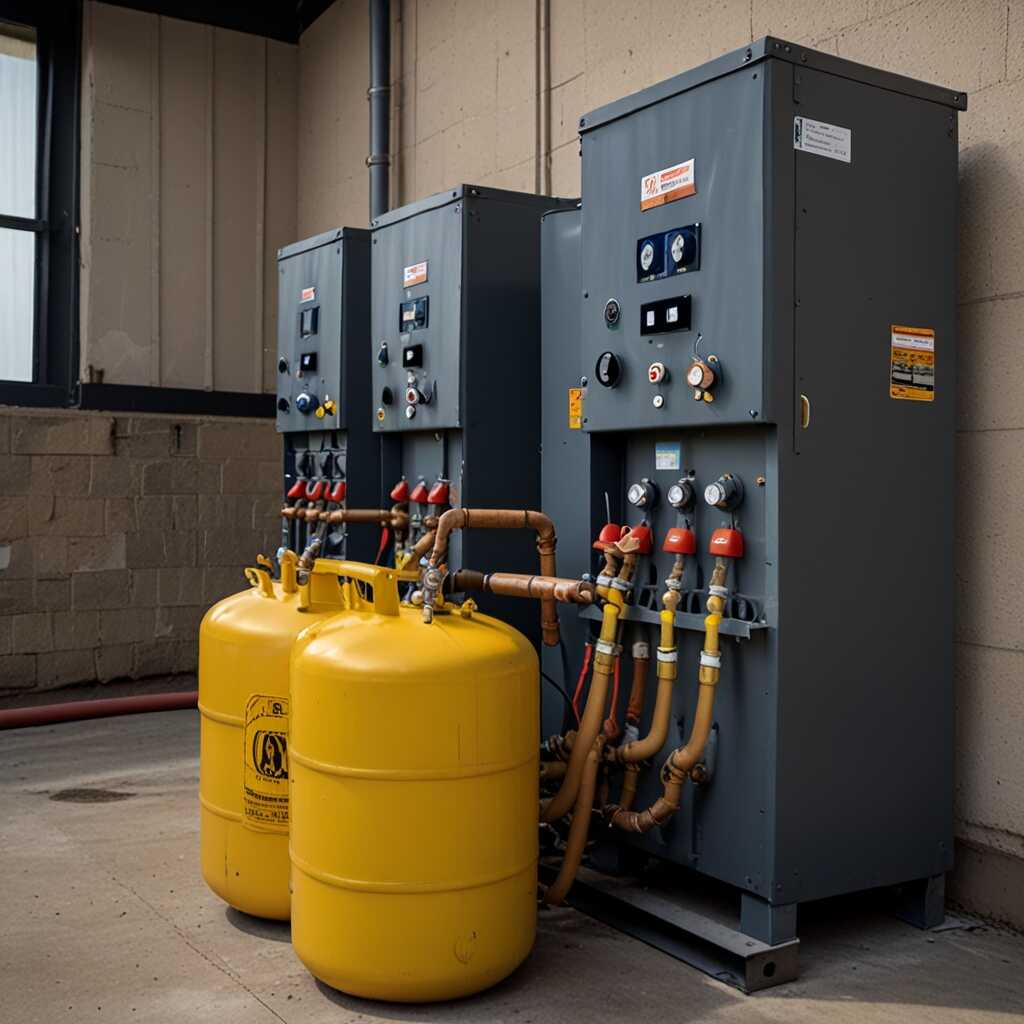
Investment costs for recovery machines with automatic identification typically range from several thousand to tens of thousands of dollars depending on capacity and features. However, the technology often pays for itself through reduced labor costs, faster job completion times, and avoided compliance penalties. Most contractors see positive returns within 12-24 months of regular use.
Cost savings come from multiple sources including reduced technician time, eliminated testing equipment needs, and decreased refrigerant waste. The technology also reduces vehicle space requirements because technicians don’t need to carry separate identification instruments. Additionally, automatic systems help prevent costly mistakes that can result in equipment damage or customer complaints.
Long-term Financial Benefits for HVAC Businesses
Long-term benefits include improved customer satisfaction, reduced insurance costs, and enhanced business reputation. Customers appreciate faster service times and professional documentation provided by automatic identification systems. This improved service quality often leads to repeat business and positive referrals.
The technology also provides competitive advantages in markets where environmental compliance is increasingly important. Many commercial customers now require contractors to demonstrate proper refrigerant handling procedures. Automatic identification systems provide tangible evidence of professional practices and environmental responsibility.
Safety Improvements and Risk Reduction
Safety improvements from automatic identification include reduced exposure to unknown refrigerants and elimination of manual sampling procedures. The technology identifies potentially dangerous refrigerant mixtures before technicians begin handling operations. This early warning system helps prevent accidents and protects worker health during service calls.
Risk reduction benefits extend to customer safety and property protection. Automatic systems prevent cross-contamination that can damage HVAC equipment or create safety hazards in buildings. The technology also reduces the likelihood of refrigerant leaks caused by improper recovery procedures or equipment mismatches.
Protection Against Contamination and Equipment Damage
Contamination protection represents a critical safety benefit of automatic identification technology. Mixed refrigerants can create corrosive compounds that damage recovery equipment and HVAC systems. Automatic detection prevents these problems by identifying contaminated refrigerants before recovery begins.
Equipment protection benefits include longer recovery machine life and reduced maintenance costs. Automatic systems protect internal components from damage caused by incompatible refrigerants or contaminated mixtures. This protection helps maintain equipment reliability and reduces unexpected repair expenses.
Limitations and Practical Considerations
Limitations of automatic identification include higher initial equipment costs and potential technology dependence issues. Some older or unusual refrigerants may not be recognized by standard identification databases. The technology also requires regular calibration and maintenance to ensure accuracy over time.
Training requirements represent another consideration for HVAC contractors. Technicians need education on proper system operation, calibration procedures, and troubleshooting methods. Some automatic systems require specific certification or manufacturer training before use. Additionally, backup identification methods should be available when automatic systems malfunction or require service.
When Manual Identification Methods May Be Preferable
Manual identification methods may be preferable in certain situations including work with rare refrigerants, emergency service calls, or budget-constrained operations. Some experienced technicians prefer manual testing for verification purposes or when working with unfamiliar equipment. Manual methods also provide backup capabilities when automatic systems are unavailable.
Cost considerations may favor manual methods for small HVAC businesses with limited recovery needs. The initial investment in automatic identification equipment may not be justified for contractors who perform only occasional recovery work. However, most contractors benefit from automatic technology as recovery work increases and regulations become more stringent.
Selecting Recovery Machines with Automatic Identification Features
Selection criteria for recovery machines should include identification accuracy, refrigerant database coverage, and integration with existing equipment. Leading manufacturers like Yellow Jacket, Robinair, CPS Products, and Appion offer various models with different identification capabilities. Important features include touchscreen displays, data export functions, and expandable refrigerant databases.
Capacity requirements depend on typical job sizes and refrigerant types encountered in daily operations. Smaller units suitable for residential work typically handle 30-50 pounds of refrigerant, while commercial-grade machines can process several hundred pounds. The identification system should recognize all refrigerants commonly found in the contractor’s service area.
Key Features and Specifications to Evaluate
Key features include identification speed, accuracy specifications, and database update capabilities. The best systems identify refrigerants within 60 seconds and achieve accuracy rates above 95%. Database update features ensure compatibility with new refrigerant types as they become available in the market.
Additional considerations include portability, power requirements, and service support availability. Portable units work well for residential service, while larger stationary machines suit shop-based operations. Power requirements should match available electrical systems, and local service support ensures minimal downtime when maintenance is needed.
Training and Implementation Requirements
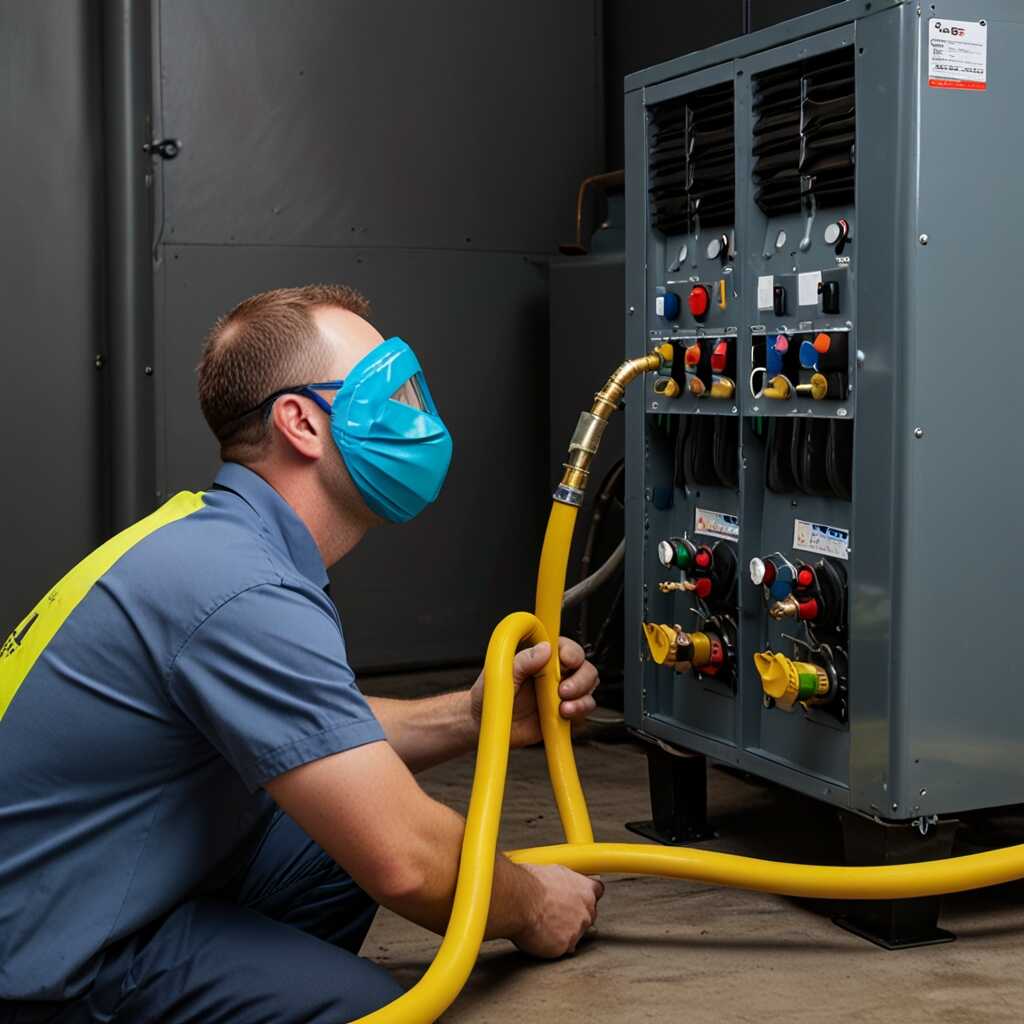
Training requirements for automatic identification systems include basic operation procedures, calibration methods, and troubleshooting techniques. Most manufacturers provide initial training as part of equipment purchase agreements. Additional training may be available through HVAC trade organizations and technical schools.
Implementation considerations include workspace setup, electrical requirements, and integration with existing recovery procedures. The equipment needs adequate ventilation and proper electrical connections for safe operation. Staff training should cover both normal operation and emergency procedures when automatic systems fail.
Best Practices for Equipment Operation and Maintenance
Best practices include regular calibration checks, proper storage procedures, and routine maintenance schedules. Calibration should be verified monthly or according to manufacturer recommendations. Storage in clean, dry environments protects electronic components and extends equipment life.
Maintenance procedures typically include filter replacement, sensor cleaning, and software updates. Regular maintenance ensures accurate identification and prevents costly repairs. Documentation of maintenance activities also supports warranty claims and regulatory compliance requirements.
Future Developments in Identification Technology
Future developments in automatic identification technology include improved sensor accuracy, expanded refrigerant databases, and enhanced connectivity features. Emerging technologies may include wireless data transmission, cloud-based databases, and artificial intelligence for pattern recognition. These advances will likely improve identification speed and accuracy while reducing equipment costs.
Integration with digital service platforms represents another development area. Future systems may automatically update customer records, generate compliance reports, and coordinate with scheduling software. This integration will further streamline HVAC operations and reduce administrative overhead for contractors.
Emerging Technologies and Market Trends
Emerging technologies include miniaturized sensors, smartphone integration, and predictive maintenance capabilities. Smaller sensors may enable identification features in portable recovery units and handheld instruments. Smartphone integration could provide remote monitoring and data management capabilities.
Market trends favor increased automation and environmental compliance features. Regulatory pressures will likely drive adoption of automatic identification technology across the HVAC industry. Cost reductions through technological advancement will make automatic identification accessible to smaller contractors and expand market penetration in coming years.