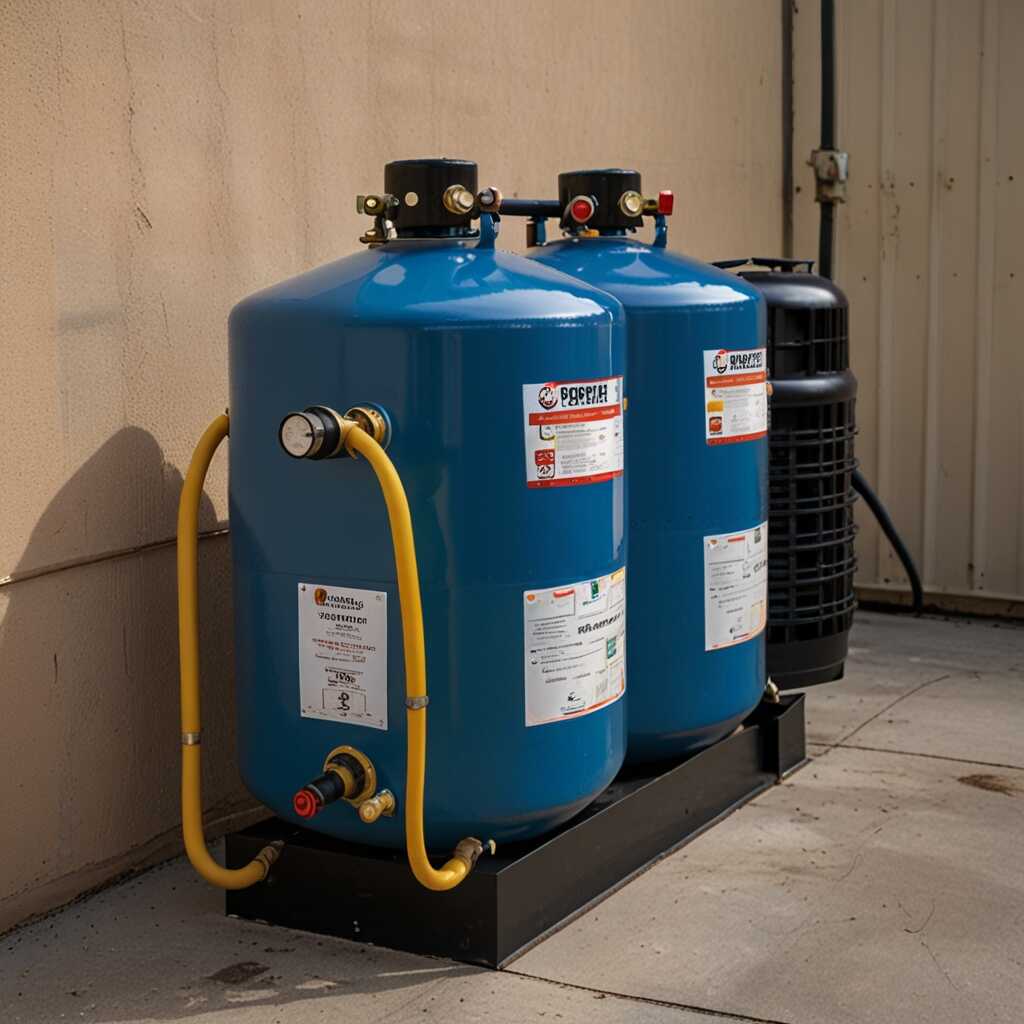
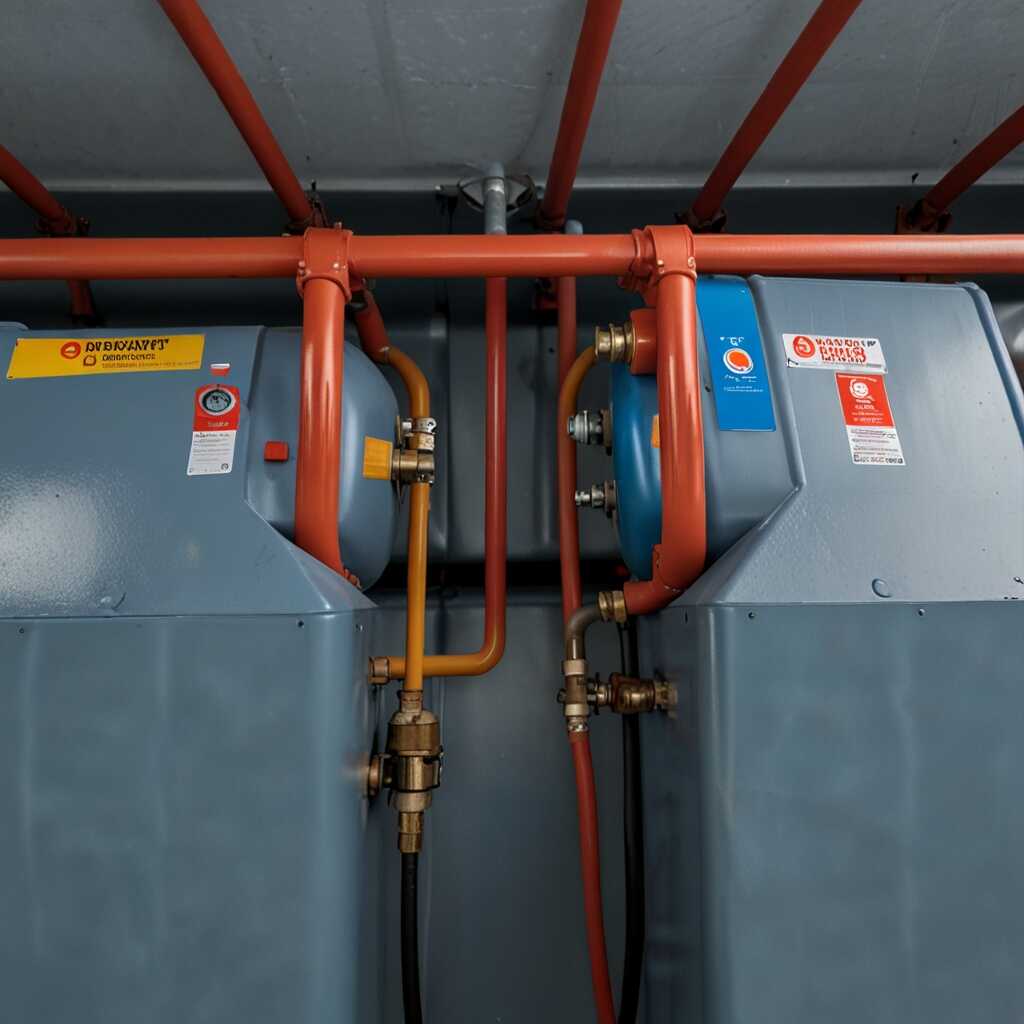
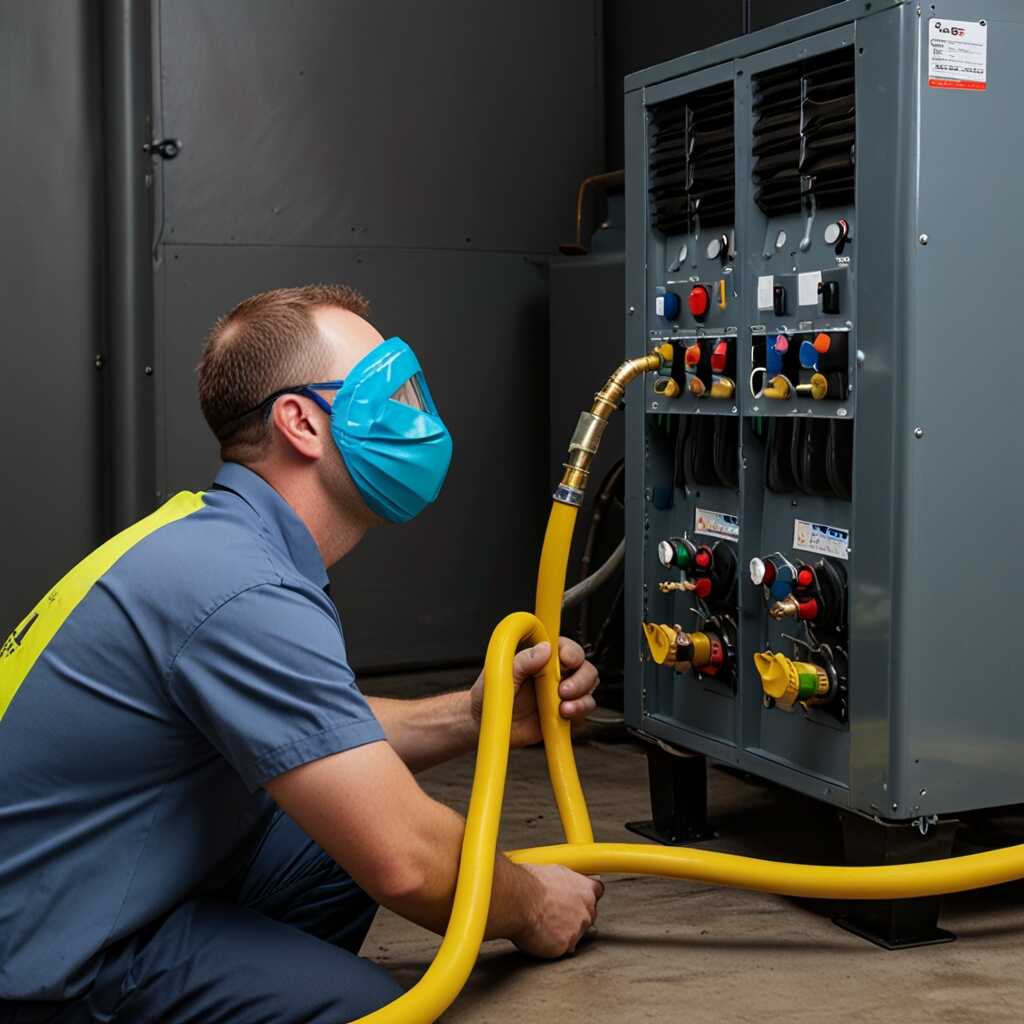
Portable refrigerant recovery machines are specialized HVAC tools designed to extract refrigerant from cooling systems while being easily transportable between job sites. These lightweight units, typically weighing between 50-80 pounds, save technicians significant time by eliminating equipment setup delays and allowing quick movement between multiple service locations throughout their workday.
What Are Portable Refrigerant Recovery Machines and Their Key Components
Portable refrigerant recovery machines consist of a compressor, condenser, and storage tank housed in a compact, wheeled chassis for easy transport. The compressor creates vacuum pressure to extract refrigerant from HVAC systems, while the condenser converts gaseous refrigerant to liquid for storage. Modern units include digital gauges for pressure monitoring, automatic shut-off valves for safety, and quick-connect fittings that reduce setup time. Professional-grade models from manufacturers like Robinair, Yellow Jacket, and Appion feature oil-less compressors that require minimal maintenance and twin-cylinder designs for faster recovery rates.
How Portable Recovery Units Function During Service Calls
The recovery process begins when technicians connect the machine’s hoses to the HVAC system’s service ports using color-coded connections (blue for low pressure, red for high pressure). Once activated, the machine creates negative pressure that draws refrigerant from the system through the intake manifold for efficient extraction. The refrigerant passes through the compressor where it’s compressed and sent to the condenser coil for cooling. After condensation, the liquid refrigerant flows into the recovery tank, which technicians can then transfer to larger storage cylinders or recycling facilities. This entire process typically takes 15-45 minutes depending on system size and refrigerant volume.
Time-Saving Benefits for Multi-Location HVAC Service Calls
Portable refrigerant recovery machines provide essential time savings through their mobility and quick-connect features that reduce setup between locations. Technicians report saving considerable time by avoiding trips back to service vehicles for stationary equipment, with lightweight designs allowing single-person transport up stairs or through tight spaces. The ability to wheel units directly to rooftop condensers or basement mechanical rooms eliminates multiple equipment trips. Additionally, modern portable units feature rapid recovery rates that can empty residential systems in under 20 minutes, compared to older methods that might take an hour or more.
Specific Features That Enhance Service Call Efficiency
Key time-saving features include automatic purge cycles that clear hoses between jobs, preventing cross-contamination and eliminating manual purging procedures. Digital micron gauges provide instant vacuum readings, removing guesswork about system evacuation completeness. Self-diagnostic systems alert technicians to maintenance needs before breakdowns occur, preventing job site delays. Many units offer twin-cylinder configurations that maintain consistent recovery speeds even as tanks fill, unlike single-cylinder models that slow down progressively. Quick-release tank connections allow rapid cylinder changes without disconnecting hoses from the HVAC system.
Comparing Portable Units to Stationary Recovery Equipment
Portable refrigerant recovery machines excel in multi-location scenarios where stationary units would require loading and unloading for each service call. While stationary machines often provide higher CFM ratings and larger storage capacities, portable units compensate through strategic features like high-efficiency compressors and optimized airflow designs. The trade-off between power and portability favors mobile units for technicians servicing residential and light commercial properties. However, large commercial installations with extensive refrigerant charges may still benefit from stationary equipment’s superior capacity, particularly when recovery might exceed several hundred pounds of refrigerant.
Weight and Size Considerations for Different Service Scenarios
Entry-level portable units weighing 30-50 pounds work well for residential service calls involving smaller refrigerant charges under 10 pounds. Mid-range models at 60-80 pounds balance portability with commercial-grade performance, suitable for split systems and package units requiring faster recovery rates. Heavy-duty portable machines weighing 90-120 pounds push the limits of single-person transport but offer near-stationary performance levels. Technicians must consider vehicle space, typical building access challenges, and average system sizes when selecting appropriate equipment weight classes.
Cost Analysis and Return on Investment for Portable Recovery Equipment
Professional portable refrigerant recovery machines range from $800-$3,000 depending on features, capacity, and build quality. Entry-level units suitable for residential work typically cost $800-$1,500, while commercial-grade portables with advanced features range from $1,500-$3,000. The investment pays off through increased daily service call capacity, with many technicians completing one to two additional calls per day due to reduced equipment handling time. Factoring in typical service call revenues, the equipment cost recovery period often falls within 2-6 months for busy HVAC contractors.
Maintenance Requirements and Long-Term Reliability
Regular maintenance for portable refrigerant recovery machines includes oil changes every 10-20 operating hours for models with lubricated compressors, though oil-less designs eliminate this requirement. Filter replacements, typically needed every 20-40 hours, prevent contaminants from damaging internal components. Annual rebuilds of compressor seals and valves maintain optimal performance, with quality units lasting 5-10 years under regular professional use. Technicians should perform pre-use inspections checking hose conditions, gauge accuracy, and electrical connections to prevent field failures.
Environmental Compliance and Regulatory Requirements
Modern portable recovery machines meet EPA requirements for refrigerant recovery efficiency, which mandate specific recovery levels based on system type and refrigerant category. The EPA requires technicians to recover refrigerant to prescribed vacuum levels: 0 psig for small appliances, 4 inches of mercury vacuum for residential systems, and 10 inches for commercial equipment. Portable units certified to these standards include features like low-loss fittings and automatic shut-off to prevent refrigerant release. State regulations may impose additional requirements, particularly in California and other states with stricter environmental standards.
Documentation and Certification Tracking Features
Advanced portable recovery machines increasingly include data logging capabilities that record recovery amounts, pressures, and timestamps for compliance documentation. Some models feature built-in scales that measure recovered refrigerant weight automatically, eliminating manual calculations. These digital records help contractors maintain EPA-required logs showing proper refrigerant handling and disposal. Integration with mobile apps allows technicians to upload recovery data directly to cloud-based compliance systems, streamlining paperwork and reducing administrative time.
Selecting the Right Portable Recovery Machine for Your Service Needs
Choosing appropriate portable recovery equipment depends on typical service call types, refrigerant varieties encountered, and physical access challenges. Residential service technicians benefit from ultra-light models under 50 pounds that handle R-410A and R-22 efficiently. Commercial technicians need higher capacity units with multi-refrigerant compatibility and faster recovery rates. Consider models with variable speed controls for handling both vapor and liquid recovery effectively. Dual voltage options (115V/230V) provide flexibility for different job site power availability.
Essential Accessories That Maximize Portable Unit Efficiency
Quality recovery hoses with low permeation rates and ball valve ends reduce refrigerant loss during disconnection between service calls. Manifold gauge sets with digital displays provide precise pressure readings essential for proper recovery verification. Recovery cylinders in multiple sizes (30lb, 50lb, 125lb) allow appropriate storage based on expected refrigerant volumes at different locations. Inline filters protect recovery machines from system contaminants, while sight glasses help monitor refrigerant flow during the recovery process. Transport carts designed for recovery equipment protect machines during vehicle transport and provide organized storage for accessories.
Common Limitations and Troubleshooting Considerations
Portable refrigerant recovery machines face limitations in extremely cold conditions where recovery rates slow significantly below 40°F ambient temperature. High-pressure situations exceeding 400 PSI may trigger safety shutoffs, requiring patience during recovery from overcharged systems. Contaminated refrigerant containing excessive moisture or acid can damage recovery equipment, necessitating careful system evaluation before connection. Power limitations at some job sites may prevent operation of larger portable units requiring 230V service. Understanding these constraints helps technicians plan effectively and carry appropriate backup equipment.
Best Practices for Maximizing Equipment Lifespan
Proper storage between service calls extends portable recovery machine life significantly, with climate-controlled vehicle compartments preventing temperature extremes that damage seals and electronics. Running units briefly without load monthly during slow seasons prevents seal deterioration. Using manufacturer-specified refrigerant oils maintains proper lubrication in models requiring it. Avoiding recovery of unknown refrigerant mixtures protects internal components from chemical damage. Regular calibration of gauges and scales ensures accurate operation and regulatory compliance throughout the equipment’s service life.
Future Innovations in Portable Recovery Technology
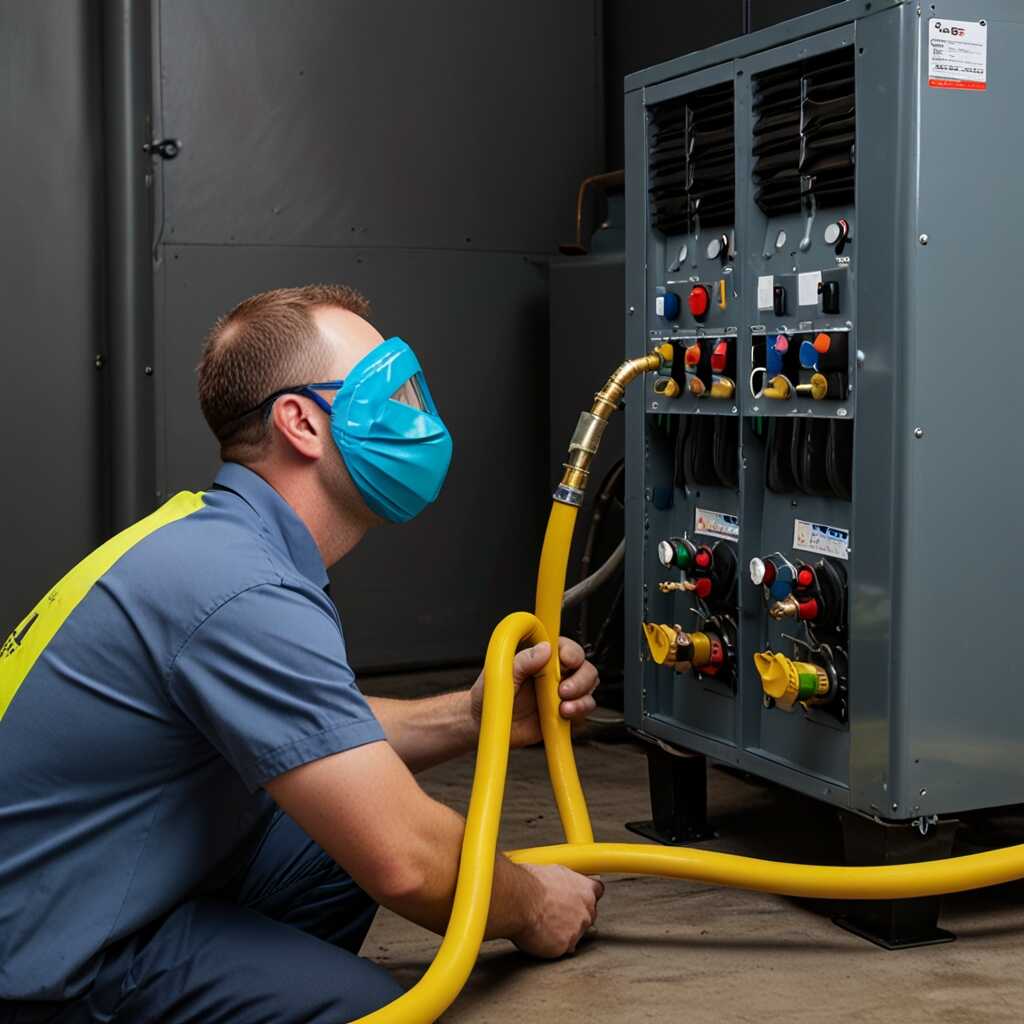
Emerging portable recovery technologies focus on IoT connectivity for remote monitoring and predictive maintenance alerts. Manufacturers are developing lighter composite materials that reduce equipment weight while maintaining durability. Variable frequency drives promise improved energy efficiency and quieter operation. Integration with refrigerant identification systems will automatically adjust recovery parameters based on detected refrigerant type. Battery-powered models under development aim to eliminate power cord limitations at remote job sites. These advancements will further reduce service call times while improving technician safety and comfort.