Refrigerant recovery machine flow rates measure the volume of refrigerant extracted per minute, typically ranging from 1-20 CFM (cubic feet per minute). Understanding these rates helps HVAC technicians complete jobs faster, with high-performance machines recovering refrigerant in 30-90 minutes compared to several hours for inefficient units. Common recovery machines like those from Appion, Robinair, and CPS achieve flow rates between 5-15 CFM.
What Are Refrigerant Recovery Machine Flow Rates?
Flow rates in refrigerant recovery machines refer to the speed at which refrigerant moves from HVAC systems into recovery cylinders, measured in CFM or pounds per minute. These rates directly impact job completion times, with higher flow rates meaning faster refrigerant extraction. Professional-grade machines typically achieve 5-15 CFM, while entry-level units operate at 1-5 CFM. The flow rate depends on compressor power, hose diameter, ambient temperature, and refrigerant type. Understanding your machine’s flow rate helps estimate job duration and plan work schedules effectively.
How Flow Rates Impact HVAC Job Efficiency
Flow rates fundamentally determine how long refrigerant recovery takes on each job. A machine operating at 10 CFM can recover refrigerant from a typical residential system in 30-45 minutes, while a 3 CFM unit might require 90-120 minutes for the same task. This difference affects daily job capacity, labor costs, and customer satisfaction. Higher flow rates also reduce compressor runtime, extending equipment life and lowering maintenance needs. Technicians using efficient recovery equipment with optimized flow rates often complete 40-60% more jobs per week compared to those using standard equipment.
Key Factors That Determine Recovery Machine Flow Rates
Compressor specifications serve as the primary determinant of flow rates, with twin-cylinder compressors typically delivering 8-15 CFM while single-cylinder models achieve 3-8 CFM. Ambient temperature significantly affects performance, as machines operate most efficiently between 60-85°F, with flow rates dropping by up to 30% in extreme temperatures. Refrigerant type also matters considerably – R-410A recovers faster than R-22 due to different vapor pressures and densities. Hose length and diameter create additional variables, where shorter, wider hoses (3/8″ or 1/2″) maintain better flow rates than longer, narrower alternatives.
Understanding Compressor Types and Their Performance Ranges
Oil-less compressors dominate the recovery machine market, offering flow rates from 5-20 CFM depending on displacement and design. Twin-cylinder models provide the highest flow rates, typically 10-20 CFM, making them ideal for commercial applications. Single-cylinder compressors, common in portable units, deliver 3-10 CFM suitable for residential work. Scroll compressors, though less common, offer consistent flow rates around 8-12 CFM with exceptional reliability. Variable-speed compressors represent the latest technology, automatically adjusting flow rates based on system pressure to maintain optimal performance throughout the recovery process.

How to Measure and Monitor Flow Rates During Recovery
Measuring actual flow rates requires monitoring both time and refrigerant weight during recovery operations. Start by recording the initial cylinder weight, then track the weight gain over specific time intervals (typically 5 or 10 minutes). Calculate flow rate by dividing pounds recovered by time elapsed. Digital recovery machines often display real-time flow rates on built-in screens, eliminating manual calculations. For accurate measurements, ensure consistent system pressure, maintain proper hose connections, and operate within recommended temperature ranges. Many technicians use flow rate comparison charts to evaluate machine performance against manufacturer specifications.
Essential Tools for Flow Rate Measurement
Digital refrigerant scales provide the most accurate method for measuring flow rates, with precision to 0.1 pounds enabling exact calculations. Electronic manifold gauges display pressure changes that indicate flow rate variations during recovery. Some advanced recovery machines include built-in flow meters showing real-time CFM readings. Temperature guns help monitor ambient conditions affecting flow rates. Recovery cylinders with sight glasses allow visual confirmation of refrigerant flow. Smartphone apps now offer flow rate calculators where technicians input weight and time data for instant results, streamlining field measurements.
Proven Strategies for Optimizing Recovery Flow Rates
Optimizing flow rates starts with proper equipment setup, including using the shortest possible hoses (ideally under 6 feet) with maximum diameter fittings. Pre-cooling recovery cylinders to 40-50°F increases vapor condensation rates, improving flow by 15-25%. Maintaining clean inline filters prevents restrictions that reduce flow rates over time. Operating recovery machines within their optimal pressure ranges, typically 0-300 PSI for most models, ensures consistent performance. Regular maintenance including oil changes, seal replacements, and valve cleaning sustains peak flow rates throughout equipment life.
Advanced Techniques for Maximum Recovery Speed
Push-pull recovery methods can double standard flow rates by using system pressure to assist refrigerant transfer before engaging the compressor. Subcooling recovery cylinders with ice baths or refrigerated storage creates greater temperature differentials, accelerating vapor condensation. Using manifold configurations that minimize pressure drops, such as straight-through ball valves instead of standard manifold valves, improves flow rates by 10-15%. Parallel cylinder setups allow continuous recovery by switching between cylinders without stopping the machine. These techniques prove especially valuable for large commercial systems containing hundreds of pounds of refrigerant.
Selecting Recovery Equipment Based on Flow Rate Requirements
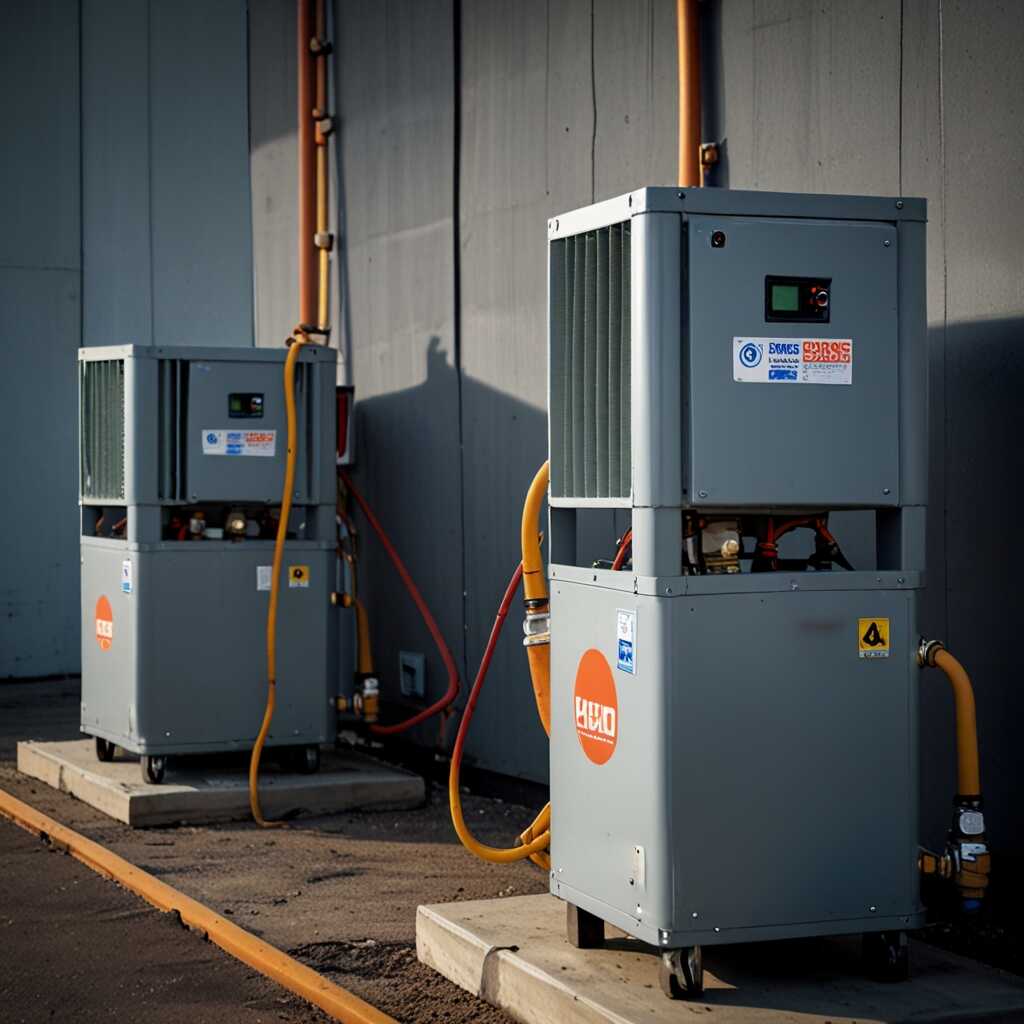
Residential HVAC technicians typically need machines delivering 3-8 CFM for efficient service calls, while commercial contractors require 10-20 CFM units for larger systems. Entry-level machines priced $400-800 usually provide adequate flow rates for occasional use. Professional-grade units costing $1,500-3,000 offer higher flow rates, better durability, and advanced features like variable-speed compressors. Consider your typical job sizes – recovering 5 pounds from a residential unit needs different flow rates than extracting 50+ pounds from commercial equipment. The detailed equipment reviews and specifications help match machines to specific workflow requirements.
Flow Rate Specifications by Application Type
Residential split systems typically contain 3-10 pounds of refrigerant, making 3-5 CFM machines adequate for reasonable recovery times. Light commercial systems holding 15-30 pounds benefit from 6-10 CFM units to maintain sub-hour recovery periods. Industrial applications with 50+ pounds of refrigerant demand 12-20 CFM machines for practical completion times. Automotive A/C recovery requires specialized machines with 0.5-2 CFM rates due to smaller system charges. Mobile HVAC technicians often choose mid-range 5-8 CFM units balancing portability with performance for diverse job types.
Critical Flow Rate Benchmarks for Different Systems
- Residential systems (3-10 lbs refrigerant): Minimum 3 CFM recommended
- Light commercial (10-30 lbs): 6-10 CFM for efficient recovery
- Commercial rooftop units (30-100 lbs): 10-15 CFM prevents extended downtime
- Industrial chillers (100+ lbs): 15-20 CFM essential for practical completion
- Automotive A/C (1-3 lbs): 0.5-2 CFM sufficient for small charges
- Refrigeration racks (50-200 lbs): Variable-speed 10-20 CFM ideal
- Recovery time target: 1-2 pounds per minute for professional efficiency
Maintenance Practices That Preserve Optimal Flow Rates
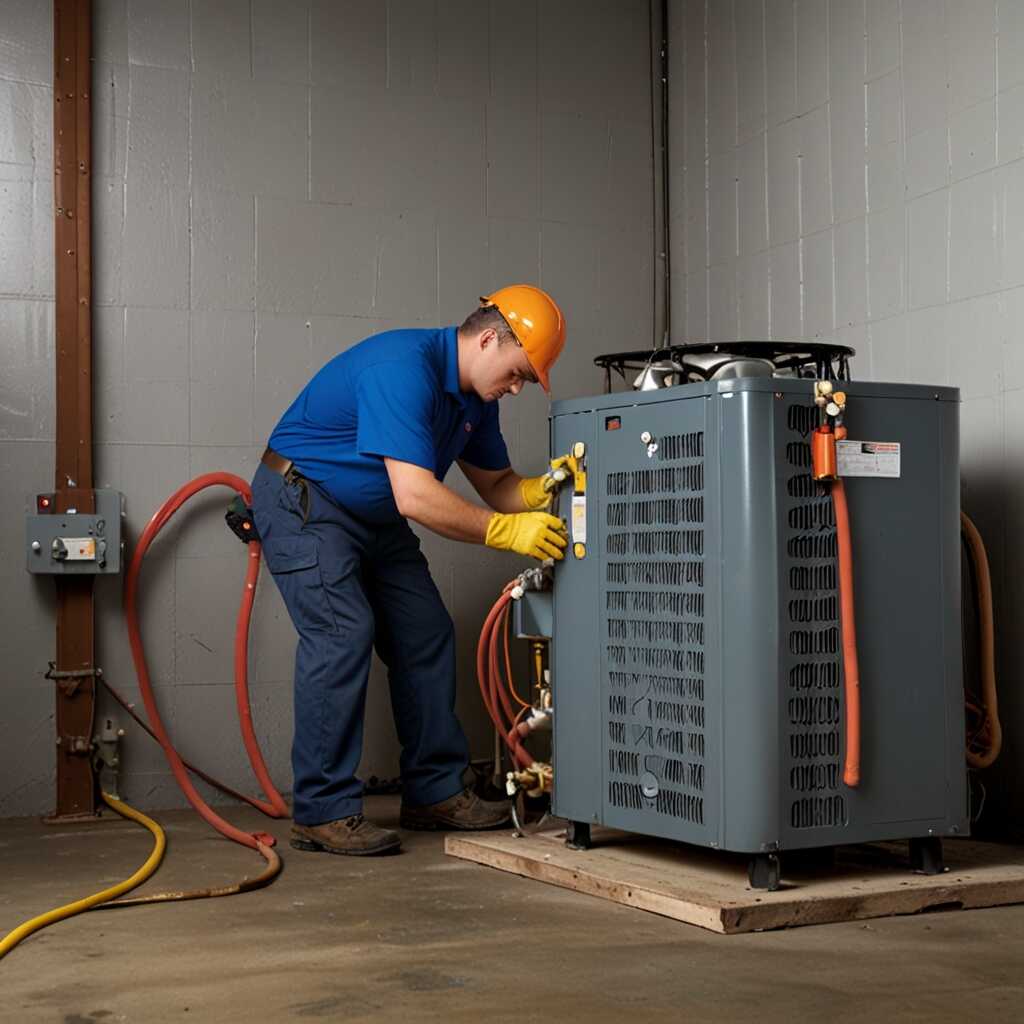
Regular maintenance directly impacts flow rate performance, with dirty filters reducing rates by 20-40% over time. Change inlet filters every 10-20 recovery jobs or when visibly contaminated with oil and debris. Compressor oil requires replacement every 100-200 operating hours to maintain proper lubrication and sealing. Check and clean check valves quarterly, as stuck valves create back-pressure reducing flow rates. Inspect hose connections for wear, as even small leaks affect system pressure and flow efficiency. Following manufacturer maintenance schedules ensures equipment operates within warranty specifications while maintaining rated flow performance.
Troubleshooting Common Flow Rate Problems
Sudden flow rate drops often indicate clogged filters, requiring immediate filter replacement to restore performance. Gradual flow reduction typically signals compressor wear, necessitating seal replacement or complete rebuild. Inconsistent flow rates suggest valve problems, where cleaning or replacing check valves usually resolves issues. Temperature-related flow variations indicate insufficient compressor cooling, solved by cleaning condenser coils or improving ventilation. Moisture contamination causes erratic flow rates and requires system purging with nitrogen followed by filter-drier installation. Most flow rate problems stem from inadequate maintenance rather than component failure.
How EPA Regulations Impact Flow Rate Requirements
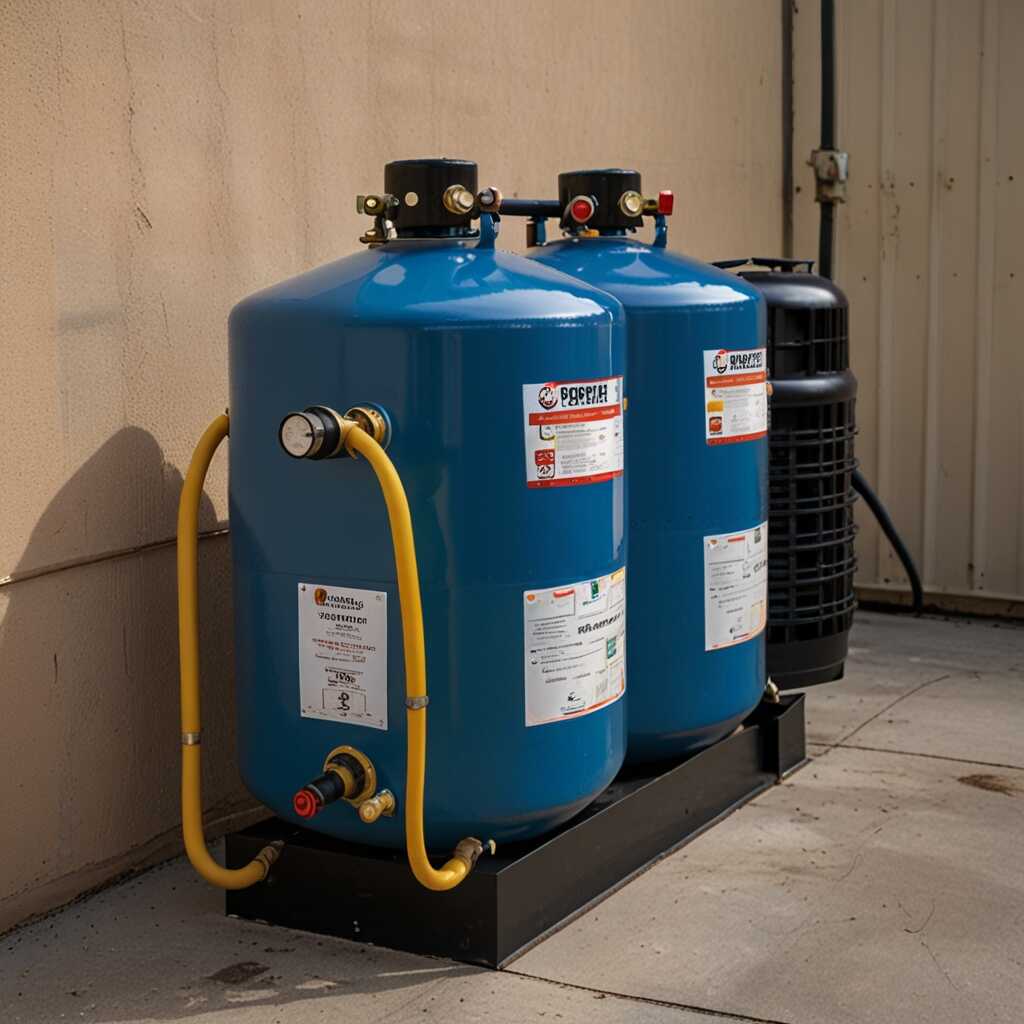
EPA regulations mandate recovering specific percentages of system refrigerant, indirectly affecting required flow rates for timely compliance. Section 608 requires recovering 80-90% of refrigerant depending on system type, making efficient flow rates essential for meeting these thresholds within practical timeframes. Recovery machines must achieve 90% recovery efficiency for systems containing less than 200 pounds of refrigerant. This requirement means machines with flow rates below 3 CFM may struggle to meet recovery percentages before refrigerant migration occurs. The comprehensive safety and compliance requirements detail how flow rates affect regulatory adherence.
Meeting Recovery Efficiency Standards Through Flow Rate Management
Achieving EPA-mandated recovery levels requires maintaining consistent flow rates throughout the recovery process. Higher flow rates enable reaching required vacuum levels faster, reducing refrigerant migration back into system components. Most technicians target flow rates allowing 90% recovery within 30-45 minutes for typical systems. Slower flow rates risk incomplete recovery as refrigerant trapped in oil or system crevices re-vaporizes. Documentation requirements also favor efficient flow rates, as extended recovery times complicate record-keeping and scheduling. Professional shops increasingly standardize on 8-12 CFM machines to ensure reliable regulatory compliance.
Common Flow Rate Management Mistakes to Avoid
Using undersized hoses ranks as the most frequent error, with technicians connecting high-flow machines to 1/4″ hoses that restrict potential flow rates by 50-70%. Ignoring ambient temperature effects leads to poor performance, especially when operating in extreme heat without allowing for reduced flow rates. Overloading recovery cylinders past 80% capacity creates back-pressure that progressively reduces flow rates during recovery. Neglecting pre-cooling of recovery cylinders forces machines to work harder against higher pressures, cutting flow rates significantly. Attempting to recover liquid and vapor simultaneously without proper machine settings causes compressor slugging and immediate flow rate drops.
Best Practices for Consistent High Flow Rates
Establish standard operating procedures including hose selection (minimum 3/8″ diameter), cylinder preparation (pre-cooled to 40-50°F), and pressure monitoring throughout recovery. Train technicians to recognize flow rate indicators like pressure gauge movements and compressor sound changes. Implement job-site checklists ensuring optimal setup before starting recovery. Schedule equipment rotation to prevent overheating during consecutive jobs. Document actual recovery times to identify machines needing service before flow rates critically decline. These practices help maintain flow rates within 10% of manufacturer specifications throughout equipment life, maximizing job efficiency and profitability.