Refrigerant recovery machines with external cooling fan systems are specialized HVAC equipment that use dedicated cooling fans to maintain optimal operating temperatures during refrigerant extraction. These systems significantly improve recovery efficiency by preventing overheating, enabling faster processing, and extending equipment lifespan. The benefits of refrigerant recovery machines with external cooling fan systems are numerous and significant for HVAC professionals. These machines improve efficiency and safety during refrigerant recovery, ensuring compliance with environmental regulations. Refrigerant Recovery Pro emphasizes the importance of using advanced recovery equipment to enhance operational practices in the HVAC industry. By understanding these benefits, technicians can better serve their clients while adhering to industry standards.
What Are Refrigerant Recovery Systems with External Cooling Technology
Refrigerant recovery systems with external cooling are specialized machines designed to extract and reclaim refrigerants from HVAC systems while maintaining optimal operating temperatures through dedicated cooling fans. These systems consist of several key components, including variable-speed compressors, high-capacity recovery tanks, multi-stage filtration systems, and most importantly, external cooling fan assemblies. The external cooling fan systems enable these machines to operate efficiently by dissipating heat generated during the recovery process, which typically ranges from 180°F to 220°F during peak operation. This design enhances the reliability and performance of refrigerant recovery machines, allowing them to handle a variety of refrigerants including R-410A, R-22, R-134a, and newer low-GWP alternatives. By understanding how these systems work, HVAC professionals can appreciate the technical advantages they offer over standard recovery equipment.
How External Cooling Fan Systems Function in Recovery Operations
External cooling fan systems work by creating controlled airflow across critical components like condensers, compressor housings, and refrigerant lines during the recovery process. These fans typically operate at speeds ranging from 1,200 to 3,000 RPM, automatically adjusting based on internal temperature sensors that monitor heat levels. The cooling process involves drawing ambient air through strategically positioned intake vents and directing it over heat-generating components before expelling warm air through exhaust ports. This continuous cooling cycle prevents thermal buildup that can reduce recovery efficiency and potentially damage sensitive internal components. External cooling fan systems play a crucial role in improving the performance of refrigerant recovery machines. By maintaining optimal temperature levels, these fans help avoid overheating and ensure steady operation. This setup enables machines to recover refrigerants faster, increasing recovery rates and reducing operational downtime. Enhanced efficiency directly correlates with operational reliability and compliance, thus helping HVAC technicians adhere to regulations while providing superior service.
Primary Benefits of External Cooling in Recovery Operations
External cooling fan systems significantly improve refrigerant recovery efficiency by maintaining optimal temperatures during the recovery process. The primary benefits include faster recovery times, typically reducing extraction periods by 25-40% compared to standard machines, improved equipment reliability through consistent temperature management, and enhanced safety for technicians working in various environmental conditions. Lower operating temperatures help prevent overheating, allowing machines to function reliably even during extended recovery sessions lasting several hours. This results in faster recovery times for HVAC technicians, ultimately enhancing workflow and operational productivity. Modern models, such as those from leading manufacturers, are specifically designed for enhanced efficiency and can process larger refrigerant volumes without performance degradation. Machines equipped with external cooling can achieve substantially higher efficiency compared to traditional machines without these systems, meaning technicians can recover more refrigerant in less time and with fewer complications, leading to better compliance with environmental regulations.
Specific Performance Improvements with Enhanced Cooling Systems
Enhanced recovery machines equipped with external cooling fan systems deliver measurable performance improvements across multiple operational areas. These machines typically feature high-capacity condensers that manage refrigerant temperatures between 40°F and 60°F more effectively than standard units. Additionally, they include adjustable fan speeds that allow for customized cooling based on specific operational needs, ambient temperatures, and refrigerant types being processed. This adaptability helps maximize recovery speed and efficiency, particularly in high-demand scenarios or challenging environmental conditions. Advanced performance analysis demonstrates enhanced recovery capabilities in real-world applications. Technicians using these advanced systems notice reduced wear on internal components, lower maintenance requirements, and more consistent performance across different job sites. These factors contribute to longer-lasting equipment and greater operational reliability, making external cooling an essential consideration for HVAC professionals focused on maximizing recovery efficiency and minimizing downtime.
Equipment Longevity and Maintenance Benefits
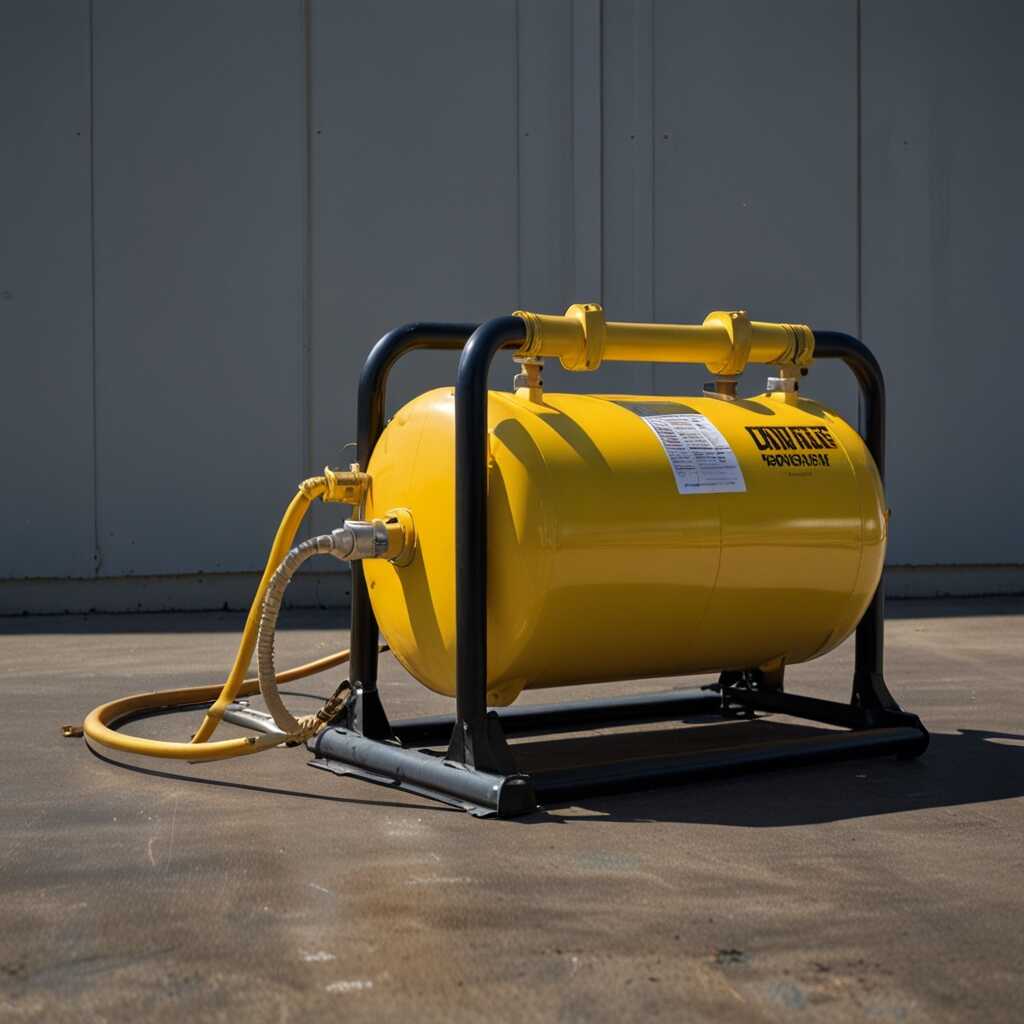
Maintaining optimal operating temperatures for refrigerant recovery machines is essential for enhancing equipment reliability and extending operational lifespan. External cooling fan systems play a significant role in achieving consistent temperature management by preventing thermal stress on critical components like compressor seals, electronic controls, and refrigerant valves. They effectively dissipate heat generated during operation, ensuring machines operate within manufacturer-specified temperature ranges. Overheating can lead to premature wear on internal components, reduced performance efficiency, and potential system failures that require costly repairs. Equipment maintenance data indicates that refrigerant recovery machines equipped with external cooling systems typically require less frequent service intervals and experience fewer heat-related component failures. The reliability of these machines improves due to consistent temperature management, allowing for better performance across various working conditions and extending overall equipment life.
Cost Savings Through Improved Equipment Durability
External cooling systems provide significant long-term cost benefits that enhance the overall value of refrigerant recovery investments. These systems actively manage operating temperatures throughout extended recovery sessions, which reduces thermal stress on expensive components like compressors, condensers, and electronic control modules. This temperature management translates to lower maintenance costs, fewer emergency repairs, and reduced downtime for HVAC businesses. Moreover, maintaining optimal temperatures reduces the likelihood of overheating-related failures, allowing machines to function consistently even during demanding recovery operations. Reliable performance means HVAC technicians can complete jobs more efficiently with greater accuracy, resulting in improved service quality, higher customer satisfaction, and better profit margins on recovery operations.
Ideal Users and Applications for External Cooling Systems
HVAC contractors who regularly handle large-scale refrigerant recovery operations benefit most from machines with external cooling fan systems. Commercial service technicians working on rooftop units, chillers, and industrial refrigeration systems find these machines particularly valuable due to their ability to handle high-volume recovery tasks efficiently. Residential HVAC professionals who service multiple units daily also appreciate the faster recovery times and improved reliability. Service companies operating in hot climates where ambient temperatures exceed 85°F during peak seasons especially benefit from external cooling technology. Additionally, technicians who frequently work with newer refrigerants like R-410A, which operate at higher pressures, find external cooling essential for safe and efficient recovery operations.
When External Cooling Systems Provide Maximum Value
External cooling systems provide maximum value during specific operational scenarios and environmental conditions. High-demand situations such as commercial HVAC maintenance, emergency service calls, and large residential projects benefit significantly from the enhanced cooling capability. Summer months when ambient temperatures are elevated present ideal conditions for external cooling systems to demonstrate their advantages. Extended recovery sessions lasting more than 30 minutes particularly benefit from consistent temperature management. Projects involving multiple units or large refrigerant volumes also showcase the efficiency improvements these systems provide, making them worthwhile investments for busy service operations.
Key Performance Statistics for Recovery Systems
- Recovery efficiency typically improves by 25-40% with external cooling systems compared to standard units.
- Operating temperature reduction of 30-50°F during peak recovery operations enhances component longevity.
- Maintenance intervals can be extended by 20-30% due to reduced thermal stress on internal components.
- Recovery time for standard residential units decreases from 45-60 minutes to 30-40 minutes on average.
- HVAC professionals report improved job site productivity and reduced equipment-related delays.
- Environmental compliance improves through more complete refrigerant recovery and reduced emissions.
- Training requirements for technicians decrease due to more reliable and predictable equipment operation.
Regulatory Compliance and Environmental Benefits of Enhanced Recovery
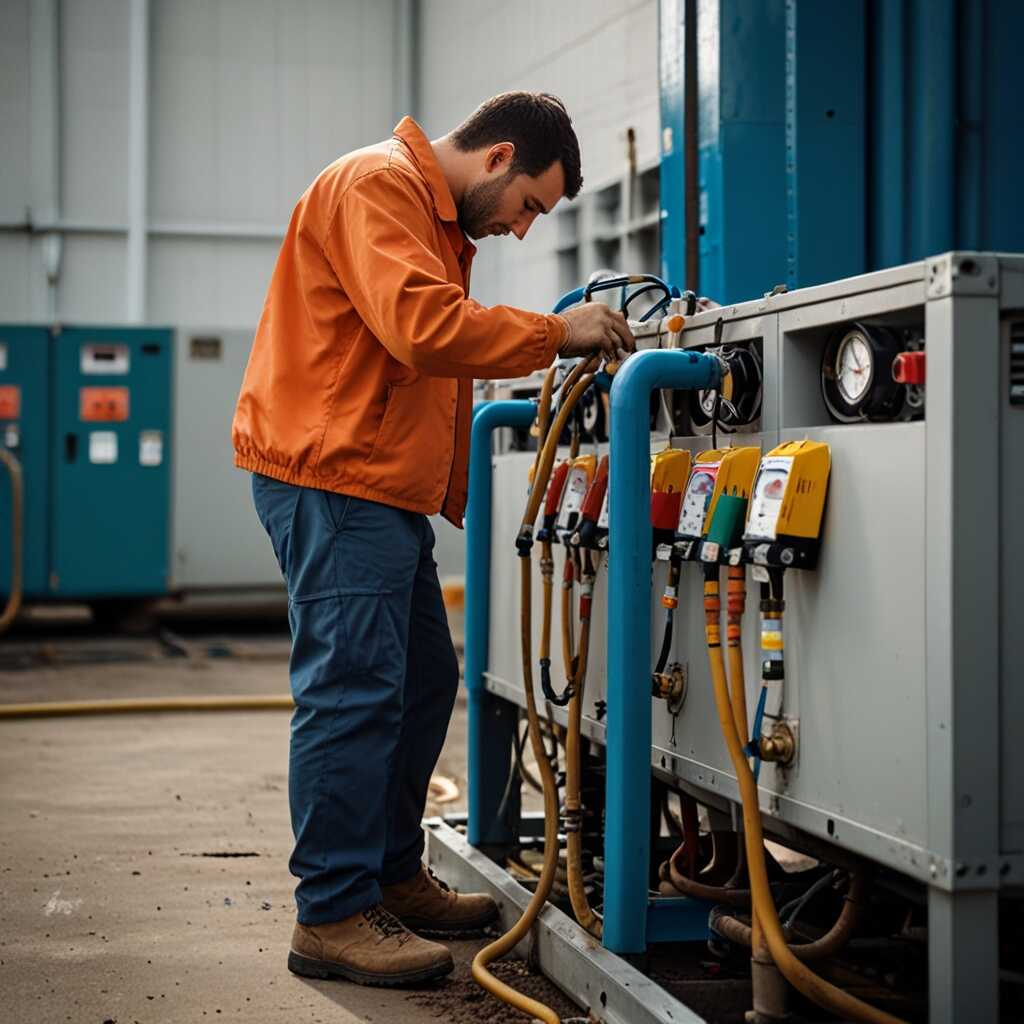
The regulatory landscape for refrigerant recovery continues to evolve, with the Environmental Protection Agency (EPA) and other regulatory bodies enforcing increasingly strict standards for refrigerant management. HVAC professionals must comply with regulations including the Clean Air Act, which outlines comprehensive standards for refrigerant recovery, handling, and disposal. Non-compliance can result in significant penalties ranging from hundreds to thousands of dollars per violation, making reliable recovery equipment essential for business operations. Enhanced recovery machines with external cooling systems improve compliance rates by enabling more complete refrigerant extraction, reducing emissions, and providing consistent performance that meets or exceeds regulatory requirements. Achieving compliance not only meets legal obligations but also improves operational efficiency, reduces environmental impact, and protects business reputation in an increasingly environmentally conscious market.
EPA Requirements and Enhanced Recovery Equipment Performance
The EPA enforces comprehensive regulations to ensure HVAC professionals manage refrigerants responsibly under Section 608 of the Clean Air Act. These regulations require technicians to recover refrigerants to specific vacuum levels, which vary depending on the type of equipment and refrigerant being serviced. Following EPA requirements helps HVAC businesses avoid potential fines and enhances their professional reputation with customers and regulatory agencies. Equipment equipped with external cooling fan systems not only meets these compliance standards more consistently but also often exceeds minimum requirements. Safety requirements compliance improves significantly with enhanced cooling systems that provide reliable performance across various operating conditions. These systems offer cooling efficiency that prolongs equipment life and ensures reliable refrigerant recovery while meeting stringent environmental standards. Staying current with EPA regulations and using compliant equipment is crucial for ongoing business operations and effective refrigerant management.
Limitations and Important Considerations
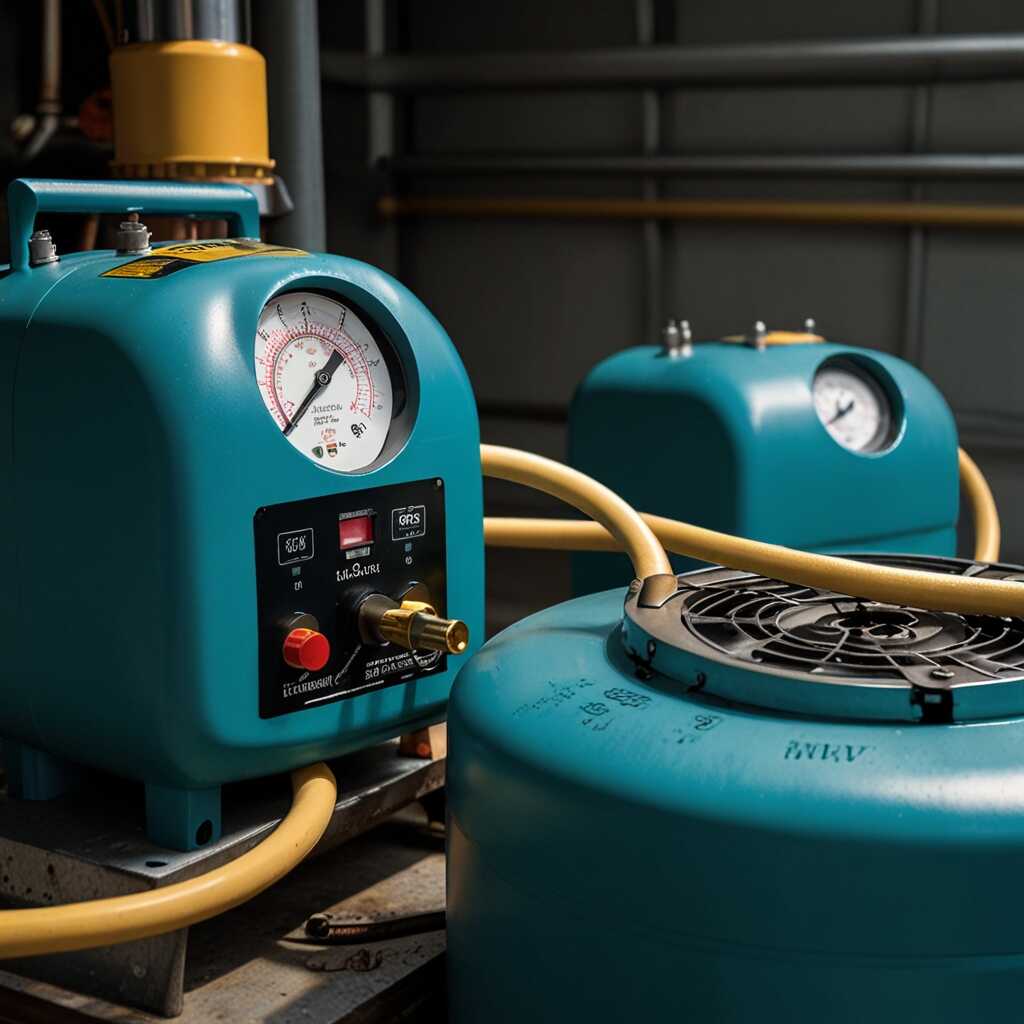
While external cooling fan systems provide significant benefits, they also have limitations that HVAC professionals should understand. The primary limitations include higher initial equipment costs, typically ranging from 15-25% more than standard recovery machines, increased complexity requiring additional maintenance of cooling fans and related components, and higher power consumption during operation. External cooling systems also add weight and bulk to recovery machines, which can impact portability for technicians working in confined spaces or upper-level installations. Additionally, cooling fans can create additional noise during operation, which may be problematic in noise-sensitive environments like hospitals or residential areas during early morning or late evening service calls. These machines may also have higher repair costs when cooling system components fail, and replacement parts may not be as readily available as standard recovery machine components.
Cost Considerations and Return on Investment
The investment in refrigerant recovery machines with external cooling systems requires careful cost-benefit analysis for most HVAC businesses. Initial purchase prices typically range from $800 to $2,500 for commercial-grade units, representing a significant upfront investment for smaller service companies. However, the return on investment often justifies the higher cost through improved efficiency, reduced service time, and lower long-term maintenance expenses. Factors affecting cost include machine capacity, cooling system complexity, additional features like automatic refrigerant identification, and manufacturer warranty coverage. HVAC businesses should consider their typical job volume, average recovery time per job, and potential time savings when evaluating the investment in external cooling technology.
Best Practices for Effective Refrigerant Recovery Operations
Maximizing refrigerant recovery efficiency involves several essential practices that apply specifically to machines with external cooling systems. Ensure your recovery machine receives regular maintenance including cleaning cooling fan intakes, checking fan operation, and verifying proper airflow around cooling components. Follow operational safety measures to protect technicians and the environment, including proper ventilation around cooling fans and monitoring for any unusual noises or vibrations. Understand the recovery machine features that enhance performance, such as adjustable fan speeds, temperature monitoring systems, and automatic cooling activation based on operating conditions. Recognize that while different recovery units vary in capability, efficient machines with external cooling can complete typical residential recovery operations within 20-35 minutes, depending on system size and refrigerant type. Using proper recovery procedures and maintaining equipment correctly makes a significant impact on the speed and effectiveness of refrigerant recovery operations.
Maintenance and Operational Efficiency Techniques
Implementing key efficiency techniques enhances refrigerant recovery operations when using external cooling systems. Start by training HVAC professionals on specific cooling system features, including fan speed adjustment, temperature monitoring, and proper airflow maintenance around equipment. This expertise helps technicians understand the importance of recovery machine calibration and the impact of ambient temperature on cooling system performance. Regularly inspect and clean cooling fan assemblies, check for proper fan operation, and test temperature sensors for optimal functionality to ensure machines can handle various refrigerants effectively. Cooling fan systems significantly affect recovery times by enabling machines to operate efficiently even during extended sessions or in high-temperature environments. Understanding these maintenance factors leads to faster recovery times, improved operational safety, enhanced equipment longevity, and overall better performance in challenging field conditions.
Advantages of Enhanced Refrigerant Collection Solutions
- Improved operational efficiency reduces recovery time by 25-40% compared to standard equipment.
- Enhanced refrigerant recovery machines enable better compliance with EPA and environmental regulations.
- External cooling systems prevent overheating, extending machine lifespan by an estimated 20-30%.
- Lower long-term maintenance costs result from reduced thermal stress on critical components.
- Technicians benefit from more predictable equipment performance across various job site conditions.
- Enhanced safety features reduce risks of equipment failure and refrigerant exposure during recovery.
- Users experience greater job satisfaction due to improved overall equipment performance and reliability.
Comparative Analysis: Standard vs. External Cooling Recovery Systems
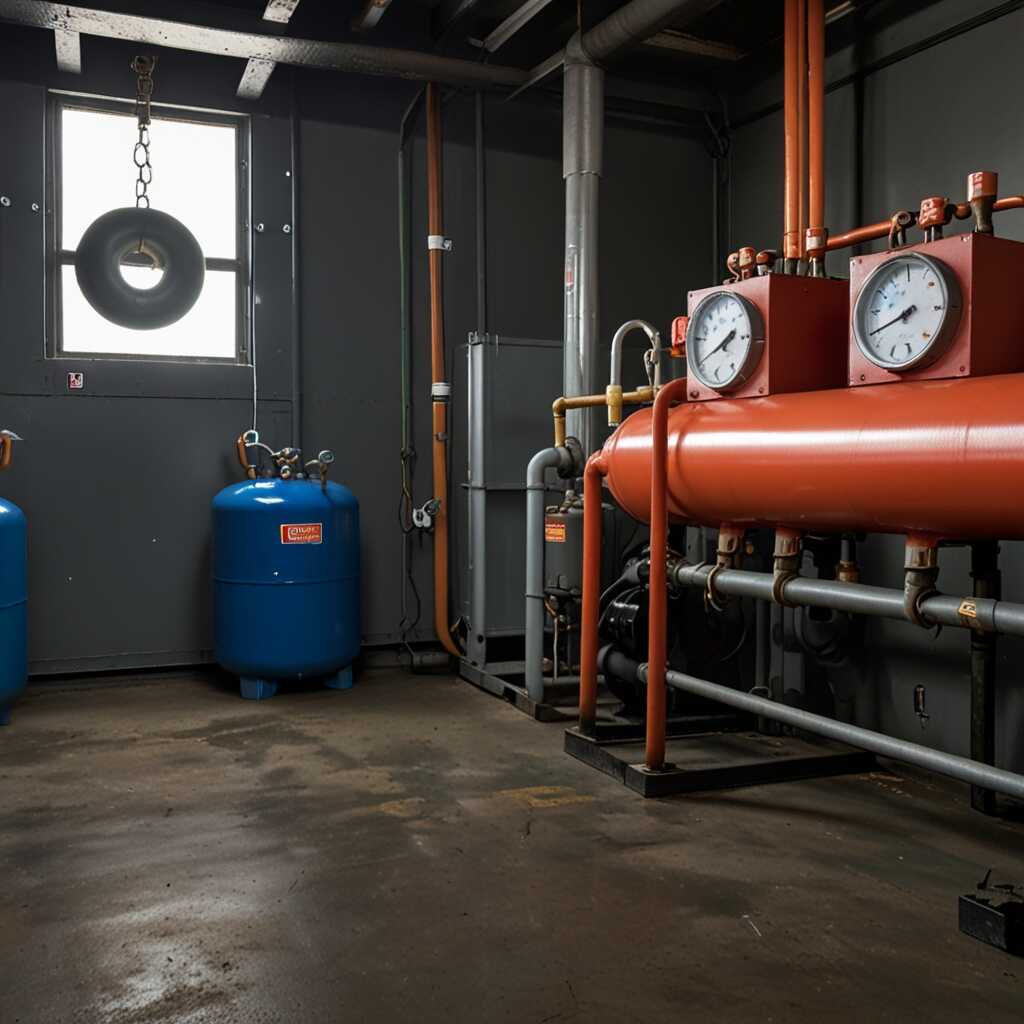
The main differences between standard refrigerant recovery machines and those equipped with external cooling fans include efficiency, recovery speed, temperature management, and long-term durability. Enhanced machines with external cooling fans operate at consistently optimal levels, significantly improving refrigerant recovery rates while maintaining safe operating temperatures. They ensure consistent performance and reduce the risk of overheating during extended recovery operations, which is particularly important for commercial applications or high-volume residential service. This translates to smoother workflows for HVAC professionals who need reliable equipment throughout demanding workdays. Enhanced recovery machines can handle larger volumes of refrigerants more efficiently, enabling technicians to complete jobs more quickly while maintaining quality standards. The efficiency improvement for these machines typically ranges from 25-40% compared to standard units, with the most significant improvements occurring during extended recovery sessions or in high-temperature environments.
Performance Metrics and Real-World Operational Benefits
Performance metrics demonstrate the substantial advantages of external cooling systems in practical applications. Enhanced models with external cooling fans offer measurable improvements including higher recovery rates, quicker cooldown times, and more consistent operation across varying environmental conditions. This superior performance helps HVAC professionals maximize productivity, reduce labor costs per job, and ensure compliance with environmental regulations more consistently. Users report that these machines perform more reliably under challenging conditions such as hot weather, confined spaces, or extended recovery sessions, providing a more comfortable and efficient working experience. Detailed comparison analysis shows enhanced performance across multiple operational parameters. Choosing models with documented performance data, positive expert reviews, and proven track records ensures long-term satisfaction and better service delivery for HVAC businesses.
Real-World Success Stories and Implementation Results
Many HVAC professionals have documented significant improvements in refrigerant extraction efficiency thanks to external cooling fan systems. One notable success story involves a regional HVAC service company that integrated external cooling fan systems into their refrigerant recovery fleet. They achieved measurable improvements including reduced recovery times, fewer equipment-related delays, and improved technician satisfaction. Commercial HVAC contractors working on large rooftop units and chiller systems frequently report enhanced performance when using machines with external cooling capabilities. The efficiency improvements vary depending on application, but field studies indicate that recovery machines with cooling fans can boost operational efficiency substantially, translating to faster project completion and reduced labor costs per job.
Case Studies Demonstrating Practical Applications
Several HVAC companies have documented successful implementations of external cooling fan systems across different market segments. For instance, a commercial refrigeration service company that adopted external cooling fan systems paired with their refrigerant recovery equipment experienced notable improvements in operational efficiency. Their field testing revealed that refrigerant recovery rates improved significantly during peak summer conditions when ambient temperatures exceeded 90°F. This efficiency gain allows them to service more clients without compromising quality standards, particularly important during busy cooling seasons. External cooling systems not only improve recovery performance but also enhance customer satisfaction by enabling more reliable, timely service delivery even under challenging environmental conditions.
Equipment Brands and Market Options
- Professional-grade manufacturers offer high efficiency models with premium cooling systems but at higher price points.
- Mid-range brands provide budget-friendly options with adequate cooling performance for smaller operations.
- Commercial-focused brands feature advanced external cooling fans optimized for extended operation times.
- Specialty manufacturers focus on reliability and cooling performance but may have limited service networks.
- HVAC contractors need efficient systems suitable for both residential and commercial applications.
- Environmental compliance officers prefer brands that emphasize eco-friendly practices and regulatory compliance.
- Small contractors often choose cost-effective machines with good manufacturer support and parts availability.
Future Technology Trends and Industry Developments
The latest innovations in refrigerant recovery technology focus on integrating smart cooling management systems, improving energy efficiency features, and developing more sophisticated external cooling solutions. These innovations provide HVAC professionals with advanced tools designed for better reliability, enhanced efficiency, and improved environmental compliance. Additionally, cooling technology continues to evolve with features like variable-speed fans, smart temperature monitoring, and automated cooling optimization helping businesses improve operational efficiency. Industry projections suggest that advanced recovery technologies with enhanced cooling systems will become increasingly important as refrigerant regulations continue to evolve and environmental requirements become more stringent.
Smart Cooling Technology and Performance Optimization
Smart cooling technology integration represents the next evolution in refrigerant recovery equipment performance. Enhanced energy efficiency features now include intelligent fan speed control, predictive cooling management, and adaptive temperature optimization that automatically adjusts cooling performance based on recovery conditions. Modern systems with upgraded cooling technology can handle higher capacities while consuming less energy, ensuring faster results without sacrificing reliability or increasing operational costs. These machines feature improved durability through advanced cooling management and easier maintenance through smart diagnostic systems, making them excellent investments for HVAC businesses looking to improve overall operational efficiency. Refrigerant Recovery Pro provides expert reviews of these technological innovations to help professionals make informed equipment decisions based on current and emerging industry trends.