
Refrigerant Recovery Pro is reader-supported: some links on this page are affiliate links, and as an Amazon Associate Refrigerant Recovery Pro earns from qualifying purchases at no extra cost to you. Learn more.
Centrifugal blower warranties typically span a range of 12 to 24 months for standard industrial units, with the most common reason for claim refusal being operation outside the rated duty cycle. If you require a blower for a high-duty cycle application, you need to confirm the manufacturer’s specific pressure and airflow limits before purchase. You should identify the maximum static pressure your system requires and ensure it falls within the blower’s rated capacity to avoid premature bearing failure.
For residential applications, you might prefer to view the best centrifugal blower for low noise exhaust.
What does a centrifugal blower warranty normally cover?
A centrifugal blower warranty normally covers manufacturing defects in the internal components and the motor assembly during the specified period. This coverage generally applies to the structural integrity of the housing and the impeller, provided the unit is installed according to the provided technical specifications. If a component fails due to a material flaw, such as a casting crack or a motor winding defect, the warranty typically facilitates a repair or replacement of that specific part.
Space-constrained projects can benefit from exploring the best centrifugal fan for small spaces.
Typical inclusions in a centrifugal blower warranty
- Manufacturing defects in the impeller casting or housing material.
- Internal motor component failures not caused by electrical surges.
- Seal failures resulting from material degradation rather than wear.
- Defects in the paint or protective coating of the blower body.
Standard exclusions for centrifugal blower coverage
- Damage caused by running the blower at pressures exceeding its rated static pressure.
- Bearing seizure resulting from operating the unit in environments exceeding its IP rating.
- Damage from moisture ingress or chemical corrosion not specified in the operating manual.
- Wear and tear on moving parts, including blades and seals, during normal operation.
- Damage caused by improper electrical supply, such as voltage spikes or phase imbalances.
Examples from this category, each with its own review here
3 options shown here, $115.45 to $146.33, each with its own full review behind its name.
Residential users can compare options in the best centrifugal blower for home ventilation.

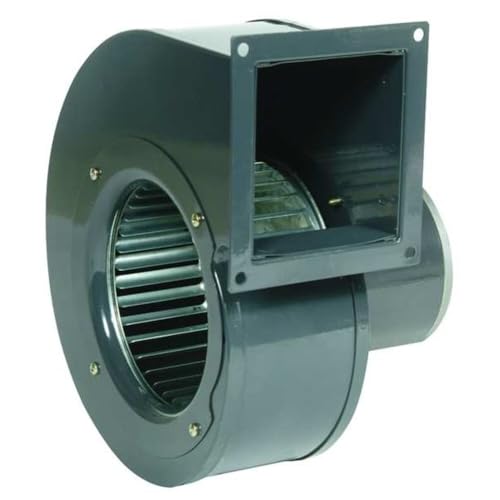
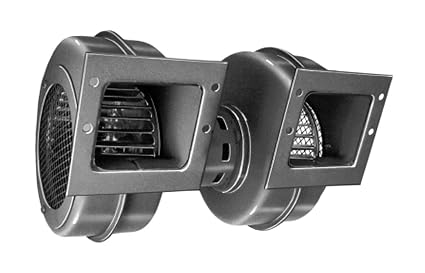
How does the purchase location affect the blower warranty?
How the purchase location affects the blower warranty depends on the legal and logistical relationship between the seller and the manufacturer. Buying directly from the manufacturer often provides the most straightforward path to a claim, as the manufacturer maintains direct control over the warranty fulfillment process. In this scenario, the buyer interacts with the original equipment manufacturer (OEM) to verify the serial number and initiate the claim process.
To ensure safety against gas seepage, research the best centrifugal fan for radon mitigation.
Direct manufacturer and authorised retailer purchases
When you buy from an authorised retailer, the warranty remains the manufacturer’s responsibility, but the retailer often acts as the initial point of contact for logistics. The authorised retailer has a verified agreement to facilitate repairs or replacements, ensuring that the warranty remains valid and accessible. This is the most reliable route for ensuring that the warranty terms provided at the point of sale match the manufacturer’s actual coverage.
Industrial safety requirements are covered in the best centrifugal blower for laboratory fume hood ventilation.
Marketplace and grey-market seller implications
A marketplace seller often acts as a middleman, which can complicate the claim process if the seller is not an official distributor. If a marketplace seller provides a warranty, it is often a limited “seller warranty” rather than a full manufacturer’s warranty, which may only cover the first 30 to 90 days. Grey-market sellers—importers who sell products from regions where the manufacturer does not officially operate—may provide no manufacturer warranty at all, as the product may not be registered in the local region.
If a blower isn’t ideal for your setup, explore the alternatives to a centrifugal blower.
Refurbished and open-box seller limitations
Refurbished or open-box sellers typically provide a much shorter, limited warranty that focuses only on the unit’s functionality upon arrival. These warranties rarely cover long-term mechanical failures of the bearings or motor, as the internal life of the components has already been partially used. If you choose a refurbished unit, you must verify if the seller provides a dedicated warranty and what the specific duration and scope of that coverage are before completing the purchase.
Ensuring your unit meets code is easy when you review the required certifications and safety standards.
What actions void a centrifugal blower warranty?
Actions that void a centrifugal blower warranty usually involve physical modifications or operating conditions that exceed the design limits of the motor or impeller. Operating a blower at a rotational speed higher than its rated RPM can cause rapid heat buildup and bearing seizure, which is a standard reason for denying a claim. If the blower is used to move air through a ducting system that creates a static pressure higher than the rated limit, the resulting stress on the impeller can also void the coverage.
New users can get up to speed by viewing the centrifugal blower terms and specs explained.
How modifications and improper installation void a centrifugal blower warranty
Removing or modifying the housing, altering the impeller geometry, or drilling into the blower body typically voids the warranty immediately. These actions change the balance and aerodynamic properties of the unit, which can lead to vibration issues that the manufacturer will not cover. Additionally, installing the blower without the correct mounting hardware or in a way that allows for excessive vibration can lead to a denied claim due to “improper installation.”
Understanding your options is easier when you see the different types of centrifugal blowers explained.
Environmental and electrical violations that void a centrifugal blower warranty
Exposing the blower to environments that exceed its IP rating, such as heavy dust or water spray, will void the warranty if the internal components are damaged. Similarly, using a blower with a power source that does not match the required voltage or frequency can burn out the motor windings. Because electrical damage is often indistinguishable from manufacturing defects without a forensic inspection, these violations can lead to long wait times or outright denials during the claim process.
Detailed performance data is available in our full Fasco B24220 review.
What should you do before buying to ensure a valid claim?
What you should do before buying to ensure a valid claim involves documenting the product’s condition and your specific requirements before the unit arrives. A buyer might order a blower, receive it, and find that the serial number is not registered or the warranty period is shorter than expected. By following a specific sequence of steps, you ensure that the warranty remains a viable safety net for your investment.
You can see the performance data in our full Hurricane Inline Fan review.
Steps to verify centrifugal blower specifications and warranty coverage
First, identify your maximum required static pressure and airflow capacity to ensure the unit is rated for your specific application. Next, request a written confirmation of the warranty duration and the specific coverage terms from the seller before paying. Once the unit arrives, record the serial number and take photos of the condition of the housing and motor. Finally, keep all original shipping documents and the physical warranty card in a safe place for the duration of the coverage period.
For a specialized setup, see our full Radon Fan Kit review.
Required documentation and records to ensure a valid blower claim
- A copy of the original purchase receipt showing the date and seller details.
- The manufacturer’s warranty card or a digital copy of the terms of service.
- Photos of the blower’s serial number and the condition of the unit upon arrival.
- A record of the specific installation site conditions, such as the ambient temperature and humidity.
When is an extended warranty worth it for a centrifugal blower?
An extended warranty for a centrifugal blower is worth it if the unit is intended for continuous, high-duty cycle operation in a demanding industrial environment. If you are using the blower for intermittent tasks, such as occasional ventilation or periodic cooling, the standard manufacturer’s warranty is usually sufficient. However, for applications where the blower runs 24/7, an extended warranty provides a buffer against the gradual wear of bearings and seals that occurs over several years. If the cost of the extended warranty is less than the cost of a new unit plus the downtime of your operation, it is a logical choice for high-use scenarios.
You can find the technical details in our full Fasco B47120 review.
The other centrifugal blower guides we have published
- Choosing the Best Centrifugal Blower Under $300
- Best Centrifugal Blowers for Laboratory Fume Hood Ventilation
- Radon Mitigation Centrifugal Fans Compared
- Choosing the Best Centrifugal Blower for Medicine Cabinets
- The Centrifugal Fans That Work Best for 4 Inch Ductwork
- Which Centrifugal Blower Is Best for Low Noise Exhaust?