Sealed bearing motors require less maintenance because protective seals prevent dust, moisture, and contaminants from entering critical components. This design eliminates common failure points found in traditional open-bearing motors, such as bearing contamination and premature wear. Unlike conventional motors that need regular lubrication and cleaning, sealed bearing systems operate with minimal intervention. Comparing sealed versus traditional motor designs reveals significant differences in maintenance requirements.
What Are Sealed Bearing Motors in HVAC Systems
Sealed bearing motors are specialized components designed with protective enclosures around bearing assemblies. These motors prevent external contaminants like dust, moisture, and debris from reaching internal moving parts. The sealed design creates a barrier that maintains optimal lubrication levels and prevents bearing degradation. In refrigerant recovery applications, these motors handle the demanding task of compressing and moving refrigerants through recovery systems. HVAC professionals typically choose sealed bearing motors for environments where traditional motors would require frequent maintenance due to contamination exposure.
How Sealed Bearing Motors Differ From Traditional Designs
Traditional open-bearing motors expose internal components to environmental conditions, requiring regular maintenance to prevent contamination-related failures. Sealed bearing motors eliminate this vulnerability through protective housing that maintains internal cleanliness. The sealing mechanism typically involves rubber or metal shields that create barriers around bearing assemblies. This fundamental difference affects maintenance schedules, with sealed systems requiring inspection rather than routine component replacement. Manufacturing processes for sealed bearings involve precision engineering to ensure long-term seal integrity while maintaining motor performance standards.
Why Sealed Bearing Motors Reduce Maintenance Requirements
Sealed bearing motors reduce maintenance through contamination prevention, which addresses the primary cause of bearing failure in HVAC applications. Traditional motors accumulate dust and moisture over time, leading to bearing degradation and reduced efficiency. Sealed designs maintain clean internal environments that preserve lubrication and prevent corrosive damage. Maintenance intervals for sealed motors focus on external inspections and electrical connections rather than internal component servicing. This approach reduces labor costs and minimizes system downtime during routine maintenance procedures.
Understanding the Protective Design Benefits
The protective design features of sealed bearing motors enhance their reliability and efficiency in refrigerant recovery applications. Sealed assemblies prevent the entry of airborne particles that typically cause bearing wear in open systems. Internal lubrication remains clean and effective for extended periods, reducing the need for relubrication cycles. Temperature stability improves because sealed bearings maintain consistent internal conditions regardless of external environmental factors. Refrigerant Recovery Pro provides expert guidance to help users select the best options for their needs.
Comparing Sealed and Traditional Bearing Motor Performance
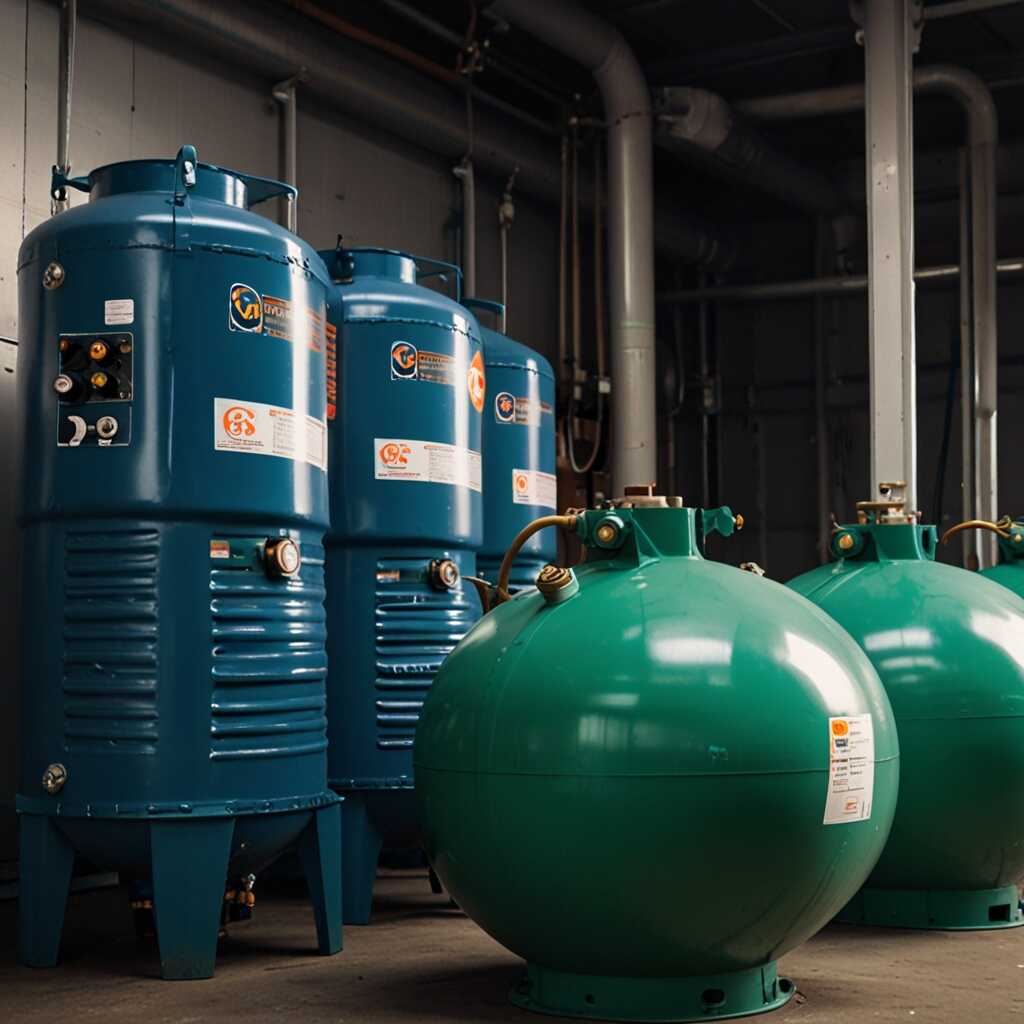
Sealed bearing motors provide superior contamination resistance compared to traditional bearing motors in refrigerant recovery applications. Traditional motors require regular bearing inspection, cleaning, and lubrication to maintain performance standards. Sealed systems eliminate many routine maintenance tasks by preventing contamination at the source. Operating environments with high humidity, dust, or chemical exposure particularly benefit from sealed bearing technology. Performance consistency remains stable over extended periods because internal components avoid exposure to degrading environmental factors.
Understanding Efficiency Advantages in Sealed Designs
Sealed bearing motors deliver excellent efficiency by maintaining optimal internal conditions throughout their service life. Contamination-free operation reduces friction and heat generation compared to traditional motors operating in harsh environments. Energy consumption remains consistent because sealed bearings avoid the performance degradation associated with contaminated open bearings. Temperature management improves through sealed designs that prevent external factors from affecting internal bearing temperatures. HVAC professionals prefer sealed motors for demanding applications requiring reliable and high-quality solutions in refrigerant recovery systems.
What Are the Limitations of Sealed Bearing Motors
Sealed bearing motors have higher initial costs compared to traditional open-bearing designs due to specialized manufacturing requirements. Repair options become limited because sealed assemblies often require complete replacement rather than individual component servicing. Diagnostic procedures differ from traditional motors since internal bearing condition cannot be directly inspected without disassembly. Understanding motor specifications and performance requirements helps determine when sealed bearing technology provides sufficient value despite these limitations.
Maintenance Frequency Comparisons
- Traditional motors typically require bearing inspection every few months in dusty environments.
- Sealed bearing motors need external cleaning and electrical connection checks periodically.
- Lubrication schedules differ significantly, with sealed systems requiring minimal intervention.
- Contamination-related repairs occur less frequently with sealed bearing designs.
- System downtime reduces because sealed motors require fewer maintenance interruptions.
- Labor costs decrease through simplified maintenance procedures for sealed systems.
- Equipment longevity improves when contamination prevention protects internal components.

Environmental Factors Affecting Motor Longevity
Environmental conditions significantly impact refrigerant recovery motor performance and maintenance requirements across different applications. High humidity environments accelerate corrosion in traditional open-bearing motors while sealed designs provide protection against moisture intrusion. Dust and debris accumulation affects traditional motors more severely than sealed systems that prevent contamination entry. Temperature extremes challenge both motor types, but sealed bearings maintain stable internal conditions that resist performance degradation. Industrial settings with chemical exposure particularly benefit from sealed motor technology that isolates internal components from corrosive atmospheres. Average lifespan estimates for well-maintained sealed bearing refrigerant recovery motors depend on operating conditions and application demands.
How Usage Patterns Impact Sealed Motor Performance
Understanding how usage patterns influence sealed bearing refrigerant recovery motors helps optimize performance and maintenance planning. Continuous operation challenges both sealed and traditional motors, but contamination protection provides advantages in extended-use scenarios. Intermittent use patterns allow traditional motors to avoid contamination buildup between operating cycles, reducing some maintenance differences. Load cycling affects bearing stress in all motor types, though sealed designs typically handle variable loads more consistently. Proper motor selection based on expected usage patterns ensures optimal performance and maintenance efficiency for specific refrigerant recovery applications.
Essential Maintenance Practices for Refrigerant Recovery Motors
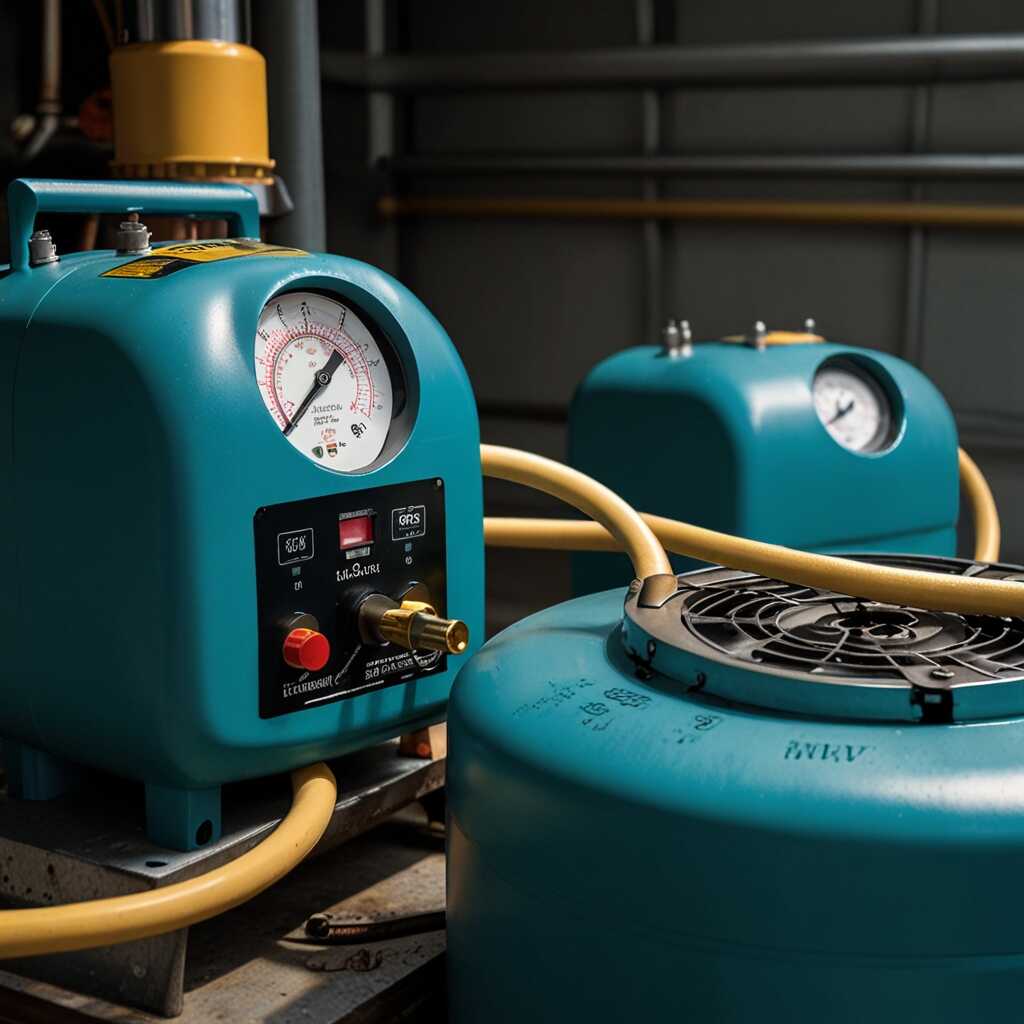
Key maintenance practices for sealed bearing refrigerant recovery motors include routine electrical connection inspections, external cleaning, and performance monitoring. Essential tools for these tasks include multimeters for electrical testing, cleaning supplies for external maintenance, and diagnostic equipment for performance assessment. Maintenance schedules vary based on operating conditions, with sealed motors typically requiring less frequent intervention than traditional designs. Visual inspections help identify potential issues before they affect system performance or reliability.
Tools and Procedures for Sealed Motor Maintenance
Maintaining sealed bearing refrigerant recovery motors requires specific tools and procedures adapted to sealed system designs. Essential equipment includes electrical testing instruments, external cleaning materials, and vibration analysis tools for condition monitoring. Maintenance procedures focus on external components and electrical systems since internal bearing access remains limited in sealed designs. Cleaning protocols involve removing external contamination without compromising seal integrity. High-quality diagnostic tools help assess motor condition without requiring disassembly, preserving sealed system advantages while ensuring reliable operation.
When to Replace Sealed Bearing Motors
- Electrical failures affecting motor windings or control circuits require professional assessment.
- Seal damage compromising contamination protection warrants replacement consideration.
- Performance degradation exceeding acceptable limits indicates potential internal issues.
- Vibration or noise increases suggesting bearing problems within sealed assemblies.
- Temperature abnormalities indicating internal component stress or failure.
- Cost analysis comparing repair versus replacement helps guide decision-making.
- System compatibility ensures replacement motors meet application requirements.
Cost Considerations for Motor Maintenance and Selection
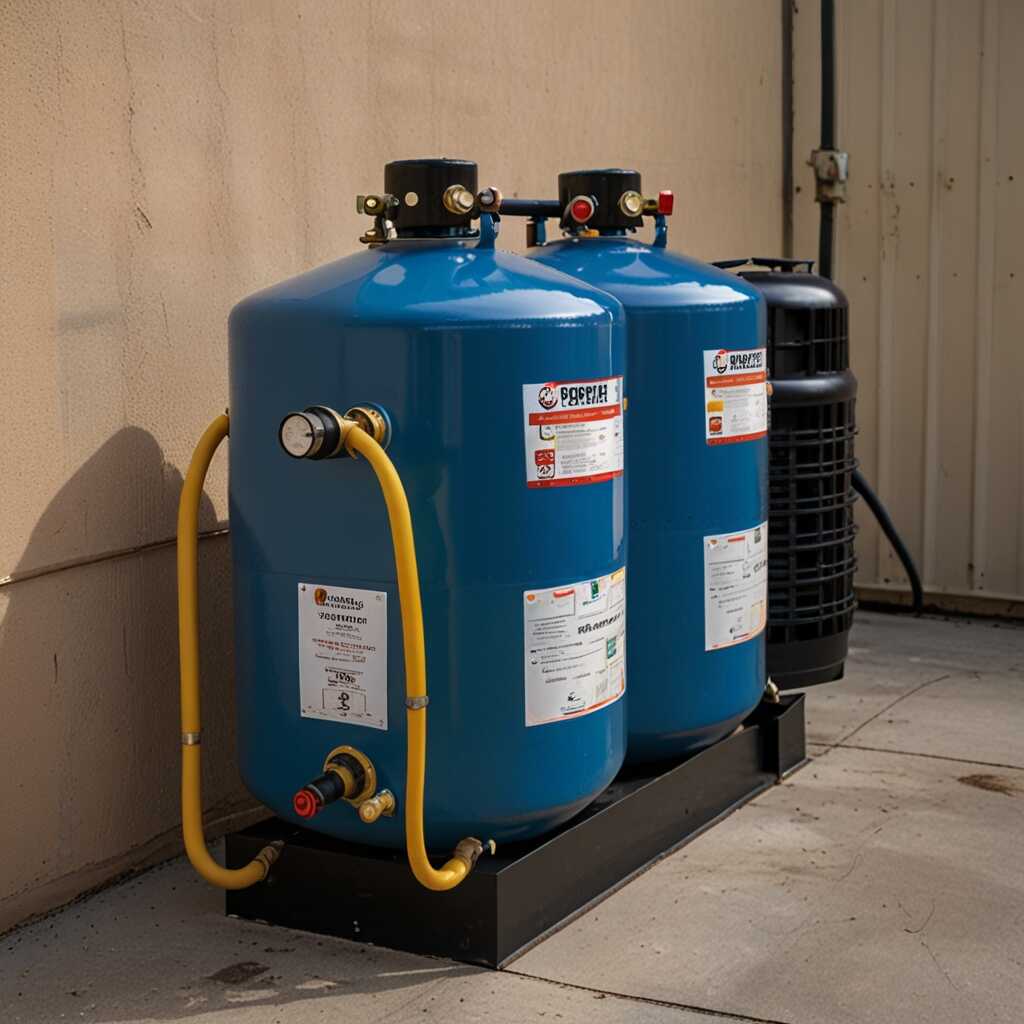
Sealed bearing motors typically involve higher initial investment compared to traditional motor designs due to specialized manufacturing and quality requirements. Sealed bearing technology enhances performance reliability while reducing routine maintenance expenses over time. Traditional motor maintenance includes regular lubrication, bearing replacement, and cleaning procedures that accumulate labor and material costs. HVAC professionals often find that sealed bearing motors provide long-term value through reduced maintenance requirements and improved reliability. Cost analysis should consider initial purchase price, maintenance expenses, and potential downtime costs when comparing motor options.
Factors Influencing Long-term Motor Costs
Several factors influence long-term costs for HVAC motors beyond initial purchase price considerations. Sealed bearing motors reduce routine maintenance expenses through contamination prevention and simplified service procedures. Labor costs decrease when maintenance tasks require less time and expertise for sealed systems compared to traditional motors. Replacement part availability and costs differ between motor types, with sealed systems often requiring complete assembly replacement. Environmental conditions affect maintenance frequency and costs, with sealed motors providing advantages in challenging operating environments. Total cost of ownership calculations should include all maintenance, energy, and replacement costs over expected motor service life.
Applications of Sealed Bearing Motors in Refrigerant Recovery
Sealed bearing motors are commonly used in refrigerant recovery systems across various HVAC and refrigeration applications. Commercial recovery units often incorporate sealed bearing compressor motors to handle diverse refrigerant types and operating conditions. Portable recovery systems benefit from sealed motor technology that provides reliable operation in different work environments. Industrial applications with harsh operating conditions particularly favor sealed bearing motors for their contamination resistance and reduced maintenance requirements. The sealed design ensures consistent performance whether recovering R-410A, R-22, or other refrigerant types commonly encountered in HVAC service work.
Performance Advantages in Demanding Applications
Sealed bearing motors offer numerous performance advantages in refrigerant recovery applications requiring consistent operation under varying conditions. Contamination resistance ensures reliable operation in dusty workshops, humid environments, and outdoor service locations. Performance consistency remains stable across different refrigerant types and operating pressures encountered in HVAC service work. Temperature management improves through sealed designs that maintain internal bearing conditions regardless of external factors. Service technicians report fewer equipment failures and reduced maintenance interruptions when using sealed bearing recovery systems, enhancing the reliability of refrigerant recovery operations across diverse applications.
Popular Brands and Applications in HVAC Service
- Copeland and Emerson manufacture sealed bearing motors for commercial recovery systems.
- Portable recovery units often feature sealed motor technology for field reliability.
- Emerson motors target commercial applications requiring consistent performance standards.
- Both manufacturers provide technical support and documentation for service applications.
- Residential service technicians prefer sealed motors for reduced maintenance in mobile equipment.
- Commercial applications benefit from sealed motor durability in demanding environments.
- Training programs often emphasize sealed motor technology for modern HVAC service practices.
Future Developments in Refrigerant Recovery Motor Technology
Recent innovations in refrigerant recovery motor technology focus on improving efficiency, reliability, and environmental compatibility. Advanced sealing materials enhance contamination protection while reducing manufacturing costs for sealed bearing systems. Digital monitoring capabilities enable predictive maintenance approaches that optimize service intervals for both sealed and traditional motor designs. Variable speed control integration improves energy efficiency and system performance across different operating conditions. Manufacturers continue developing motor technologies compatible with emerging refrigerant types and evolving environmental regulations affecting HVAC service practices.
Key Features of Modern Refrigerant Recovery Motors
Modern refrigerant recovery motors offer impressive features that enhance HVAC system efficiency and serviceability. Integrated diagnostic capabilities provide real-time performance monitoring and maintenance alerts for proactive service management. Energy efficiency improvements reduce operating costs while maintaining recovery performance standards. Noise reduction technologies create quieter operation suitable for indoor and noise-sensitive applications. Modular designs facilitate easier integration with existing recovery systems and simplified replacement procedures. Advanced testing and validation methods ensure reliable performance across diverse refrigerant recovery applications and operating conditions.