Factory-tested refrigerant recovery units are essential for ensuring reliable performance in HVAC applications. These units undergo rigorous testing to meet industry standards before they reach the market. Choosing factory-tested options from Refrigerant Recovery Pro enhances efficiency and compliance with regulatory requirements. Expertise and support from our team can help HVAC professionals make informed purchasing decisions and improve field performance.
What Are Factory-Tested Refrigerant Recovery Units
Factory-tested refrigerant recovery units are specialized HVAC equipment that undergo comprehensive quality validation before market release. These units are designed to extract refrigerants from air conditioning and refrigeration systems safely and efficiently. The factory testing process involves multiple evaluation stages, including pressure testing, leak detection, and performance verification under various operating conditions. This rigorous testing ensures the equipment meets industry standards such as AHRI certification and EPA compliance requirements. HVAC technicians rely on these tested units because they provide consistent performance and reduce the risk of equipment failure during critical service calls.
How Factory Testing Improves Equipment Reliability
Factory-tested refrigerant recovery units offer significant advantages over non-tested alternatives, primarily through enhanced reliability and operational consistency. These units undergo thorough evaluation processes that identify potential weaknesses before they reach field applications. The testing procedures validate that equipment can handle different refrigerant types, including R-410A, R-22, and newer environmentally-friendly refrigerants. HVAC technicians benefit from improved job efficiency since tested units typically experience fewer unexpected breakdowns. The comprehensive validation process also ensures compliance with safety regulations and environmental standards, which helps contractors avoid potential regulatory issues and maintain professional credibility with clients.
Understanding Testing Standards and Compliance Requirements
Performance and reliability metrics of refrigerant recovery equipment depend on adherence to established industry standards. Factory-tested units must comply with AHRI Standard 740 for refrigerant recovery equipment and EPA Section 608 regulations for refrigerant handling. These standards require units to demonstrate proper refrigerant recovery capabilities, minimal leakage rates, and appropriate safety features. Tested units typically achieve recovery rates that meet or exceed industry benchmarks, allowing technicians to complete jobs more efficiently. Understanding these compliance requirements helps HVAC professionals select equipment that meets both performance expectations and regulatory obligations.
Comprehensive Testing Procedures for Recovery Equipment
Factory-tested refrigerant recovery units undergo extensive evaluation protocols to ensure reliable field performance. These testing procedures typically include leak detection assessments, pressure capacity evaluations, and efficiency measurements under various temperature conditions. Units must demonstrate consistent operation across multiple refrigerant types and maintain proper performance during extended use cycles. The testing process also evaluates safety features such as automatic shutoff mechanisms, pressure relief systems, and electrical safety components. Quality control measures during testing help verify that each unit meets manufacturer specifications and industry standards before shipment to distributors and end users.
Essential Testing Procedures for Equipment Validation
Key testing procedures for refrigerant recovery units are designed to evaluate multiple performance aspects under controlled conditions. Testing protocols include operational capacity assessments at various ambient temperatures, typically ranging from 40°F to 120°F, to simulate real-world working environments. Units must demonstrate efficient refrigerant recovery capabilities while maintaining appropriate energy consumption levels. Durability testing involves running units through multiple operational cycles to ensure consistent performance over time. These comprehensive evaluations help manufacturers identify potential issues and verify that equipment meets both performance standards and safety requirements for professional HVAC applications.
Key Features of Reliable Recovery Equipment
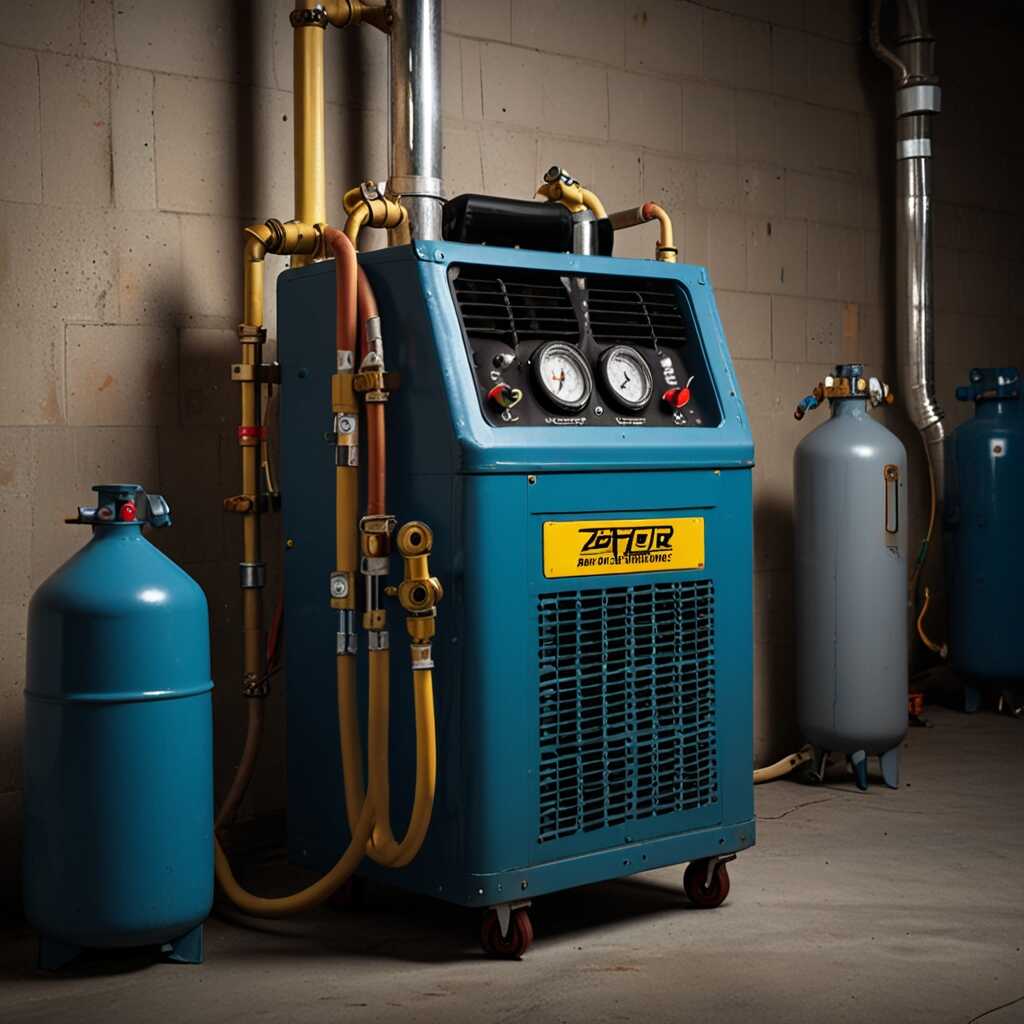
Dependable refrigerant recovery units exhibit essential characteristics that enhance their field reliability and performance consistency. These units typically feature high-efficiency compressors designed for continuous operation and robust heat exchangers that maintain optimal cooling performance. Durable construction materials, including corrosion-resistant components and reinforced housing, ensure long-term reliability in demanding work environments. User-friendly control systems with clear displays and intuitive operation interfaces help technicians work more efficiently and reduce the likelihood of operational errors. Quality manufacturing standards and thorough testing procedures provide HVAC professionals with equipment they can trust for critical service applications.
Cost Factors for Factory-Tested Equipment
The cost of factory-tested refrigerant recovery units varies significantly based on capacity, features, and manufacturer specifications. Entry-level tested units typically range from several hundred to a few thousand dollars, while commercial-grade equipment with advanced features can cost significantly more. Factors affecting price include recovery capacity measured in pounds per hour, compatibility with multiple refrigerant types, and additional features such as built-in scales or automated operation modes. Budget considerations should include the long-term value of reliable equipment versus potential costs associated with equipment failures, including lost productivity and customer service issues. HVAC professionals often find that investing in quality tested equipment provides better long-term value through improved reliability and reduced maintenance requirements.
Benefits of Comprehensive Equipment Testing
- Reliable performance enhances overall job efficiency in HVAC applications and reduces unexpected equipment failures.
- Factory-tested units typically demonstrate consistent refrigerant recovery rates across different operating conditions and refrigerant types.
- Comprehensive testing identifies potential design flaws or manufacturing defects before equipment reaches end users.
- Tested equipment often includes enhanced safety features validated through rigorous evaluation procedures.
- Using factory-tested units supports regulatory compliance and helps avoid potential violations of EPA refrigerant handling requirements.
- Quality testing procedures ensure equipment meets industry standards for performance, safety, and environmental protection.
- HVAC professionals report higher customer satisfaction when using reliable, tested equipment for service calls.
Comparing Factory-Tested and Non-Tested Recovery Units
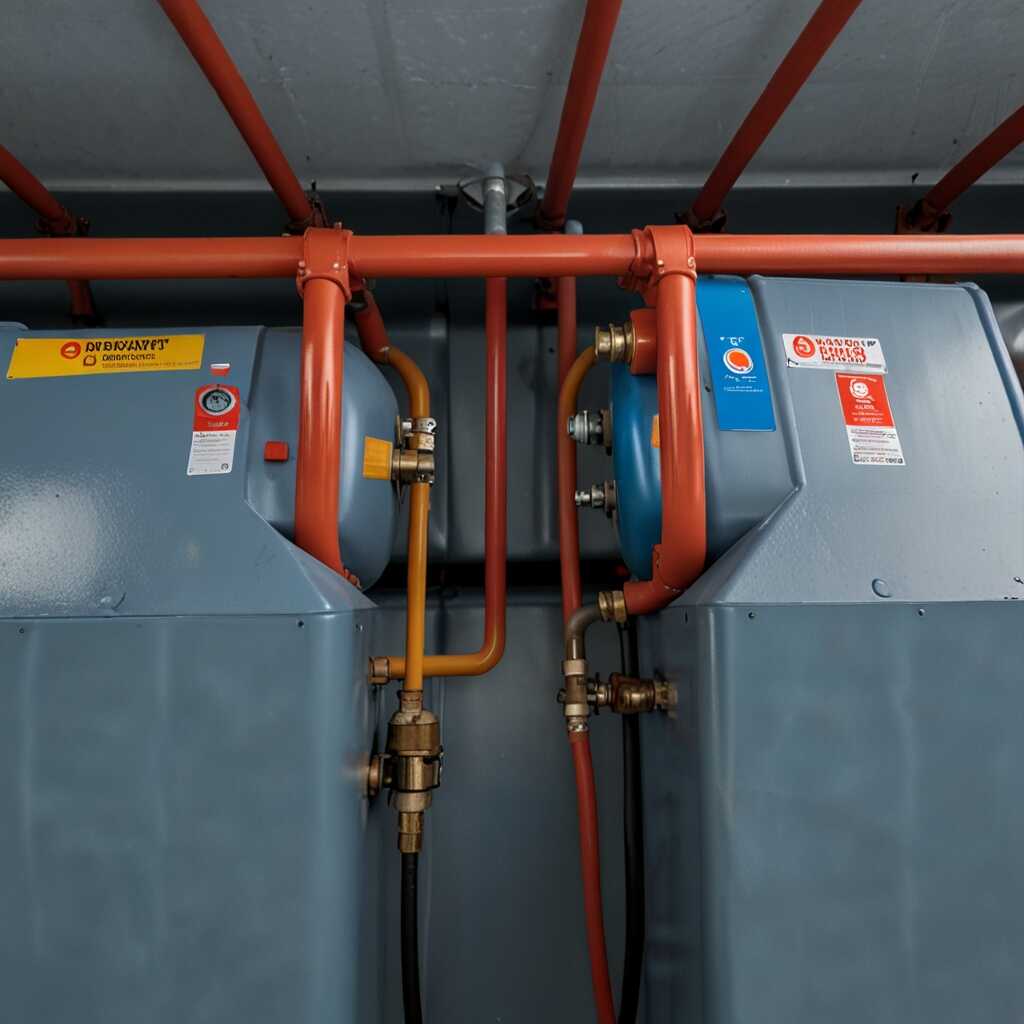
The comparison between factory-tested refrigerant recovery units and non-tested alternatives reveals significant differences in performance reliability and long-term value. Factory-tested units provide documented performance capabilities and demonstrated compliance with industry standards, while non-tested units often lack verifiable performance data. Tested equipment typically includes comprehensive warranties and manufacturer support, reflecting confidence in the product’s reliability. Non-tested units may appear more affordable initially but can result in higher total costs due to increased maintenance requirements, unexpected failures, and potential compliance issues. Professional HVAC technicians generally prefer tested equipment because it provides predictable performance and reduces the risk of service call complications.
Performance Differences Between Tested and Non-Tested Units
Performance metrics highlight the advantages of factory-tested refrigerant recovery units compared to non-tested alternatives. Tested units demonstrate consistent recovery performance across various operating conditions and refrigerant types, providing reliable service for HVAC applications. These units typically maintain stable operation during extended use and show better resistance to wear from regular field use. Non-tested equipment often exhibits variable performance and may not handle challenging conditions as effectively, potentially leading to incomplete refrigerant recovery or extended service times. Quality testing ensures that equipment meets specific performance benchmarks, while non-tested units may not provide the same level of operational reliability that professional HVAC work requires.
Risks Associated with Non-Tested Recovery Equipment
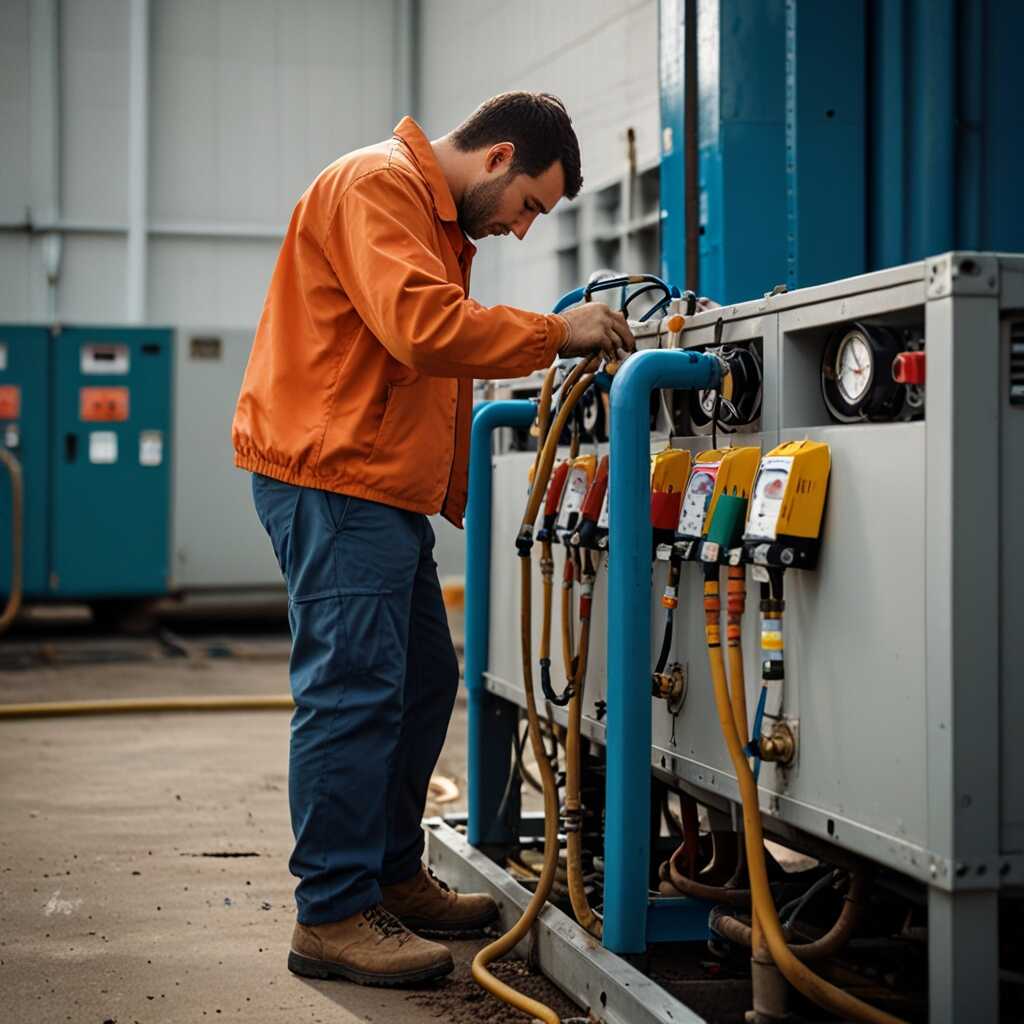
Common problems with non-tested refrigerant recovery units include inconsistent performance, higher failure rates, and potential compliance issues with regulatory requirements. These units often lack the rigorous quality validation that ensures reliable operation under various field conditions. Non-tested equipment may not handle different refrigerant types appropriately, potentially leading to incomplete recovery or contamination issues. Without proper testing validation, these units pose higher risks of unexpected failures during critical service calls, which can result in extended job times and customer dissatisfaction. Professional HVAC technicians face additional challenges when using non-tested equipment, including uncertainty about performance capabilities and potential warranty limitations.
Impact of Equipment Reliability on HVAC Operations
Non-tested refrigerant recovery units can significantly impact HVAC operational efficiency and service quality. These devices often exhibit inconsistent performance patterns that make job planning and time estimation more difficult for technicians. Unreliable equipment may lead to longer service calls, increased labor costs, and potential need for return visits to complete refrigerant recovery properly. HVAC professionals using non-tested equipment may also face regulatory compliance challenges if the equipment fails to meet EPA requirements for proper refrigerant handling. Quality factory-tested units help ensure consistent performance, reliable refrigerant recovery, and compliance with industry standards, supporting efficient HVAC operations and professional service delivery.
Advantages of Using Verified Recovery Equipment
- Reliable performance reduces job completion time and improves technician productivity in field applications.
- Factory-tested units help ensure proper refrigerant handling and minimize environmental impact during recovery operations.
- Comprehensive testing validates safety features and reduces risks associated with equipment operation in various conditions.
- Tested equipment typically requires less frequent repairs and maintenance, reducing long-term operational costs.
- Using verified equipment supports regulatory compliance and helps avoid potential penalties for improper refrigerant handling.
- Quality-tested units provide consistent cooling capacity and maintain performance standards throughout their operational life.
- HVAC professionals report improved customer satisfaction when using reliable, tested equipment for service applications.
How Reliable Equipment Enhances HVAC System Performance
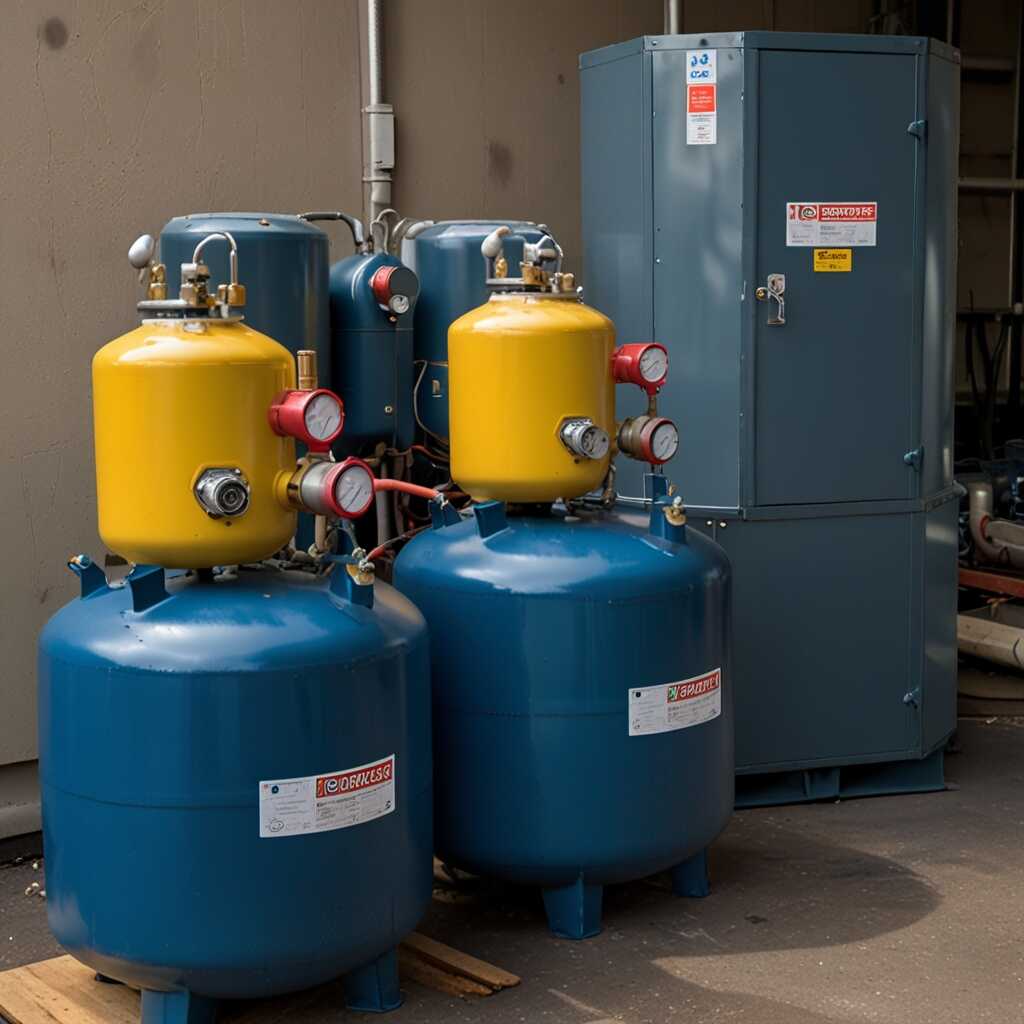
Factory-tested refrigerant recovery units contribute significantly to overall HVAC system efficiency and service quality. Their proven reliability ensures consistent performance that supports efficient refrigerant handling procedures and reduces service call duration. These units undergo comprehensive evaluation to confirm they can handle various refrigerant types while maintaining optimal performance standards. HVAC professionals benefit from predictable equipment behavior, which improves job planning and customer service delivery. Investment in reliable, tested equipment often provides long-term value through reduced maintenance costs, improved operational efficiency, and enhanced customer satisfaction with professional service quality.
Factors Influencing Recovery Equipment Reliability
Several key factors impact the reliability of refrigerant recovery units in professional HVAC applications. Factory testing procedures validate that equipment meets specific performance standards under various operating conditions. Quality construction materials and engineering design contribute significantly to equipment durability and consistent operation in demanding field environments. Features such as user-friendly controls, clear operational displays, and straightforward maintenance procedures enhance reliability by reducing operator error and supporting proper equipment care. Comprehensive manufacturer support, including technical documentation and service resources, also influences long-term equipment reliability and user satisfaction in professional applications.
Real-World Performance Examples of Factory-Tested Units
Case studies demonstrate the performance advantages of factory-tested refrigerant recovery units in various HVAC applications. Professional contractors report improved reliability and consistent performance when using properly tested equipment compared to non-tested alternatives. Field experiences highlight the importance of equipment validation in ensuring successful refrigerant recovery operations across different system types and environmental conditions. These real-world examples show how factory testing translates to practical benefits, including reduced equipment failures, more predictable service times, and improved compliance with regulatory requirements. HVAC professionals consistently report better overall job outcomes when using equipment that has undergone comprehensive factory testing and validation procedures.
Industries Benefiting from Factory-Tested Recovery Equipment
Multiple industries rely on factory-tested refrigerant recovery units to ensure efficient and compliant HVAC operations. Commercial refrigeration companies use tested equipment to maintain food safety standards and minimize system downtime during maintenance operations. HVAC service contractors depend on reliable recovery units to complete residential and commercial service calls efficiently and meet customer expectations for professional service. Industrial facilities with large refrigeration systems require tested equipment that can handle high-capacity recovery operations reliably. Educational institutions training HVAC technicians also benefit from using factory-tested equipment to provide students with experience using professional-grade tools that meet industry standards.
Key Considerations for Recovery Equipment Selection
- Equipment manufacturers should provide comprehensive technical support and training resources for optimal equipment utilization.
- Some brands focus on specific market segments but may have limited availability or higher costs in certain regions.
- Environmentally-focused manufacturers may offer specialized features but could lack some advanced operational capabilities.
- Budget-friendly options exist among tested equipment, though they may have fewer advanced features than premium models.
- Training institutions often seek tested equipment that provides students with experience using professional-grade recovery tools.
- HVAC professionals typically prefer established brands with proven track records for dependable service in challenging environments.
- Business owners should consider long-term operational costs and equipment reliability when selecting recovery units for their operations.
Maintenance Best Practices for Recovery Equipment
Essential maintenance practices for refrigerant recovery units include regular inspection of filters, hoses, and connections to ensure proper operation and prevent leaks. Performing routine cleaning of components and checking electrical connections helps maintain equipment reliability and extends operational life. Documentation of maintenance activities provides valuable records for warranty purposes and helps track equipment performance over time. Using factory-tested refrigerant recovery units often includes access to manufacturer maintenance guidelines and support resources that help ensure proper equipment care. Following recommended maintenance schedules and procedures helps preserve equipment reliability and ensures continued compliance with industry standards.
Recommended Servicing Schedule for Recovery Units
The recommended servicing frequency for refrigerant recovery units depends on usage patterns and operating conditions, but typically involves quarterly inspections for heavy-use applications. Regular maintenance includes checking electrical connections, inspecting hoses and fittings for wear, and verifying proper operation of safety systems. Refrigeration oil levels should be monitored and changed according to manufacturer recommendations to ensure optimal compressor performance. Professional servicing by qualified technicians helps maintain equipment reliability and ensures continued compliance with safety and performance standards. Consistent maintenance attention supports optimal equipment performance and helps prevent unexpected failures during critical service applications.