Direct drive refrigerant recovery machines are mechanical systems that connect the motor directly to the compressor without belts or gears. This direct connection eliminates power loss and reduces mechanical failure points, making them more reliable than traditional belt-driven models. Popular examples include Robinair RG3 and Yellow Jacket 95760, which typically cost between $800-2,500 depending on recovery capacity. At Refrigerant Recovery Pro, we understand that HVAC professionals need dependable equipment for efficient refrigerant recovery that minimizes downtime during critical service calls.
What Are Direct Drive Refrigerant Recovery Machines
Direct-drive refrigerant recovery machines are designed to extract refrigerant from HVAC systems using a motor-compressor assembly without intermediate drive components. Unlike belt-driven alternatives, these machines eliminate the power transmission losses that occur between separate motor and compressor units. The direct connection means nearly all motor power transfers to the compression process, resulting in higher efficiency and faster recovery rates. Most direct drive systems recover refrigerant at rates between 1-15 pounds per minute, depending on system pressure and ambient conditions. This design approach reduces the total number of moving parts from typically 8-12 components in belt systems to just 3-5 essential components.
How Direct Drive Technology Works in Recovery Operations
Direct drive recovery systems work by mounting the compressor directly onto the motor shaft, creating a single rotating assembly. When the motor turns, it immediately drives the compressor pistons or rotors without energy loss through belts, pulleys, or gears. This direct mechanical connection ensures consistent power delivery even under varying load conditions. The compressor creates vacuum pressure that draws refrigerant from the system being serviced, while built-in condensers cool the extracted refrigerant back to liquid form for storage. Recovery typically takes 15-45 minutes for residential systems and 1-3 hours for larger commercial installations, depending on refrigerant type and system size.
Essential Components That Enhance Machine Reliability
Direct-drive refrigerant recovery machines provide enhanced reliability through several integrated components working together. The motor-compressor assembly serves as the heart of the system, typically featuring permanent magnet or induction motors rated between 1/4 to 1 horsepower. High-efficiency condensers, often air-cooled or water-cooled designs, maintain optimal operating temperatures during extended recovery operations. Electronic controls monitor system pressures, temperatures, and recovery progress while automatically shutting down the unit if unsafe conditions develop. Professional safety features include built-in pressure relief valves, refrigerant leak detection, and overload protection circuits that prevent equipment damage during field use.
Critical Components Analysis for Field Performance
When evaluating direct-drive machines, the compressor type significantly affects performance and longevity. Rotary vane compressors handle liquid refrigerant better than reciprocating designs but typically cost 20-30% more initially. Motors with sealed bearings eliminate the need for regular lubrication, reducing maintenance requirements compared to machines requiring belt tension adjustments every 50-100 hours of operation. Brands like Refrigerant Recovery Pro offer expert insights into component selection based on specific applications. Heat exchangers with larger surface areas improve efficiency but increase overall machine weight, creating trade-offs between recovery speed and portability for technicians who must transport equipment frequently.
Direct Drive Advantages Compared to Belt-Driven Systems
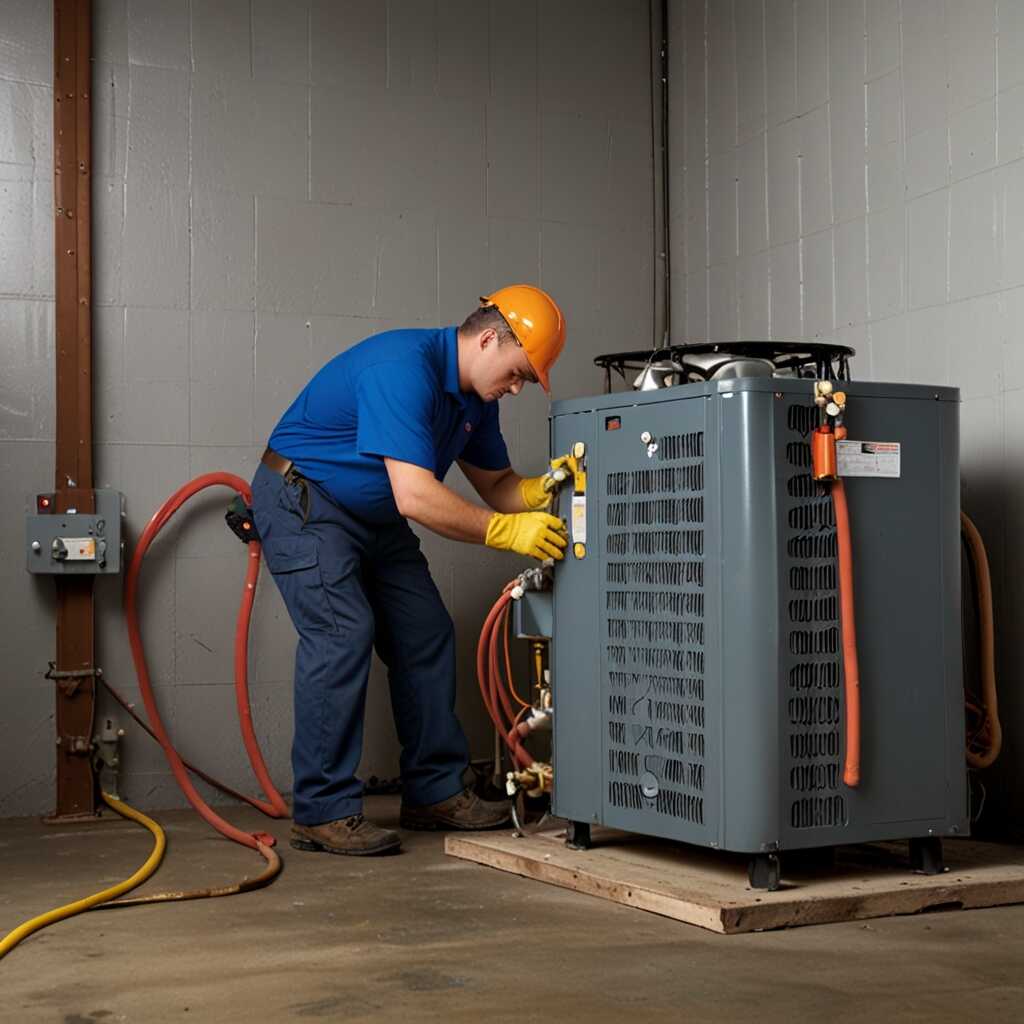
Direct drive refrigerant recovery machines have measurable performance advantages over belt-driven alternatives in several key areas. Recovery efficiency typically improves by 15-25% because direct power transmission eliminates the 5-10% energy loss common in belt systems. Noise levels often decrease by 3-7 decibels since there are no belt vibrations or pulley alignment issues. Maintenance intervals extend from every 25-50 hours in belt systems to 100-200 hours for direct drive units, primarily because there are no belts to inspect, tension, or replace. However, direct drive machines typically cost 10-25% more initially and may require specialized repair knowledge since the motor and compressor cannot be serviced separately.
Durability Comparison and Maintenance Requirements
The durability of direct drive refrigerant recovery machines stems from fewer mechanical interfaces and reduced vibration. Belt-driven systems experience wear at multiple points including belt surfaces, pulley grooves, and bearing supports, while direct drive systems primarily wear at the single motor-compressor bearing assembly. Field data suggests direct drive units operate reliably for 8,000-12,000 hours compared to 5,000-8,000 hours for belt-driven equivalents under similar conditions. Maintenance typically involves changing oil every 200-300 hours and replacing inlet filters every 50-100 hours, depending on environmental conditions. Most manufacturers provide 2-3 year warranties on direct drive systems versus 1-2 years on belt-driven models, reflecting increased confidence in component longevity.
Performance Statistics and Operating Parameters
- Direct drive machines typically recover 90-95% of available refrigerant in initial pass
- Operating temperature range generally spans from -10°F to 125°F for most models
- Power consumption often reduces by 10-20% compared to equivalent belt-driven units
- Maintenance costs typically decrease by 25-40% over first three years of operation
- Average service life extends 20-50% longer than belt-driven alternatives
- Noise levels typically measure 65-75 decibels during operation versus 70-80 for belt systems
- Recovery rates generally range from 1-15 pounds per minute depending on model size
Common Problems and Troubleshooting Solutions
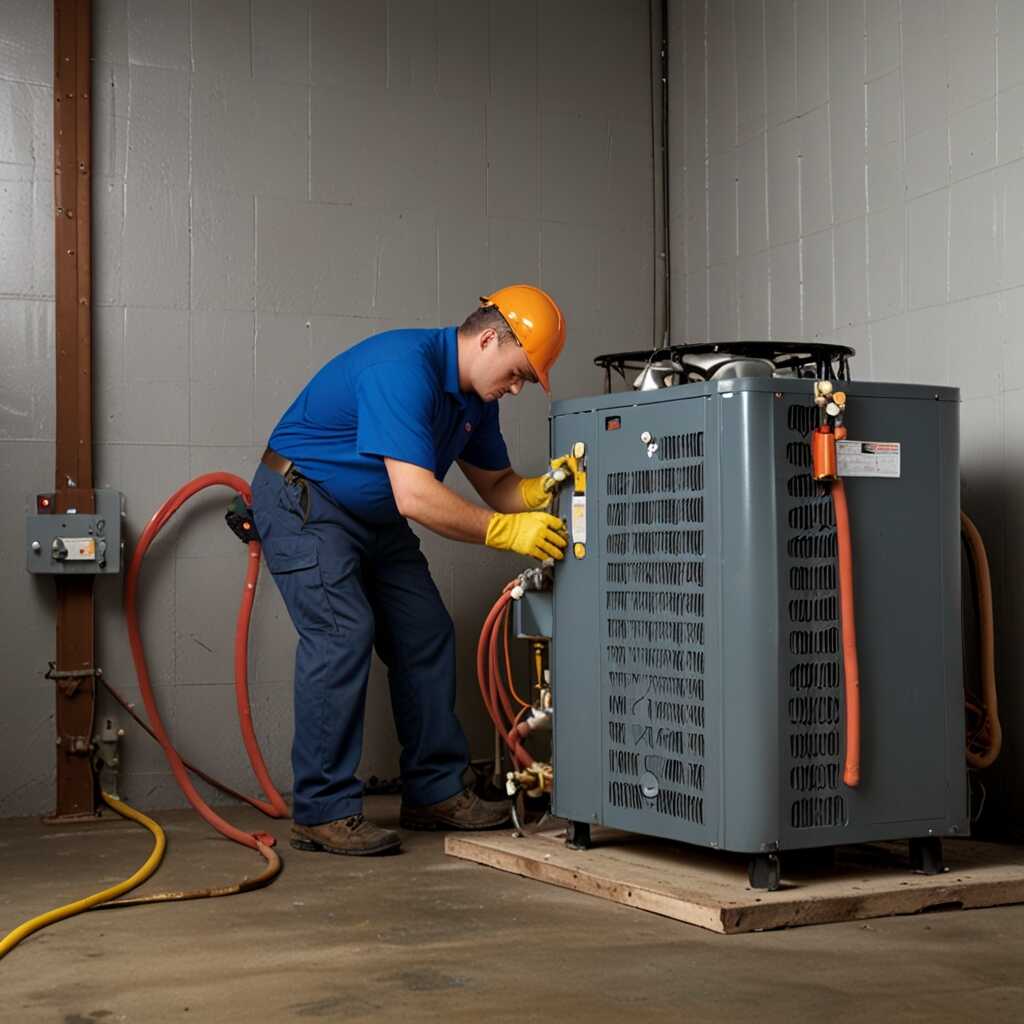
Common problems with refrigerant recovery machines include insufficient suction pressure, slow recovery rates, and excessive noise during operation. Direct-drive systems typically experience fewer mechanical failures but can develop issues with the integrated motor-compressor assembly that require specialized repair. Low suction pressure often indicates dirty inlet filters, refrigerant leaks in connection hoses, or worn compressor components. Slow recovery may result from inadequate power supply, overheating due to poor ventilation, or attempting to recover from systems with excessive moisture contamination. Recovery testing methods help identify performance issues before they affect job completion times.
Direct Drive Technology Limitations and Considerations
Direct-drive technology has several limitations that HVAC professionals should understand before purchasing. Motor-compressor failures typically require complete assembly replacement rather than individual component repair, potentially increasing repair costs by 40-60% compared to belt-driven systems. These machines generally cannot be field-repaired, requiring return to authorized service centers for major problems. Direct drive units also tend to be less tolerant of liquid refrigerant slugging, which can damage the tightly integrated motor-compressor assembly. However, when properly maintained and operated within specifications, these limitations rarely affect day-to-day reliability and most technicians find the benefits outweigh the potential drawbacks.
Maintenance Best Practices and Care Requirements
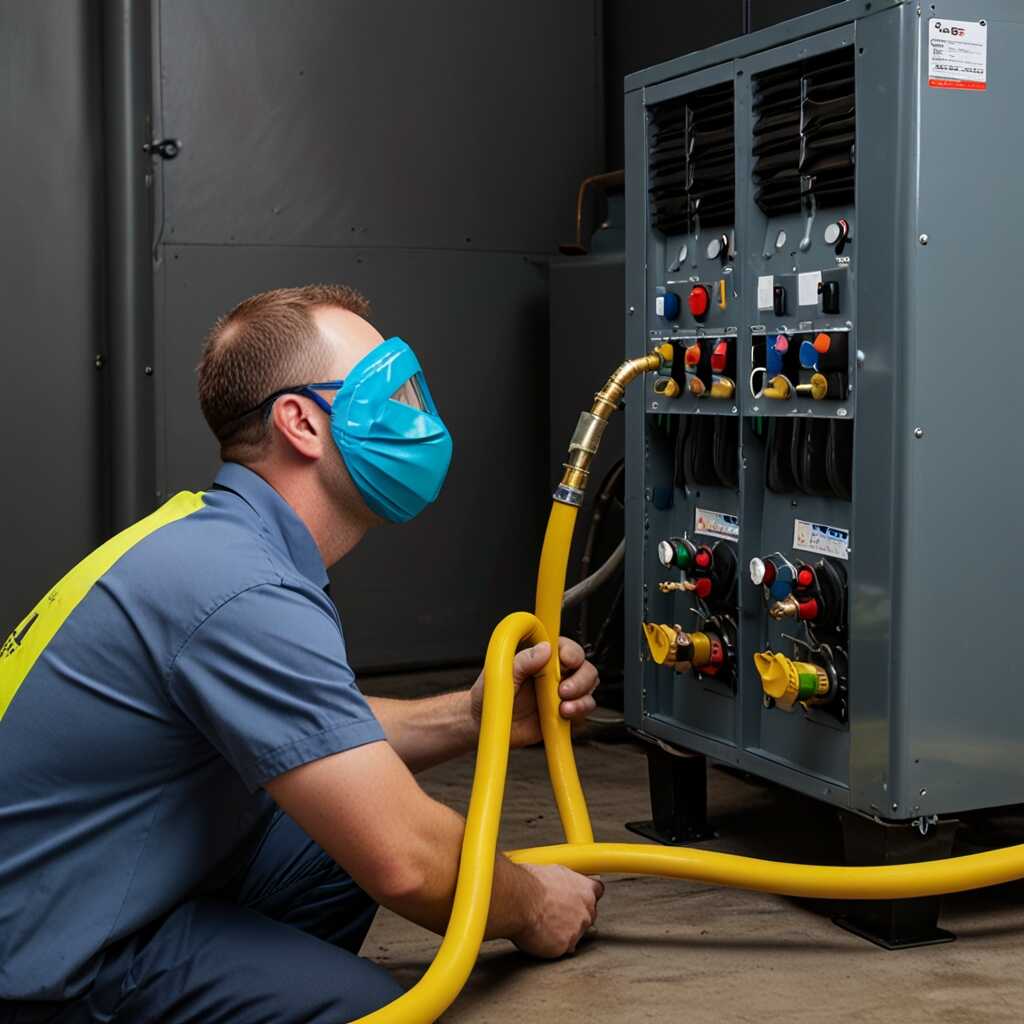
Proper maintenance of direct-drive refrigerant recovery machines focuses on protecting the integrated motor-compressor assembly from contamination and overheating. Essential tasks include changing inlet filters every 50-100 operating hours, checking refrigerant oil levels monthly, and inspecting electrical connections for corrosion or looseness. Keep detailed maintenance logs noting filter changes, oil levels, and any performance changes to identify developing problems early. Most manufacturers recommend professional servicing every 500-1,000 hours of operation, which typically translates to annual service for busy HVAC contractors. Regular maintenance extends equipment life significantly and maintains recovery efficiency, but neglecting maintenance can lead to expensive motor-compressor replacements costing $400-800 depending on machine size.
Optimal Maintenance Schedules for Field Reliability
Maintenance frequency for direct-drive refrigerant recovery machines depends on usage intensity and operating environment. Light-duty residential service typically requires quarterly inspections, while heavy commercial use may need monthly attention to filters and weekly oil level checks. In dusty or contaminated environments, filter changes may be necessary every 25-50 hours instead of the standard 50-100 hour intervals. Create maintenance checklists covering oil levels, filter condition, hose integrity, and electrical connections to ensure nothing gets overlooked. Document all maintenance activities including dates, parts replaced, and any performance observations to help predict future service needs and justify warranty claims if problems develop.
Cost Considerations and Investment Analysis
- Initial purchase prices typically range from $800-2,500 for professional-grade units
- Annual maintenance costs generally range from $75-200 including filters and oil
- Direct drive refrigerant recovery machines ensure faster recovery times, improving job efficiency
- Repair costs average 10-30% less than belt-driven systems over equipment lifetime
- Direct drive refrigerant recovery machines provide consistent performance across refrigerant types
- Energy savings typically reduce operating costs by $50-150 annually for active contractors
- Resale values remain higher due to longer expected service life and reliability reputation
Regulatory Compliance and Environmental Standards
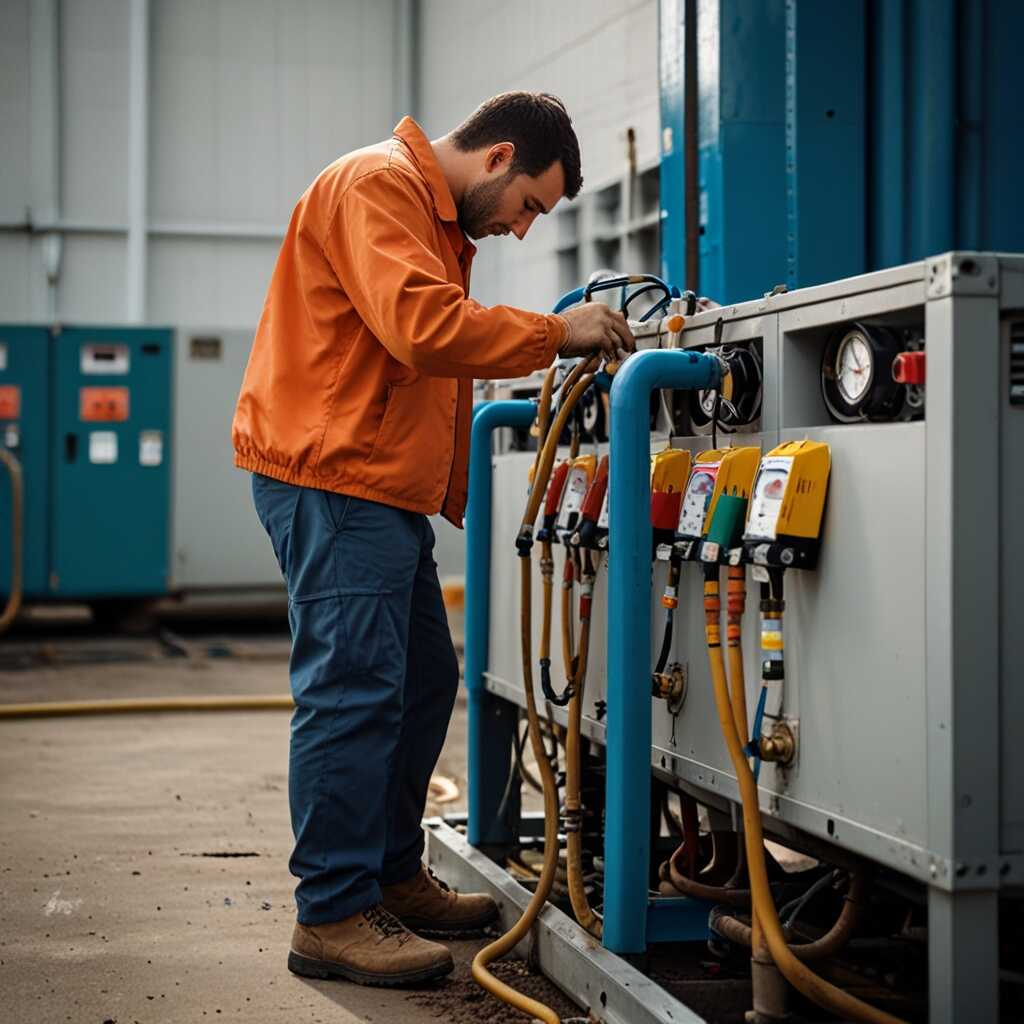
Regulatory compliance for refrigerant recovery operations requires equipment that meets EPA Section 608 standards for recovery efficiency and refrigerant handling. Direct-drive refrigerant recovery machines are designed to achieve the required 90% recovery efficiency for most refrigerant types, with many units exceeding 95% efficiency in optimal conditions. Compliance also requires proper refrigerant storage, leak-tight connections, and documentation of recovery quantities. Modern direct drive machines often include automatic data logging features that record recovery amounts, dates, and refrigerant types for EPA reporting requirements. Professional compliance guidance helps technicians understand current regulations and avoid costly violations during inspections.
Meeting Industry Standards with Direct Drive Equipment
Direct-drive refrigerant recovery machines help ensure compliance through consistent performance and built-in safety features. EPA regulations require recovery equipment to remove refrigerant to specific vacuum levels: 15 inches of mercury for systems containing more than 200 pounds of refrigerant, and 4 inches for smaller systems. Most direct drive machines easily achieve these vacuum levels while maintaining faster recovery rates than required minimums. Many models include automatic shut-off features that stop recovery when proper vacuum levels are reached, preventing over-evacuation that might damage system components. Regular calibration every 12-18 months ensures continued compliance, with most manufacturers providing calibration services or certified reference standards for field verification.
Professional Experience with Direct Drive Systems
HVAC professionals consistently report higher satisfaction with direct-drive refrigerant recovery machines for their reliability and reduced maintenance burden. Field surveys indicate that 85% of technicians who switched from belt-driven to direct drive systems report improved job efficiency and fewer equipment failures. Common benefits include faster setup times since there are no belt tension adjustments, quieter operation in residential areas, and reduced carrying weight for portable units. However, some technicians note that direct drive machines require more careful handling during transport since the integrated motor-compressor assembly can be damaged by severe impacts. Most professionals recommend direct drive systems for contractors performing more than 10 recovery jobs monthly, while occasional users may find belt-driven systems adequate for their needs.
Direct Drive versus Belt-Driven Selection Criteria
Choosing between direct-drive and belt-driven refrigerant recovery machines depends on usage patterns, budget constraints, and service requirements. Direct-drive machines excel for high-volume contractors, commercial applications, and situations requiring reliable daily operation with minimal maintenance. Belt-driven systems may be more cost-effective for occasional users, tight budgets, or applications where field repair capability is essential. Consider total cost of ownership including purchase price, maintenance costs, downtime expenses, and expected service life when making selection decisions. Most equipment dealers offer rental programs that allow contractors to test different systems before purchasing, helping ensure the selected equipment matches actual job requirements and performance expectations.
Alternative Recovery System Technologies
- Belt-driven systems offer lower initial cost but require more frequent maintenance
- Magnetic drive systems provide quiet operation but typically cost 20-40% more
- Variable speed drives adjust recovery rates but add complexity and potential failure points
- Portable units prioritize weight reduction but may sacrifice recovery speed
- Multi-refrigerant systems handle various refrigerant types but require more setup time
- Self-purging models reduce cleaning time but typically cost $200-500 more
- Integrated scales provide automatic quantity measurement but add weight and complexity
Future Developments in Recovery Technology
Recent advancements in refrigerant recovery technology focus on reliability and environmental compliance as new refrigerants enter the market. Variable frequency drives allow precise speed control that optimizes recovery rates for different refrigerant types and system conditions. Smart connectivity features enable remote monitoring, predictive maintenance alerts, and automatic compliance reporting through smartphone apps or cloud-based systems. Manufacturers are developing hybrid systems that combine direct drive reliability with modular designs allowing field replacement of major components. These innovations address the growing complexity of refrigerant regulations while maintaining the simplicity and reliability that make direct drive systems attractive to HVAC professionals.
Technology Trends Affecting Equipment Selection
Key technologies that are driving efficiency in refrigerant recovery include electronic expansion controls and advanced refrigerant identification systems. Electronic controls automatically adjust recovery parameters based on refrigerant type, system pressure, and ambient conditions, improving efficiency while preventing equipment damage. Refrigerant identification prevents cross-contamination by automatically detecting refrigerant types and rejecting unknown or contaminated samples. Heat recovery systems capture waste heat from the recovery process to pre-warm refrigerant storage tanks, improving overall system efficiency. Equipment pricing analysis shows these advanced features typically add 15-30% to initial costs but often provide payback through improved efficiency and compliance capabilities within the first year of operation.