Corrosion-resistant components are specialized parts made from materials like stainless steel, aluminum alloys, and protective coatings that resist chemical degradation in refrigerant recovery machines. These components include valves, fittings, condensers, and piping specifically designed to withstand harsh refrigerants and moisture. Common materials include 316-grade stainless steel and powder-coated aluminum.
Understanding How Corrosion-Resistant Components Work in Recovery Machines
Corrosion-resistant components work by creating a protective barrier between the metal surface and corrosive elements present in refrigerant systems. The materials used, such as stainless steel, contain chromium which forms a passive oxide layer that prevents further oxidation. This protective mechanism helps refrigerant recovery machines maintain their structural integrity even when exposed to acidic refrigerants, moisture, and temperature fluctuations. These specialized components are particularly important in areas like valve assemblies, pump housings, and heat exchangers where refrigerant contact is constant.
What Makes Materials Corrosion-Resistant in HVAC Applications
Materials become corrosion-resistant through various mechanisms including alloying, surface treatments, and protective coatings. Stainless steel gains its resistance from chromium content, typically ranging from 10 to 30 percent, which creates a self-healing oxide layer. Aluminum alloys resist corrosion through anodization processes that thicken their natural oxide layer. Performance analysis shows these materials maintain their protective properties across diverse operating conditions. Additionally, powder coatings and epoxy finishes provide supplementary protection by creating physical barriers against moisture and chemicals commonly found in refrigeration systems.
Primary Benefits of Using Corrosion-Resistant Materials in Recovery Equipment
The primary benefits of corrosion-resistant components include extended equipment lifespan, reduced maintenance frequency, and improved operational reliability. These materials typically last several years longer than standard components in harsh refrigerant environments. Equipment downtime decreases significantly because corrosion-resistant parts require less frequent replacement. HVAC professionals also benefit from consistent performance levels throughout the component’s service life, as corrosion-resistant materials maintain their structural integrity and functionality better than conventional alternatives.
Cost Savings and ROI from Corrosion-Resistant Components
While corrosion-resistant components typically cost more initially than standard parts, they often provide positive returns on investment within three to five years. The cost savings come from reduced replacement frequency, lower labor costs for maintenance, and decreased system downtime. For example, a stainless steel valve might cost twice as much as a standard brass valve but could last three to four times longer in corrosive conditions. Price analysis indicates that long-term operational savings often justify the higher upfront investment, especially for equipment used in coastal areas or industrial settings with high humidity.
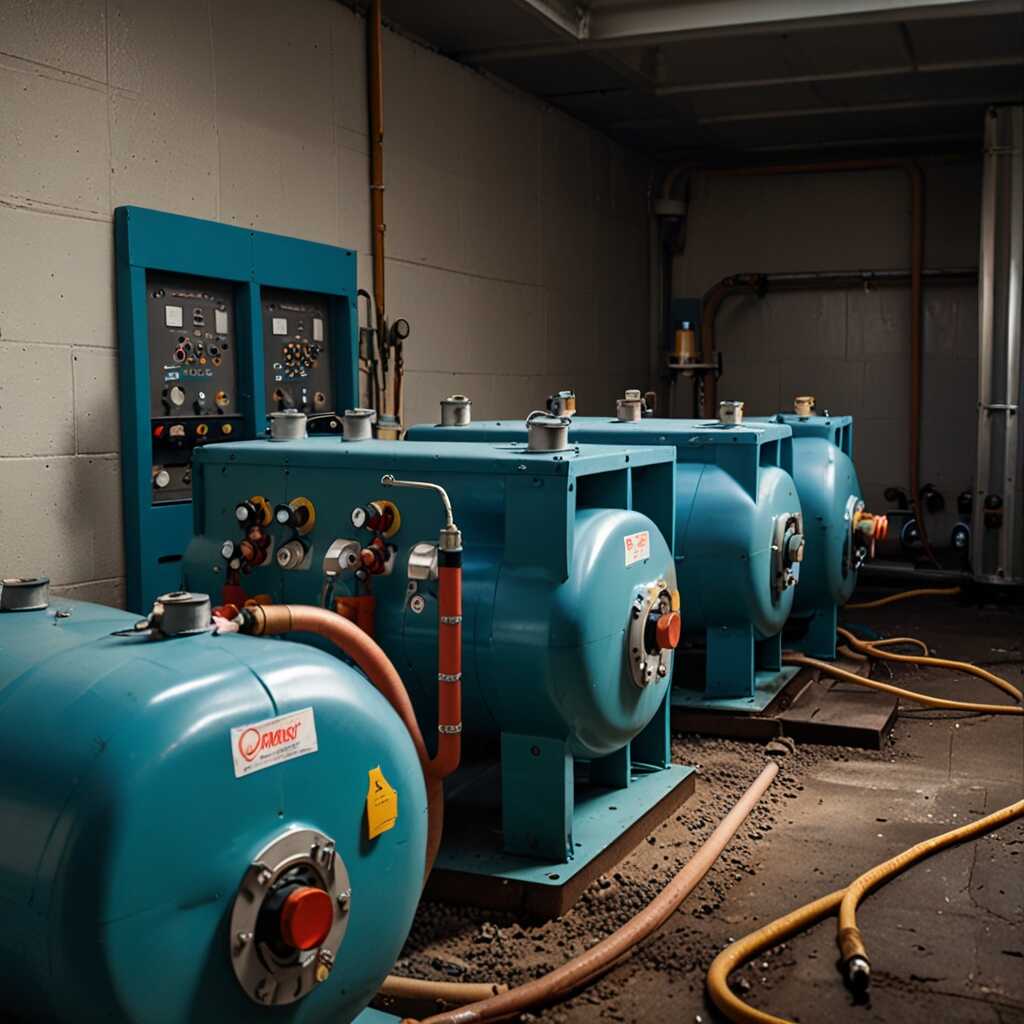
Common Corrosion-Resistant Materials Used in Refrigerant Recovery Machines
The most common corrosion-resistant materials in refrigerant recovery machines include stainless steel grades 304 and 316, anodized aluminum alloys, brass with protective coatings, and specialized polymers like PTFE. Stainless steel 316 offers superior resistance to chloride corrosion, making it ideal for coastal applications. Anodized aluminum provides lightweight durability suitable for portable recovery units. Brass components with nickel plating resist dezincification while maintaining good thermal conductivity. These materials are selected based on specific application requirements, environmental conditions, and budget constraints.
Comparing Material Performance in Different Environments
Different corrosion-resistant materials perform variably depending on environmental conditions. Stainless steel excels in high-humidity and chemical-exposure scenarios but may be overkill for controlled indoor environments. Coated aluminum works well for moderate conditions but may not withstand extreme chemical exposure. Proper maintenance practices help maximize the effectiveness of any material choice. Marine-grade stainless steel (316L) is recommended for coastal applications, while standard stainless steel (304) suffices for most inland installations. Understanding these performance differences helps HVAC professionals select appropriate materials for their specific operating conditions.
Key Considerations When Selecting Corrosion-Resistant Components
- Environmental conditions including humidity levels, temperature ranges, and chemical exposure determine material requirements.
- Initial cost versus long-term value must be evaluated based on expected service life and maintenance needs.
- Compatibility with existing system components ensures proper integration and prevents galvanic corrosion.
- Weight considerations matter for portable equipment where aluminum alloys might be preferred over stainless steel.
- Availability of replacement parts and standardization across equipment fleets affects maintenance efficiency.
- Regulatory compliance requirements may mandate specific materials in certain applications or industries.
- Manufacturer warranties and support vary significantly between material types and component suppliers.
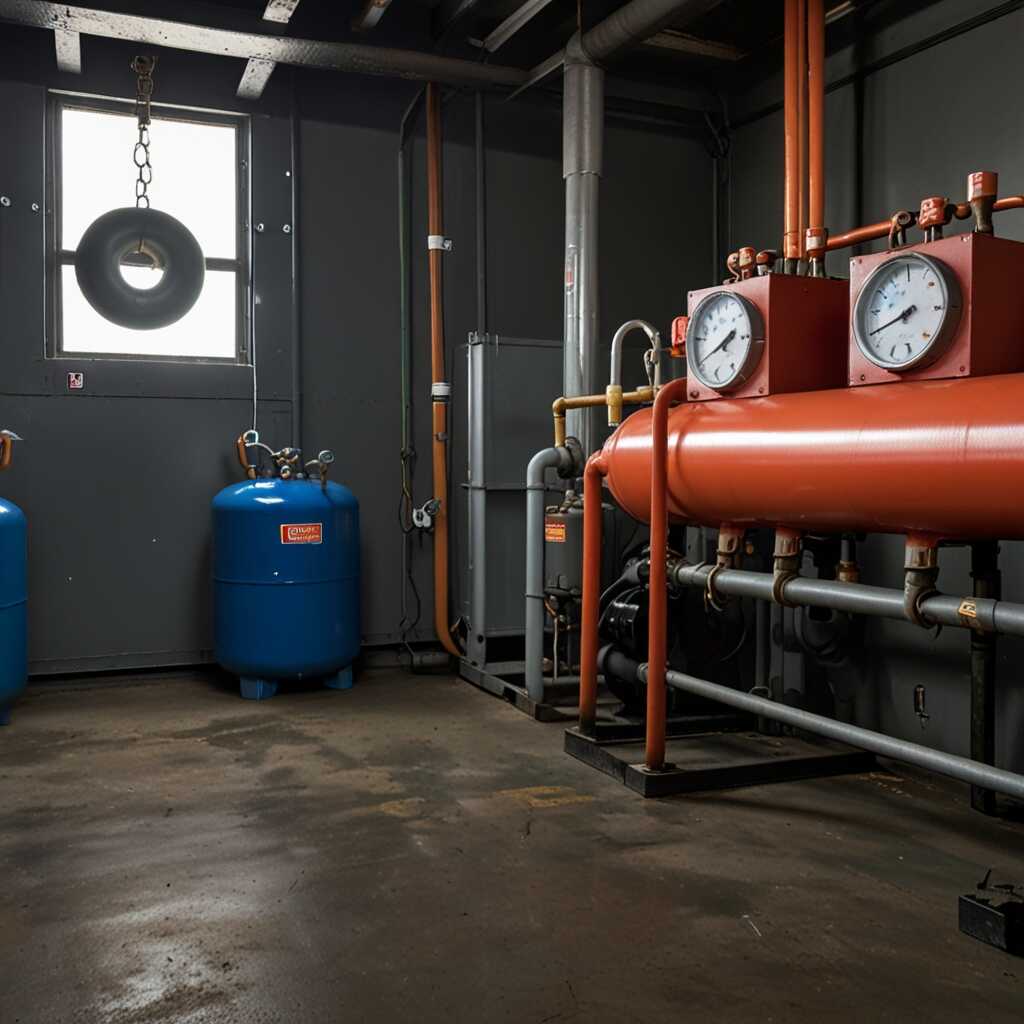
Implementation Timing and Best Practices for Corrosion-Resistant Components
The optimal time to implement corrosion-resistant components in refrigerant recovery machines depends on several factors including equipment age, operating environment, and maintenance history. New equipment purchases should prioritize corrosion-resistant materials from the start, especially for machines intended for harsh environments. For existing equipment, component replacement during scheduled maintenance provides cost-effective upgrade opportunities. Signs indicating immediate upgrade needs include visible rust, frequent seal failures, reduced performance, or increased refrigerant leaks.
Who Benefits Most from Corrosion-Resistant Components
HVAC contractors working in coastal regions, industrial facilities, and high-humidity environments benefit most from corrosion-resistant components. Commercial refrigeration technicians handling ammonia or other aggressive refrigerants require these materials for safety and reliability. Service companies with high equipment utilization rates see faster returns on investment due to reduced downtime. Additionally, facilities with strict uptime requirements, such as hospitals and data centers, prioritize corrosion-resistant components to ensure continuous operation. Small contractors might focus upgrades on critical components like valves and fittings rather than complete system overhauls.

Understanding the Limitations of Corrosion-Resistant Materials
Corrosion-resistant components have several limitations that affect their implementation in refrigerant recovery systems. The higher initial cost can be prohibitive for budget-conscious operations, sometimes doubling or tripling component prices. Some materials, particularly certain stainless steel grades, are heavier than standard alternatives, potentially affecting portable equipment design. Specialized corrosion-resistant materials may have longer lead times for procurement, complicating emergency repairs. Additionally, while these materials resist corrosion, they still require proper maintenance and can fail under extreme conditions or improper installation.
Maintenance Requirements for Corrosion-Resistant Systems
Even corrosion-resistant components require regular maintenance to achieve their full service life potential. Maintenance tasks include periodic cleaning to remove surface contaminants, inspection for signs of pitting or crevice corrosion, and verification of protective coating integrity. Testing methodology for these components involves visual inspections, thickness measurements, and performance evaluations. Cleaning frequency depends on operating conditions but typically ranges from monthly in harsh environments to quarterly in controlled settings. Proper maintenance extends component life and helps identify potential issues before they cause system failures.
Alternative Approaches to Corrosion Protection
- Sacrificial anodes provide cathodic protection for standard materials in some applications at lower initial costs.
- Regular protective coating applications can extend the life of existing non-resistant components economically.
- Environmental controls like dehumidification reduce corrosion rates without changing component materials.
- Corrosion inhibitors added to system fluids provide supplementary protection for vulnerable components.
- Hybrid approaches combining resistant materials in critical areas with standard components elsewhere balance cost and performance.
- Predictive maintenance programs using corrosion monitoring help optimize replacement timing and reduce costs.
- Design modifications improving drainage and ventilation can significantly reduce corrosion rates in equipment.

Selecting the Right Corrosion-Resistant Components for Your Application
Selecting appropriate corrosion-resistant components for refrigerant recovery machines requires understanding your specific operating conditions and requirements. Start by assessing environmental factors including ambient humidity, temperature ranges, and exposure to corrosive refrigerants. Consider duty cycles and expected service life when evaluating material options. For light-duty indoor applications, coated steel or brass components may suffice. Heavy-duty or outdoor installations typically require stainless steel or specially treated aluminum alloys. Consult equipment manufacturers for material recommendations based on your specific refrigerant types and operating pressures.
Working with Suppliers and Manufacturers
Establishing relationships with reputable suppliers ensures access to quality corrosion-resistant components and technical support. When evaluating suppliers for refrigerant recovery equipment components, consider their material certification processes, warranty terms, and technical expertise. Many manufacturers offer corrosion-resistance testing data and application guides to help with selection. Request samples or trial components when possible to evaluate performance in your specific conditions. Building long-term supplier relationships often provides benefits including volume pricing, priority availability, and customization options for specialized applications.
Real-World Applications of Corrosion-Resistant Technology
Corrosion-resistant components demonstrate their value in various refrigerant recovery machine applications across different industries. Coastal HVAC contractors report significantly extended equipment life when using marine-grade stainless steel components compared to standard materials. Food processing facilities utilizing ammonia refrigeration systems rely on specialized corrosion-resistant alloys to maintain safety and reliability. Chemical plants often specify exotic materials like Hastelloy or titanium for extreme corrosion resistance in aggressive environments. These real-world applications highlight how material selection directly impacts equipment reliability and operational costs.
Industry Standards and Best Practices
Industry organizations provide guidelines for corrosion-resistant material selection in refrigerant handling equipment. ASHRAE standards address material compatibility with various refrigerants, while NACE International offers corrosion prevention guidelines. These standards help ensure safety, reliability, and performance consistency across the industry. Compliance with relevant standards often influences insurance coverage and liability considerations. Staying current with evolving standards helps HVAC professionals make informed decisions about component selection and system design, particularly as new refrigerants with different corrosion characteristics enter the market.
Leading Manufacturers of Corrosion-Resistant Components
- Parker Hannifin specializes in corrosion-resistant valves and fittings designed specifically for refrigeration applications.
- Swagelok offers comprehensive lines of stainless steel components with various grades for different corrosion environments.
- Danfoss provides coated and stainless steel components engineered for long service life in HVAC systems.
- Emerson Climate Technologies manufactures recovery equipment with integrated corrosion-resistant materials.
- Henry Technologies focuses on specialized components for ammonia and other aggressive refrigerant applications.
- Mueller Industries supplies corrosion-resistant tubing and fittings for refrigeration system construction.
- Sporlan Division offers a range of components with various corrosion-resistance options for different budgets.
Making Informed Decisions About Corrosion-Resistant Components
Investing in corrosion-resistant components for refrigerant recovery machines represents a strategic decision balancing initial costs against long-term benefits. These specialized materials offer clear advantages in terms of equipment longevity, reduced maintenance requirements, and improved reliability, particularly in challenging environments. The choice between different corrosion-resistant materials depends on specific application requirements, environmental conditions, and budget constraints. HVAC professionals should evaluate their unique situations, considering factors like operating environment, refrigerant types, duty cycles, and total cost of ownership when selecting components.
Future Trends in Corrosion-Resistant Technology
Advancements in material science continue to improve corrosion-resistant options for HVAC applications. Nano-coatings offer enhanced protection with minimal thickness additions, while new alloy compositions provide better performance at competitive prices. Smart materials with self-healing properties show promise for future applications. Warranty improvements reflect manufacturer confidence in these advancing technologies. As environmental regulations drive changes in refrigerant chemistry, material requirements will evolve accordingly. Staying informed about these developments helps HVAC professionals make forward-thinking equipment investments that remain viable as industry standards change.