Connecting multiple refrigerant recovery cylinders effectively is essential requires manifold gauges, high-pressure hoses, and proper safety equipment. The connection process involves linking two to four cylinders using specialized fittings that handle refrigerant pressures safely. Essential tools include manifold gauge sets, quick-connect couplings, and DOT-rated recovery cylinders. Most commercial projects benefit from comparing different recovery setups to optimize efficiency and safety compliance.
What Are Refrigerant Recovery Cylinders and Their Primary Functions
Refrigerant recovery cylinders are specialized storage containers designed to capture and hold refrigerants removed from HVAC systems during maintenance or disposal. These cylinders serve as temporary storage units that prevent harmful refrigerants from escaping into the atmosphere. Refrigerant recovery cylinders play an essential role in environmental protection and regulatory compliance.
The most common types include DOT-approved cylinders and specialized recovery tanks, which differ in their pressure ratings and capacity limits. Standard recovery cylinders typically hold between 30 to 50 pounds of refrigerant safely, depending on the refrigerant type and cylinder specifications. Types of refrigerant recovery cylinders enhances understanding of which containers work best for different refrigerant types like R-410A, R-22, and R-134A.
Essential Cylinder Features That Impact Connection Success
Modern refrigerant recovery cylinders include several critical features that directly affect connection reliability and safety. Safety relief valves prevent dangerous overpressure situations during recovery operations, automatically releasing excess pressure when limits are exceeded. The cylindrical design enhances portability while providing structural stability during transport and operation.
Key features of refrigerant recovery cylinders also include color-coded identification systems that help technicians quickly identify compatible refrigerant types. Most cylinders feature standardized connection ports that accept common HVAC fittings, ensuring compatibility across different equipment manufacturers. Regular pressure testing schedules help maintain cylinder integrity and prevent connection failures that could compromise safety.
Why Proper Cylinder Connection Setup Prevents Costly Mistakes
Proper cylinder connection setup directly impacts both safety and project efficiency in commercial HVAC operations. Incorrect connections can lead to refrigerant leaks, which not only waste expensive refrigerants but also create environmental hazards and regulatory violations. Correct setup and connection of refrigerant recovery cylinders is essential for preventing these costly problems.
Well-designed connection systems reduce recovery time by allowing continuous operation without frequent cylinder changes. When multiple cylinders are connected properly, technicians can recover larger quantities of refrigerant without interruption, which is particularly valuable on large commercial projects. Reliability and efficiency of refrigerant recovery operations improve significantly when connections follow industry best practices.
Safety Benefits of Professional Connection Techniques
Professional connection techniques minimize risks associated with high-pressure refrigerant handling. Using appropriate hoses rated for refrigerant service prevents blowouts that could injure technicians or damage equipment. Reliable connection of multiple refrigerant recovery cylinders requires systematic pressure testing before operation begins.
Implementing manifold gauge systems allows technicians to monitor pressure levels across all connected cylinders simultaneously. This monitoring capability helps prevent overfilling individual cylinders and ensures that pressure remains within safe operating limits throughout the recovery process. Regular inspection of all connection points helps identify potential problems before they become safety hazards.
Essential Tools Required for Safe Multi-Cylinder Connections
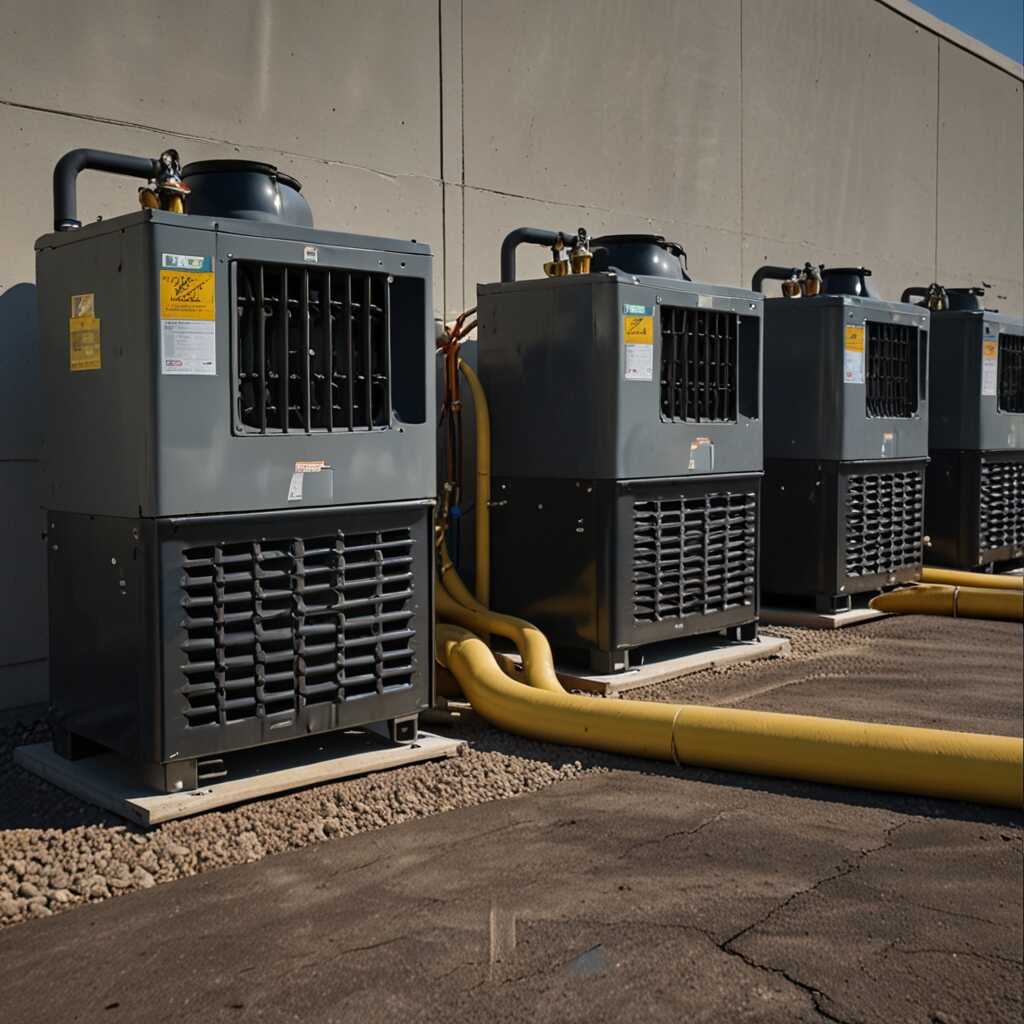
Successful multi-cylinder connections require specific tools designed for high-pressure refrigerant applications. The primary tools include manifold gauge sets, high-pressure recovery hoses, and quick-connect couplings that ensure secure, leak-free connections. Recovery hoses must be rated for the specific refrigerant types being handled and capable of withstanding the pressure levels encountered during recovery operations.
Additional essential equipment includes cylinder mounting brackets, pressure relief devices, and leak detection tools that help maintain system integrity. Digital manifold gauges provide precise pressure readings and often include features like data logging and wireless monitoring capabilities. These advanced tools help technicians maintain better control over the recovery process while documenting compliance with regulatory requirements.
Selecting High-Quality Connection Components for Reliability
High-quality connection components significantly impact the success of multi-cylinder recovery operations. Choosing reliable connection tools enhances the efficiency of refrigerant recovery projects by reducing the likelihood of connection failures and associated downtime.
Manifold gauges with brass construction resist corrosion and provide long-lasting service in challenging environments. Quick-connect couplings with positive locking mechanisms prevent accidental disconnections during operation. Thermal relief valves add an extra layer of safety by automatically releasing pressure if temperatures exceed safe limits. Performance analysis shows that investing in quality components reduces maintenance costs and improves overall system reliability.
Tool Selection Criteria for Professional Results
- Manifold gauges should include both high and low pressure readings with accuracy within 1% of full scale.
- Refrigerant recovery units can process 5 to 15 pounds of refrigerant per minute depending on system design.
- Recovery hoses should be rated for working pressures at least 20% higher than maximum system pressure.
- Quick-connect fittings must be compatible with the specific refrigerant types being recovered.
- Cylinder capacity should not exceed 80% fill level to allow for thermal expansion during operation.
- Connection setup typically requires 15 to 30 minutes per additional cylinder when following proper procedures.
- Operating temperature ranges between 60°F and 80°F provide optimal recovery efficiency and safety.
Step-by-Step Process for Connecting Multiple Recovery Cylinders
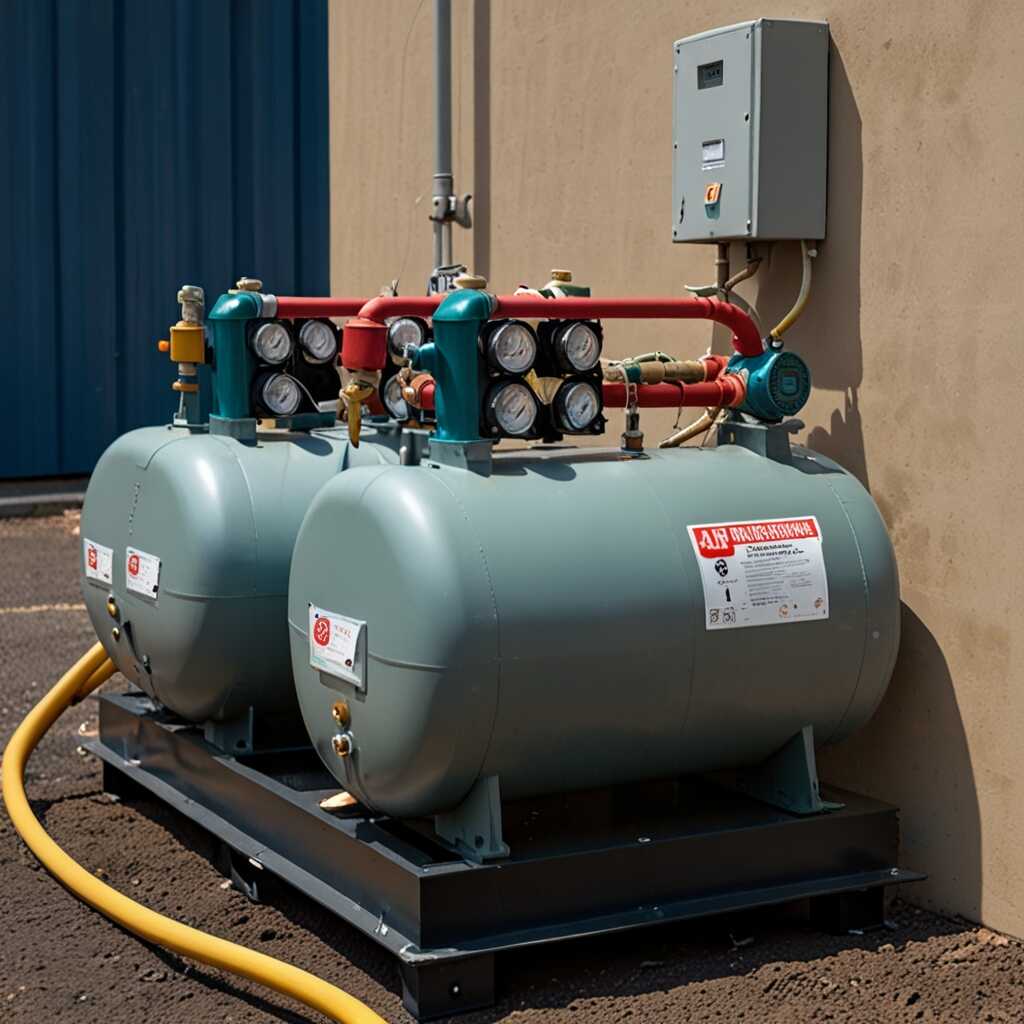
The cylinder connection process begins with thorough safety preparation and equipment inspection. Before starting any connections, technicians must wear appropriate personal protective equipment including safety goggles, gloves, and protective clothing. The work area should be well-ventilated and free from ignition sources. An efficient refrigerant recovery system can handle several cylinders simultaneously when proper procedures are followed.
Begin by positioning all cylinders on stable, level surfaces and securing them with appropriate restraints. Connect the primary manifold gauge to the first cylinder, ensuring all connections are hand-tight plus one-quarter turn with wrenches. Each additional cylinder connects to the manifold through individual hoses, with each connection tested for leaks using electronic leak detectors before proceeding to the next step.
Critical Safety Steps During Connection Process
Safety verification represents the most critical aspect of multi-cylinder connections. Test each connection point with leak detection equipment before pressurizing the system. Pressure test the entire connected system at 10% above working pressure for a minimum of 10 minutes, checking for any pressure drop that might indicate leaks.
Monitor cylinder fill levels continuously during operation, ensuring no individual cylinder exceeds 80% capacity. Use electronic scales or level indicators to track fill progress accurately. Maintain detailed records of refrigerant quantities recovered into each cylinder for regulatory compliance and inventory management purposes.
Common Connection Challenges and Professional Solutions
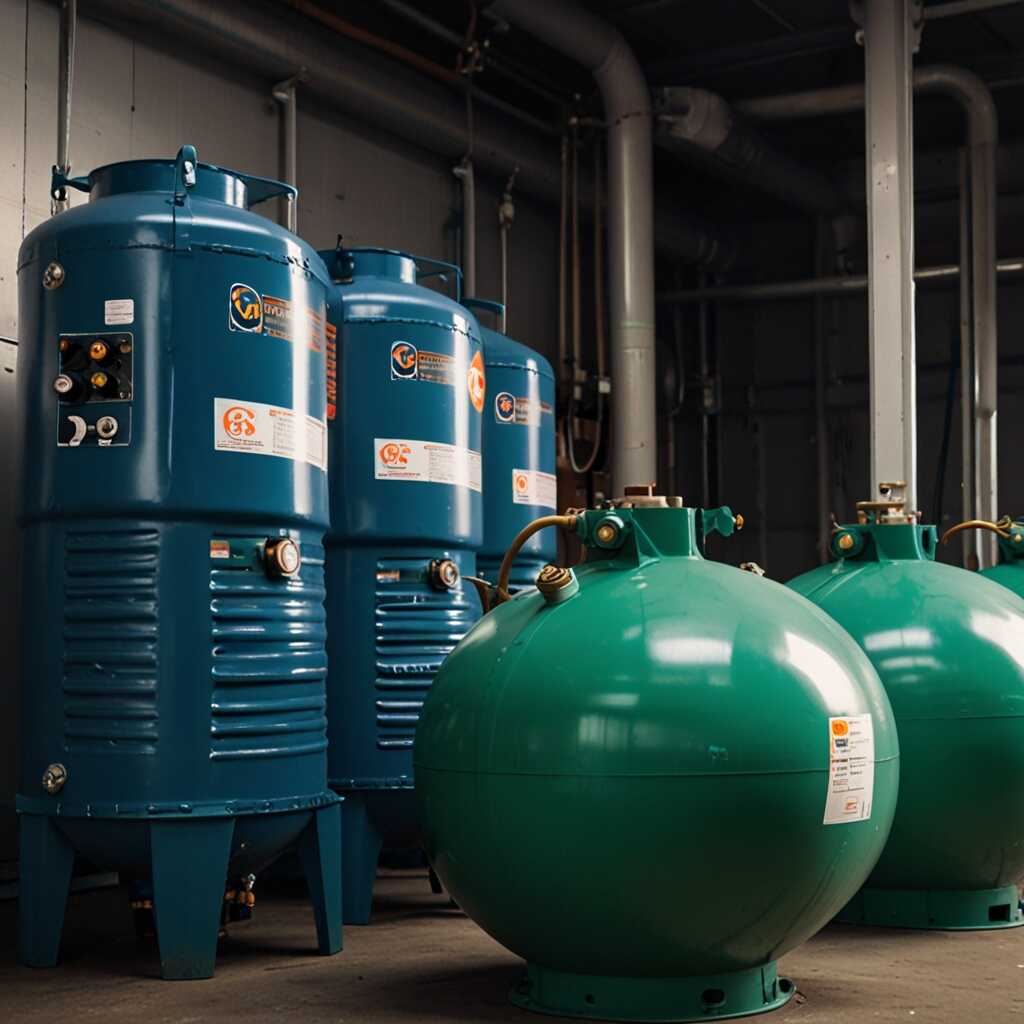
The most frequent challenges in multi-cylinder connections include incompatible fittings, pressure imbalances, and cylinder capacity limitations. Incompatible fittings occur when mixing equipment from different manufacturers or when using fittings not designed for specific refrigerant types. Employing proper connection techniques and reliable equipment enhances refrigerant recovery efficiency and prevents these common problems.
Pressure imbalances develop when cylinders at different pressure levels are connected without proper equalization procedures. This can result in refrigerant transferring between cylinders rather than from the recovery source. Professional solutions include using pressure equalization valves and monitoring individual cylinder pressures throughout the operation. Typically, you can successfully connect up to five refrigerant recovery cylinders for effective recovery operations without exceeding system design limits.
Troubleshooting Pressure and Flow Issues
Pressure and flow problems often indicate connection issues or equipment malfunctions that require immediate attention. When recovery rates drop significantly, check all connections for partial blockages or loose fittings that might restrict flow. Temperature differences between cylinders can also affect recovery rates, as warmer cylinders accept refrigerant more readily than cooler ones.
Flow restrictions typically occur at quick-connect fittings or in manifold gauge ports that may become partially blocked with debris or ice formation. Regular maintenance includes flushing connection lines with dry nitrogen and replacing filter-driers when pressure drops across the system exceed manufacturer specifications. Implementing proper maintenance schedules prevents most flow-related problems before they impact recovery operations.
Operational Benefits of Multi-Cylinder Systems
- Increased recovery capacity allows handling larger commercial projects without equipment changes.
- Continuous operation capability reduces project timelines and labor costs significantly.
- Improved environmental compliance through better refrigerant capture and reduced venting incidents.
- Enhanced flexibility for handling different refrigerant types simultaneously when properly segregated.
- Reduced transportation costs by minimizing trips to disposal or recycling facilities.
- Better inventory management through improved tracking of recovered refrigerant quantities.
- Enhanced safety through distributed capacity reducing individual cylinder pressure stress.

EPA Compliance Requirements for Multi-Cylinder Recovery Systems
Environmental Protection Agency regulations under Section 608 of the Clean Air Act establish specific requirements for refrigerant recovery operations. These regulations mandate that commercial HVAC systems must achieve minimum recovery rates of 90% for most refrigerant types. Multi-cylinder systems help technicians meet these requirements more effectively by providing adequate storage capacity for complete refrigerant recovery.
Compliance documentation requirements include maintaining detailed records of refrigerant quantities recovered, stored, and disposed of through proper channels. The EPA requires technician certification for anyone handling refrigerants, and multi-cylinder operations often require additional training to ensure safe and compliant procedures. Regular equipment calibration and maintenance records also support compliance verification during EPA inspections.
State and Local Regulatory Considerations
Beyond federal EPA requirements, many states and local jurisdictions impose additional regulations on refrigerant handling and recovery operations. Some areas require permits for storing large quantities of recovered refrigerants, while others mandate specific disposal timelines or recycling procedures. Understanding local requirements helps avoid violations and potential fines that can significantly impact project costs.
Professional HVAC contractors should regularly review regulatory updates and participate in continuing education programs that address changing compliance requirements. Industry associations and equipment manufacturers often provide resources and training programs that help technicians stay current with evolving regulations and best practices for multi-cylinder recovery operations.
Best Practices for Maximizing Recovery Efficiency and Safety
Connecting multiple refrigerant recovery cylinders requires systematic planning and attention to detail throughout the entire process. Start by verifying that all cylinders are properly rated for the specific refrigerants being recovered and that their certification dates remain current. Use only hoses and fittings specifically designed for refrigerant service, as standard compressed air components may fail under refrigerant conditions.
Implement a manifold system that allows individual cylinder isolation while maintaining system pressure balance. This approach enables technicians to remove full cylinders and add empty ones without interrupting the recovery process. Effective pressure management throughout the operation ensures consistent recovery rates and prevents equipment damage that could result from pressure spikes or vacuum conditions.
Equipment Selection Strategies for Optimal Performance
Selecting appropriate equipment for multi-cylinder operations requires understanding both current project needs and future expansion possibilities. Choose manifold systems with sufficient ports to accommodate your typical cylinder count plus at least one spare port for flexibility. Equipment featuring built-in pressure monitoring and alarm systems helps prevent operational problems before they become safety hazards.
Invest in recovery machines with sufficient capacity to supply multiple cylinders effectively without overworking the compressor. Recovery units with variable speed capability adapt to changing system demands and provide better efficiency across different operating conditions. Safety requirements analysis shows that properly sized equipment reduces both operational risks and long-term maintenance costs.
Leading Equipment Manufacturers and Their Specialties
- Yellow Jacket specializes in heavy-duty recovery units with robust construction suitable for demanding commercial applications.
- Appion focuses on portable, lightweight systems that excel in residential and light commercial applications.
- Fieldpiece integrates advanced diagnostic capabilities that help troubleshoot system problems during recovery operations.
- Ritchie Engineering emphasizes user-friendly controls and interfaces that reduce training time for new technicians.
- Mastercool offers cost-effective solutions that balance performance with affordability for smaller operations.
- RecoverX targets industrial applications requiring high-capacity recovery systems for large facilities.
- Enviro-Safe provides environmentally focused solutions with enhanced efficiency and reduced environmental impact.
Professional Resources and Technical Support for Recovery Operations
Accessing professional resources and ongoing technical support ensures successful multi-cylinder recovery operations throughout their service life. Industry organizations like HVACR contractors associations and the Air Conditioning Contractors of America provide valuable resources including technical training, regulatory updates, and best practice guidelines. The FAQ section on Refrigerant Recovery Pro addresses many common questions about equipment selection and operational procedures.
Regular participation in industry training programs helps technicians stay current with evolving regulations and emerging technologies. Many equipment manufacturers offer specialized training programs that cover both basic operation and advanced troubleshooting techniques for their specific products. This training often includes hands-on experience with multi-cylinder configurations and real-world problem-solving scenarios.
Accessing Technical Support and Professional Guidance
Professional technical support services provide valuable assistance when dealing with complex multi-cylinder recovery challenges. Refrigerant recovery pro offers expert advice through comprehensive knowledge bases, technical articles, and direct customer support channels that address specific operational questions.
For immediate technical assistance, contact support teams through established channels such as email at technical@refrigerantrecoverypro.com where experienced technicians can provide guidance on equipment selection, operational procedures, and troubleshooting specific problems. These resources include detailed equipment reviews, comparison guides, and step-by-step procedures that help optimize recovery operations while maintaining compliance with all applicable regulations.