Brushless motor refrigerant recovery machines require significantly less maintenance time because they are HVAC devices that use electronically controlled motors without physical brushes, eliminating the primary source of wear and friction. These advanced recovery systems typically need servicing every 2-3 years compared to brushed motor units that require annual maintenance. At Refrigerant Recovery Pro, we understand the significance of these advantages when selecting equipment for refrigerant recovery tasks. This comprehensive guide explores how brushless motor technology transforms HVAC maintenance schedules, reduces operational costs, and maximizes equipment reliability for professional technicians.
What Are Brushless Motor Refrigerant Recovery Machines
Brushless motor refrigerant recovery machines are specialized HVAC equipment that use electronically commutated motors instead of traditional brushed motors for refrigerant extraction and processing. These machines work by employing electronic controllers that precisely manage motor speed and torque without physical brush contact, which eliminates the friction and wear associated with conventional motors. The brushless design consists of a permanent magnet rotor, electronic speed controller, and sensor feedback system that coordinates motor operation. This technology enables refrigerant recovery systems to operate more efficiently while requiring substantially less maintenance intervention than their brushed counterparts.
How Brushless Motor Technology Functions in HVAC Applications
Brushless motors operate through electronic switching that controls magnetic field timing, allowing precise speed control and optimal torque delivery for refrigerant recovery tasks. The electronic controller monitors rotor position using Hall effect sensors or encoders, ensuring smooth operation across varying load conditions. This precise control mechanism enables the recovery machine to adapt automatically to different refrigerant types and system pressures. The absence of physical brushes means no carbon dust generation, reduced electrical noise, and consistent performance throughout the motor’s lifespan, making these systems particularly valuable for professional HVAC applications requiring reliable refrigerant management.
Maintenance Time Reduction Benefits of Brushless Motor Systems
Brushless motors in refrigerant recovery machines deliver substantial maintenance time savings due to their simplified mechanical design and reduced component wear. The primary advantage lies in eliminating brush replacement schedules, which typically occur every 6-12 months in traditional motors. These systems feature fewer moving parts, reducing potential failure points and extending service intervals from annual to biennial or triennial schedules. HVAC technicians report spending approximately 60-70% less time on routine maintenance compared to brushed motor systems. The improved reliability translates to fewer emergency repairs and predictable maintenance planning, allowing service teams to allocate resources more effectively across their operations.
Understanding Brushless Motor Design Advantages
Brushless motor features include a simplified structure that eliminates physical brush contact, reducing friction-related wear on both the motor and connected components. This design minimizes heat generation during operation, promoting component longevity and reducing thermal stress on electrical circuits. The electronic commutation system provides consistent power delivery without the voltage drops associated with brush wear, maintaining optimal performance throughout the motor’s service life. HVAC technicians benefit from fewer repairs and increased reliability in their refrigerant recovery machines. The improved motor longevity ensures that HVAC business owners can rely on their equipment with greater confidence and reduced unexpected downtime.
Brushless vs Brushed Motor Maintenance Comparison
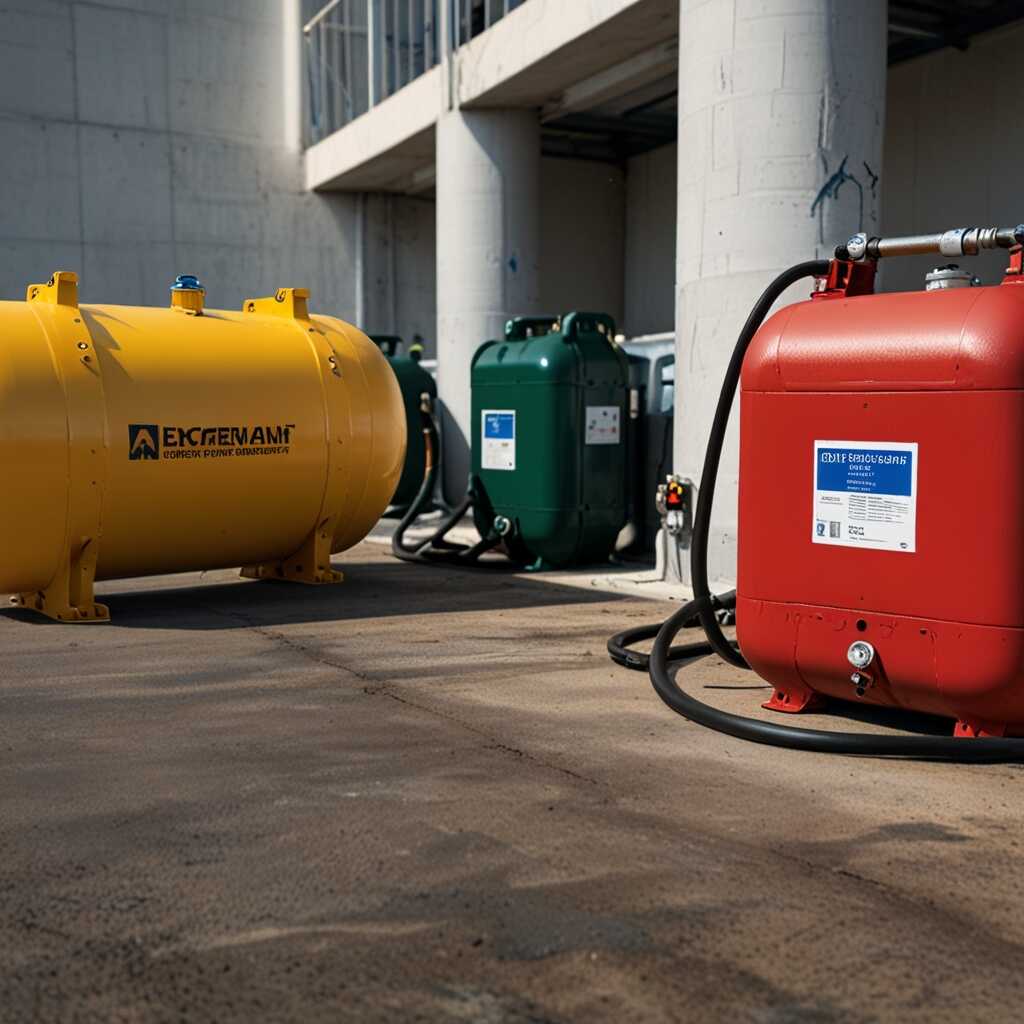
Brushless motors demonstrate superior maintenance efficiency compared to traditional brushed motors used in refrigerant recovery machines, primarily due to their elimination of brush-related wear components. While brushed motors require regular brush inspection and replacement every 500-1000 operating hours, brushless systems typically operate 3000-5000 hours between major service intervals. The maintenance time difference is substantial, with brushless systems requiring approximately 2-3 hours annually versus 8-12 hours for brushed motor equivalents. This reduction stems from fewer lubrication points, no brush adjustment requirements, and extended component lifecycles. HVAC professionals experience significantly less downtime, allowing more productive time for revenue-generating service calls.
Reliability Factors That Reduce Maintenance Frequency
Brushless motors offer enhanced reliability for refrigeration equipment due to their electronic control systems and reduced mechanical complexity. The absence of brush wear eliminates the primary cause of motor failure in traditional systems, while electronic controllers provide consistent power delivery regardless of load variations. Temperature management improves significantly, as brushless motors generate less waste heat and include thermal protection circuits that prevent overheating damage. HVAC professionals find these systems maintain consistent performance across diverse operating conditions, from light residential recovery to heavy commercial applications. The predictable maintenance schedule allows technicians to plan service intervals without unexpected equipment failures disrupting job schedules.
Maintenance Schedule Comparison Data
- Brushless motors typically operate 2-3 years between major services
- Routine maintenance intervals extend by 50-75% compared to brushed systems
- Electronic components show 20-30% fewer failure rates over equipment lifetime
- Technicians report 40-60% less unscheduled downtime with brushless units
- Average lifespan of brushless refrigerant recovery machines ranges from 12-18 years
- Operating efficiency maintains 90-95% of original performance after 10 years
- Noise levels remain consistent throughout motor lifespan without brush wear
Cost Analysis: Brushless Motor Maintenance Savings
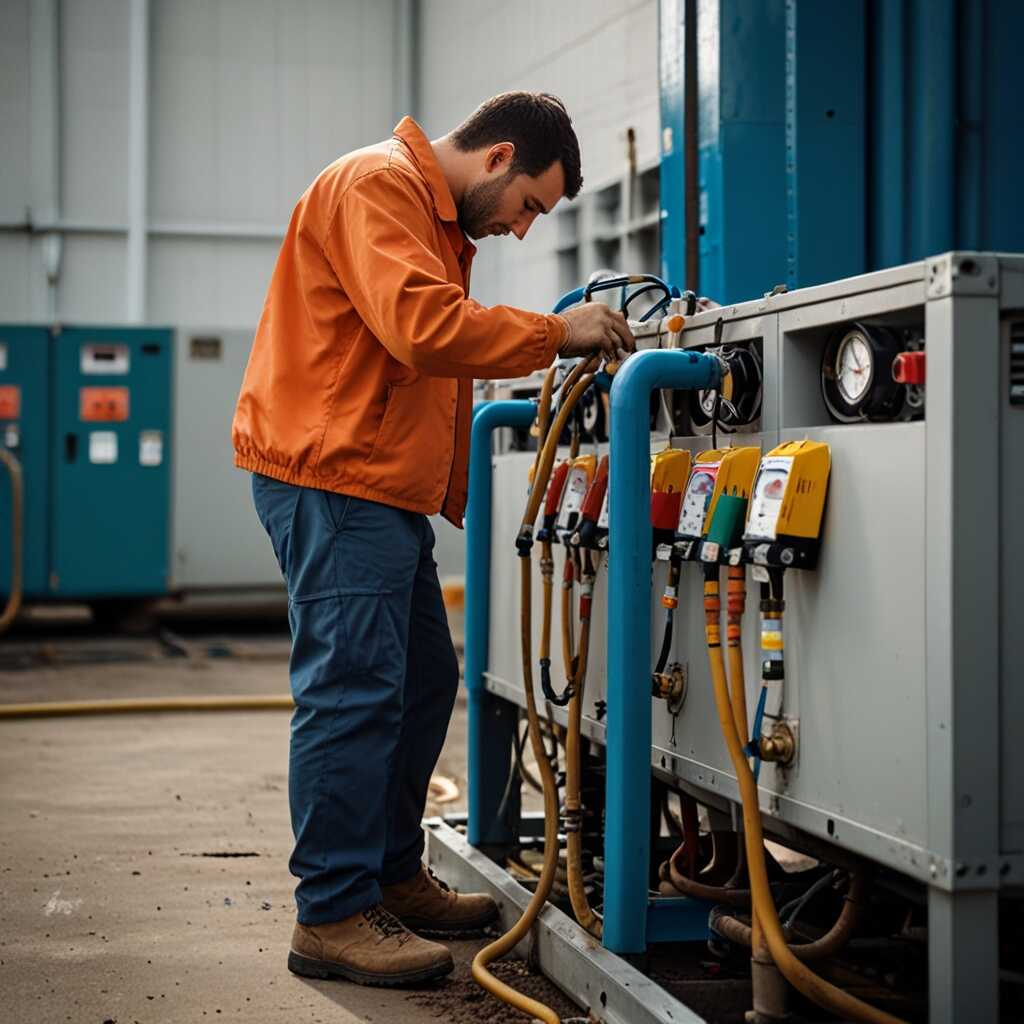
Brushless motor refrigerant recovery machines provide substantial cost advantages for HVAC professionals through reduced maintenance expenses and increased operational efficiency. The primary savings come from eliminating brush replacement costs, which typically range from $50-150 annually for brushed systems, and reducing labor time for routine maintenance by 3-6 hours per year. For HVAC businesses operating multiple recovery units, these savings compound significantly, often resulting in 30-50% lower maintenance budgets compared to traditional brushed motor fleets. The reduced downtime also translates to increased billable hours, with some service companies reporting 10-15% higher revenue potential due to improved equipment availability.
Downtime Cost Impact on HVAC Business Operations
Equipment downtime represents a critical cost factor for HVAC businesses, often exceeding direct repair expenses when factoring lost revenue opportunities. When refrigerant recovery equipment fails during peak seasons, service delays can cost $200-500 per day in lost productivity and customer satisfaction issues. Brushless motor refrigerant recovery machines are designed for maximum uptime reliability, with failure rates typically 60-80% lower than brushed equivalents. Their predictable maintenance schedules allow businesses to plan service intervals during slower periods, avoiding emergency repairs during busy seasons. The investment in brushless technology often pays for itself within 2-3 years through improved operational efficiency and customer service capabilities.
Energy Efficiency Impact on Maintenance Requirements
Energy efficiency in brushless motors significantly reduces maintenance needs by minimizing heat generation and component stress during operation. The improved efficiency typically ranges from 85-95% compared to 70-80% for brushed motors, resulting in less thermal cycling and extended component lifecycles. Key efficiency contributors include optimized magnetic field control, reduced electrical losses, and improved heat dissipation design. These factors combine to reduce bearing wear, extend insulation life, and minimize electrical component degradation. Over typical equipment lifecycles of 10-15 years, this efficiency advantage can reduce total maintenance costs by 40-60% compared to traditional motor systems.
Energy Efficient Components That Reduce Maintenance
Brushless motors incorporate several key components that contribute to both energy efficiency and reduced maintenance requirements. High-precision bearings with extended lubrication intervals reduce friction and maintenance frequency, while advanced rotor designs optimize magnetic efficiency and reduce heat generation. Electronic controllers with thermal management features prevent overheating damage and extend component life significantly. Variable speed capabilities allow motors to operate at optimal efficiency points for different refrigerant recovery tasks, reducing unnecessary wear during light-load conditions. These integrated design features enable refrigerant recovery machines to maintain peak performance while minimizing maintenance intervention throughout their service life.
Efficiency-Related Maintenance Advantages
- Lower operating temperatures reduce thermal stress on electrical components
- Precise speed control minimizes mechanical stress during startup and operation
- Higher efficiency leads to faster refrigerant recovery times and reduced operating hours
- Electronic protection systems prevent damage from overcurrent and overvoltage conditions
- Consistent torque delivery reduces drive train wear and bearing stress
- Improved power factor reduces electrical system stress and component aging
- Soft-start capabilities eliminate mechanical shock during motor startup

Maintenance Best Practices for Brushless Motor Recovery Systems
To maintain brushless motor refrigerant recovery machines effectively, focus on three essential areas: electronic system inspection, thermal management verification, and mechanical component monitoring. Check electronic controllers for error codes and proper sensor function every 6 months, inspect cooling systems and air filters every 3 months, and verify proper lubrication of bearings and drive components annually. The simplified maintenance routine typically requires 1-2 hours compared to 4-6 hours for brushed systems. Priority components include the electronic speed controller, temperature sensors, cooling fans, and refrigerant line connections, as these elements directly impact system reliability and efficiency.
Critical Components for Brushless Motor Maintenance
Maintaining optimal performance in brushless motor refrigerant recovery machines requires focused attention on electronic and thermal management components. The electronic speed controller represents the most critical element, requiring periodic software updates and electrical connection inspection to ensure reliable operation. Temperature monitoring systems need calibration verification annually to prevent overheating protection issues. Cooling system maintenance includes fan cleaning, heat sink inspection, and airflow verification to maintain optimal operating temperatures. Additionally, refrigerant line connections and pressure sensors require regular leak testing, as system integrity directly affects recovery efficiency and motor loading conditions.
Limitations and Considerations for Brushless Motor Systems
While brushless motor refrigerant recovery machines offer significant maintenance advantages, several limitations should be considered when making equipment decisions. The initial purchase cost typically runs 20-40% higher than comparable brushed motor systems, requiring larger upfront investment despite long-term savings. Electronic controller complexity means specialized diagnostic equipment and training may be necessary for advanced troubleshooting, potentially limiting field repair capabilities. These systems also exhibit sensitivity to electrical power quality issues, requiring proper surge protection and power conditioning in areas with unstable electrical supply. Cold weather performance may be affected, as electronic components can be more sensitive to extreme temperatures than mechanical brush systems.
When Brushed Motors Might Be Preferred
Certain applications may favor traditional brushed motor systems despite their higher maintenance requirements. Budget-constrained operations with limited upfront capital might prefer the lower initial cost of brushed systems, especially for infrequent use applications. Remote locations without access to specialized electronic repair services may benefit from the simpler mechanical repair requirements of brushed motors. High-vibration environments or extreme temperature conditions might favor the mechanical robustness of traditional brush systems. However, for most professional HVAC applications, the long-term benefits of brushless technology typically outweigh these considerations within 2-4 years of operation.
Industry Compliance and Maintenance Standards
Brushless motor refrigerant recovery machines significantly enhance compliance with industry regulations including EPA Section 608 requirements and ASHRAE maintenance standards. These regulations mandate specific refrigerant recovery efficiency levels and equipment maintenance documentation, which brushless systems achieve more consistently due to their stable performance characteristics. The predictable maintenance schedules align well with regulatory inspection requirements, allowing HVAC professionals to maintain compliance documentation more easily. Modern brushless systems often include data logging capabilities that automatically track performance metrics, simplifying regulatory reporting and maintenance record keeping for EPA compliance audits.
Certification Requirements for Maintenance Compliance
The most critical certifications for brushless motor refrigerant recovery machines include EPA Section 608 certification for technician competency and AHRI 740 standards for equipment performance verification. These certifications ensure that HVAC technicians understand proper maintenance procedures and environmental friendly practices and refrigerant recovery efficiency. Additional certifications may include UL safety standards and Energy Star efficiency ratings for qualifying equipment. Compliance with these standards not only fulfills legal requirements but also provides assurance of equipment reliability and performance consistency, leading to improved customer confidence and business reputation in the HVAC service industry.
Professional Brands and User Experience Feedback
- Robinair offers durability-focused brushless systems with extended warranty coverage
- Yellow Jacket provides user-friendly interfaces with digital diagnostics capabilities
- Mastercool specializes in portable brushless units for mobile service applications
- Appion focuses on maintenance-friendly designs with modular component access
- JB Industries caters to budget-conscious users with entry-level brushless options
- Commercial users prefer heavy-duty units from CPS and Fieldpiece for demanding applications
- Environmentally focused technicians often choose high-efficiency models that exceed EPA standards
Future Developments in Brushless Motor Technology
Brushless motor technology continues evolving with enhanced reliability features and intelligent maintenance prediction capabilities. Current development trends focus on incorporating IoT connectivity for remote monitoring, predictive maintenance algorithms, and enhanced energy efficiency through advanced magnetic materials. Leading manufacturers are introducing self-diagnostic systems that can predict component wear and schedule maintenance automatically. These innovations promise to reduce maintenance requirements even further, with some systems potentially operating 5-7 years between major service intervals. The integration of artificial intelligence for performance optimization and fault prediction represents the next generation of brushless motor recovery systems.
Smart Technology Integration and Maintenance Evolution
New features in brushless motor refrigerant recovery machines include advanced sensor arrays that monitor performance metrics in real-time and cloud connectivity for remote diagnostics and maintenance scheduling. Modern systems incorporate machine learning algorithms that adapt to usage patterns and environmental conditions, optimizing performance while predicting maintenance needs. Self-diagnostic capabilities now extend beyond simple error codes to comprehensive system health monitoring with predictive maintenance recommendations and warranty optimization. These technological advances position brushless motor systems as the definitive choice for professional HVAC applications, with refrigerant recovery machines equipped with brushless motors expected to dominate the market through superior reliability, efficiency, and reduced maintenance demands.