Programmable refrigerant recovery machines are automated HVAC devices that reduce technician monitoring time by handling recovery processes independently. These machines, like models from Robinair, Appion, and CPS Products, feature preset programs and automatic shutoff capabilities. Most units cost between $1,500 to $5,000, depending on recovery speed and advanced features.
Benefits of Programmable Refrigerant Recovery Machines for HVAC Professionals
Programmable refrigerant recovery machines provide several key benefits that transform how HVAC professionals work. These machines significantly reduce monitoring requirements by automating recovery cycles, allowing technicians to perform other essential tasks simultaneously. The automated features include self-monitoring pressure levels, automatic shutoff when recovery is complete, and digital displays showing real-time progress. This technology enables technicians to service multiple units or complete paperwork while the machine operates independently. Unlike traditional recovery methods requiring constant supervision, programmable units handle the entire process autonomously once properly connected. The time savings vary depending on system size and refrigerant type, but technicians commonly report completing more service calls per day when using programmable equipment.
Key Features Enhancing Efficiency in Recovery Processes
Programmable refrigerant recovery machines include features specifically designed to maximize efficiency during recovery operations. Advanced microprocessor controls automatically adjust recovery parameters based on system pressure and refrigerant type, eliminating manual adjustments. Built-in scales monitor recovered refrigerant weight, while automatic purge functions remove non-condensables without technician intervention. Many models feature dual-piston compressors that maintain consistent recovery rates regardless of ambient temperature. Data logging capabilities record recovery details for compliance documentation, and some units offer wireless connectivity for remote monitoring via smartphone apps. These features work together to create a hands-off recovery experience that maintains professional standards while freeing technicians for other responsibilities.
Understanding Programmable Refrigerant Recovery Technology
Programmable refrigerant recovery technology includes various sophisticated components working together to automate the recovery process. The core system consists of a microprocessor control board, pressure transducers, temperature sensors, and solenoid valves that work in concert. When initiated, the machine reads system pressures and automatically selects appropriate recovery parameters from its programmed database. The technology adapts to different refrigerant types including R-410A, R-22, and R-134a, adjusting compressor speed and valve timing accordingly. During operation, the system continuously monitors pressure differentials and adjusts its recovery strategy to maintain optimal efficiency. This intelligent automation ensures consistent performance across varying conditions while protecting both the equipment and recovered refrigerant quality.
How Programmable Recovery Machines Actually Work
Modern programmable refrigerant recovery machines offer several operational modes that automate the recovery process. The machine begins by running a self-diagnostic check, verifying all sensors and valves function properly. Once connected to the HVAC system, it measures initial pressure and selects the appropriate recovery program. During liquid recovery phase, the machine opens specific valves to allow liquid refrigerant flow while monitoring tank weight. As liquid levels decrease, it automatically switches to vapor recovery mode, adjusting compressor speed for optimal extraction. The built-in vacuum sensor detects when recovery is complete, triggering automatic shutoff to prevent damage. Throughout this process, the machine maintains safety protocols including overpressure protection and thermal overload prevention.
Challenges HVAC Technicians Face in Traditional Recovery Processes
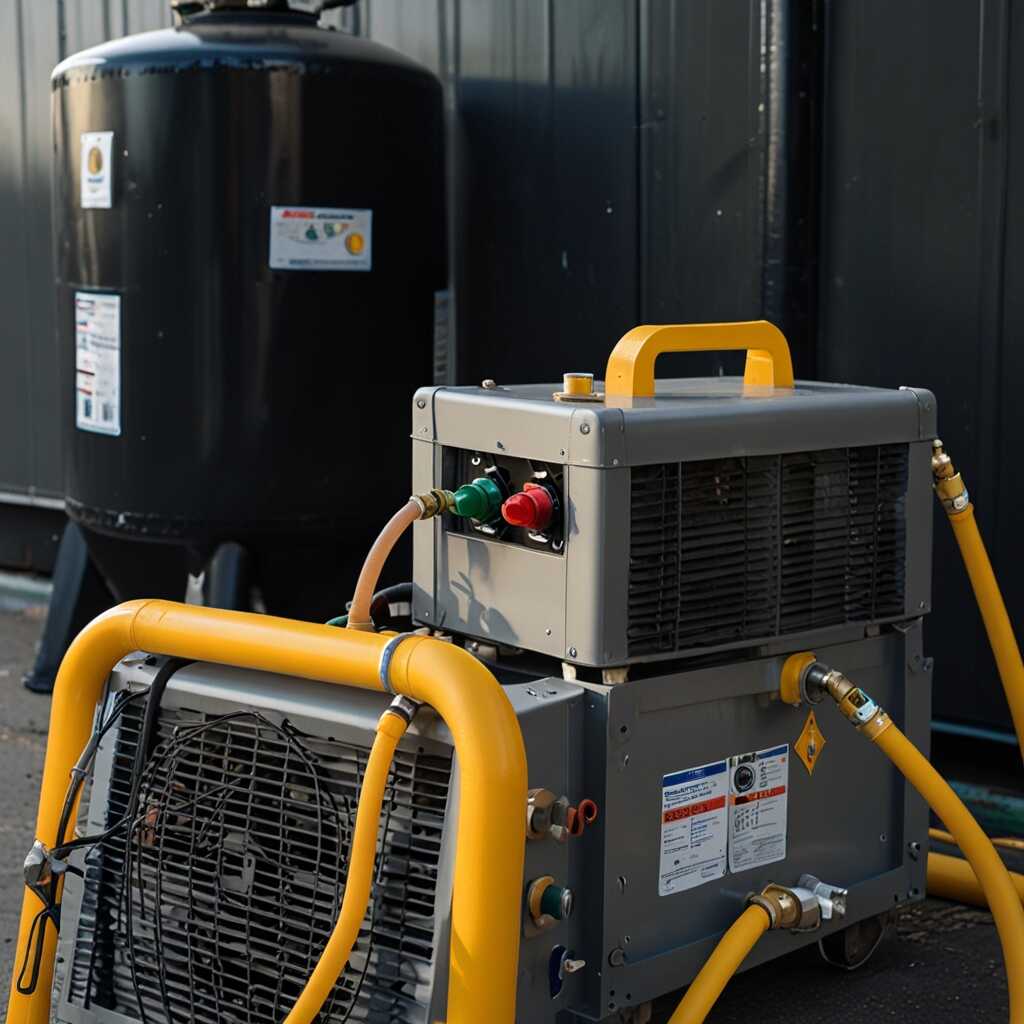
HVAC technicians using traditional recovery methods face numerous operational challenges that programmable machines address effectively. Manual recovery requires constant monitoring to prevent tank overfilling, adjust for pressure changes, and switch between liquid and vapor modes. Technicians must remain present throughout the entire process, which can take anywhere from 30 minutes to several hours depending on system size. This continuous supervision prevents them from addressing other service needs or preparing for subsequent calls. Weather conditions further complicate manual recovery, as extreme temperatures affect recovery rates and require frequent adjustments. Safety concerns also arise when technicians must repeatedly check gauges and manually operate valves, increasing exposure to refrigerants and potential equipment malfunctions.
Impact of Manual Monitoring on Service Efficiency
The requirement for continuous monitoring during traditional recovery significantly impacts overall service efficiency and business operations. Technicians tied to manual recovery processes cannot perform system diagnostics, complete service reports, or prepare replacement parts while waiting. This single-task limitation often extends service call duration, reducing daily customer capacity. Emergency calls become particularly challenging when technicians cannot leave an ongoing recovery to address urgent situations. The physical demands of manual monitoring, including repeated gauge checks and valve adjustments, contribute to technician fatigue over long service days. Additionally, manual processes increase the likelihood of procedural errors that can damage equipment or compromise refrigerant quality. These combined factors make programmable machines increasingly attractive for service operations prioritizing efficiency and technician productivity.
Common Time Drains in Traditional Recovery
- Constant gauge monitoring requires technician presence every few minutes throughout recovery
- Manual valve adjustments needed when switching between liquid and vapor recovery phases
- Tank weight must be checked repeatedly to prevent dangerous overfilling situations
- Pressure changes require immediate manual compensation to maintain recovery efficiency
- System purging demands careful timing and manual valve operation to remove non-condensables
- Documentation must wait until recovery completes, delaying administrative tasks
- Equipment setup takes longer without programmable presets for different refrigerant types
Traditional vs Programmable Refrigerant Recovery Machines Explained
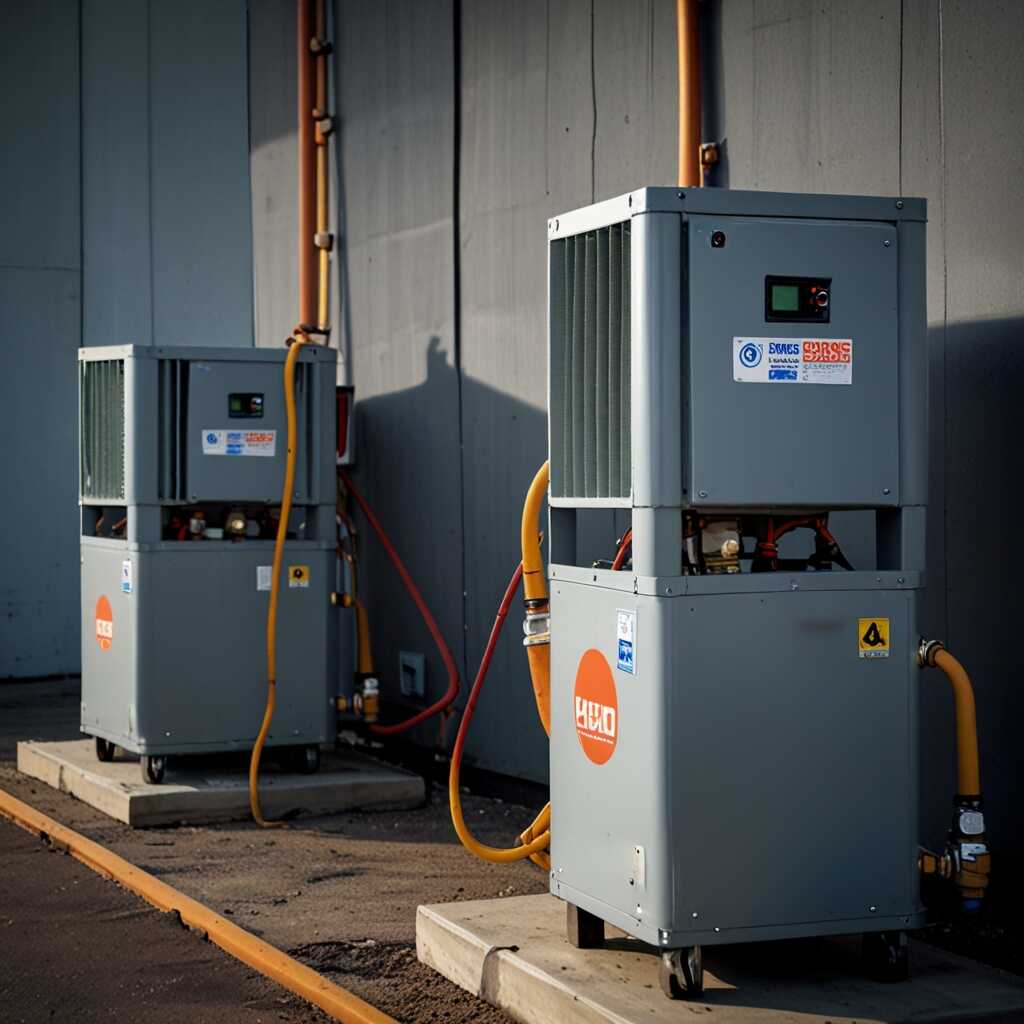
Traditional refrigerant recovery machines operate through manual control systems requiring continuous technician oversight and adjustment throughout the recovery process. Programmable machines revolutionize this approach by incorporating automated control systems that manage the entire recovery cycle independently. The fundamental difference lies in how each handles process management – traditional units rely on technician experience and constant attention, while programmable models use preprogrammed parameters and real-time sensor feedback. This automation extends beyond simple on/off functionality to include intelligent decision-making based on system conditions. Programmable machines automatically adjust recovery strategies, switch between operational modes, and shut down when recovery completes, all without technician intervention.
Comparing Operational Requirements and Outcomes
The operational differences between traditional and programmable refrigerant recovery machines significantly impact service delivery and technician workload. Traditional recovery requires technicians to monitor pressure gauges continuously, manually operate valves, and make real-time adjustments based on changing conditions. This hands-on approach demands extensive experience and constant attention to prevent equipment damage or incomplete recovery. Programmable machines eliminate these requirements through automated monitoring and adjustment systems. Technicians simply connect the machine, select the appropriate program, and initiate recovery. The machine handles all subsequent operations including mode transitions, pressure management, and completion detection. This automation particularly benefits less experienced technicians who might struggle with manual recovery timing and adjustments.
Automation and Efficiency Gains with Programmable Machines
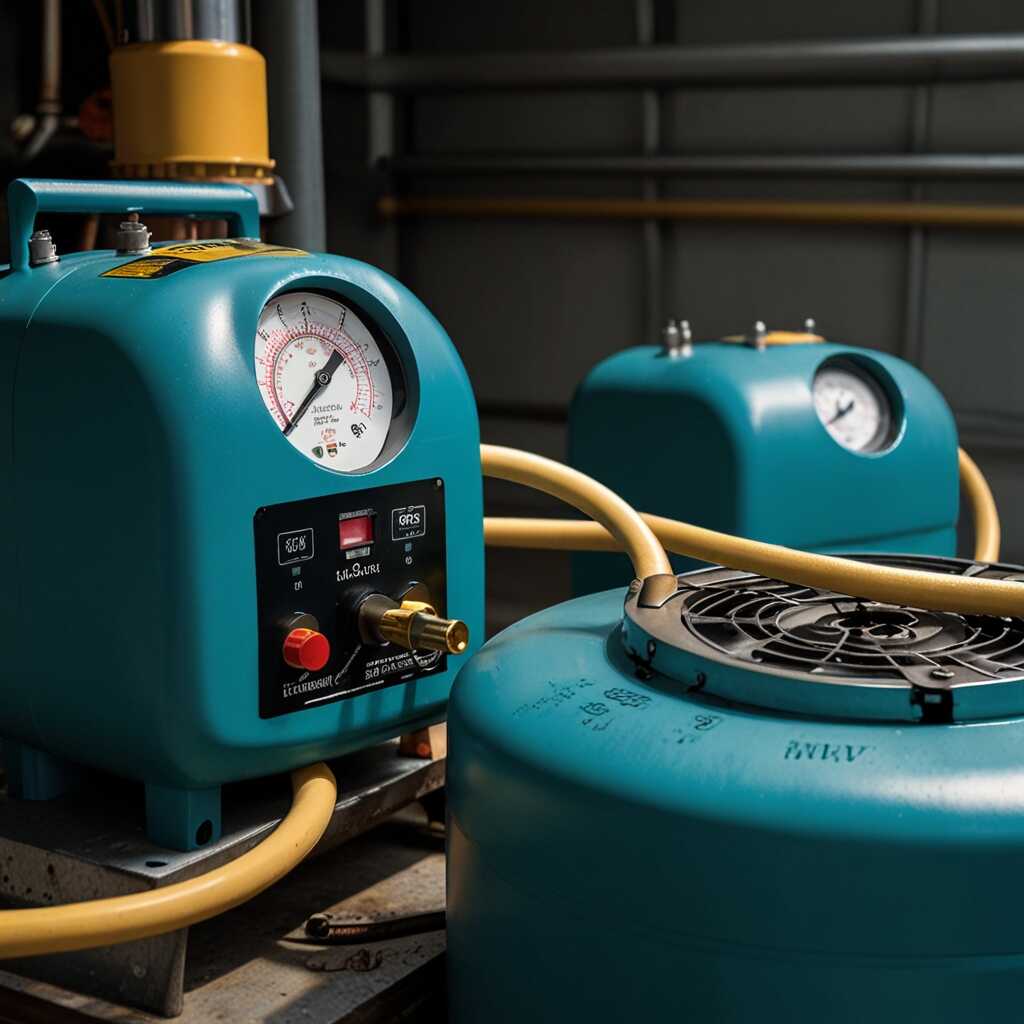
Programmable refrigerant recovery machines automate critical operational decisions that traditionally required technician judgment and manual intervention. These machines continuously analyze system conditions through integrated sensors, making micro-adjustments to optimize recovery speed and completeness. The automation encompasses valve sequencing, compressor speed control, and phase transition management based on real-time pressure and temperature data. This intelligent operation ensures consistent recovery performance regardless of ambient conditions or system variations. Technicians benefit from predictable recovery times and reliable results, enabling better scheduling and customer service. The reduced need for manual intervention also decreases the physical demands on technicians, particularly during extended recovery operations on large commercial systems.
Specific Automation Features That Save Time
Programmable machines incorporate multiple automation features designed to minimize technician involvement while maximizing recovery efficiency. Automatic refrigerant identification systems detect the type of refrigerant and adjust recovery parameters accordingly, eliminating setup errors. Self-clearing functions prevent cross-contamination between different refrigerants without manual purging procedures. Built-in leak detection alerts technicians to system problems before beginning recovery, saving time on troubleshooting. Automatic oil drain systems separate and measure compressor oil during recovery, providing valuable diagnostic information. Some advanced models feature predictive completion algorithms that estimate remaining recovery time based on current conditions. These automated features work synergistically to transform recovery from an intensive monitoring task to a largely autonomous process.
Time-Saving Benefits of Automation
- Automatic mode switching eliminates manual valve operations during phase transitions
- Self-diagnostic routines identify equipment issues before recovery begins
- Preset recovery programs optimize settings for common refrigerant types instantly
- Tank fill protection automatically stops recovery at safe capacity levels
- Digital displays provide clear status updates without gauge interpretation
- Memory functions store frequently used settings for quick selection
- Automatic purge cycles maintain refrigerant purity without manual intervention
Key Features Necessary for Effective Recovery Machines
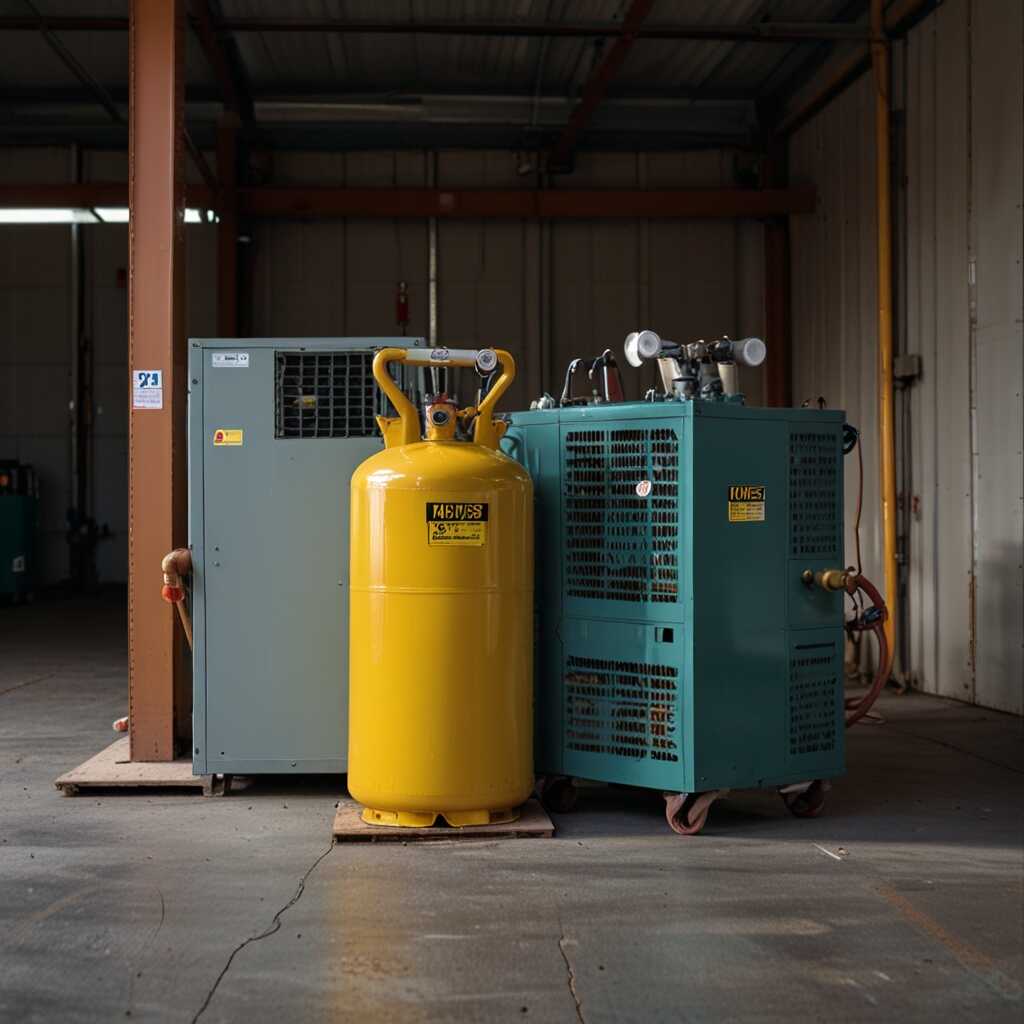
HVAC professionals evaluating programmable refrigerant recovery machines should prioritize specific features that maximize time savings and operational efficiency. Essential programming capabilities include multiple preset recovery profiles accommodating various refrigerant types and system sizes. Recovery rate specifications determine job completion speed, with professional-grade machines typically achieving 0.5 to 1.0 pounds per minute in vapor mode. Durability features such as oil-less compressors and corrosion-resistant components ensure reliable long-term performance under demanding conditions. User interface design significantly impacts efficiency – clear digital displays and intuitive controls reduce setup time and minimize operational errors. Tank compatibility and built-in scales streamline the recovery process by eliminating external weighing requirements.
Critical Specifications for Professional Use
Professional-grade programmable recovery machines must meet specific performance criteria to justify their higher cost compared to basic models. Minimum recovery rates should exceed 0.25 pounds per minute in vapor mode for residential applications, while commercial work demands rates approaching 1.0 pound per minute. Operating temperature ranges need to span from below freezing to over 120°F to handle various job site conditions. Compressor designs should incorporate thermal protection and variable speed capabilities for optimal performance across different pressure ranges. Quality machines include comprehensive warranty coverage reflecting manufacturer confidence in durability. Refrigerant compatibility must cover current and upcoming refrigerants, including R-32 and other low-GWP alternatives, ensuring long-term equipment viability.
Cost Considerations and Return on Investment
Programmable refrigerant recovery machines require higher initial investment compared to traditional units, with prices ranging from $1,500 for entry-level models to over $5,000 for advanced commercial-grade equipment. However, the time savings and increased service capacity often justify this investment for busy HVAC contractors. Basic programmable features like automatic shutoff and preset programs appear in mid-range models priced between $2,000 and $3,500. High-end units incorporating wireless monitoring, multiple refrigerant compatibility, and advanced diagnostics command premium prices but offer maximum automation benefits. When calculating return on investment, contractors should consider both direct time savings and indirect benefits like improved technician satisfaction and reduced training requirements for new employees.
Factors Affecting Equipment Selection and Pricing
Several factors influence the selection and pricing of programmable recovery machines beyond basic functionality. Recovery speed specifications significantly impact cost, with each 0.1 pound per minute increase in capacity typically adding several hundred dollars to the price. Refrigerant compatibility affects both initial cost and long-term value – machines certified for newer refrigerants like R-32 and R-454B command higher prices but offer better future-proofing. Build quality variations between manufacturers result in price differences, with industrial-grade components and extended warranties justifying premium pricing. Optional features such as wireless connectivity, cloud-based data logging, and multi-language interfaces add cost but may prove valuable for specific operations. Service and support availability from manufacturers also factors into total ownership cost.
Limitations and Important Considerations
While programmable refrigerant recovery machines offer substantial benefits, they present certain limitations that technicians should understand. Initial setup and programming require more time than traditional machines, particularly when configuring custom recovery profiles. These sophisticated machines demand regular software updates to maintain compatibility with new refrigerants and optimize performance algorithms. Technical malfunctions in electronic controls can completely disable the machine, whereas mechanical units might continue operating with reduced efficiency. Programmable machines typically cost significantly more to repair due to specialized components and diagnostic requirements. Some older technicians find the transition to digital interfaces challenging after years of gauge-based operation. Additionally, extreme job site conditions including moisture, dust, and temperature extremes can affect sensitive electronic components more than simple mechanical systems.
When Traditional Machines Might Be Preferable
Certain situations favor traditional recovery machines despite the advantages of programmable alternatives. Emergency service calls requiring immediate deployment benefit from the simplicity and reliability of mechanical units. Job sites with inconsistent power supply or generator-based electricity may experience issues with sensitive programmable electronics. Very small HVAC operations with limited service volume might not recover the higher investment cost of programmable units through time savings. Technicians working primarily on older equipment with common refrigerants may find sophisticated programming features unnecessary. Additionally, repair shops specializing in recovery machine service often prefer mechanical units due to easier diagnosis and parts availability. These scenarios demonstrate that equipment selection should match specific operational needs rather than following universal recommendations.
Maintenance Requirements for Programmable Units
- Software updates must be performed regularly to maintain optimal performance algorithms
- Electronic control boards require protection from moisture and power surges
- Sensor calibration needs periodic verification to ensure accurate operation
- Digital displays and interfaces demand gentle cleaning to prevent damage
- Firmware backups should be maintained in case of system corruption
- Specialized diagnostic tools may be needed for troubleshooting electronic issues
- Professional service often required for repairs beyond basic maintenance
Future Developments in Recovery Technology
The future of refrigerant recovery technology continues evolving with innovations focused on further reducing technician workload and improving environmental compliance. Emerging features include artificial intelligence algorithms that predict optimal recovery strategies based on historical data and current conditions. Cloud connectivity enables fleet managers to monitor multiple recovery operations remotely, optimizing technician deployment and equipment utilization. Integration with service management software automates compliance documentation and inventory tracking. Manufacturers are developing hybrid recovery systems that combine the reliability of mechanical components with the intelligence of programmable controls. Advanced filtration systems promise to improve recovered refrigerant quality, potentially eliminating separate reclamation steps. These innovations aim to transform refrigerant recovery from a necessary task into a value-added service differentiator.
Preparing for Next-Generation Recovery Equipment
HVAC contractors preparing for next-generation recovery equipment should focus on developing technical competencies and operational frameworks that support advanced technology adoption. Training programs must evolve beyond traditional mechanical skills to include software navigation, data interpretation, and remote monitoring capabilities. Investment in programmable recovery machines today provides valuable experience with automated systems before more complex AI-driven units arrive. Service operations should establish data collection practices that will integrate with future analytics platforms. Companies benefit from gradual technology adoption, allowing technicians to build confidence with programmable features before advancing to fully autonomous systems. This measured approach ensures organizations maximize the benefits of emerging recovery technologies while maintaining service quality during the transition period.