Refrigerant recovery systems with integrated scales are specialized HVAC tools that combine refrigerant extraction equipment with built-in weighing technology for precise measurement. These systems typically include compressors, storage tanks, and digital scales that monitor refrigerant weight during recovery and charging processes. Common brands like Robinair, Appion, and Yellow Jacket offer models ranging from portable units for residential work to larger commercial systems.
How Integrated Scale Technology Works in Refrigerant Recovery
Integrated scales in refrigerant recovery systems work by continuously measuring the weight of refrigerant as it moves through the recovery process. The scale technology connects directly to the recovery unit’s control system, providing real-time weight data on a digital display. This integration allows technicians to monitor exact refrigerant quantities during both recovery and charging operations. The scales typically feature tare functions, automatic shut-off capabilities, and accuracy within a few ounces, which helps prevent overcharging or undercharging HVAC systems.
Key Components of Scale-Integrated Recovery Systems
Modern refrigerant recovery systems with integrated scales consist of several essential components working together. The compressor unit extracts refrigerant from HVAC systems, while the integrated scale platform measures weight changes throughout the process. Storage cylinders hold recovered refrigerant, and digital displays show real-time weight readings. These systems also include safety features like pressure gauges, automatic shut-off valves, and overfill protection. The performance analysis shows these integrated systems significantly reduce recovery time compared to manual weighing methods.
Primary Benefits of Using Integrated Scales for Refrigerant Management
The main benefits of integrated scales include improved accuracy, reduced refrigerant waste, and enhanced regulatory compliance. These systems eliminate guesswork by providing exact measurements, which helps technicians charge systems to manufacturer specifications. Time savings represent another significant advantage, as technicians no longer need to manually weigh cylinders or use separate scales. Environmental benefits arise from reduced refrigerant emissions and waste, while financial benefits come from minimizing refrigerant loss and avoiding regulatory penalties. The comparison table demonstrates how integrated scales outperform traditional recovery methods in multiple categories.
Accuracy Advantages for HVAC System Performance
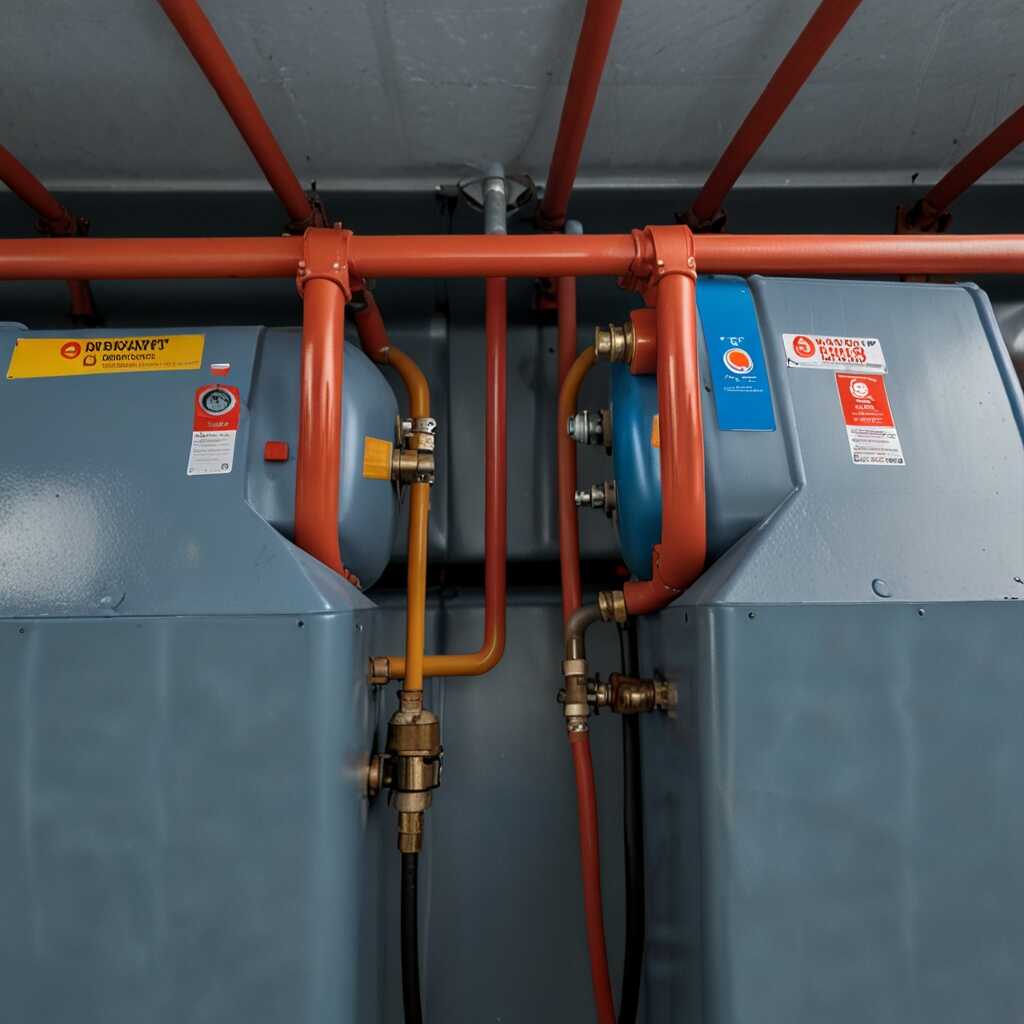
Accurate refrigerant charging directly impacts HVAC system efficiency and longevity. Systems charged with the correct amount of refrigerant operate at optimal capacity, consuming less energy and experiencing reduced component wear. Undercharged systems work harder to achieve cooling targets, while overcharged systems face increased pressure and potential compressor damage. Integrated scales help technicians achieve manufacturer-specified charge levels, which typically fall within narrow tolerance ranges. This precision becomes especially important for newer high-efficiency systems and alternative refrigerants that require exact charging specifications.
Cost Considerations and Return on Investment
Refrigerant recovery systems with integrated scales typically cost between $800 for basic portable units to $5,000 or more for commercial-grade equipment. The price depends on features like recovery speed, refrigerant compatibility, scale accuracy, and additional safety features. While the initial investment exceeds that of basic recovery units without scales, the return on investment often justifies the cost through reduced refrigerant waste, faster job completion, and avoided regulatory fines. Many HVAC contractors report recovering their investment within the first year through improved efficiency and reduced refrigerant losses.
Operational Cost Savings
Integrated scale systems reduce operational costs through multiple pathways. Accurate measurements prevent refrigerant overuse, which becomes significant when working with expensive refrigerants like R-410A or newer low-GWP alternatives. Time savings translate to labor cost reductions, as technicians complete jobs faster without manual weighing procedures. Additionally, precise charging reduces callback rates for performance issues related to incorrect refrigerant levels. The comprehensive price analysis reveals that integrated scale systems typically pay for themselves through these combined savings.
Limitations and Challenges of Integrated Scale Systems
Despite their advantages, integrated scale systems present certain limitations that HVAC professionals should consider. The primary drawback involves higher upfront costs compared to basic recovery units. Scale calibration requirements add maintenance responsibilities, as scales need periodic verification to maintain accuracy. Some integrated systems may be heavier and less portable than simpler units, potentially limiting their use for rooftop or cramped mechanical room applications. Electronic components in scales can be sensitive to extreme temperatures or moisture, requiring careful handling and storage.
Technical Limitations to Consider
Scale accuracy can be affected by vibration, uneven surfaces, or electromagnetic interference in some industrial environments. Most integrated scales require level positioning for accurate readings, which can be challenging on job sites with uneven floors. Battery-powered units may experience reduced accuracy as batteries drain, necessitating regular charging or replacement. Some older integrated scale models may not be compatible with newer refrigerant types or may lack the resolution needed for small residential systems. Understanding these limitations helps technicians select appropriate equipment for specific applications.
Best Practices for Using Integrated Scale Recovery Systems
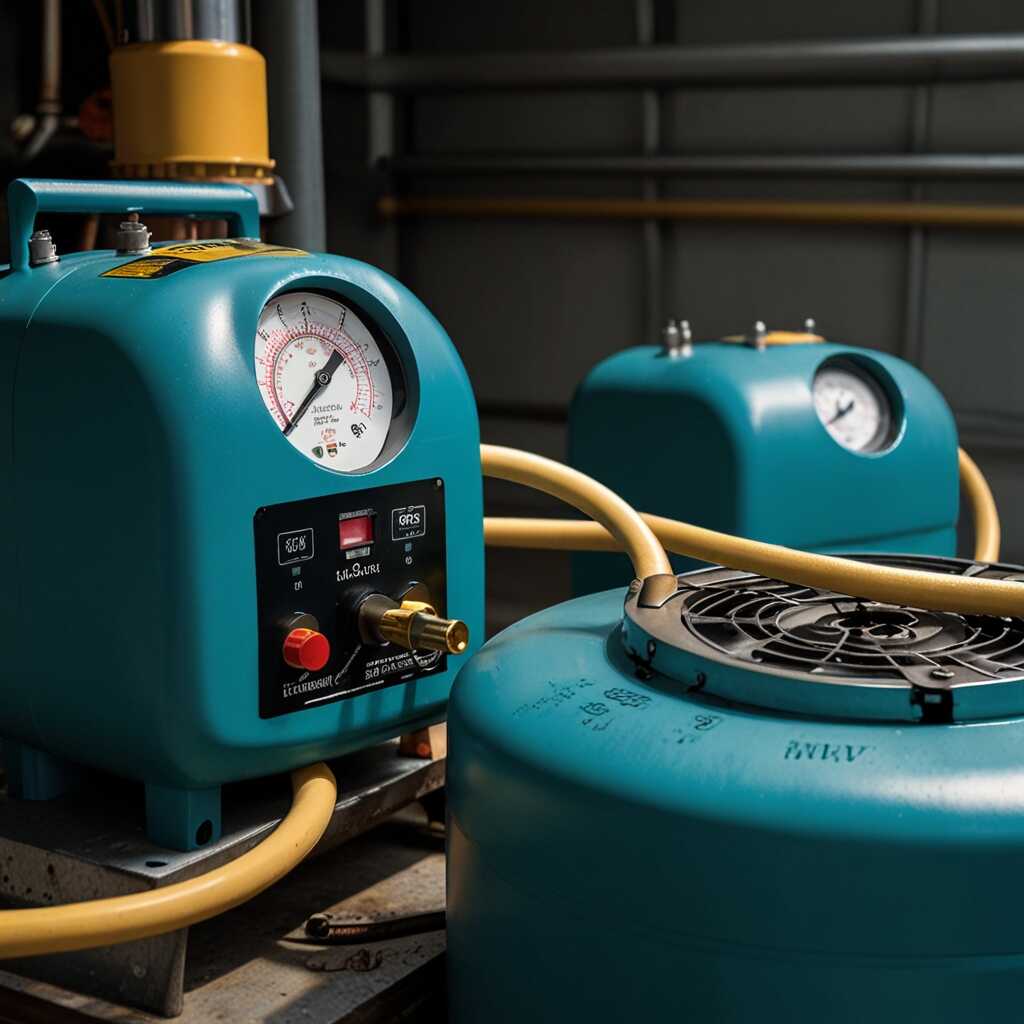
Effective use of integrated scale systems requires following established best practices for setup, operation, and maintenance. Always place the unit on a level, stable surface before beginning recovery operations. Zero or tare the scale with an empty cylinder to ensure accurate net weight measurements. Regular calibration according to manufacturer specifications maintains measurement accuracy over time. Most manufacturers recommend calibration every six months or after any significant impact or transportation. Document all refrigerant weights for regulatory compliance and customer records.
Maintenance and Calibration Guidelines
Proper maintenance extends the life and accuracy of integrated scale systems. Clean the scale platform regularly to prevent debris accumulation that could affect readings. Check load cell connections and wiring for damage or corrosion. Store units in dry, temperature-controlled environments when not in use. Many technicians use certified test weights to verify scale accuracy before important jobs. Following manufacturer-recommended service intervals for both the recovery unit and scale components ensures reliable operation and maintains warranty coverage.
Essential Features When Selecting Scale-Integrated Systems
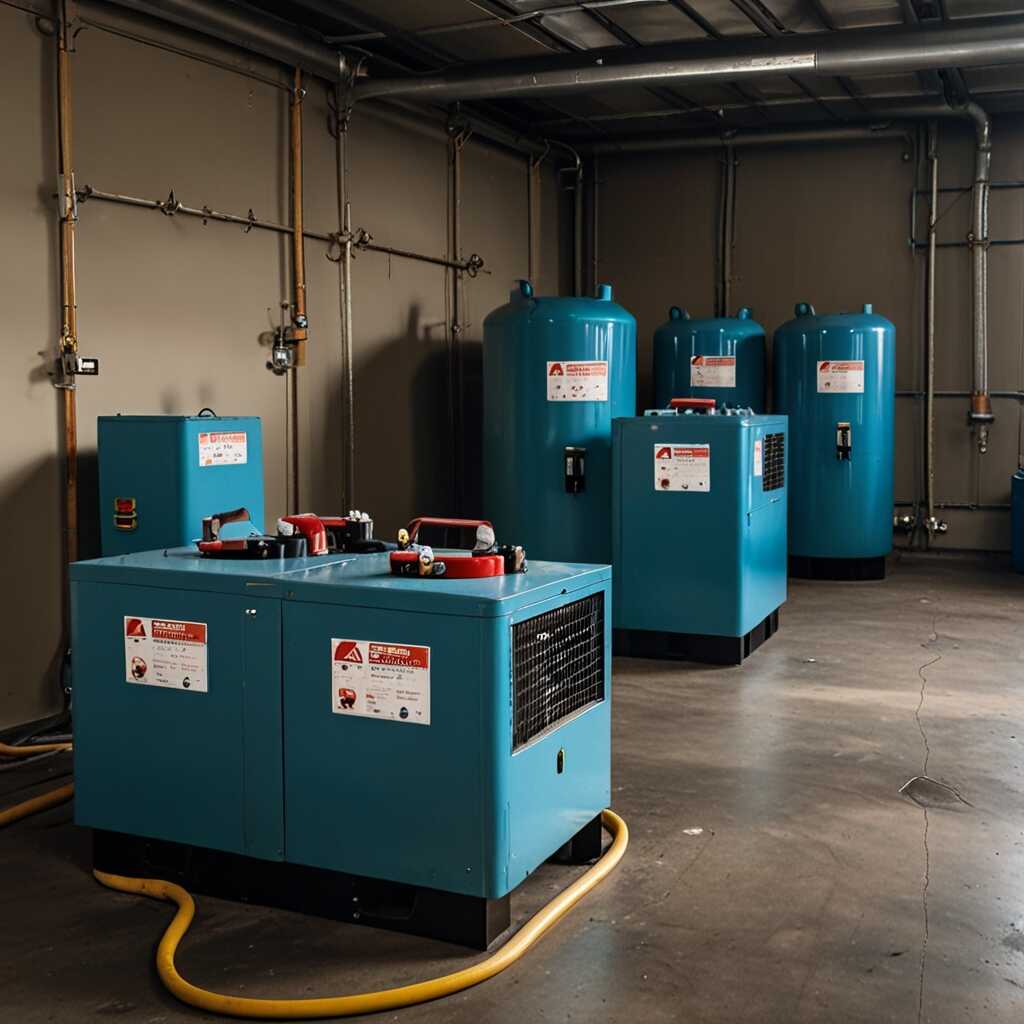
When choosing refrigerant recovery systems with integrated scales, prioritize features that match your typical applications. Scale capacity should accommodate your largest expected cylinder size, typically ranging from 50 to 250 pounds. Resolution of at least 0.1 pounds ensures sufficient accuracy for residential and light commercial work. Look for systems compatible with multiple refrigerant types, including both traditional and newer low-GWP options. Auto-stop functions prevent cylinder overfilling, while programmable charge amounts streamline repetitive tasks.
Advanced Features Worth Considering
Modern integrated scale systems offer advanced features that enhance productivity and safety. Wireless connectivity allows remote monitoring via smartphone apps, useful for lengthy recovery operations. Data logging capabilities help maintain compliance records and track refrigerant usage patterns. Some units feature automatic refrigerant identification to prevent cross-contamination. Temperature compensation adjusts for ambient conditions affecting scale accuracy. Multi-language displays accommodate diverse workforces, while backlit screens improve visibility in dark mechanical rooms. The detailed attributes comparison helps identify which features provide the most value for specific applications.
Who Should Invest in Integrated Scale Recovery Systems
Integrated scale recovery systems benefit various HVAC professionals, though the value proposition varies by application. Commercial HVAC contractors working with large systems see immediate returns through time savings and reduced refrigerant waste. Residential service companies benefit from increased accuracy and reduced callbacks. Refrigeration technicians working with critical cooling applications appreciate the precision for optimal system performance. Environmental compliance officers and facility managers value the documentation capabilities for regulatory reporting. New technicians find integrated scales helpful for building confidence in proper charging procedures.
Application-Specific Considerations
Different HVAC sectors have varying needs for integrated scale systems. Supermarket refrigeration technicians often require high-capacity scales for large refrigerant volumes. Industrial process cooling applications demand extreme accuracy for system optimization. Residential contractors may prioritize portability and ease of use over advanced features. Government facilities and hospitals often mandate integrated scales for compliance documentation. Understanding your primary applications helps select systems with appropriate features and capabilities while avoiding unnecessary complexity or expense.
Regulatory Compliance and Environmental Considerations
EPA regulations under Section 608 of the Clean Air Act require proper refrigerant handling and documentation. Integrated scales facilitate compliance by providing accurate measurement records for refrigerant recovery and charging activities. These systems help technicians maintain required recovery efficiency levels, which vary by equipment type and refrigerant classification. Documentation from integrated scales supports record-keeping requirements, including the amount of refrigerant recovered, dates of service, and equipment identification. Many integrated systems can print or export reports directly, simplifying compliance reporting.
Future Regulatory Trends
Evolving environmental regulations continue to emphasize accurate refrigerant management. The phase-down of high-GWP refrigerants increases the importance of precise measurement as newer alternatives often cost more and require exact charging. Some regions implement additional tracking requirements for refrigerant sales and usage, making integrated scale data increasingly valuable. Technicians using integrated scale systems position themselves advantageously for future regulatory changes. The comprehensive safety requirements guide explains current and anticipated regulatory standards affecting refrigerant recovery operations.