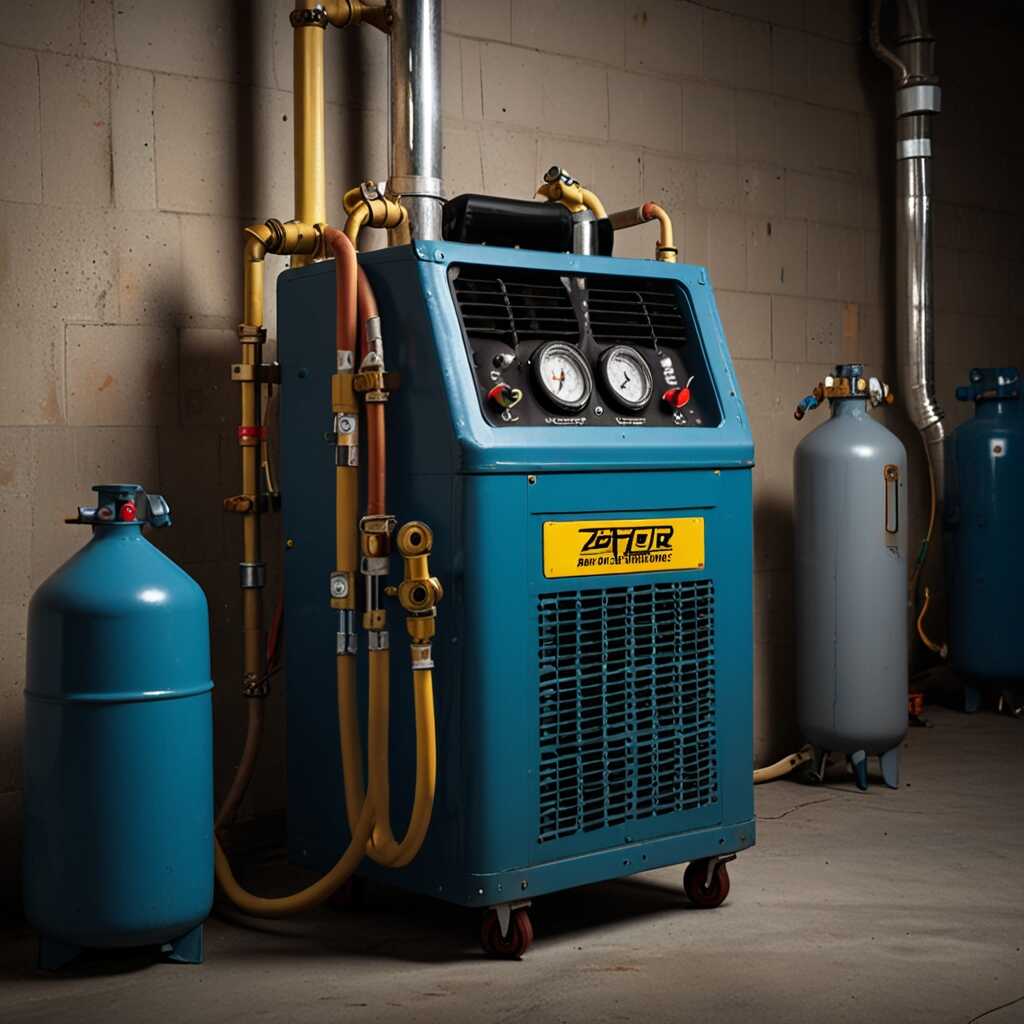
Refrigerant recovery machines are specialized HVAC equipment that extract refrigerants from cooling systems, requiring robust cooling features for continuous operation. The best models include multi-fan cooling systems, oversized heat exchangers, and thermal protection circuits that prevent overheating during extended use. Leading manufacturers like Robinair, Yellow Jacket, and AccuTools offer machines with advanced cooling that typically cost between $800-$3,500 depending on recovery rates and cooling capacity.
What Are Refrigerant Recovery Machines and Their Cooling Requirements
Refrigerant recovery machines are essential tools that safely remove refrigerants from HVAC systems during service, repair, or decommissioning. These machines work by creating vacuum pressure that draws refrigerant from the system into storage cylinders, requiring continuous cooling to maintain efficiency. The recovery process generates significant heat through compression, which means machines without adequate cooling can overheat within 30-60 minutes of operation. Professional-grade units designed for continuous use incorporate cooling systems that maintain internal temperatures below 140°F, ensuring reliable performance during all-day recovery jobs.
How Cooling Systems Enable Continuous Recovery Operations
Effective cooling in recovery machines involves three primary components working together to dissipate heat. Multi-fan systems provide forced air circulation across the compressor and condenser coils, typically moving 200-400 CFM of air depending on machine size. Heat exchangers with increased surface area allow rapid heat transfer, while thermal cut-off switches protect the equipment by shutting down operation if temperatures exceed safe thresholds. These cooling features enhance recovery machine performance, enabling continuous operation for 8-24 hours without interruption. Machines equipped with dual-fan cooling systems generally maintain 20-30°F lower operating temperatures compared to single-fan models.
Essential Cooling Features for High-Performance Recovery
When selecting refrigerant recovery machines for continuous use, specific cooling features determine operational reliability and efficiency. Look for machines with oversized condensers that provide 30-50% more cooling capacity than standard models, ensuring consistent performance even in high-ambient temperatures. Variable-speed fan controls adjust cooling based on load conditions, optimizing energy consumption while maintaining safe operating temperatures. Advanced models include oil cooling circuits that protect the compressor, extending service life to 5,000-8,000 hours compared to 2,000-3,000 hours for basic units.
Recovery Rate Performance with Proper Cooling Systems
Recovery rates directly correlate with cooling efficiency in refrigerant recovery machines. Machines with superior cooling maintain recovery rates of 4-8 pounds per minute for liquid refrigerant and 0.5-1.5 pounds per minute for vapor throughout extended operation. Without adequate cooling, recovery rates can drop by 40-60% after the first hour of use due to thermal throttling. Professional contractors typically choose machines rated for at least 1/2 HP with dual-fan cooling to ensure consistent recovery speeds during commercial jobs that may require 4-8 hours of continuous operation.
Cost Considerations for Continuous-Use Recovery Machines
Refrigerant recovery machines designed for continuous operation typically cost between $1,200-$3,500, with cooling capacity being a primary price factor. Entry-level units suitable for residential work with basic fan cooling range from $800-$1,200 but may require cool-down periods during extended use. Commercial-grade machines with advanced cooling systems cost $2,000-$3,500 but offer recovery rates exceeding 5 pounds per minute and can operate continuously for full workdays. The investment in superior cooling pays off through reduced downtime, with properly cooled machines completing jobs 30-40% faster than basic models.
Comparing Cooling Technologies Across Price Points
Budget recovery machines under $1,000 typically feature single-fan cooling suitable for intermittent use on residential systems. Mid-range units ($1,500-$2,500) incorporate dual-fan systems and larger condensers that support 4-6 hours of continuous operation. Premium machines above $2,500 include features like oil cooling loops, variable-speed fans, and oversized heat exchangers that enable true all-day operation. When analyzing recovery machine prices and features, consider that spending an additional $500-$1,000 on enhanced cooling often doubles operational runtime and improves recovery speeds by 25-35%.
Brand-Specific Cooling Solutions and Technologies
Leading manufacturers implement different cooling strategies to achieve continuous operation capabilities. Robinair models feature CrossFlow technology that optimizes air movement across critical components, maintaining consistent temperatures during extended recovery sessions. Yellow Jacket incorporates oversized condensers with 40% more surface area than competitors, allowing their machines to operate in ambient temperatures up to 120°F. AccuTools uses a dual-circuit cooling design that separately manages compressor and condenser temperatures, preventing hot spots that cause premature wear.
Performance Metrics of Top Recovery Machine Brands
Real-world testing reveals significant performance differences between brands when operating continuously. AccuTools BluVac Pro models maintain 95% of rated recovery speed after 4 hours of operation, while basic units may drop to 60% efficiency. Robinair’s RG6000 series, equipped with enhanced cooling, recovers an average of 300 pounds of refrigerant per hour in commercial applications. Yellow Jacket SuperEvac series machines demonstrate consistent performance in high-temperature environments, making them popular for rooftop unit servicing where ambient conditions often exceed 100°F.
Maintenance Requirements for Cooling System Longevity
Proper maintenance of cooling components ensures refrigerant recovery machines deliver reliable continuous operation throughout their service life. Clean condenser coils monthly using compressed air or soft brushes to remove dust accumulation that reduces cooling efficiency by up to 30%. Replace fan motors showing signs of wear, as reduced airflow dramatically impacts cooling performance and can lead to compressor failure. Check and clean air intake filters weekly during heavy use periods, as clogged filters restrict airflow and cause operating temperatures to rise 15-25°F above normal.
Troubleshooting Common Cooling System Problems
When recovery machines overheat during operation, systematic troubleshooting identifies cooling system issues quickly. First, verify all fans operate at full speed by listening for consistent motor sounds and feeling strong airflow at exhaust ports. Inspect condenser fins for damage or blockage, as bent fins reduce cooling capacity by 20-40%. Common cooling system questions and solutions often involve simple fixes like clearing debris or replacing worn fan belts. Monitor discharge line temperatures using an infrared thermometer; readings above 180°F indicate cooling system problems requiring immediate attention.
Selection Criteria for Continuous-Use Applications
Choosing the right recovery machine for continuous operation requires evaluating specific cooling-related specifications. Minimum requirements include dual-fan cooling systems, thermal overload protection, and condensers rated for the intended refrigerant types. Commercial applications demand machines with oil cooling circuits and recovery rates exceeding 4 pounds per minute to maintain productivity. Consider ambient temperature ratings carefully; machines rated for 110°F operation provide adequate margin for most applications, while specialized units rated to 130°F suit extreme environments.
Matching Machine Capabilities to Job Requirements
Different HVAC applications require varying levels of continuous operation capability from recovery machines. Residential service technicians working on single systems can utilize machines with 2-4 hour continuous ratings and basic fan cooling. Commercial contractors servicing multiple rooftop units need equipment rated for 8+ hours with advanced cooling features. Industrial applications involving large refrigerant charges require the highest-capacity machines with oil cooling and oversized heat exchangers to maintain performance during extended recovery sessions that may last 12-16 hours.
Regulatory Compliance and Cooling System Standards
EPA regulations require refrigerant recovery machines to maintain specific recovery levels, which depends heavily on consistent cooling performance. Machines must achieve 90% recovery for systems with under 200 pounds of refrigerant and 95% for larger systems, standards only achievable with proper cooling during extended operation. Current safety requirements for recovery equipment mandate thermal protection devices that prevent operation when cooling systems fail. AHRI certification testing includes continuous operation assessments, ensuring certified machines maintain rated performance for minimum 4-hour periods.
Future Cooling Technology Developments
Emerging cooling technologies promise enhanced continuous operation capabilities for next-generation recovery machines. Variable refrigerant flow (VRF) cooling systems adapt capacity based on load, improving efficiency by 20-30% compared to fixed-speed fans. Microchannel heat exchangers offer 40% better heat transfer in compact designs, enabling smaller machines to match the cooling performance of larger units. Smart temperature management systems using IoT sensors optimize fan speeds and predict maintenance needs, potentially extending continuous operation times to 24-48 hours for specialized applications.
Common Mistakes When Selecting Recovery Machines
HVAC professionals often underestimate cooling requirements when purchasing refrigerant recovery machines, leading to equipment that cannot handle continuous operation demands. Selecting machines based solely on initial cost rather than cooling capacity results in frequent overheating and reduced productivity. Another critical error involves ignoring ambient temperature ratings; machines rated for 90°F operation will struggle in 110°F rooftop environments. Failing to consider refrigerant compatibility also impacts cooling needs, as some refrigerants require 30-40% more cooling capacity than others.
Avoiding Cooling-Related Performance Issues
Prevent cooling-related failures by matching machine specifications to actual working conditions rather than ideal scenarios. Calculate total daily refrigerant recovery needs and select machines with 25-30% excess capacity to account for efficiency losses in high temperatures. Verify fan motor quality by checking for sealed bearings and thermal protection, features that indicate professional-grade construction. Request demonstration units for testing in your typical work environment, as real-world performance often differs from laboratory specifications by 15-20%.
Return on Investment for Enhanced Cooling Systems
Investing in refrigerant recovery machines with superior cooling delivers measurable financial benefits through increased productivity and reduced downtime. Machines with advanced cooling complete jobs 30-40% faster by maintaining consistent recovery rates, allowing technicians to service additional customers daily. Consider recovery efficiency improvements when evaluating equipment options, as enhanced cooling can generate $10,000-$15,000 in additional annual revenue for busy contractors. Premium cooling systems also extend equipment life by 2-3 years, reducing replacement costs and improving long-term profitability.
Calculating Productivity Gains from Continuous Operation
Continuous operation capability transforms job site efficiency by eliminating cool-down periods that waste 20-30 minutes per hour with basic machines. A technician using a properly cooled machine completes typical commercial recovery jobs in 2-3 hours versus 4-5 hours with inadequate cooling. Over 250 working days, this efficiency gain equals 500-750 additional billable hours annually. Factor in reduced wear on equipment and lower maintenance costs, and the payback period for investing in superior cooling typically ranges from 6-12 months for active service companies.