Refrigerant recovery machines with replaceable filter cores are specialized HVAC equipment that reduces maintenance costs by allowing technicians to swap out contaminated filters without disassembling the entire unit. These machines typically cut maintenance expenses by 25-40% compared to traditional recovery equipment with permanent filters. The replaceable filter core technology works by capturing debris and moisture during refrigerant recovery while enabling quick five-minute filter changes instead of hour-long equipment repairs.
What Are Refrigerant Recovery Machines with Replaceable Filter Cores
Refrigerant recovery machines with replaceable filter cores are advanced HVAC tools designed for efficient refrigerant extraction and purification. These machines feature modular filter systems that technicians can replace in minutes rather than requiring complete unit disassembly. The core technology consists of removable filter cartridges that trap contaminants, moisture, and particulates during the recovery process. This design differs significantly from traditional recovery machines that use permanent, integrated filtration systems requiring extensive maintenance procedures.
The machines work by drawing refrigerant through replaceable filter cores that contain multiple filtration media layers. These layers typically include activated carbon for chemical contaminants, silica gel for moisture removal, and mechanical filters for particulate matter. When filters become saturated or contaminated, technicians simply unlock the filter housing, remove the spent core, and install a fresh replacement. This process takes approximately five to ten minutes compared to the two to four hours required for traditional filter cleaning or replacement procedures.
How Replaceable Filter Core Technology Functions
The filtration process works by channeling refrigerant through multiple stages within the replaceable core. First, mechanical filters remove large particulates and debris. Next, activated carbon layers absorb chemical contaminants and acidic compounds that can damage recovery equipment. Finally, desiccant materials capture moisture that could freeze in refrigeration lines or cause corrosion. This multi-stage approach ensures thorough refrigerant purification while maintaining consistent flow rates throughout the recovery cycle.
Modern replaceable filter cores typically handle 500 to 1,000 pounds of refrigerant before requiring replacement, depending on contamination levels. The cores feature color-coded indicators that change when filtration capacity approaches limits, alerting technicians to schedule replacements. This monitoring system prevents filter breakthrough that could contaminate recovered refrigerant or damage downstream equipment components.
Overview of Refrigerant Recovery Equipment Benefits
Refrigerant recovery equipment offers essential advantages for HVAC systems, particularly when equipped with replaceable filter core technology. These machines enhance refrigerant recovery efficiency while dramatically reducing maintenance costs through simplified filter replacement procedures. Benefits include faster recovery cycles, improved refrigerant purity, reduced equipment downtime, and enhanced compliance with EPA regulations for refrigerant handling and disposal.
The primary advantages center on operational efficiency and cost reduction. Traditional recovery machines require technicians to disassemble units for filter maintenance, often involving specialized tools and extensive cleaning procedures. Replaceable filter core systems eliminate these complications by allowing quick cartridge swaps using standard hand tools. This efficiency translates to reduced labor costs, shorter service calls, and improved technician productivity across multiple job sites.
Comparing Features of Refrigerant Recovery Machines
When evaluating refrigerant recovery machines, key differentiators include recovery speed, filtration effectiveness, and maintenance requirements. Machines with replaceable filter cores typically achieve recovery rates of 2-4 pounds per minute compared to 1-2 pounds per minute for traditional units. This improved performance stems from consistent filtration efficiency that doesn’t degrade between maintenance cycles. Additionally, these machines maintain higher suction pressures because fresh filters don’t restrict airflow like partially clogged permanent filters.
Feature comparison reveals that replaceable filter core machines often include advanced monitoring systems, automatic shut-off capabilities, and digital displays showing filter condition. Traditional recovery equipment may offer lower initial purchase prices but typically costs more over time due to increased maintenance requirements and longer service intervals. High-quality recovery machines with replaceable cores usually include features such as automatic purge cycles, pressure monitoring, and easy-to-read diagnostic displays that enhance overall performance and user experience.
Advantages of Replaceable Filter Cores in Recovery Machines
Refrigerant recovery machines equipped with replaceable filter cores provide significant efficiency improvements through several key mechanisms. The primary advantage involves maintaining consistent filtration performance throughout the filter’s service life. Traditional permanent filters gradually lose effectiveness as contamination accumulates, reducing recovery speed and compromising refrigerant quality. Replaceable cores maintain peak filtration efficiency until replacement, ensuring optimal machine performance and faster recovery cycles.
These machines ensure reliable filtration by allowing technicians to install fresh filter cores before contamination affects performance. This proactive maintenance approach prevents the gradual efficiency decline common with permanent filter systems. Refrigerant recovery machines with replaceable filter cores typically maintain 90-95% of their rated recovery speed throughout the filter’s service life, compared to 60-70% efficiency for traditional systems near the end of their maintenance cycles.
Performance Benefits of Replaceable Filter Core Technology
The performance benefits of using replaceable filter cores in refrigerant recovery machines extend beyond simple maintenance convenience. These systems maintain superior refrigerant purity by ensuring fresh filtration media contacts each batch of recovered refrigerant. Contaminated permanent filters can release previously captured contaminants back into the refrigerant stream, compromising quality and potentially damaging customer equipment.
Filter core technology provides enhanced reliability during demanding recovery operations by preventing filter bypass situations. When permanent filters become severely clogged, some recovery machines automatically bypass filtration to maintain flow rates, resulting in contaminated refrigerant. Replaceable core systems maintain consistent filtration because fresh cores can handle high contamination loads without compromising flow rates. This reliability ensures that every recovery operation produces high-quality refrigerant suitable for reuse or proper disposal.
Specific Cost Savings Breakdown from Replaceable Filter Cores
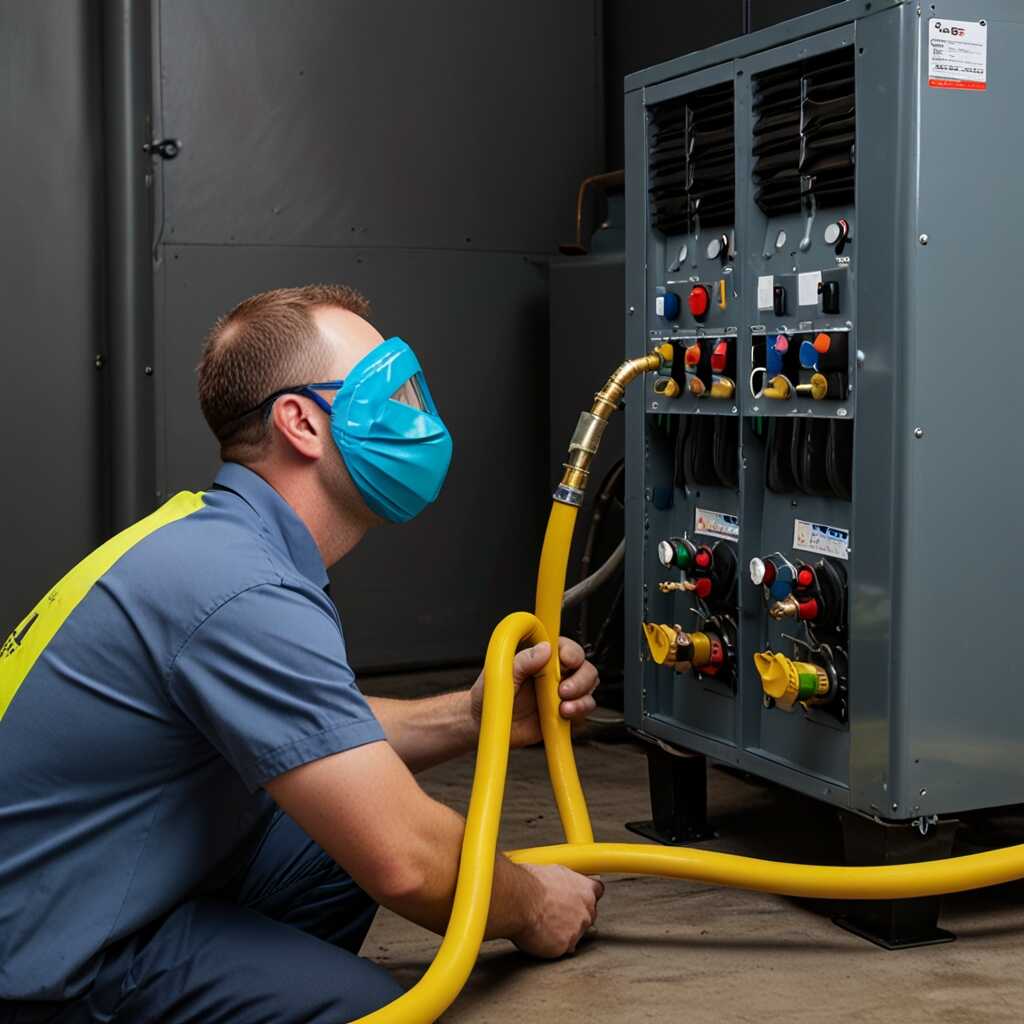
The cost savings from replaceable filter core technology stem from multiple factors that compound over time. Labor cost reduction represents the most significant saving, as filter replacement requires 5-10 minutes compared to 2-4 hours for traditional filter maintenance. At typical HVAC labor rates of $75-125 per hour, this time savings translates to $150-500 per maintenance cycle. For businesses performing regular refrigerant recovery, these savings accumulate quickly across multiple machines and service calls.
Equipment downtime reduction provides additional cost benefits by keeping recovery machines operational during peak service periods. Traditional filter maintenance often requires scheduling dedicated time for equipment servicing, potentially delaying customer service calls. Replaceable filter cores enable technicians to perform maintenance between jobs or during brief breaks, maintaining continuous equipment availability. This improved uptime can increase daily recovery capacity by 15-25%, enhancing overall business productivity.
Maintenance Cost Comparison Analysis
Direct maintenance cost analysis reveals substantial differences between replaceable and permanent filter systems. Permanent filter cleaning requires specialized solvents, cleaning equipment, and disposal procedures that cost $25-50 per maintenance cycle. Replaceable filter cores typically cost $15-30 each but eliminate cleaning supplies and disposal fees. While filter cores represent a recurring expense, the total cost including labor remains 40-60% lower than traditional maintenance approaches.
The frequency advantage further amplifies cost savings. Traditional filters require maintenance every 200-300 pounds of refrigerant recovery, while replaceable cores handle 500-1,000 pounds before replacement. This extended service life reduces maintenance frequency by 50-75%, providing additional labor savings and reducing the risk of contamination from overused filters. Detailed price analysis reveals comprehensive cost benefits that justify the investment in replaceable filter core technology.
Impact of Regular Filter Core Replacement on Costs
Regular filter core replacement creates a predictable maintenance schedule that helps businesses control costs and maintain consistent equipment performance. Unlike reactive maintenance required with permanent filters, scheduled core replacement allows technicians to plan maintenance activities and bulk purchase replacement cores at volume discounts. This proactive approach typically reduces overall maintenance costs by 25-35% compared to emergency maintenance situations.
The financial benefits extend beyond direct maintenance savings to include improved refrigerant quality and reduced equipment wear. Fresh filter cores ensure optimal contaminant removal, preventing corrosive substances from circulating through recovery machines and customer systems. This protection extends equipment life and reduces the frequency of major repairs that can cost hundreds or thousands of dollars. Preventive maintenance through regular core replacement typically costs less than 10% of major equipment overhaul expenses.
Financial Benefits of Regular Filter Core Replacement
Regular filter core replacement ensures optimal performance of refrigerant recovery machines while providing measurable financial returns. Consistent filtration maintains recovery speed and efficiency, allowing technicians to complete more service calls per day. This productivity improvement can increase daily revenue by $200-500 for busy HVAC service companies, significantly outweighing the cost of replacement filter cores.
Energy efficiency represents another financial benefit of regular core replacement. Filter cores enhance system durability while reducing power consumption by maintaining optimal airflow through the recovery system. Clogged permanent filters force recovery machines to work harder, increasing electricity consumption and generating excess heat that can damage internal components. Fresh filter cores maintain efficient operation, reducing energy costs and extending equipment life through reduced thermal stress.
Key Figures Related to Cost-Saving Techniques in Refrigerant Management
- Refrigerant recovery can reduce operational costs by up to 30%.
- Maintenance on recovery machines can cost around $300 per year.
- Replacing filter cores can save an average of $100 annually in labor costs.
- Machines with filter cores provide recovery speeds of up to 2 pounds per minute.
- Up to 50% of traditional maintenance expenses occur from non-replaceable filters.
- Recovery units with replaceable cores require service every 500 recoveries.
- Investing in upgraded technology can yield savings of $500 over three years.
Environmental Compliance through Effective Refrigerant Recovery
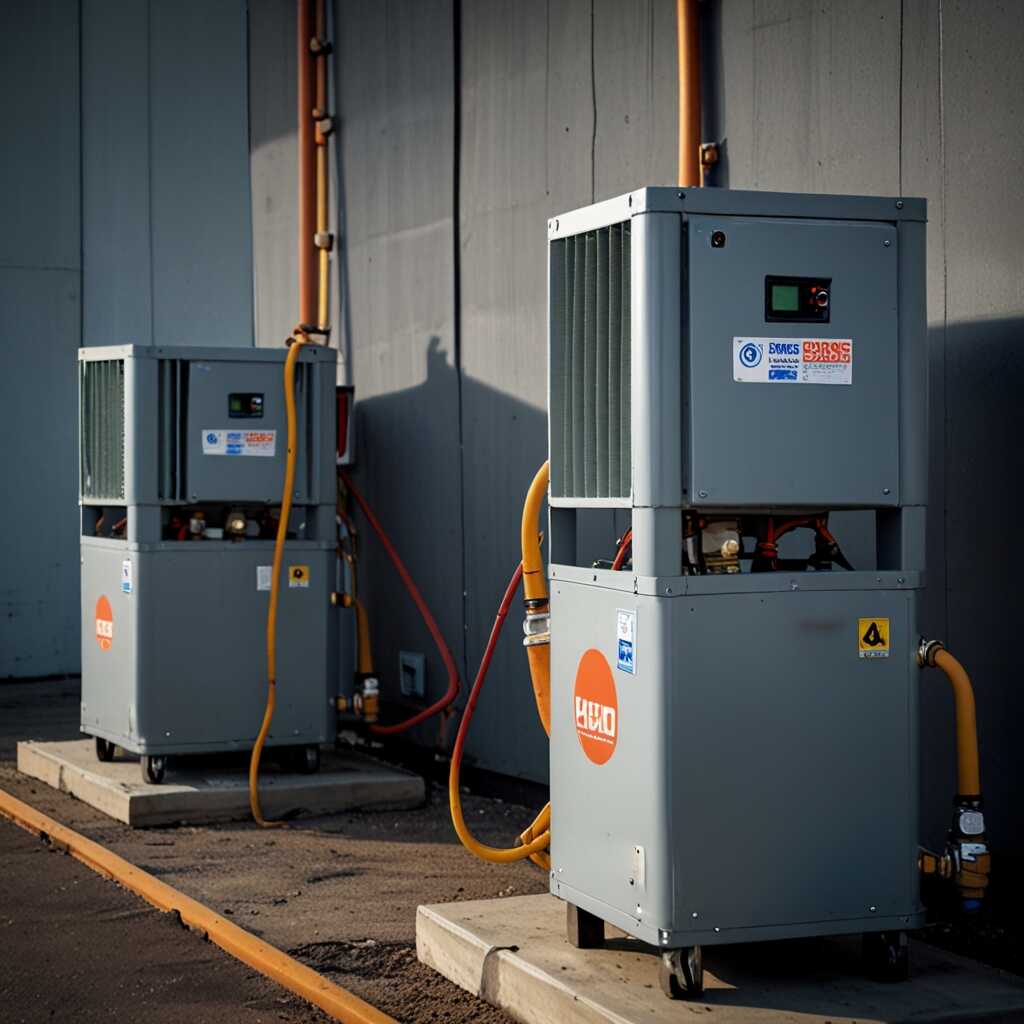
Modern refrigerant recovery machines with replaceable filter cores help HVAC professionals exceed environmental compliance requirements while reducing regulatory risks. EPA regulations under Section 608 of the Clean Air Act mandate proper refrigerant recovery and disposal, with violations carrying fines of $25,000-50,000 per incident. Replaceable filter core technology enhances compliance by ensuring consistent refrigerant purity and preventing cross-contamination between different refrigerant types.
The superior filtration provided by fresh filter cores removes contaminants that could make recovered refrigerant unsuitable for reuse or proper disposal. This capability helps businesses meet EPA requirements for refrigerant quality while maximizing the value of recovered materials. High-quality recovered refrigerant can be resold or reused, generating revenue that offsets recovery costs and provides additional financial incentives for environmental compliance.
Understanding Key Regulations for Refrigerant Recovery
Understanding the key regulations for refrigerant recovery is essential for all HVAC professionals working with systems containing more than 50 pounds of refrigerant. The Clean Air Act requires EPA certification for technicians, proper equipment certification, and documentation of all recovery activities. Replaceable filter core machines often include enhanced monitoring and recording capabilities that simplify compliance documentation and provide audit trails for regulatory inspections.
Reliable refrigerant recovery machines are designed to minimize leaks and ensure complete recovery, which directly supports compliance with EPA requirements for 90-95% recovery efficiency. The consistent performance provided by replaceable filter cores helps maintain these efficiency levels throughout the equipment’s service life. Additional regulations from OSHA and DOT govern safety procedures and transportation of recovered refrigerants, making equipment reliability crucial for comprehensive compliance.
Challenges with Outdated Recovery Equipment
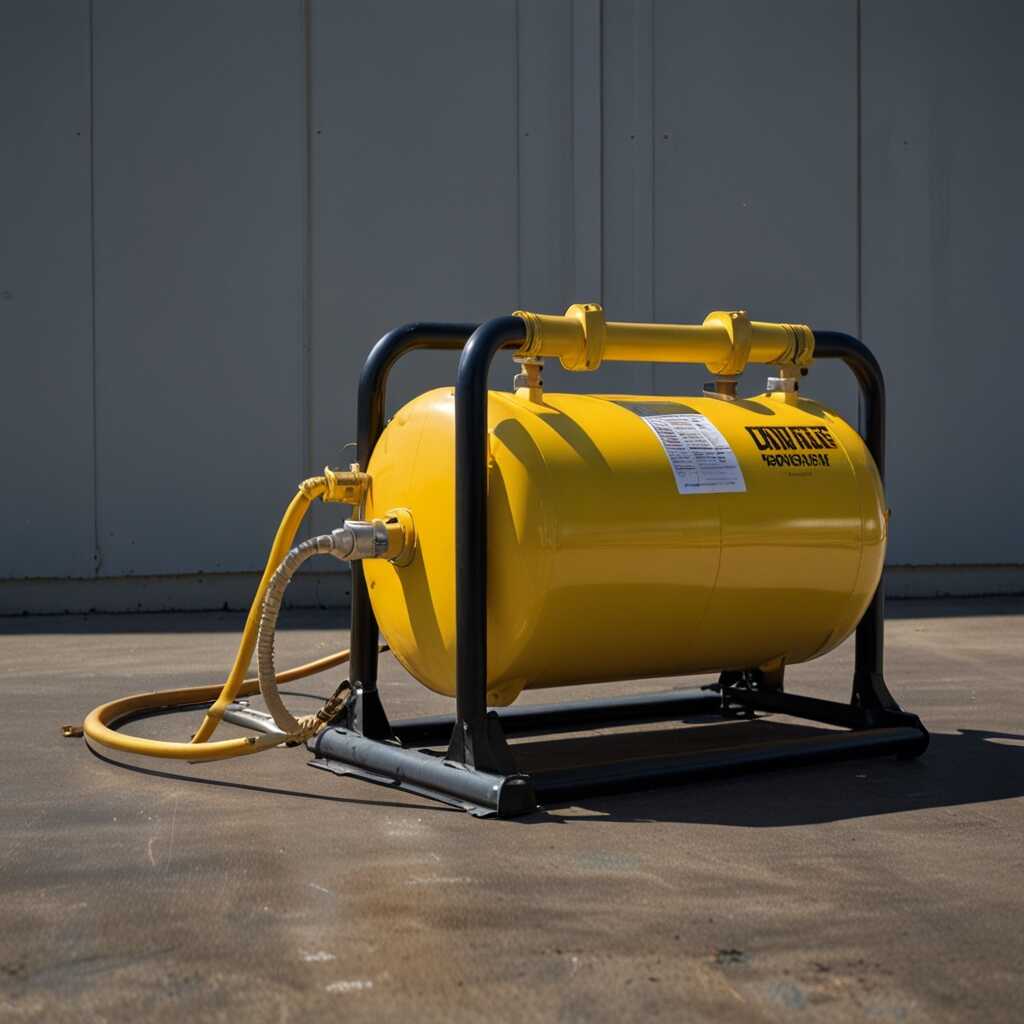
Traditional refrigerant recovery machines face several performance limitations that increase operating costs and reduce efficiency. The primary challenge involves filter maintenance complexity, which requires specialized training, tools, and time-consuming disassembly procedures. Permanent filter systems also suffer from gradual performance degradation as contaminants accumulate, leading to slower recovery speeds and potential equipment damage from inadequate filtration.
Outdated equipment typically lacks modern monitoring systems that alert technicians to filter condition and maintenance needs. This limitation often results in reactive maintenance when equipment fails rather than proactive service that prevents problems. Traditional machines may also have limited compatibility with newer refrigerant types and environmental regulations, potentially requiring expensive upgrades or complete replacement to maintain compliance and effectiveness.
Benefits of Modern Refrigerant Recovery Solutions
Modern refrigerant recovery machines with replaceable filter cores address the limitations of traditional equipment through improved design and advanced technology. These systems provide consistent performance by maintaining fresh filtration throughout their service life, eliminating the gradual degradation common with permanent filters. The modular design allows for quick maintenance without specialized training or equipment, reducing service complexity and costs.
Advanced monitoring systems in modern machines track filter condition, recovery rates, and maintenance schedules, enabling proactive maintenance planning. Digital displays provide real-time feedback on system performance, helping technicians optimize recovery procedures and identify potential issues before they cause equipment failure. This technology integration improves overall efficiency while reducing the risk of costly repairs or compliance violations.
Advantages of Utilizing Enhanced Recovery Equipment
- Using these machines enhances the speed of refrigerant recovery operations by maintaining consistent filtration performance.
- Refrigerant recovery machines simplify maintenance through easily replaceable components that require minimal training.
- These units reduce downtime by eliminating lengthy filter cleaning procedures and complex disassembly requirements.
- Lower maintenance costs allow professionals to allocate funds to expanding services and upgrading other equipment.
- They promote compliance with environmental regulations while reducing potential fines and regulatory risks.
- Technicians can spend more time on revenue-generating activities instead of lengthy maintenance procedures.
- Increased recovery efficiency helps businesses achieve sustainability goals while improving profitability and customer satisfaction.
Factors to Consider When Selecting Recovery Machines
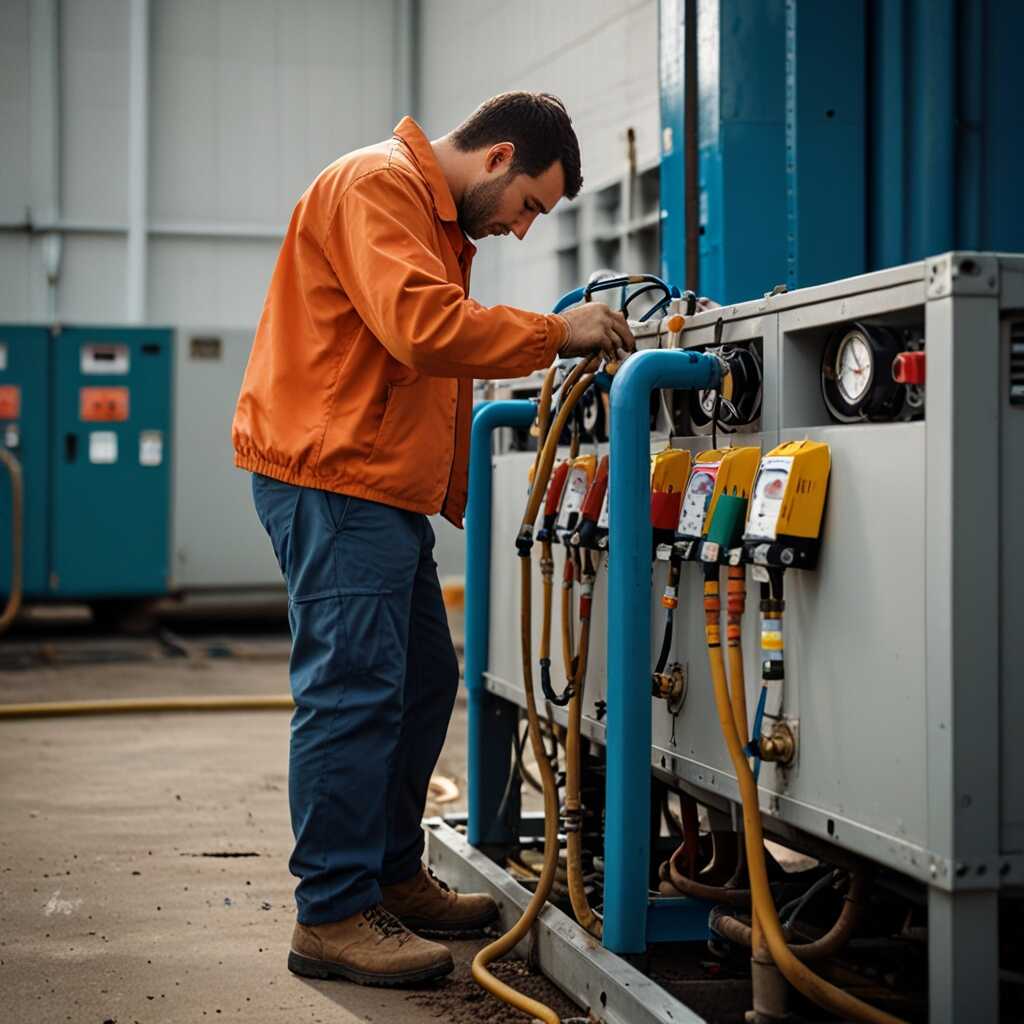
When choosing refrigerant recovery machines, essential factors include recovery speed, filter maintenance requirements, and overall reliability. Machines with replaceable filter cores typically offer recovery rates of 2-4 pounds per minute compared to 1-2 pounds per minute for traditional systems. The filter replacement process should take less than 10 minutes and require only basic hand tools. Consider machines that include filter condition monitoring to prevent contamination and maintain optimal performance throughout the service cycle.
Additional selection criteria include refrigerant compatibility, portability, and compliance with current EPA regulations. Modern machines should handle multiple refrigerant types including R-410A, R-134a, and newer low-GWP alternatives. Professional comparison tables provide detailed specifications for evaluating different models and manufacturers. Weight and size considerations affect portability for field service, while power requirements determine compatibility with available electrical sources at job sites.
Understanding Recovery Capabilities and Maintenance Features
Recovery capabilities vary significantly between machines with different filter technologies and design approaches. Models with replaceable filter cores typically maintain 90-95% of rated recovery speed throughout their service life, while traditional machines may experience 20-40% performance degradation between maintenance cycles. Filter capacity ranges from 500-1,000 pounds of refrigerant recovery per core, depending on contamination levels and refrigerant types.
Maintenance features should prioritize simplicity and accessibility for field technicians. Look for machines with tool-free filter access, clear filter condition indicators, and comprehensive maintenance documentation. Quality systems include automatic purge cycles that prevent contamination between different refrigerant types. This combination ensures optimal efficiency in refrigerant recovery processes while minimizing maintenance complexity and costs.
When to Replace Filter Cores for Optimal Performance
Filter core replacement timing depends on several factors including refrigerant contamination levels, recovery volume, and manufacturer recommendations. Most filter cores require replacement after recovering 500-1,000 pounds of refrigerant, though heavily contaminated systems may necessitate more frequent changes. Visual indicators on many cores change color when filtration capacity nears limits, providing clear guidance for replacement timing.
Proactive replacement schedules prevent filter breakthrough that could contaminate recovered refrigerant or damage recovery equipment. Establish replacement intervals based on pounds of refrigerant recovered rather than calendar time, as usage patterns vary significantly between service companies. Document filter replacement dates and recovery volumes to identify patterns and optimize replacement schedules for different operating conditions and refrigerant types.
Signs That Indicate Filter Core Replacement Needs
Several indicators signal when filter cores require replacement to maintain optimal recovery performance. Decreased recovery speed represents the most common early warning sign, typically occurring when cores reach 70-80% of their filtration capacity. Pressure differential increases across the filter housing also indicate approaching replacement needs, as contaminated cores restrict airflow and reduce system efficiency.
Visual inspection reveals important information about filter condition and replacement timing. Color changes in filter media, excessive moisture accumulation, or visible contamination suggest immediate replacement needs. Unusual odors from recovered refrigerant may indicate filter breakthrough, requiring immediate core replacement and potentially reprocessing of recently recovered refrigerant to ensure quality standards.
Essential Maintenance Tips for Recovery Machines
Maintaining refrigerant recovery machines with replaceable filter cores involves straightforward procedures that most technicians can perform without specialized training. Regular exterior cleaning prevents debris accumulation that could interfere with air circulation and cooling. Inspect hose connections for leaks or damage that could compromise recovery efficiency or allow contaminants to enter the system. Monthly visual inspections help identify potential issues before they cause equipment failure or contamination.
Filter core maintenance represents the most critical aspect of system care, requiring attention to replacement timing and proper installation procedures. Monitor filter condition indicators regularly and maintain a supply of replacement cores to prevent unexpected downtime. Follow manufacturer torque specifications for filter housing connections to prevent leaks while avoiding over-tightening that could damage sealing surfaces.
Detailed Care for Filter Cores
Filter cores require careful handling during replacement to prevent contamination and ensure proper installation. Store replacement cores in clean, dry environments protected from moisture and contaminants. Inspect new cores before installation to verify proper condition and compatibility with the specific recovery machine model. Replacing these filter cores enhances machine reliability while maintaining consistent recovery performance throughout the service cycle.
Installation procedures typically involve shutting down the recovery machine, relieving system pressure, and accessing the filter housing using standard hand tools. Remove the spent core carefully to prevent contamination spillage, and inspect the housing for damage or excessive contamination. Install the new core according to manufacturer specifications, ensuring proper orientation and sealing. Test system operation after installation to verify proper flow rates and pressure readings.
Brands and Groups Supporting Cost-Efficient Refrigerant Solutions
- Recovery Pro: Specializes in technical support for recovery machines and provides comprehensive training programs.
- CoolTech Equipment: Known for high reliability and advanced filter core technology, though units may require higher initial investment.
- EnviroSafe Tools: Offers affordable solutions with decent performance suitable for smaller service companies.
- HVAC Nation: Focuses on training and allows professionals to share best practices for equipment maintenance and operation.
- ChillGuard Systems: Combines advanced technology with user-friendly designs that simplify field service operations.
- Local HVAC contractors often benefit from fleet maintenance agreements that reduce per-unit service costs.
- Facility managers leverage efficient recovery methods to improve budget management while maintaining environmental compliance.
Alternatives to Replaceable Filter Core Systems
Traditional recovery machines with permanent filtration systems represent the primary alternative to replaceable filter core technology. These systems use integrated filters that require cleaning or rebuilding during maintenance cycles. While permanent filters may offer lower ongoing material costs, they typically require 2-4 hours of maintenance labor compared to 5-10 minutes for core replacement. This time difference often makes permanent filter systems more expensive despite lower parts costs.
Some recovery machines use hybrid filtration approaches that combine permanent and replaceable elements. These systems may include permanent pre-filters for large contaminants and replaceable final filters for fine filtration. Hybrid designs attempt to balance maintenance convenience with ongoing costs, though they add complexity compared to pure replaceable core systems. Equipment attribute comparisons help professionals evaluate different filtration approaches based on their specific needs and operating conditions.
Comparing Filtration System Types
Performance comparison between filtration system types reveals distinct advantages and limitations for each approach. Replaceable filter cores maintain consistent performance throughout their service life but require ongoing core purchases. Permanent filters offer lower material costs but experience gradual performance degradation between maintenance cycles. Hybrid systems provide moderate performance with balanced costs but may require more complex maintenance procedures.
Selection criteria should consider total cost of ownership including labor, materials, and equipment downtime. High-volume service companies typically benefit most from replaceable core systems due to labor savings and consistent performance. Smaller operations with limited recovery volume might find permanent filter systems adequate despite higher maintenance requirements. Consider refrigerant types and contamination levels when evaluating filtration options, as heavily contaminated systems benefit more from replaceable core technology.
Innovative Trends Shaping Refrigerant Recovery Technology
Refrigerant recovery technology continues evolving with innovations that enhance efficiency, reliability, and environmental compliance. Smart monitoring systems now track filter condition, recovery performance, and maintenance schedules through wireless connectivity and mobile applications. These systems provide predictive maintenance alerts and performance analytics that help optimize equipment utilization and reduce unexpected downtime.
Advanced filter core designs incorporate multiple filtration media layers and enhanced contamination indicators that provide more precise replacement timing. Some manufacturers now offer cores with integrated RFID tags that automatically log replacement dates and service intervals. Professional testing methodology reveals that these innovations can improve recovery efficiency by 10-20% while reducing maintenance complexity for field technicians.
Key Features of Advanced Refrigerant Recovery Machines
Advanced refrigerant recovery machines incorporate features that significantly enhance performance and user experience beyond traditional systems. Digital monitoring systems track recovery rates in real-time and provide historical performance data for maintenance planning. Automatic refrigerant identification systems prevent cross-contamination by detecting refrigerant types and adjusting recovery parameters accordingly.
Modern machines also include enhanced safety features such as automatic pressure relief, leak detection systems, and emergency shutdown capabilities. Variable speed compressors optimize recovery efficiency for different refrigerant types and system conditions. Some units feature integrated refrigerant analysis that identifies contamination levels and determines whether recovered refrigerant meets reuse standards. These advanced features not only improve recovery efficiency but also enhance safety and regulatory compliance for HVAC professionals.