Automotive refrigerant recovery machines are specialized devices that extract, clean, and store refrigerants from vehicle air conditioning systems. These machines work by connecting to the vehicle’s A/C system, using vacuum pumps to pull refrigerants into storage tanks while filtering out contaminants. Common examples include machines handling R-134a, R-1234yf, and HFO refrigerants, typically costing between
What Are Automotive Refrigerant Recovery Systems
Refrigerant recovery systems are mechanical devices designed to safely remove refrigerants from automotive air conditioning systems without releasing them into the atmosphere. These systems typically consist of a compressor, condenser, storage tank, and filtration components that work together to capture specialized refrigerants like R-134a and R-1234yf. The primary function involves creating a vacuum to pull refrigerants from the vehicle’s A/C system, then processing and storing them for reuse or proper disposal.
The benefits of using proper recovery equipment include environmental protection, regulatory compliance, and cost savings through refrigerant reuse. Recovery machines typically process between 95-98% of available refrigerants when operated correctly. Testing and experience in refrigerant recovery demonstrates that professional-grade equipment can handle recovery cycles in 15-30 minutes depending on system size. This efficiency level meets EPA requirements while reducing service time.
How Refrigerant Recovery Machines Work with Different Vehicle Types
Recovery machines adapt to various vehicle systems through adjustable pressure settings and compatible fittings. Small passenger cars typically require 10-20 minutes for complete refrigerant extraction, while larger vehicles like trucks or SUVs may need 25-40 minutes. Automotive refrigerant recovery machines are designed with multiple connection ports to accommodate different service fittings used across vehicle manufacturers. The recovery process involves connecting hoses, creating vacuum pressure, and monitoring gauges to ensure complete extraction without system damage.
Machine compatibility varies by refrigerant type – some units handle only R-134a, while others work with multiple refrigerants including the newer R-1234yf. Testing of your recovery equipment helps determine which refrigerants your specific machine can process safely. Professional shops often invest in versatile units capable of handling 3-5 different refrigerant types to serve diverse vehicle fleets.
Types of Specialized Refrigerants in Modern Vehicles
What are the main refrigerants used in vehicles today? The primary refrigerants include R-134a (found in vehicles from 1994-2017), R-1234yf (required in most 2018+ vehicles), and older R-12 (pre-1994 vehicles still in service). Each refrigerant has distinct properties affecting recovery procedures – R-134a operates at lower pressures than R-12, while R-1234yf requires specialized equipment due to its mildly flammable nature. Recovery machines must match the specific refrigerant type to ensure safe and effective extraction.
The limitations of working with specialized refrigerants include equipment compatibility requirements, safety considerations, and regulatory compliance needs. R-1234yf recovery requires machines with enhanced safety features and certification, typically costing 20-40% more than standard R-134a equipment. Technicians cannot mix different refrigerant types during recovery, as contamination renders the entire batch unusable for recycling purposes.
Refrigerant Properties Affecting Recovery Processes
R-134a operates at pressures ranging from 22-57 psi (low side) and offers reliable recovery with standard equipment. R-1234yf functions at similar pressures but requires specialized recovery machines due to its mild flammability classification. The newer HFO refrigerants provide environmental benefits with global warming potentials below 4, compared to R-134a’s GWP of 1,430. Recovery efficiency typically achieves 95-99% when using appropriate equipment designed for the specific refrigerant type.
Who should use specialized refrigerant recovery equipment? Automotive technicians, HVAC professionals, and mobile A/C service providers benefit most from investing in proper recovery systems. The investment typically pays for itself within 6-12 months through refrigerant savings and compliance with EPA regulations requiring 95% recovery efficiency.
How Recovery Machines Extract and Process Refrigerants
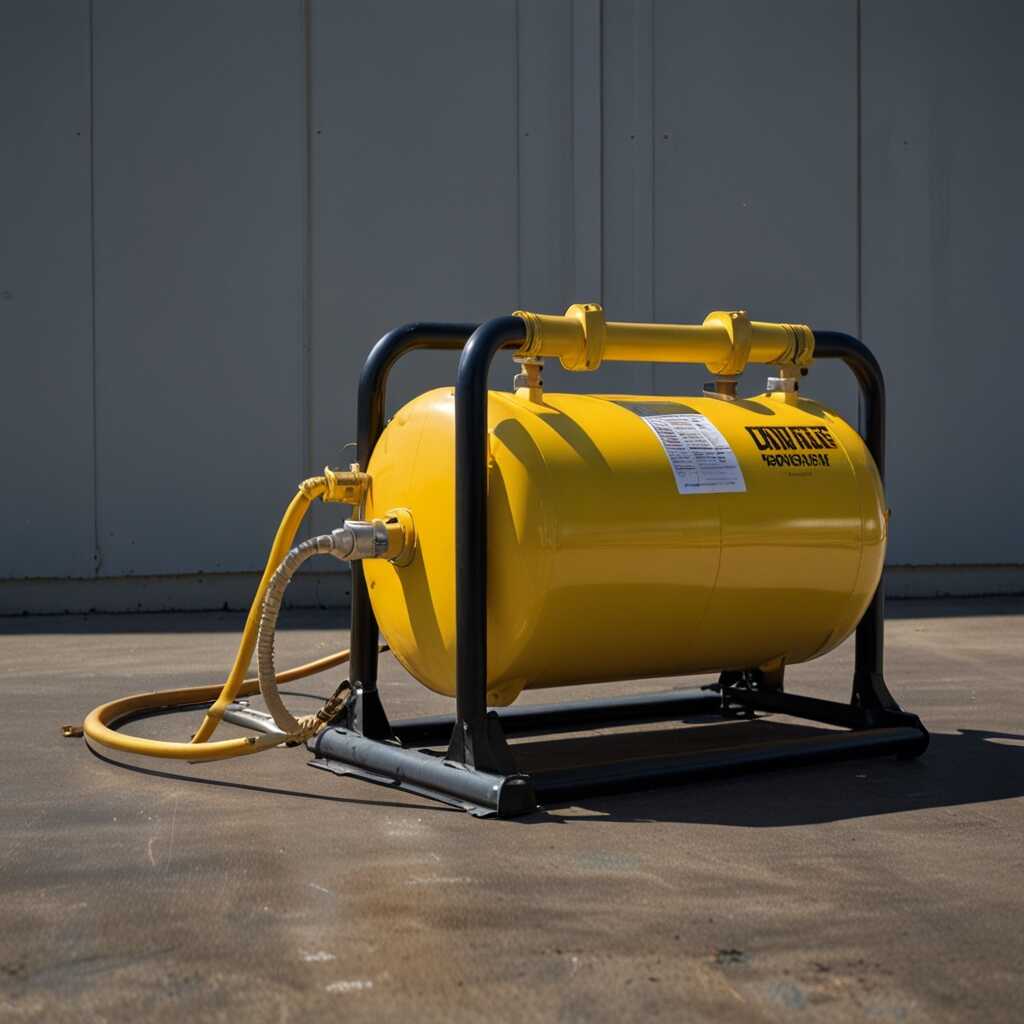
How does refrigerant recovery work mechanically? Refrigerant recovery machines are designed to extract refrigerants through a multi-stage process involving vacuum creation, refrigerant capture, filtering, and storage. The process begins when the machine’s compressor creates negative pressure, drawing refrigerants from the vehicle’s A/C system through connected hoses. Built-in filters remove moisture, acids, and debris while the refrigerant moves into storage tanks.
Key components enhancing recovery efficiency include dual-stage vacuum pumps, high-efficiency separators, and automated oil return systems. These features work together to achieve recovery rates of 95-98% while protecting both the vehicle’s A/C system and the recovered refrigerant quality. Modern units typically process 1-3 pounds of refrigerant per minute, depending on the machine’s capacity and the vehicle’s system size.
Essential Machine Features for Effective Refrigerant Handling
What features make recovery machines most effective? Essential features include automatic oil separation (preventing oil loss during recovery), built-in refrigerant identifiers (ensuring proper refrigerant type), and high-vacuum capabilities reaching 29+ inHg. Recovery machines should also include pressure relief valves, sight glasses for monitoring refrigerant flow, and digital displays showing recovery progress and system status.
The benefits of advanced features include faster recovery times, better refrigerant purity, and reduced risk of cross-contamination. Automotive refrigerant recovery machines can process multiple refrigerant types when equipped with appropriate filtration and storage systems. Professional-grade machines typically cost between $2,000-$8,000 depending on capacity and features, with mid-range units around $3,500-$5,000 offering good performance for most shops.
Performance Metrics for Recovery Machine Evaluation
- Recovery efficiency rates typically achieve 95-98% when properly maintained and operated
- Processing speeds range from 0.5-3.0 pounds per minute depending on machine capacity
- Vacuum capabilities should reach minimum 29 inHg for effective moisture removal
- Storage capacity varies from 30-120 pounds depending on machine size and intended use
- Power requirements typically range from 115V/15A to 230V/30A for different machine classes
- Refrigerant recovery machine is around 10 years with proper maintenance and regular service
- Operating costs include electricity (typically $2-5 per recovery cycle) and periodic filter replacement
Selecting the Right Recovery Equipment for Your Needs
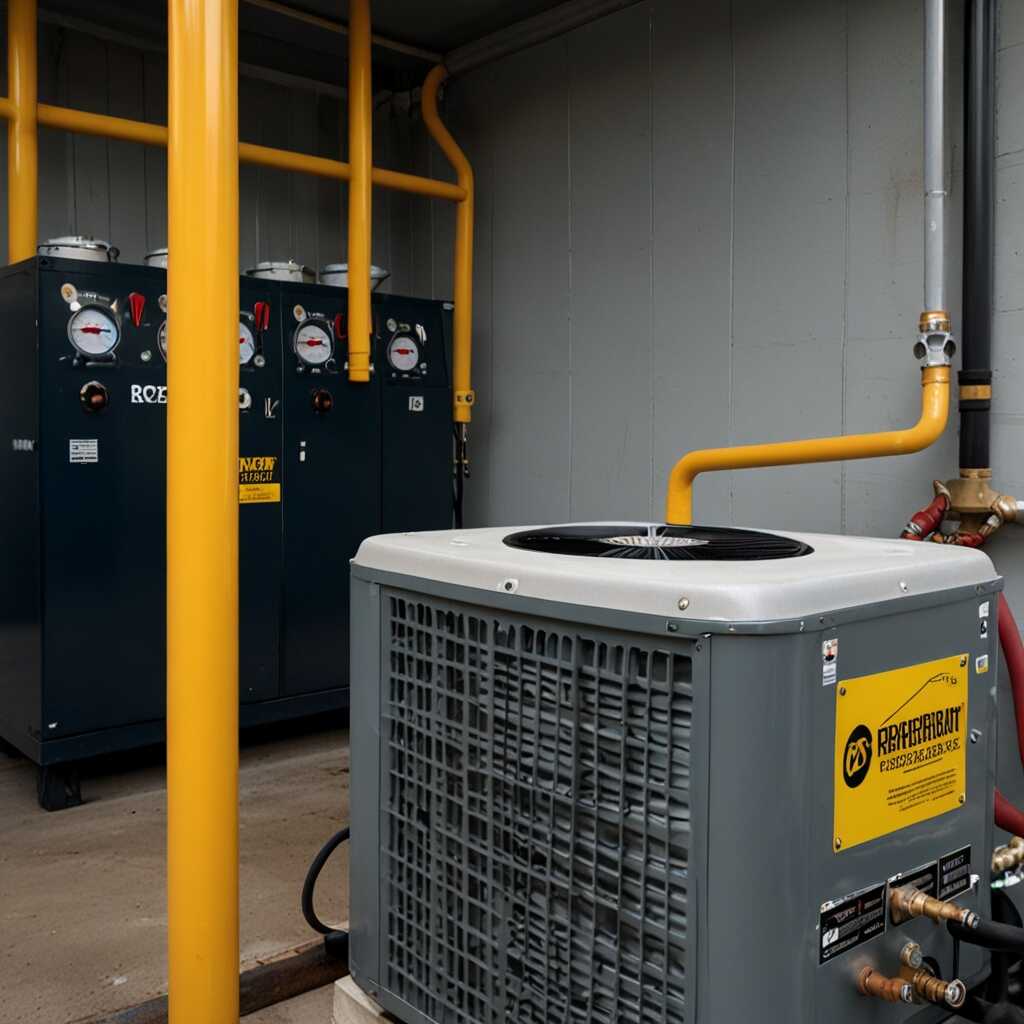
What should you look for when choosing recovery equipment? High-quality refrigerant recovery equipment should handle multiple refrigerant types while maintaining separation to prevent cross-contamination. Essential selection criteria include recovery rate (minimum 0.5 lbs/minute), vacuum level capability (29+ inHg), and compatibility with target refrigerants. Machines should also feature easy-to-read gauges, automatic shut-off functions, and portable designs for mobile service applications.
The limitations of basic recovery equipment include slower processing speeds, limited refrigerant compatibility, and reduced filtration capabilities. Entry-level machines typically handle only R-134a and may require 45-60 minutes for complete recovery on larger vehicles. Professional-grade equipment offers faster processing, better filtration, and the ability to handle newer refrigerants like R-1234yf, justifying the higher initial investment through improved efficiency and expanded service capabilities.
Matching Equipment Specifications to Service Requirements
When should you invest in high-capacity recovery equipment? Large automotive shops processing 10+ vehicles daily benefit from machines with 2+ lbs/minute recovery rates and 60+ pound storage capacity. In refrigerant recovery equipment include recovery rate specifications, maximum operating pressure, and certification levels (EPA Section 609 compliance). Mobile service providers typically choose lighter units (under 100 pounds) with built-in wheels and compact designs for easier transport between job sites.
Cost considerations vary by equipment type and features. Good refrigerant recovery machine should provide reliable service for 8-12 years with proper maintenance, making the per-year cost typically range from $300-800 depending on initial purchase price. Financing options often include 24-48 month payment plans, reducing the initial cash outlay for smaller shops while spreading costs across the equipment’s useful life.
Best Practices for Maximizing Recovery Efficiency
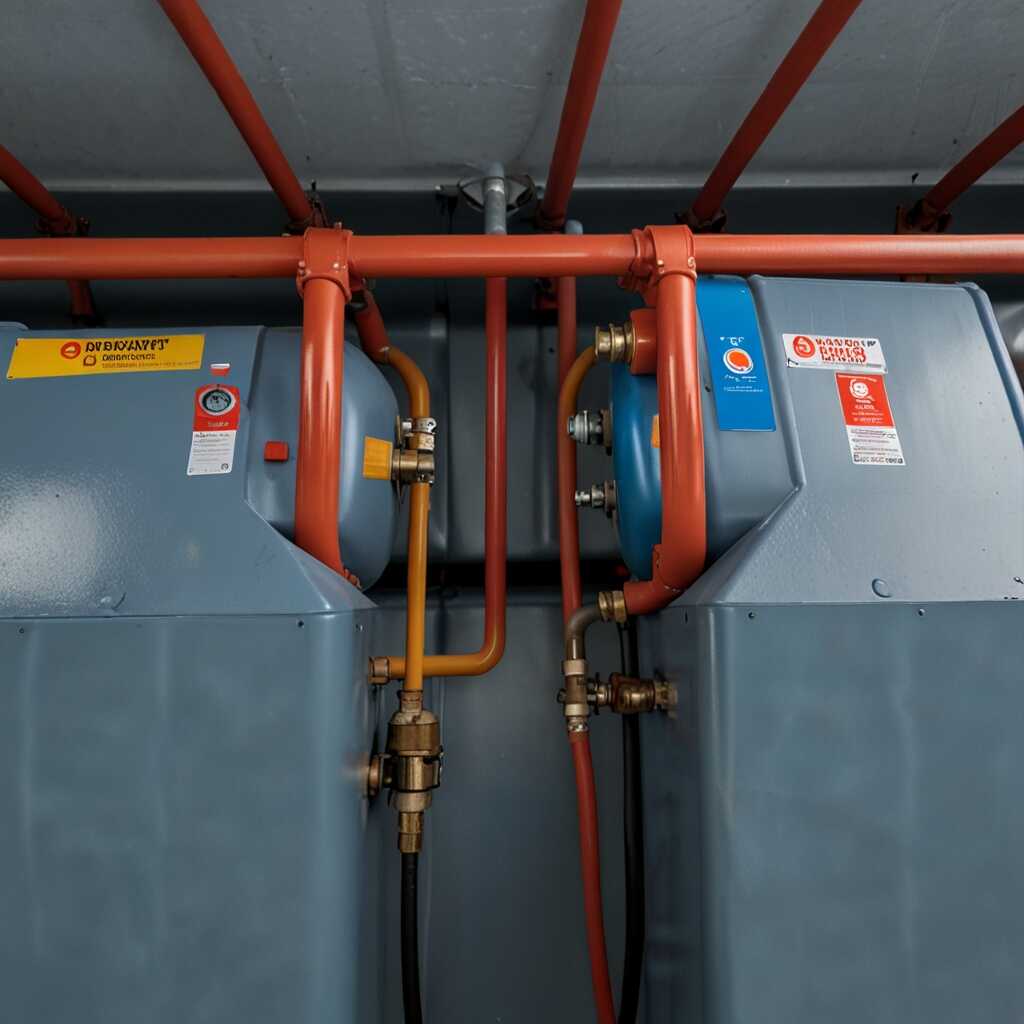
What are the most effective recovery strategies? Proven strategies include pre-recovery system inspection, proper equipment setup, and following manufacturer-specified procedures for each refrigerant type. Effective recovery begins with checking system pressures, identifying refrigerant type, and ensuring all connections are secure before starting the extraction process. Regular equipment maintenance, including filter changes and oil level checks, maintains optimal performance throughout the machine’s service life.
The benefits of following proper procedures include higher recovery rates, reduced processing time, and better refrigerant quality for reuse. Professional technicians typically achieve 97-99% recovery efficiency by allowing adequate processing time, maintaining proper vacuum levels, and using appropriate hose sizes for the application. Enhance recovery efficiency by using equipment specifically calibrated for the target refrigerant and ensuring all seals and connections remain leak-free during operation.
Optimizing Recovery Procedures for Different Vehicle Systems
How do recovery procedures vary by vehicle type? Compact cars typically require 15-25 minutes for complete recovery using standard procedures, while larger vehicles or those with rear auxiliary A/C systems may need 35-50 minutes. The process involves connecting recovery hoses to both high and low-side ports, running the recovery cycle until vacuum stabilizes, then allowing additional time for complete extraction. Some vehicles require accessing multiple service ports or removing refrigerant from separate zones.
Common challenges during recovery include system leaks, contaminated refrigerants, and equipment compatibility issues. When these problems occur, technicians should verify all connections, test for leaks using appropriate detection methods, and ensure the recovery machine can handle the specific refrigerant type. Machine compatible with the specific refrigerant prevents processing delays and ensures compliance with EPA regulations requiring 95% minimum recovery efficiency.
Benefits of Implementing Proper Recovery Procedures
- Environmental protection through reduced refrigerant emissions and ozone layer preservation
- Cost savings of typically $50-200 per vehicle through refrigerant reuse and recycling
- Regulatory compliance with EPA Section 609 requirements and state environmental laws
- Enhanced technician safety by preventing exposure to potentially harmful refrigerant vapors
- Improved customer satisfaction through professional service and environmental responsibility
- Extended A/C system life through proper refrigerant handling and contamination prevention
- Business growth opportunities by offering comprehensive A/C services with proper equipment
Common Challenges in Refrigerant Recovery Operations
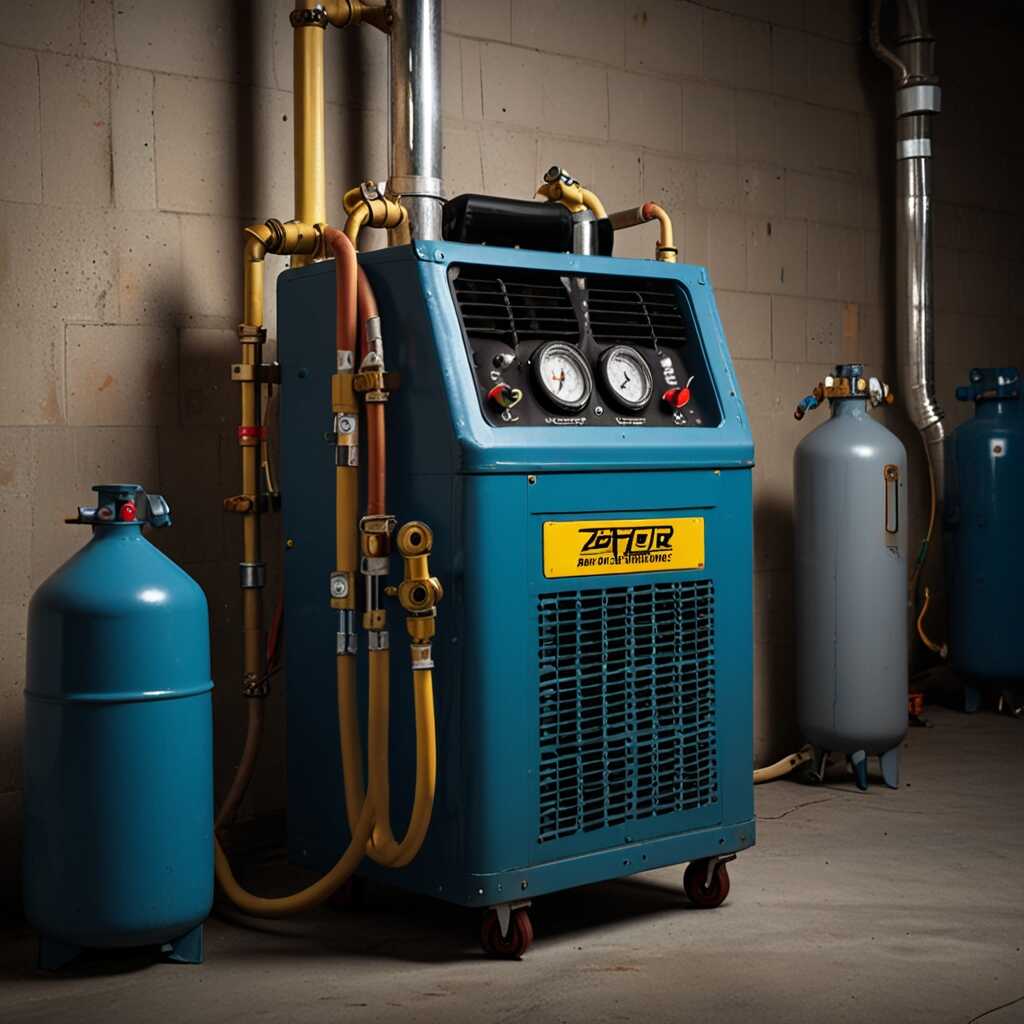
What are the main challenges in refrigerant recovery? Common challenges include equipment compatibility issues, contaminated refrigerants, and system leaks that reduce recovery efficiency. Technicians often encounter vehicles with mixed refrigerants, which requires complete system evacuation and cleaning before proper refrigerant installation. Recovery times can extend to 60-90 minutes when dealing with contaminated systems, compared to 20-30 minutes for clean systems with proper refrigerants.
The limitations of standard recovery procedures become apparent when handling unusual situations like severely contaminated systems or exotic refrigerants found in specialty vehicles. Some refrigerants require specific recovery equipment or disposal procedures, limiting which shops can service certain vehicles. Cross-contamination between different refrigerant types renders recovered refrigerants unusable, potentially costing $100-300 in wasted refrigerant per incident.
Troubleshooting Recovery Equipment Problems
How should you address recovery equipment problems? Effective troubleshooting begins with systematic checks of vacuum levels, hose connections, and filter conditions. When recovery rates drop below expected levels, technicians should inspect for leaks, verify proper vacuum pump operation, and check if filters need replacement. Recovery machine improve reliability and efficiency when maintained according to manufacturer schedules, typically including oil changes every 100 hours of operation and filter replacement every 50-75 recovery cycles.
Who benefits most from advanced troubleshooting knowledge? High-volume shops and mobile service providers gain the most advantage from quickly diagnosing and resolving equipment issues. Common solutions include carrying spare filters, maintaining backup equipment, and developing relationships with equipment service providers for rapid repairs. The cost of equipment downtime typically ranges from $200-500 per day in lost productivity, making preventive maintenance and quick problem resolution essential for profitable operations.
Understanding EPA and State Refrigerant Regulations
What regulations govern automotive refrigerant recovery? EPA Section 609 regulations require certified technicians to achieve minimum 95% recovery efficiency when servicing vehicle A/C systems. These regulations apply to all refrigerants including R-12, R-134a, and R-1234yf, with specific requirements for equipment certification and technician training. State regulations often add additional requirements for refrigerant handling, storage, and disposal, with penalties ranging from $500-25,000 for violations.
The benefits of regulatory compliance include legal protection, professional credibility, and access to wholesale refrigerant supplies. Non-compliance risks include significant fines, loss of refrigerant purchasing privileges, and potential business license issues. Compliance typically requires initial equipment investment of $3,000-8,000 plus ongoing certification costs of $100-300 per technician every few years, but these costs are typically recovered through legitimate refrigerant savings and professional service pricing.
Certification Requirements for Refrigerant Recovery
Who needs refrigerant handling certification? All technicians working with automotive A/C systems must hold EPA Section 609 certification, which covers proper recovery procedures, environmental regulations, and safety requirements. The certification process involves studying EPA-approved materials and passing a proctored exam covering refrigerant properties, recovery procedures, and regulatory requirements. Certification typically costs $75-150 and remains valid for the technician’s career unless regulations change significantly.
When should shops upgrade their recovery equipment for compliance? Equipment manufactured before certain dates may not meet current EPA standards for recovery efficiency or refrigerant handling. Shops should verify their equipment meets current EPA certification requirements and can achieve the required 95% recovery efficiency. Robinair leads to reliable recovery machines and other EPA-certified manufacturers provide equipment meeting all current regulatory requirements.
Key Compliance Requirements for Professional Shops
- EPA Section 609 technician certification for all staff handling automotive refrigerants
- Equipment certification proving 95% minimum recovery efficiency capability
- Proper refrigerant storage in DOT-approved containers with appropriate labeling
- Record keeping requirements for refrigerant purchases, usage, and disposal activities
- Regular equipment calibration and maintenance to maintain EPA performance standards
- Safe disposal procedures for contaminated refrigerants through EPA-approved facilities
- State-specific requirements that may exceed federal EPA regulations in certain areas
Future Trends in Automotive Refrigerant Technology
What are the emerging trends in refrigerant recovery technology? Recent developments include smart recovery machines with digital controls, automatic refrigerant identification systems, and improved efficiency ratings exceeding 98%. Refrigerant recovery technology include novel refrigerant compatibility features allowing single machines to handle multiple refrigerant types safely. IoT connectivity enables remote monitoring, predictive maintenance scheduling, and real-time performance tracking for fleet applications.
The benefits of emerging technology include reduced processing times, better refrigerant purity, and enhanced safety features. Advanced machines can complete recovery cycles 20-30% faster than conventional equipment while achieving higher recovery rates and better filtering performance. However, these advanced features typically increase equipment costs 25-40% above standard machines, requiring careful cost-benefit analysis for smaller operations.
Impact of Environmental Regulations on Future Equipment
How will environmental regulations affect recovery equipment? Stricter environmental standards expected by 2025-2030 will likely require higher recovery efficiency rates and enhanced refrigerant purity standards. Equipment manufacturers are developing systems capable of 99%+ recovery efficiency and improved contamination detection. The transition to lower global warming potential refrigerants will continue, requiring recovery equipment capable of handling newer HFO blends and synthetic refrigerants.
Who should prepare for upcoming regulatory changes? Automotive service providers planning equipment purchases should consider future-ready machines capable of handling emerging refrigerants and meeting anticipated efficiency standards. Investment in advanced recovery technology now typically provides 8-12 years of service life, ensuring compliance with evolving regulations while maximizing return on investment through improved efficiency and expanded service capabilities.