Refrigerant recovery machines with integrated vacuum pump capabilities are specialized HVAC devices that combine refrigerant extraction and system evacuation into one streamlined unit. These machines significantly reduce recovery time while ensuring EPA compliance, making them essential tools for professional HVAC technicians who need reliable, efficient equipment for system maintenance and repair work.
What Refrigerant Recovery Machines Do and How They Work
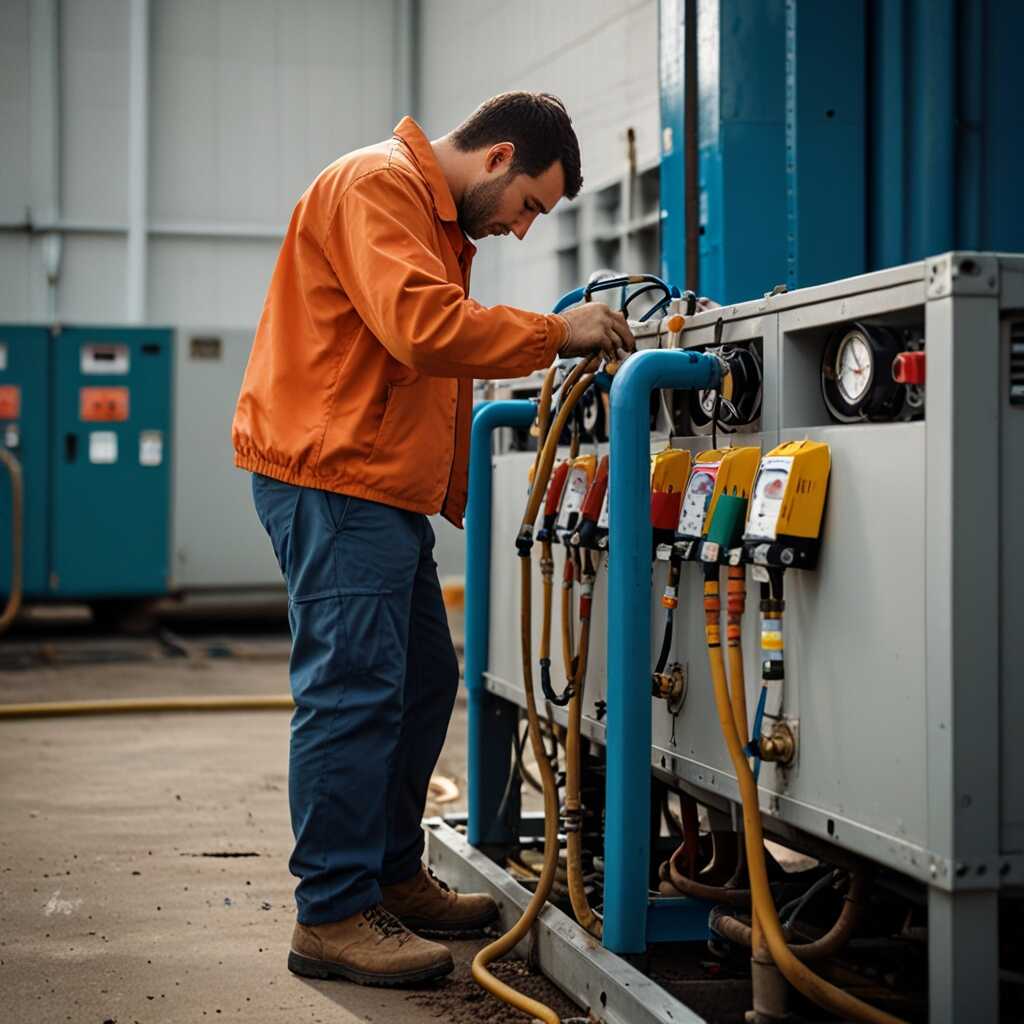
Refrigerant recovery machines are specialized devices designed to safely extract refrigerant from HVAC systems without releasing it into the atmosphere. They work by compressing refrigerant gas and storing it in designated recovery cylinders for proper disposal or recycling. Refrigerant recovery machines with integrated vacuum pumps enhance this process by simultaneously creating a vacuum to remove air and moisture from the system. This dual functionality eliminates the need for separate vacuum pumps, reducing equipment costs and setup time for technicians.
Understanding the Essential Components of Refrigerant Recovery Machines
Essential components of refrigerant recovery machines include the compressor, condenser, refrigerant storage tank, and integrated vacuum pump system. The compressor serves as the heart of the unit, compressing refrigerant gas for efficient extraction. The condenser cools the compressed gas, converting it back to liquid form for storage. Integrated vacuum pumps create the necessary vacuum conditions to remove non-condensables like air and moisture, which can contaminate recovered refrigerant. Refrigerant recovery machine can handle an average recovery speed ranging from one to three pounds per minute, depending on system conditions and refrigerant type.
The Efficiency Boost from Integrated Vacuum Pumps
Integrated vacuum pumps provide substantial efficiency improvements by combining two critical HVAC processes into one operation. Refrigerant recovery machines enhance overall efficiency when equipped with these pumps because technicians can recover refrigerant and evacuate the system simultaneously. This streamlined approach reduces job completion time, minimizes equipment setup requirements, and decreases the likelihood of contamination from multiple connections. The integrated design also improves portability, allowing technicians to carry fewer tools while maintaining professional service standards.
Key Features of Efficient Refrigerant Recovery Machines
Efficient refrigerant recovery machines with integrated vacuum capabilities feature dual-functionality designs that handle multiple refrigerant types including R-410A, R-22, and newer eco-friendly alternatives. Refrigerant recovery machines with integrated vacuum pumps typically include self-clearing check valves to prevent clogging, automatic shutoff systems for safety, and digital displays for monitoring recovery progress. These machines often feature quick-connect fittings, built-in oil separators, and durable construction suitable for commercial and residential applications. Professional-grade models include variable speed controls and can achieve vacuum levels below 500 microns for thorough system evacuation.
Compliance with Environmental Standards and Guidelines
Environmental compliance represents a critical aspect of refrigerant recovery operations, with EPA regulations requiring the recovery of at least 80% of refrigerant from functioning systems and 90% from non-functioning units. Refrigerant recovery machines with integrated vacuum pumps help technicians meet these requirements more effectively by ensuring thorough system evacuation. The integrated vacuum capability removes air and moisture that could interfere with accurate refrigerant measurement, helping achieve required recovery percentages. Non-compliance can result in EPA fines ranging from hundreds to thousands of dollars, making proper recovery equipment essential for business protection.
Key Regulatory Bodies Influencing Refrigerant Recovery Practices
Multiple regulatory organizations establish standards for refrigerant recovery practices in the HVAC industry. The Environmental Protection Agency serves as the primary federal regulator, establishing Section 608 requirements for refrigerant recovery and technician certification. The Air-Conditioning, Heating, and Refrigeration Institute develops industry standards for recovery equipment performance and safety. The International Organization for Standardization provides global guidelines for refrigerant handling procedures. These organizations work together to ensure proper refrigerant management, reduce ozone depletion potential, and minimize global warming impact from refrigerant emissions.
Notable Statistics on Recovery Innovations
- Recovery efficiency improvements of around 30% when using integrated vacuum pump systems
- EPA regulations mandate recovery of 80-90% of refrigerants before system disposal
- Efficiency in refrigerant recovery increases system longevity and reduces maintenance costs
- Over 300,000 certified HVAC technicians benefit from advanced recovery systems nationwide
- Integrated systems typically reduce job completion time by 25-40% compared to separate equipment
- Professional technicians report higher customer satisfaction when using efficient recovery methods
- Modern recovery machines with vacuum features significantly reduce environmental impact through improved containment
Long-Term Cost Benefits of Advanced Machinery
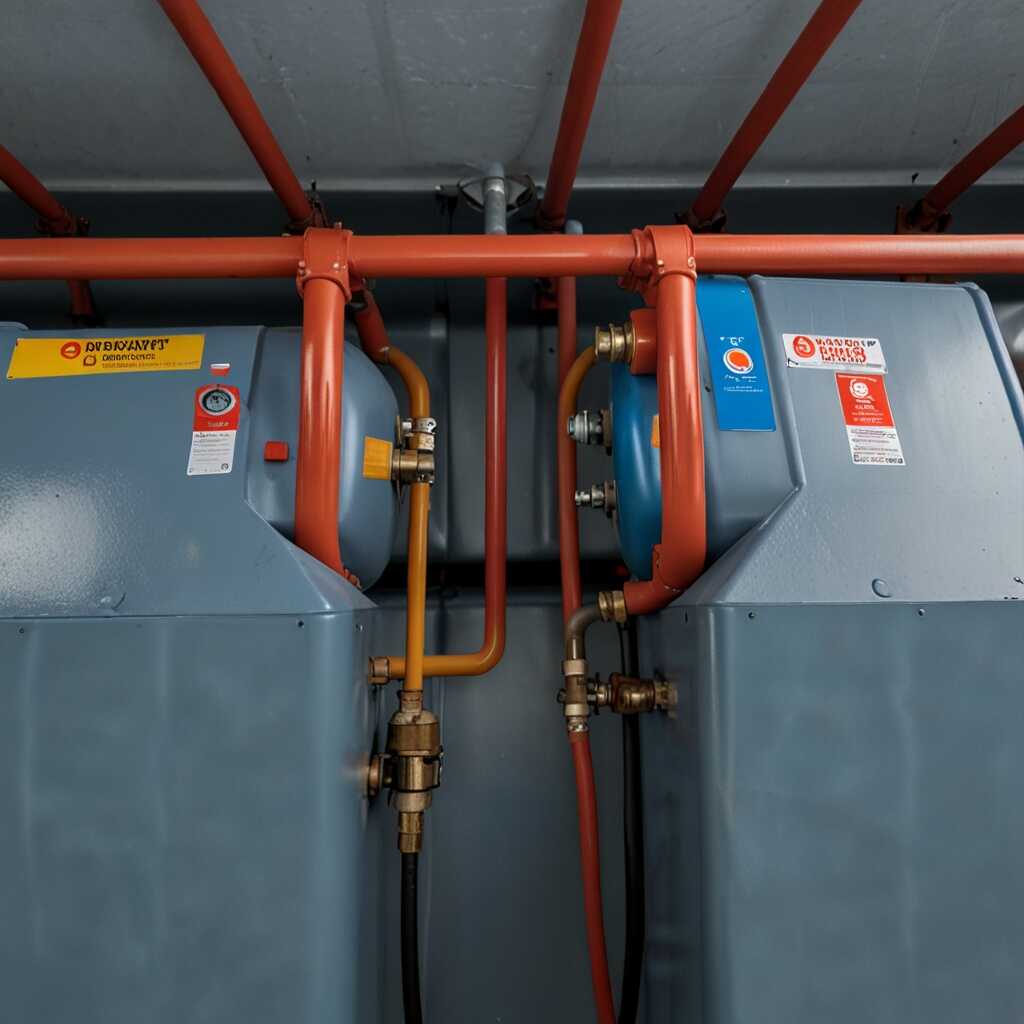
Long-term cost benefits of investing in advanced refrigerant recovery machines with integrated vacuum pumps include reduced equipment expenses, increased job efficiency, and improved customer retention. Refrigerant recovery machines with integrated vacuum pumps eliminate the need for separate vacuum equipment, reducing initial investment and ongoing maintenance costs. These machines enable technicians to complete more jobs per day due to faster setup and recovery times. Professional contractors often report annual savings of several thousand dollars through improved efficiency and reduced equipment replacement needs.
Comparative Analysis of Cost Effectiveness
Cost effectiveness analysis reveals that integrated vacuum pump systems provide superior value compared to separate equipment setups. Professional equipment comparison tables show that while initial costs may be higher for integrated systems, the long-term savings through reduced labor time and equipment maintenance make them financially advantageous. Refrigerant recovery machines and integrated vacuum pumps from reputable manufacturers typically offer warranties ranging from one to five years, providing additional cost protection. Factors to consider include recovery speed, refrigerant compatibility, durability ratings, and service availability in your area.
Enhancing Technician Workforce Efficiency
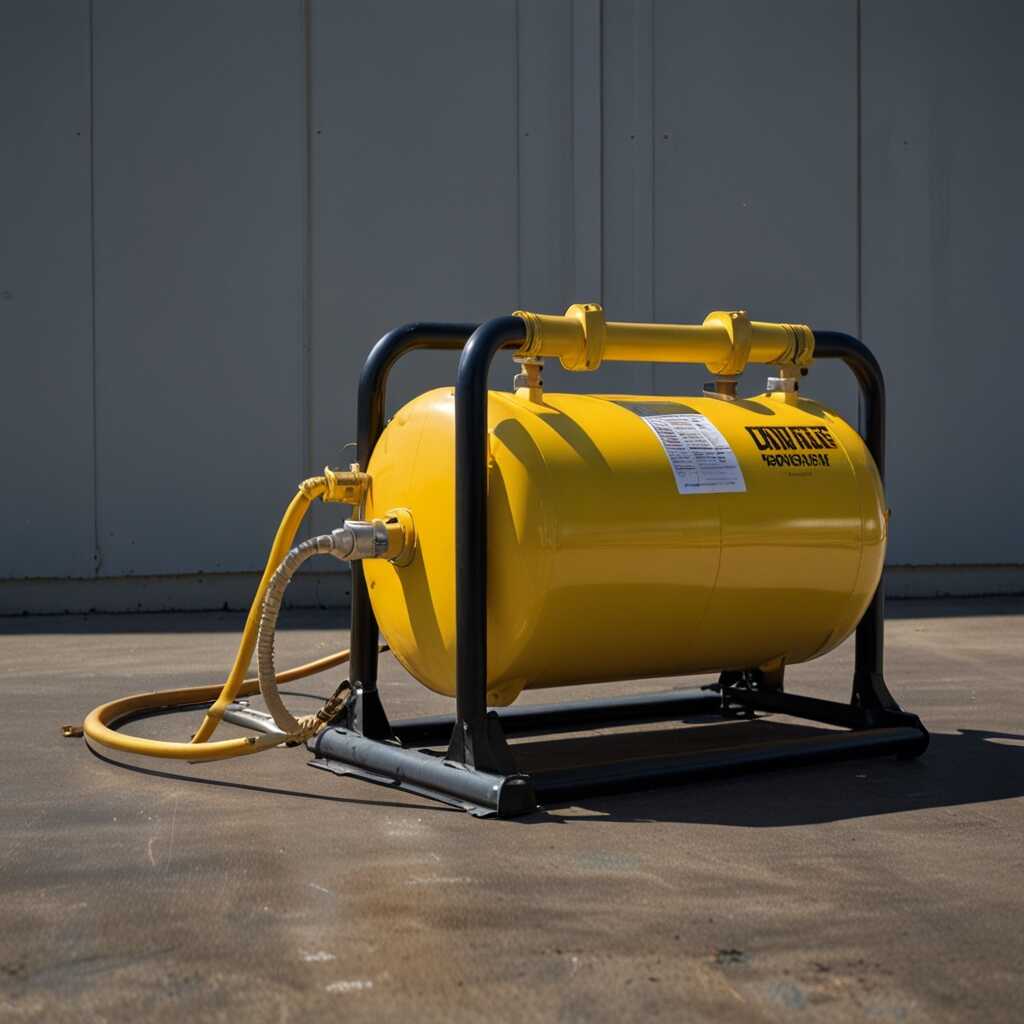
Workforce efficiency improvements from integrated vacuum pump technology include simplified equipment operation, reduced physical strain, and enhanced job completion rates. These machines eliminate the need for technicians to connect, operate, and monitor separate vacuum pumps during recovery operations. The streamlined workflow reduces setup time, minimizes potential connection errors, and allows for better focus on system diagnostics and repair. Professional performance analysis indicates that technicians using integrated systems can complete 20-30% more service calls per day compared to using separate equipment.
Key Features of Integrated Vacuum Pumps
Integrated vacuum pumps offer automatic switching between recovery and evacuation modes, eliminating manual intervention during the process. Switch between refrigerant recovery and system evacuation occurs seamlessly through electronic controls or manual valve systems. These pumps typically achieve vacuum levels below 500 microns, meeting industry standards for proper system evacuation. Built-in oil separators prevent contamination of recovered refrigerant, while automatic shutoff features protect equipment from damage. Many models include digital vacuum gauges and recovery progress indicators for precise monitoring during operations.
Key Advantages of Enhanced Recovery Equipment
- Simplified operating procedures reduce training time and potential errors
- Enhanced EPA compliance through improved recovery rates and documentation
- Faster job completion enables higher daily service call volumes
- Reduced equipment investment compared to purchasing separate vacuum pumps
- Lower risk of refrigerant leaks through fewer system connections
- Advanced diagnostic features help identify system problems more effectively
- Durable integrated components typically last longer than separate equipment setups
Key Technical Features to Consider in Equipment
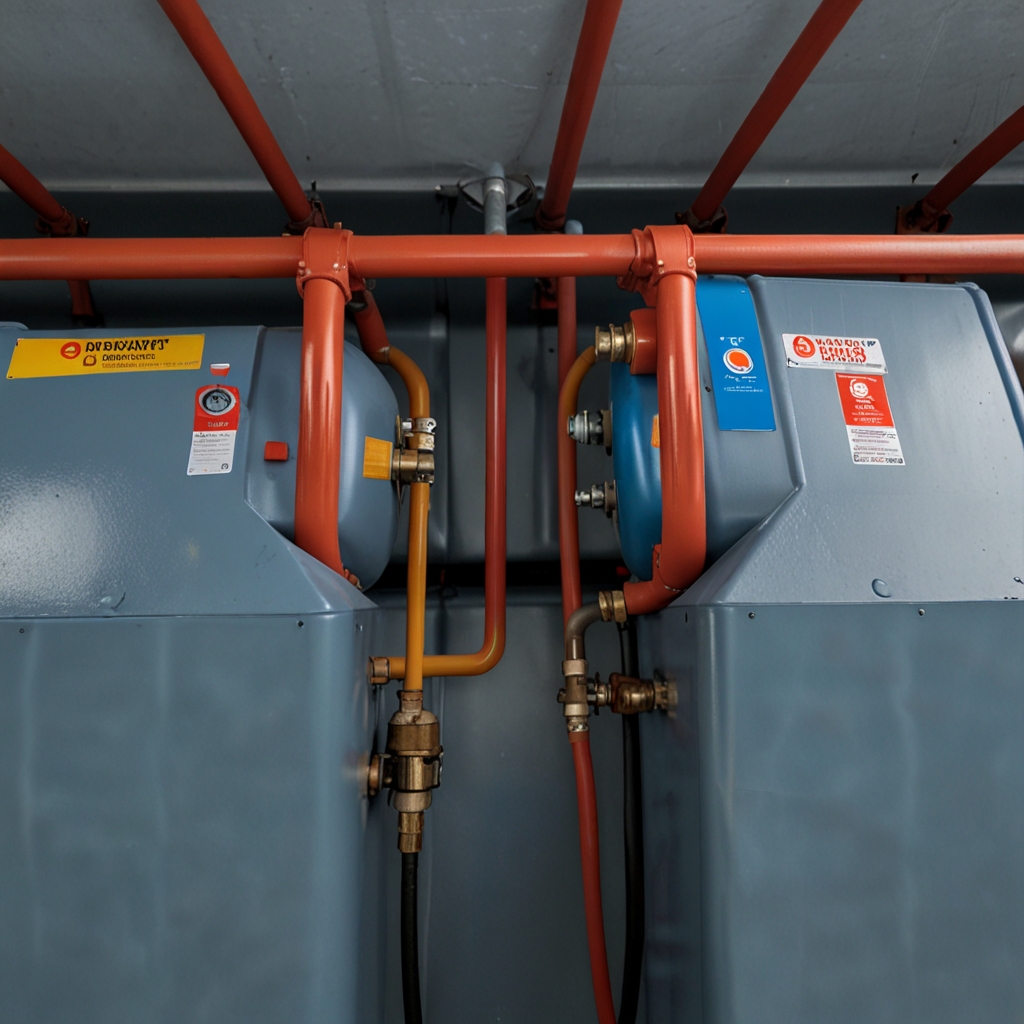
Technical specifications to evaluate when selecting refrigerant recovery machines include recovery rate, maximum working pressure, vacuum pump capacity, and refrigerant compatibility. Recovery rates typically range from 0.5 to 3.0 pounds per minute depending on system conditions and refrigerant type. Maximum working pressures should accommodate the highest pressure refrigerants in your service area, typically 450-650 PSIG for most applications. Vacuum pump capacity determines how quickly systems can be evacuated, with larger pumps providing faster evacuation but consuming more power and adding weight to the unit.
Understanding Recovery Rate and Performance Efficiency
Recovery rate performance depends on several factors including refrigerant type, system pressure, ambient temperature, and machine condition. Machines with integrated vacuum pumps maintain more consistent recovery rates because they can continuously remove air and moisture that would otherwise slow the recovery process. Key equipment attributes determine overall performance, including compressor size, condenser capacity, and internal component quality. Professional-grade machines typically feature variable speed drives that adjust recovery rate based on system conditions, optimizing efficiency while protecting equipment from damage.
Available Training Resources for Proper Usage
Training resources for refrigerant recovery machine operation include manufacturer-provided instruction manuals, online video tutorials, and hands-on certification programs. EPA Section 608 certification courses cover proper recovery procedures and regulatory requirements for different system types. Reliability and efficiency in refrigerant recovery processes improve significantly when technicians receive comprehensive training on equipment operation and maintenance. Many equipment manufacturers offer technical support hotlines and field service training for advanced troubleshooting and optimization techniques.
Hands-On Training and Best Practices
Hands-on training programs focus on practical application of integrated vacuum pump systems in real-world scenarios. Integrated vacuum pumps and refrigerant recovery system training typically covers proper connection procedures, safety protocols, and troubleshooting techniques. These programs emphasize the importance of using correct hose diameters, maintaining clean connections, and following manufacturer specifications for optimal performance. Refrigerant Recovery Pro provides essential resources including technical guides, video demonstrations, and expert consultation to help technicians master advanced recovery techniques.
Evaluating Brands and Use Cases in Refrigerant Recovery
- Leading manufacturers offer comprehensive warranties and nationwide service support networks
- Budget-friendly options may lack advanced features but provide reliable basic functionality
- Commercial contractors prefer high-capacity machines for large system applications
- Residential service technicians benefit from lightweight, portable integrated systems
- Environmental compliance officers recommend equipment with built-in recovery tracking
- Service fleet managers choose machines with proven durability and low maintenance requirements
- Training programs emphasize proper equipment selection based on specific application needs
Emerging Trends in Refrigerant Recovery Technologies
Emerging trends in refrigerant recovery technology include smart connectivity features, improved energy efficiency, and compatibility with next-generation refrigerants. Refrigerant recovery technology include integrated vacuum pumps with variable speed drives that automatically adjust operation based on system conditions. Modern machines incorporate digital interfaces that track recovery progress, maintain service records, and provide diagnostic information for troubleshooting. These advancements help technicians work more efficiently while ensuring compliance with evolving environmental regulations.
Key Features of Modern Refrigerant Recovery Machines
Modern refrigerant recovery machines feature lightweight designs, improved portability, and enhanced durability for demanding commercial applications. Advanced integrated vacuum technology includes automatic oil return systems, self-clearing filters, and digital monitoring capabilities that track system performance in real-time. Enhance overall refrigerant recovery efficiency through intelligent control systems that optimize recovery speed while protecting equipment from damage. These machines often include wireless connectivity for remote monitoring, automated maintenance alerts, and integration with fleet management systems for large service operations.
Limitations and Important Considerations
Important limitations of integrated vacuum pump systems include higher initial costs compared to basic recovery machines, increased complexity that may require additional training, and potential for more expensive repairs due to integrated components. These machines typically weigh more than basic recovery units, which can impact portability for some technicians. The integrated vacuum pump may not achieve the same vacuum levels as dedicated high-performance vacuum pumps, which could be a concern for critical applications requiring extremely deep vacuums. Service and repair costs may be higher because problems with either the recovery or vacuum system can affect the entire unit.
When Separate Equipment May Be Preferred
Separate recovery and vacuum equipment may be preferred for specialized applications requiring maximum vacuum performance, situations where equipment redundancy is critical, or operations where different technicians handle recovery and evacuation tasks. Large commercial operations sometimes benefit from dedicated high-capacity vacuum pumps that exceed the capabilities of integrated systems. Budget-conscious contractors may prefer separate equipment to spread costs over time or to replace individual components as needed rather than entire integrated units.