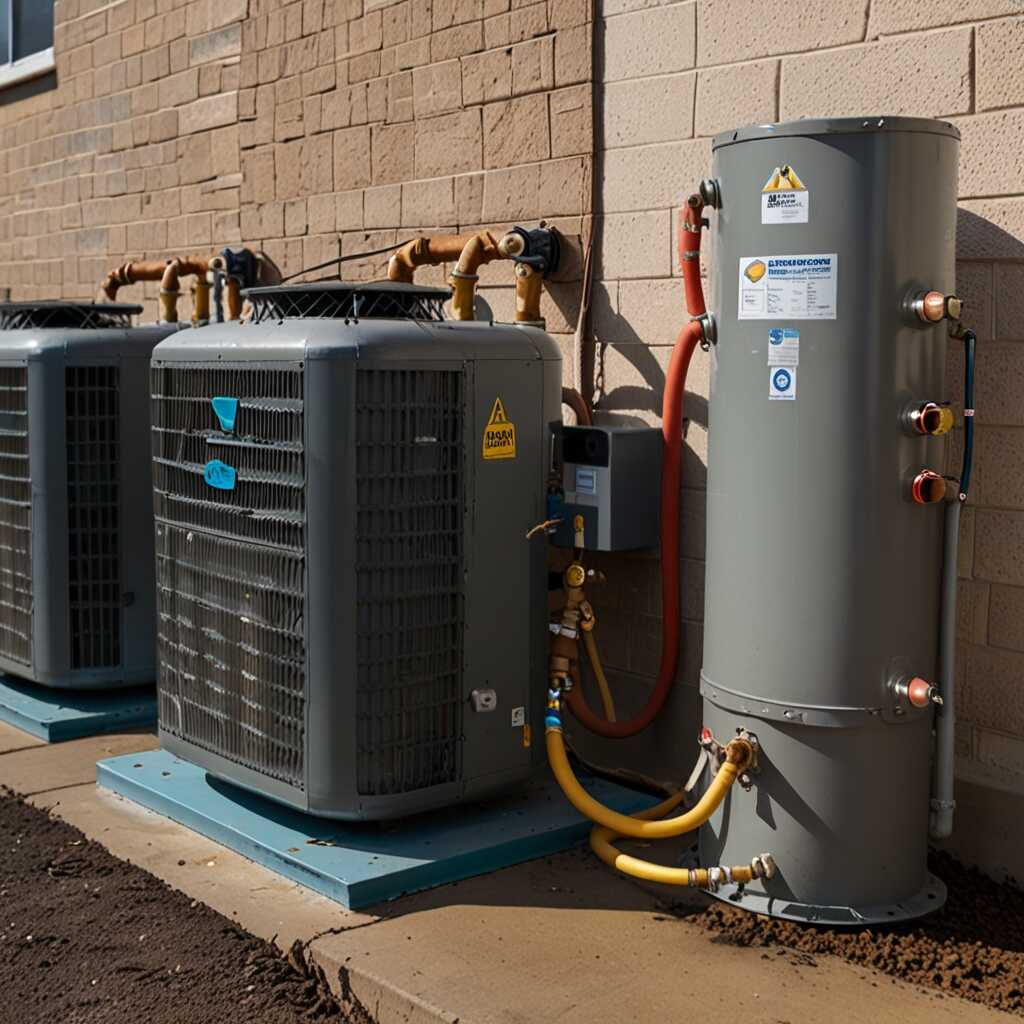
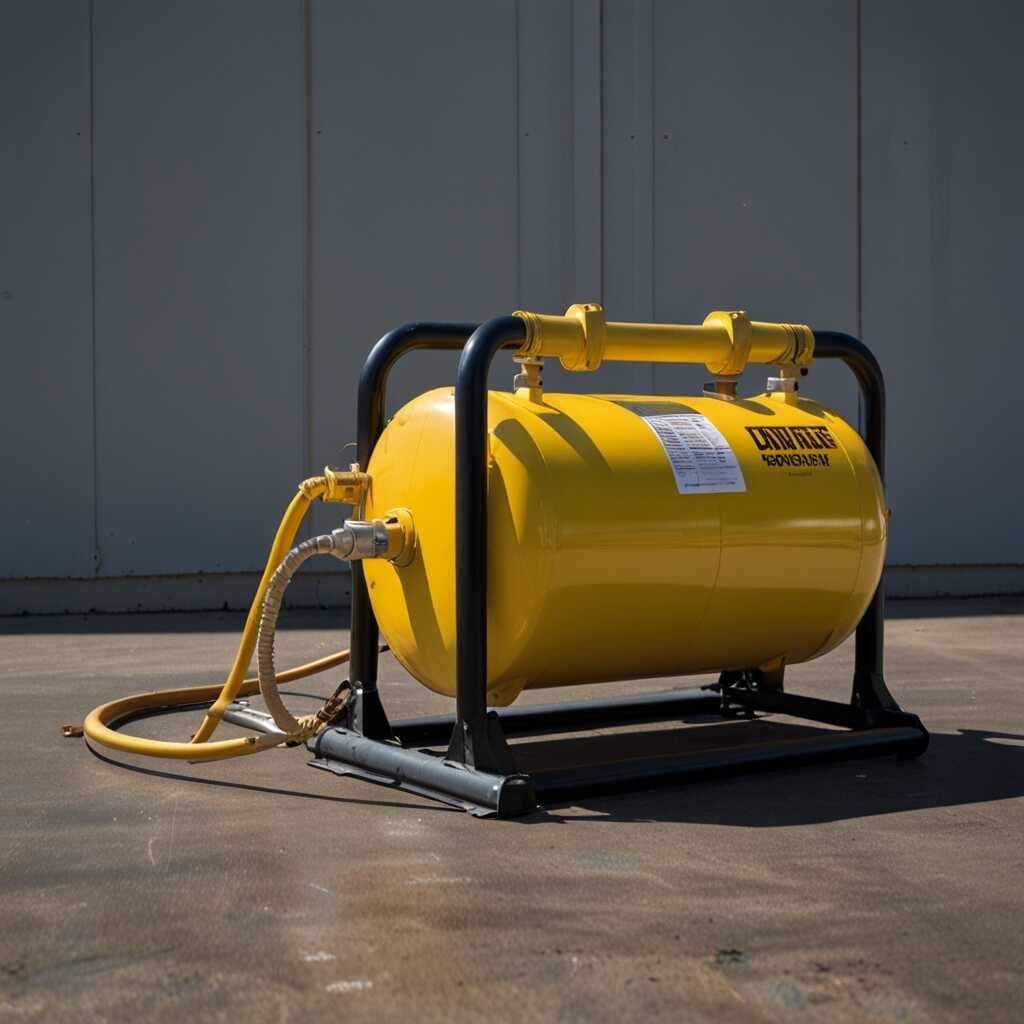
Circuit breaker protection in refrigerant recovery machines is a safety mechanism that automatically stops electrical flow when detecting motor overloads or short circuits. This feature prevents motor damage and electrical fires, extending equipment lifespan while ensuring technician safety during HVAC operations. Most professional-grade recovery machines now include this protection as standard equipment for reliable daily use.
What Circuit Breaker Protection Means for Refrigerant Recovery Equipment
Circuit breaker protection refers to an electrical safety system that monitors current flow and automatically disconnects power when dangerous conditions occur. In refrigerant recovery machines, these devices typically respond within milliseconds to prevent motor burnout, equipment damage, and potential fire hazards. The protection works by detecting when electrical current exceeds safe operating levels, which commonly happens during motor startup, when refrigerant lines become blocked, or when ambient temperatures cause equipment to work harder than normal.
Refrigerant recovery machines are essential tools for HVAC technicians who must safely remove refrigerants from air conditioning and refrigeration systems during maintenance, repair, or disposal. These machines prevent refrigerant release into the atmosphere, supporting environmental protection while enabling proper system servicing. Models with circuit breaker protection offer additional security against electrical malfunctions that could otherwise cause costly downtime or safety incidents.
How Circuit Breaker Protection Actually Works in Recovery Equipment
Circuit breaker protection operates through either thermal or magnetic mechanisms, depending on the specific device design. Thermal breakers use bimetallic strips that bend when heated by excessive current, physically opening the circuit to stop power flow. Magnetic breakers employ electromagnetic coils that create enough force to trip the breaker when current levels become dangerous. Many modern recovery machines use combination breakers that provide both thermal and magnetic protection for comprehensive safety coverage.
When a circuit breaker trips, the recovery machine immediately stops operating, protecting the motor from damage. Technicians can reset most breakers manually after identifying and resolving the underlying problem, such as clearing refrigerant line blockages or allowing overheated equipment to cool down. This reset capability means that temporary issues don’t require expensive repairs or equipment replacement, making circuit breaker systems highly cost-effective for busy HVAC operations.
Essential Safety Benefits of Circuit Breaker Protection
The primary benefits of circuit breaker protection include motor preservation, fire prevention, and operational continuity. Motor preservation occurs because breakers stop power flow before excessive current can damage windings, bearings, or other internal components. Fire prevention happens when breakers eliminate the sparking and overheating that typically precede electrical fires in overloaded equipment. Operational continuity results from the ability to quickly reset breakers and resume work after resolving temporary problems.
Circuit breaker protection also reduces insurance liability and regulatory compliance concerns for HVAC businesses. Many commercial insurance policies require electrical safety features on professional equipment, and OSHA guidelines emphasize the importance of electrical protection in workplace safety programs. Machines with proper safety features help businesses meet these requirements while demonstrating professional responsibility to customers and regulatory authorities.
Who Benefits Most from Circuit Breaker Protected Recovery Machines
HVAC technicians working in commercial environments benefit significantly from circuit breaker protection because they often handle larger systems with higher refrigerant volumes and more demanding recovery requirements. Residential service technicians also gain value from this protection, particularly when working with older systems that may have unexpected electrical issues or contaminated refrigerant that could stress recovery equipment beyond normal limits.
Service companies with multiple technicians find that circuit breaker protection reduces equipment maintenance costs and minimizes unexpected service interruptions. Independent contractors appreciate the reliability because equipment failures during customer visits can damage professional reputation and result in lost income. Fleet managers for large HVAC companies often specify circuit breaker protection as mandatory equipment features to ensure consistent performance across their entire operation.
Understanding Different Types of Circuit Breaker Systems
Thermal circuit breakers respond to heat generated by electrical current, making them effective for protecting against sustained overloads that develop gradually. These breakers work well when refrigerant recovery machines operate near their capacity limits for extended periods, such as during large system evacuations or when processing particularly thick refrigerant oils that increase motor workload.
Magnetic circuit breakers react to rapid current increases, providing protection against short circuits and sudden electrical faults. These devices excel at preventing damage from wiring failures, internal component shorts, or accidental contact between electrical conductors. Recovery machines designed for heavy-duty applications often incorporate magnetic breakers because they handle the electrical stress of frequent startup cycles and varying load conditions.
Combination Breaker Systems for Maximum Protection
Combination circuit breakers integrate both thermal and magnetic protection mechanisms, offering comprehensive coverage against various electrical problems. These systems provide thermal protection for gradual overloads while maintaining magnetic protection for sudden electrical faults. The dual approach ensures that recovery machines remain protected regardless of whether problems develop slowly or occur instantly.
Professional-grade recovery machines typically use combination breakers because they offer the most reliable protection for expensive equipment investments. While combination systems cost more than single-function breakers, the additional expense usually represents less than five percent of total equipment cost while providing significantly enhanced protection value.
Specific Advantages for Daily HVAC Operations
Circuit breaker protection enables unattended operation during lengthy recovery processes, allowing technicians to focus on other tasks while equipment runs safely. This multitasking capability improves overall job efficiency and reduces the time required to complete complex service calls. Technicians can begin recovery operations and then proceed with system diagnosis, part replacement, or other maintenance tasks without constantly monitoring equipment status.
Protected recovery machines also handle variable refrigerant conditions more reliably than unprotected equipment. Contaminated refrigerants, mixed refrigerant types, and systems with internal blockages create challenging operating conditions that can stress motors beyond normal limits. Circuit breaker protection provides essential safety during these demanding recovery scenarios while maintaining equipment reliability.
Cost Considerations and Return on Investment
Recovery machines with circuit breaker protection typically cost between $200 and $800 more than comparable unprotected models, depending on equipment size and manufacturer. This initial investment usually pays for itself within the first year through reduced maintenance costs, fewer emergency repairs, and decreased equipment downtime. The protection also extends overall equipment lifespan, spreading the investment cost over many years of reliable service.
Repair costs for motor replacement in recovery machines often range from $400 to $1,200, depending on equipment size and motor specifications. Circuit breaker protection frequently prevents these expensive repairs by stopping electrical damage before it occurs. Additionally, the improved reliability reduces the need for backup equipment and emergency rental costs during busy seasons.
Operational Limitations and Important Considerations
Circuit breaker protection cannot prevent all equipment problems and has specific limitations that technicians should understand. Mechanical failures, refrigerant contamination damage, and gradual component wear occur regardless of electrical protection. The breakers also cannot protect against problems that develop when equipment operates within normal electrical parameters but experiences other forms of stress or damage.
Frequent circuit breaker trips indicate underlying problems that require professional attention rather than repeated reset attempts. Common causes include inadequate electrical supply, damaged refrigerant lines, internal equipment wear, or improper operating procedures. Technicians should investigate trip causes thoroughly rather than simply resetting breakers and continuing operation.
When Circuit Breaker Protection May Not Be Sufficient
High-volume commercial operations may require additional protection beyond standard circuit breakers, such as motor starters with overload relays or electronic motor protection systems. These advanced systems provide more precise monitoring and can detect problems that circuit breakers might miss. Facilities with unstable electrical supply may also need voltage regulators or power conditioning equipment to ensure consistent operation.
Portable recovery machines used in various environments face different challenges than stationary equipment, potentially requiring more robust protection systems. Outdoor use, extreme temperatures, and frequent transport create additional stress that standard circuit breakers may not fully address. Technicians working in these conditions should consider equipment with enhanced environmental protection ratings.
Meeting Safety Standards and Regulatory Requirements
OSHA workplace safety standards require electrical protection on professional equipment, and many local codes specify safety requirements for HVAC service equipment. Circuit breaker protection helps businesses comply with these regulations while demonstrating commitment to worker safety. Compliance documentation also supports insurance coverage and can reduce liability exposure in case of workplace incidents.
EPA refrigerant handling regulations focus primarily on environmental protection but include equipment safety requirements that circuit breaker protection helps address. Proper equipment maintenance and safety features support regulatory compliance while ensuring reliable operation during required recovery procedures. Many certification programs for HVAC technicians include safety equipment requirements that protected recovery machines help fulfill.
Insurance and Liability Considerations
Commercial insurance policies often include equipment safety requirements that circuit breaker protection addresses directly. Insurers may offer premium discounts for businesses that use properly protected equipment, recognizing the reduced risk of fire damage, equipment loss, and workplace injuries. Claims involving electrical equipment failures may face additional scrutiny if proper safety features were not present.
Professional liability also extends to equipment selection and maintenance practices. Using appropriately protected equipment demonstrates professional competence and can support legal defense if equipment-related incidents occur. Documentation of safety feature usage and maintenance records provides valuable evidence of responsible business practices.
Troubleshooting Circuit Breaker Problems and Maintenance Tips
When circuit breakers trip repeatedly, technicians should first check electrical supply voltage and ensure connections are tight and clean. Loose connections create resistance that appears as electrical overload to protection systems. Voltage that falls below manufacturer specifications can cause motors to draw excessive current while attempting to maintain operating speed.
Recovery machine maintenance should include regular circuit breaker testing to ensure proper operation. Most manufacturers recommend monthly testing where technicians verify that breakers trip and reset properly. This testing identifies worn or damaged breakers before they fail to provide protection during actual overload conditions.
Preventive Maintenance for Circuit Breaker Systems
Circuit breaker contacts require periodic cleaning to maintain proper electrical connection and ensure reliable operation. Dust, moisture, and refrigerant vapor can contaminate contacts and affect breaker performance. Most manufacturers provide specific cleaning procedures and recommend cleaning intervals based on operating environment and usage frequency.
Calibration verification ensures that circuit breakers trip at proper current levels and reset reliably. Professional calibration equipment can test breaker operation precisely, but technicians can perform basic functionality tests using manufacturer-specified procedures. Equipment documentation should include calibration records and test results to support warranty coverage and regulatory compliance.
Selecting the Right Circuit Breaker Protection for Your Needs
Equipment selection should consider operating environment, typical recovery volumes, and specific application requirements. Technicians working primarily with residential systems may find basic thermal protection adequate, while commercial specialists often benefit from combination breaker systems that handle more demanding conditions. Portable equipment requires more robust protection than stationary installations due to transport stress and variable operating conditions.
Manufacturer support and parts availability also influence protection system selection. Recovery machines with standardized components simplify maintenance and reduce long-term operating costs. Equipment with proprietary protection systems may offer advanced features but could create parts availability challenges in remote locations or during peak demand periods.
Future Developments in Recovery Machine Protection
Electronic motor protection systems are becoming more common in high-end recovery machines, offering precise monitoring and advanced diagnostic capabilities. These systems provide more detailed information about motor condition and can predict problems before they cause equipment failure. Smart protection systems also enable remote monitoring and can alert service teams to developing problems.
Integration with digital service tools allows technicians to monitor equipment status remotely and maintain detailed performance records. Advanced monitoring capabilities help optimize equipment utilization while providing early warning of maintenance needs. These developments support both equipment reliability and business efficiency for professional HVAC operations.