High-pressure refrigerant recovery machines are specialized HVAC tools designed to extract refrigerants from systems at pressures exceeding 50 PSI. These machines feature dual-stage compressors, automatic shut-off valves, and precision gauges that enable technicians to safely recover refrigerants like R-410A and R-134A during maintenance, repairs, or decommissioning, ensuring EPA compliance and environmental protection.
What Are High-Pressure Refrigerant Recovery Machines?
High-pressure refrigerant recovery machines offer significant benefits by handling system pressures that standard recovery units cannot manage safely. These specialized machines incorporate reinforced components, including heavy-duty compressors rated for continuous operation at elevated pressures, typically ranging from 50 to 500 PSI. Commercial HVAC systems, industrial chillers, and modern residential units using R-410A refrigerant require high-pressure recovery capabilities due to their operating characteristics.
The key distinction between high-pressure and standard recovery machines lies in their internal components and safety features. High-pressure units include reinforced hoses, specialized valve designs, and enhanced cooling systems that prevent overheating during extended recovery operations. Manufacturers like Appion, Robinair, and CPS Products engineer these machines with dual-stage recovery systems that maintain efficiency even when working with high-pressure refrigerants. The performance analysis reveals these machines deliver superior recovery rates compared to standard models.
Essential Components of High-Pressure Recovery Systems
Modern high-pressure recovery machines integrate several critical components that ensure reliable operation. The hermetically sealed compressor serves as the heart of the system, designed to withstand continuous high-pressure operation without refrigerant leakage. Digital pressure gauges provide real-time monitoring of both high and low side pressures, enabling technicians to track recovery progress accurately. Advanced filtration systems, including moisture indicators and particulate filters, protect the machine’s internal components while ensuring recovered refrigerant meets purity standards for potential reuse or proper disposal.
How Do High-Pressure Recovery Machines Enhance HVAC Efficiency?
High-pressure recovery machines significantly improve HVAC system efficiency through faster refrigerant extraction and more complete recovery cycles. When servicing systems, these machines reduce downtime by recovering refrigerants in substantially less time than standard units, allowing technicians to complete more service calls daily. The enhanced recovery speed results from optimized internal flow paths and powerful compressors that maintain consistent performance even as system pressures decrease during the recovery process.
Energy efficiency improvements stem from the machine’s ability to recover refrigerant more completely, reducing the amount of new refrigerant needed for system recharging. Recovery equipment plays in supporting HVAC professionals by minimizing refrigerant waste and associated costs. Additionally, the reduced runtime required for complete recovery translates to lower electricity consumption during service operations, benefiting both technicians and their clients through reduced service costs.
Maximizing Recovery Speed and System Performance
The recovery speed of high-pressure machines depends on several factors, including ambient temperature, refrigerant type, and system configuration. Optimal performance occurs when machines operate within manufacturer-specified temperature ranges, typically between 50°F and 100°F. Technicians can enhance recovery speed by pre-cooling the recovery cylinder, using the shortest possible hose lengths, and ensuring proper ventilation around the recovery machine. These best practices, combined with the machine’s inherent capabilities, result in recovery rates that often exceed 4 pounds per minute for liquid refrigerant.
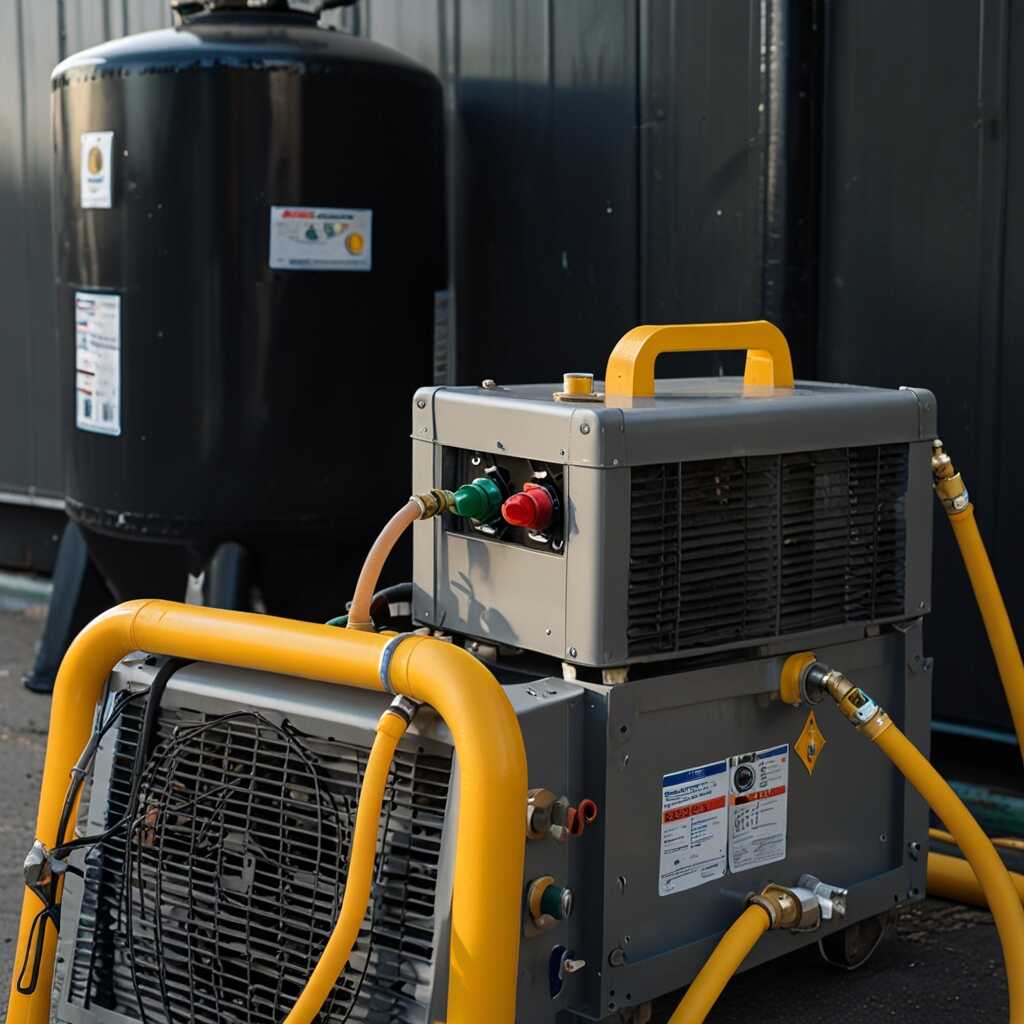
Critical EPA Compliance Requirements for Recovery Operations
EPA regulations mandate specific requirements for refrigerant recovery operations, making high-pressure recovery machines essential for compliance. Section 608 of the Clean Air Act requires technicians to recover refrigerant to prescribed levels before opening or disposing of appliances. For high-pressure appliances containing more than 200 pounds of refrigerant, recovery must achieve 0 psig when using recovery equipment manufactured after November 15, 1993. Effective refrigerant management offers consistent results while ensuring regulatory compliance.
International standards, including ASHRAE Standard 15 and ISO 5149, establish additional safety requirements for refrigerant handling. These standards specify equipment certification requirements, technician training protocols, and documentation procedures. High-pressure recovery machines certified to meet these standards include features such as high-pressure cutout switches, automatic purge cycles, and low-loss fittings that minimize refrigerant emissions during connection and disconnection. Compliance with these regulations protects technicians from potential fines while demonstrating environmental responsibility.
Documentation and Reporting Requirements
Proper documentation of refrigerant recovery operations remains crucial for regulatory compliance. Technicians must maintain records showing the amount of refrigerant recovered, the date of recovery, and the equipment used. Protocols for refrigerant recovery to ensure compliance include using certified recovery equipment, following manufacturer procedures, and maintaining detailed service logs. Many high-pressure recovery machines now include digital logging capabilities that automatically record recovery data, simplifying compliance documentation.
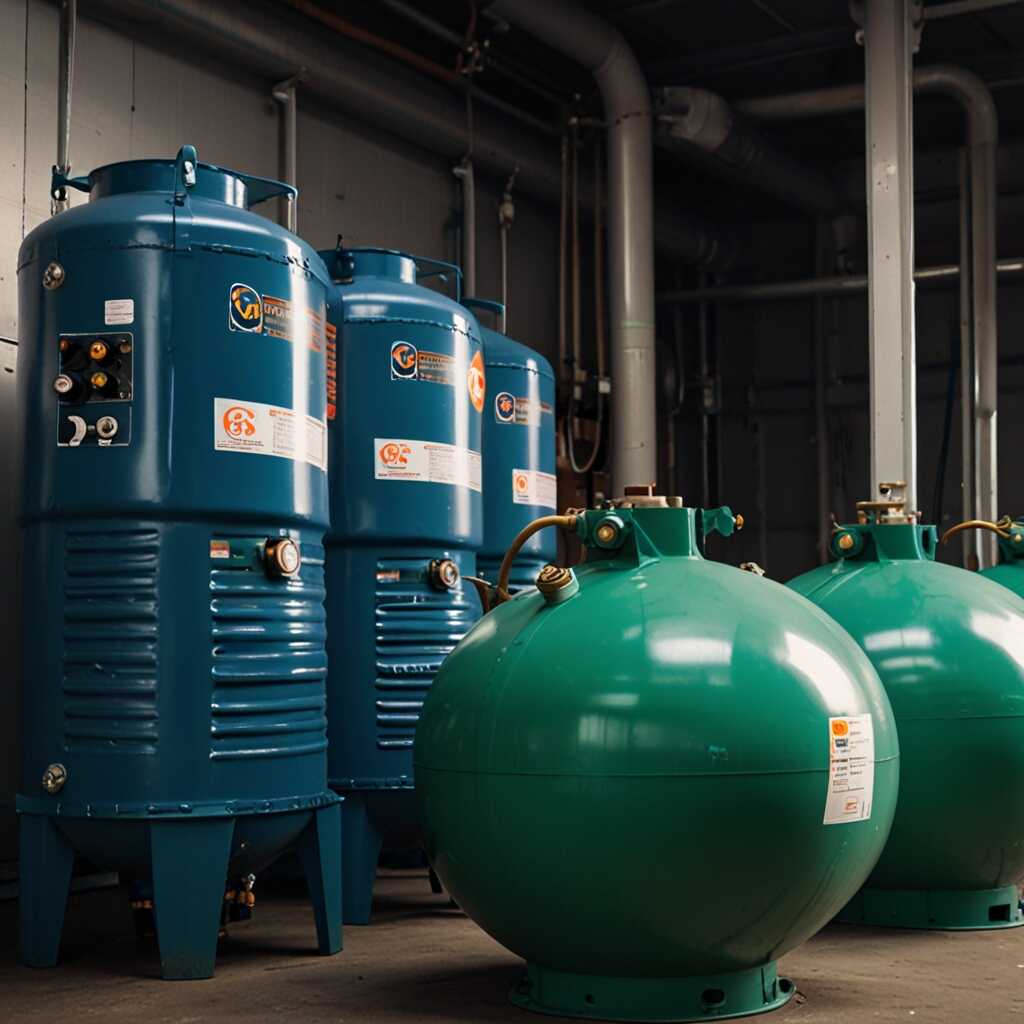
Key Benefits of High-Pressure Recovery Machines for Modern Systems
The primary benefits of high-pressure recovery machines include significantly reduced recovery time, improved refrigerant purity, and enhanced technician safety. These machines complete recovery operations in considerably less time than standard units, particularly beneficial when servicing large commercial systems or multiple residential units. The time savings directly translate to increased productivity and reduced labor costs for HVAC service companies. Advanced filtration systems ensure recovered refrigerant meets purity standards, potentially allowing for refrigerant reclamation and reuse.
Safety advantages stem from built-in protection features that prevent over-pressurization and automatic shut-off mechanisms that activate when recovery is complete. Refrigerant recovery machines have several features that protect both technicians and equipment from potential hazards. These safety features become particularly important when working with high-pressure refrigerants that can cause serious injury if improperly handled.
Environmental and Economic Advantages
Environmental benefits extend beyond regulatory compliance to include significant reductions in refrigerant emissions. High-pressure recovery machines achieve more complete refrigerant extraction, minimizing the amount released to atmosphere during service operations. This comprehensive recovery capability proves especially important for high-GWP (Global Warming Potential) refrigerants common in modern HVAC systems. Economic advantages include reduced refrigerant replacement costs, faster job completion times, and the ability to service a wider range of equipment with a single recovery machine.
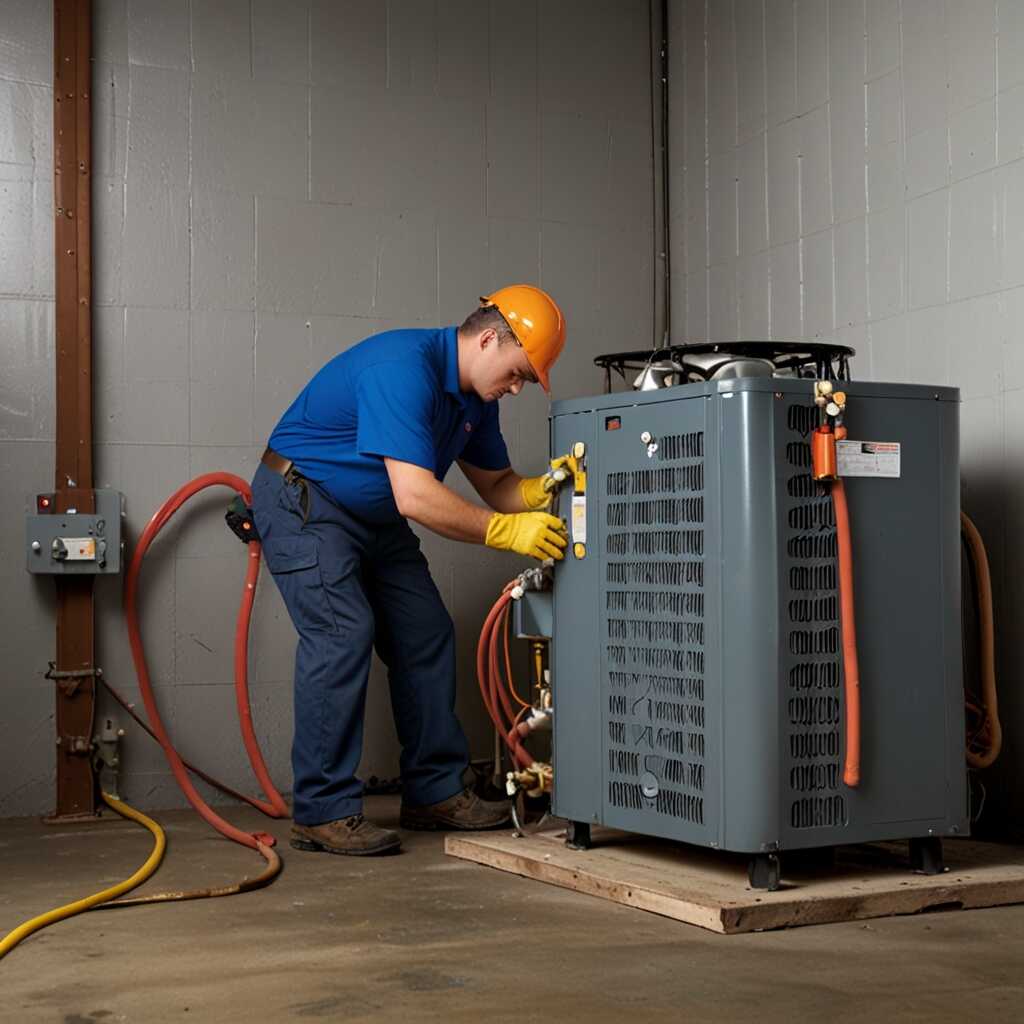
Understanding Recovery Speed Impact on System Efficiency
Recovery speed directly affects overall HVAC system efficiency and service quality. High-pressure refrigerant recovery machines deliver impressive results by minimizing system downtime during maintenance procedures. Faster recovery means systems return to operation sooner, reducing inconvenience for building occupants and maintaining comfortable conditions. The relationship between recovery speed and system efficiency becomes particularly evident in critical applications like data centers or medical facilities where HVAC downtime must be minimized.
Technical factors influencing recovery speed include the machine’s CFM rating, internal volume, and heat dissipation capabilities. High-pressure machines typically feature enhanced cooling systems that maintain optimal operating temperatures even during continuous use. This thermal management ensures consistent recovery rates throughout the entire process, preventing the performance degradation common in standard recovery units during extended operations. Ensuring a reliable and fast recovery process requires selecting equipment matched to specific application requirements.
Optimizing Recovery Operations for Maximum Efficiency
Technicians can optimize recovery operations through proper equipment setup and maintenance procedures. Pre-evacuation of recovery cylinders, regular filter changes, and proper hose purging all contribute to maintaining peak recovery speeds. Understanding the relationship between ambient conditions and recovery performance helps technicians adjust their procedures accordingly. For instance, recovery operations perform best when recovery cylinders are kept cool, as this maintains the pressure differential necessary for efficient refrigerant transfer.
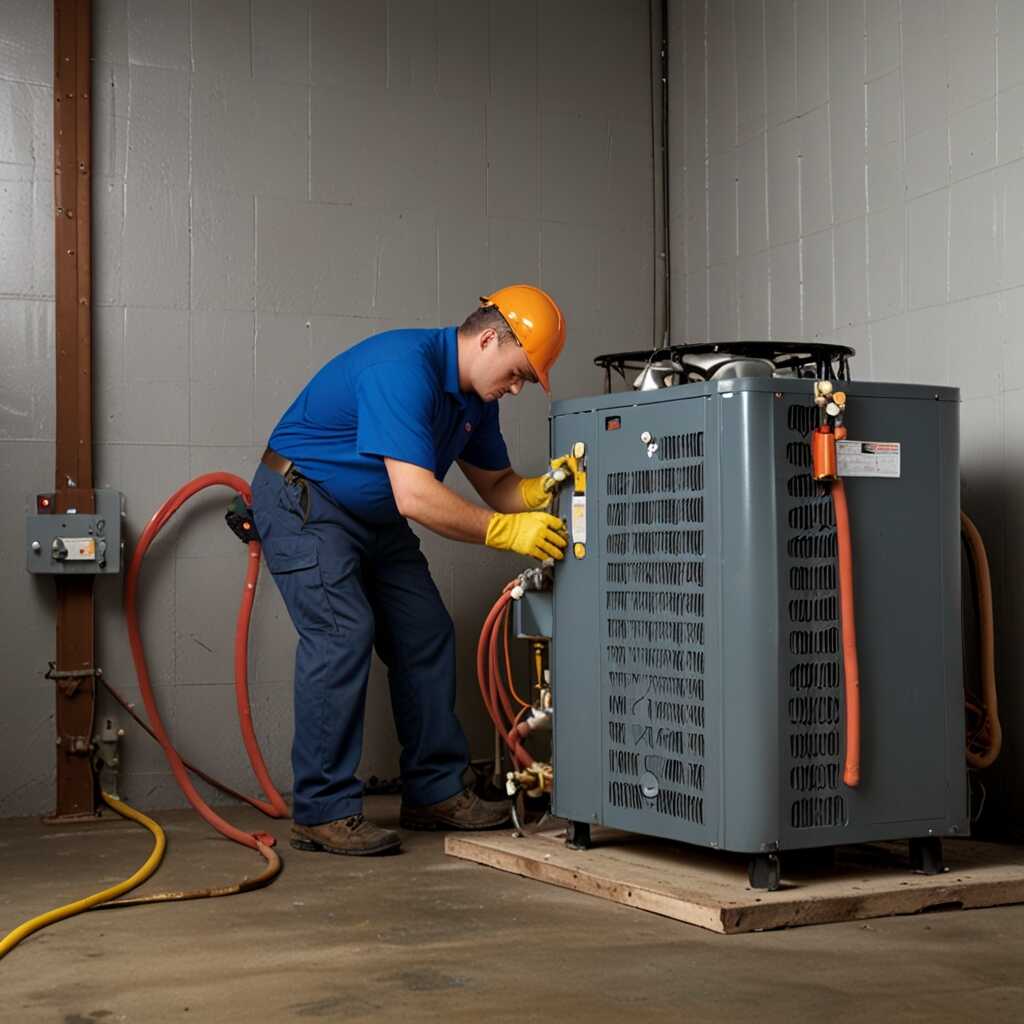
Technical Specifications and Features of Modern Recovery Machines
Modern high-pressure recovery machines incorporate advanced technical features that distinguish them from earlier models. Microprocessor-controlled operations enable precise monitoring of recovery parameters, including real-time flow rates, accumulated refrigerant weight, and system pressures. Variable-speed compressors adjust their output based on system conditions, optimizing energy consumption while maintaining recovery performance. These intelligent systems also include self-diagnostic capabilities that alert technicians to potential maintenance needs before failures occur.
Construction materials play a crucial role in machine durability and performance. High-grade aluminum heat exchangers provide excellent thermal transfer while resisting corrosion from moisture and acidic contaminants. Reinforced steel frames protect internal components during transport and jobsite use. This type of recovery equipment significantly enhances workplace safety through stability features and ergonomic designs. Oil-less compressor designs eliminate contamination concerns while reducing maintenance requirements.
Comparing High-Pressure and Standard Recovery Equipment
The performance differential between high-pressure and standard recovery equipment becomes apparent across several metrics. High-pressure machines typically achieve recovery rates exceeding those of standard units by substantial margins, particularly when working with newer refrigerants. Pressure handling capabilities represent the most obvious difference, with high-pressure units safely managing system pressures that would damage standard equipment. Refrigerant recovery machines allow for quicker completion of service tasks while maintaining safety standards.
Durability comparisons reveal high-pressure machines generally feature more robust construction and longer service intervals. While initial investment costs exceed those of standard units, the enhanced capabilities and extended service life often justify the price differential for professional technicians. The ability to service both standard and high-pressure systems with a single machine provides operational flexibility that proves valuable in diverse service environments.
Evaluating Cost-Effectiveness and ROI for High-Pressure Machines
Cost-effectiveness analysis of high-pressure recovery machines must consider multiple factors beyond initial purchase price. These factors include recovery speed improvements, reduced refrigerant losses, lower maintenance costs, and expanded service capabilities. Professional HVAC contractors often find that time savings alone justify the investment, as faster recovery enables more daily service calls. The comprehensive price analysis shows various models offer different value propositions based on specific business needs.
Return on investment calculations should incorporate both direct and indirect benefits. Direct benefits include reduced labor costs and increased billable hours, while indirect benefits encompass improved customer satisfaction and expanded service offerings. Many contractors report that high-pressure recovery machines pay for themselves within the first year through increased efficiency and the ability to take on more complex, higher-paying commercial service contracts. Warranty coverage and manufacturer support also factor into long-term cost considerations.
Key Investment Considerations for HVAC Professionals
When evaluating high-pressure recovery machines, technicians should prioritize features that align with their service requirements. Portability matters for technicians servicing multiple locations daily, while stationary shop operations might prioritize recovery speed over weight. Certification standards, particularly EPA and UL approvals, ensure equipment meets regulatory requirements. High-pressure refrigerant recovery machines in HVAC applications require careful selection based on refrigerant types commonly serviced and typical system sizes encountered.
Real-World Applications and Performance Results
Field applications demonstrate the practical advantages of high-pressure recovery machines across various HVAC scenarios. Commercial refrigeration systems in supermarkets benefit from rapid recovery capabilities when servicing large refrigerant charges. One documented application involved recovering over 300 pounds of R-404A from a supermarket refrigeration rack in less than two hours using a high-pressure recovery machine, compared to estimated recovery times exceeding four hours with standard equipment. The equipment reduced the refrigerant recovery time while maintaining safe operating conditions throughout the process.
Industrial applications showcase even more dramatic efficiency improvements. Chemical processing facilities using large centrifugal chillers require recovery equipment capable of handling substantial refrigerant volumes at elevated pressures. High-pressure recovery machines enable maintenance teams to complete planned shutdowns within allocated timeframes, minimizing production interruptions. Data center cooling systems represent another critical application where rapid recovery capabilities prove essential for maintaining uptime requirements.
Performance Metrics from Field Operations
Performance data from field operations reveals consistent advantages across multiple metrics. Recovery completion times show significant reductions compared to standard equipment, with improvements varying based on system size and refrigerant type. Refrigerant recovery machines improve performance efficiency particularly in time-sensitive service situations. Refrigerant purity levels consistently meet or exceed reclamation standards when using high-pressure machines with appropriate filtration systems.
Customer satisfaction metrics improve when service times decrease, leading to increased repeat business and positive referrals. Technicians report reduced physical strain from shorter recovery operations, contributing to improved job satisfaction and reduced injury risk. These real-world benefits extend beyond simple performance specifications to encompass broader operational advantages that enhance overall business success.
Future Developments in Recovery Technology
Emerging technologies promise continued improvements in refrigerant recovery capabilities. IoT-enabled recovery machines now offer remote monitoring capabilities, allowing service managers to track equipment utilization and schedule preventive maintenance proactively. New refrigerant recovery machine models incorporate artificial intelligence algorithms that optimize recovery parameters based on detected refrigerant types and system conditions.
Alternative refrigerants with varying pressure-temperature relationships drive continued evolution in recovery machine design. Manufacturers develop equipment capable of handling both current and anticipated future refrigerants, ensuring long-term utility for their customers. Enhanced safety features, including automated leak detection and emergency shutdown systems, address growing concerns about technician safety and environmental protection. Refrigerant recovery machines now include features that adapt to changing industry requirements and regulatory standards.
Preparing for Next-Generation Refrigerants
The transition to low-GWP refrigerants introduces new challenges for recovery equipment design. Many alternative refrigerants operate at different pressure ranges than traditional options, requiring recovery machines with broader operational envelopes. Manufacturers respond by developing universal recovery machines capable of handling diverse refrigerant types without compromising performance. Training programs evolve to ensure technicians understand proper procedures for recovering and handling new refrigerant types safely.
Critical Limitations and Considerations
High-pressure recovery machines, despite their advantages, present certain limitations that technicians must understand. Initial investment costs typically range from $3,000 to $8,000 for professional-grade units, making them substantial investments for independent contractors or small service companies. These machines also require regular maintenance, including filter replacements and compressor oil changes, adding to operational costs. Weight and size considerations affect portability, with many high-pressure units weighing between 40 and 80 pounds, potentially limiting their use in confined spaces or rooftop applications.
Technical limitations include reduced efficiency at extreme temperatures, with performance declining significantly below 40°F or above 110°F ambient conditions. Some high-pressure machines struggle with refrigerant blends containing high percentages of non-condensables, requiring additional purging procedures. Electrical requirements often necessitate dedicated circuits or generator power on job sites, as these machines typically draw 10-15 amps during operation. Understanding these limitations helps technicians select appropriate equipment and plan service operations effectively.
Selecting the Right High-Pressure Recovery Machine
Choosing appropriate high-pressure recovery equipment requires evaluating specific service needs and operational requirements. Technicians primarily servicing residential systems might prioritize portability and versatility over maximum recovery speed. Commercial service operations often benefit from larger, faster machines despite reduced portability. Key selection criteria include recovery rate specifications, maximum pressure ratings, refrigerant compatibility, and included accessories such as hoses, gauges, and filter systems.
Brand reputation and support infrastructure significantly impact long-term satisfaction with recovery equipment. Established manufacturers like Bacharach, Yellow Jacket, and Inficon offer comprehensive warranty programs and readily available replacement parts. The warranty coverage details reveal important differences between manufacturers that affect total ownership costs. Certification requirements vary by region, making it essential to verify that selected equipment meets local regulatory standards before purchase.