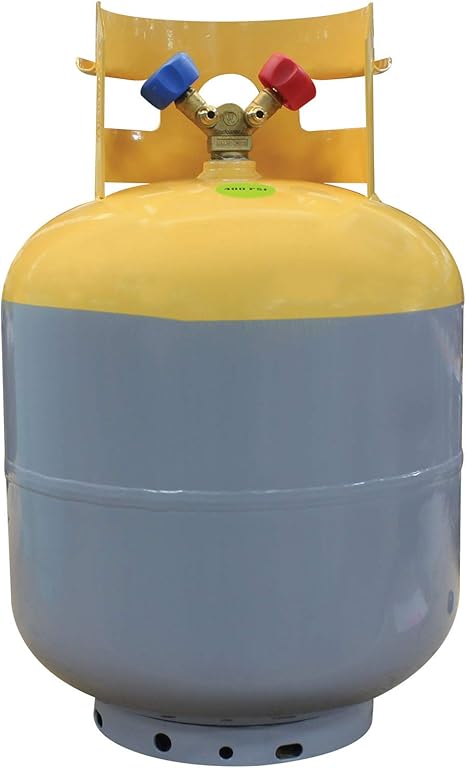
MASTERCOOL 63010 Gray/Yellow Refrigerant Recovery Tank – 50 lb. Capacity
Category: Refrigerant Recovery
Check Current PriceMASTERCOOL 63010 Gray/Yellow Refrigerant Recovery Tank – 50 lb. Capacity offers better safety and controls. MASTERCOOL 63010 includes a Y-valve and pre-charged dry interior. Technicians rely on Refrigerant Recovery tools for compliance and leak-free transfers.
MASTERCOOL 63010 vs 50 lb generic tanks: performance tradeoffs
MASTERCOOL 63010 Gray/Yellow Refrigerant Recovery Tank – 50 lb. Capacity favors fill control and durability over generics. The MASTERCOOL Refrigerant Recovery Tank uses a Y-valve (switches liquid and vapor flow) to cut cross-contamination and speed transfer decisions. Pre-charged cylinders arrive clean and dry, preventing oil and moisture contamination during Refrigerant Recovery. Generics may lack powder-coated finishes, UL-listed valves, and robust collars, increasing the likelihood of field failures.
How do build quality differences affect on-site refrigerant handling?
MASTERCOOL 63010 reduces contamination and overfill incidents. This 63010 cylinder uses a sturdy collar and powder-coated finish for drop and weather resistance. Relevant specifications that change on-site work include:
- Capacity: 50 lb
- Valve type: Y-valve (liquid/vapor selection)
- Openings: 3/4 NPT (accepts 80-fill float switch shut off device); 1/4 air purge valve
- Pre-charged interior: yes; float switch: not included
- Certifications: DOT 4BA400, UL-listed valve & float switch, TC (Canada) and AUS approvals
Technicians gain fewer returns and cleaner recovered refrigerant by using higher-quality cylinders that match these specs. The concrete result is less time spent testing gas purity and fewer contaminated refrigerant returns to suppliers. Following these build-quality cues reduces field service rework and compliance headaches.
Comparing cost, safety, and compliance for 50 lb refrigerant cylinders
MASTERCOOL 63010 Gray/Yellow Refrigerant Recovery Tank – 50 lb. Capacity costs about $144.90, higher than many generic cylinders. Generic 50 lb tanks often retail for $50 to $110, but prices vary by material and certification. The 63010 Refrigerant Recovery Tank delivers UL-listed valves, DOT-4BA400 compliance, and a pre-charged dry interior to reduce contamination. For technicians, the extra spend often lowers liability, saves time on gas-quality checks, and prevents job delays.
What DOT, EPA, and local checks apply to 50 lb cylinders?
DOT requires DOT 4BA400 marking and periodic requalification. EPA mandates certified recovery practices under Section 608 and accurate refrigerant tracking paperwork. Local jurisdictions may require transport placards, spill-response plans, and hazardous materials shipping papers for interstate or commercial transport. Technicians should inspect cylinder neck stamps, hydro-test dates, and valve certifications before every job. When paperwork or markings are missing, prefer a 63010 Refrigerant Recovery Tank with verifiable certifications and document vendor serial numbers.
MASTERCOOL 63010 maintenance, calibration, and field service tips
MASTERCOOL 63010 Gray/Yellow Refrigerant Recovery Tank – 50 lb. Capacity requires routine valve checks and leak tests. Inspect the pre-charged interior, verify hydro-test dates, and keep collars clean to protect threads. Field calibration rarely applies to passive cylinders, but scales and pressure gauges must be calibrated regularly. Following ARI guidelines and UL valve maintenance intervals improves safety and reduces service interruptions.
When should technicians opt for brand-specific cylinders on jobs?
MASTERCOOL 63010 prevents cross-contamination on OEM warranty jobs. Choose branded cylinders when manufacturers require specific recovery hardware for warranty compliance or when handling HFO blends and sensitive oil lubricated systems. Also use them for long-term refrigerant storage, international jobs requiring TC approvals, and regulatory inspections. When branded tanks are unavailable, document serial numbers and perform extra gas-purity and moisture checks before completing the job.
Practical follow-up questions HVAC techs search next
Can I use a generic cylinder on warranty work? Short answer: avoid generics when the OEM specifies branded recovery gear or certifications; otherwise document exceptions. How often must a cylinder be hydro-tested? DOT hydrostatic testing generally occurs every five years for DOT-designated recoverable cylinders, but check the neck stamp for the exact interval. How do I confirm a cylinder is free of oil and moisture? Use weight verification, visual inspection, and a micron or oil/moisture analyzer to validate recovered refrigerant cleanliness before reuse.