
Refrigerant Recovery Pro is reader-supported: some links on this page are affiliate links, and as an Amazon Associate Refrigerant Recovery Pro earns from qualifying purchases at no extra cost to you. Learn more.
Gas Input Pressure for rv tankless water heaters is the amount of gas pressure, measured in inches of water column (in WC), that the unit requires to operate correctly. You must identify your specific gas supply’s pressure because the heater will only function if the supply matches the requirements stated on the unit’s data plate.
Which Gas Input Pressure Suits Your Rv Tankless Water Heater?
| If this is you | The Gas Input Pressure that suits you | Why |
|---|---|---|
| You are connecting to a standard residential propane tank or a low-pressure gas line. | 11 in WC | Most standard mobile and residential propane setups provide a lower pressure that requires a unit designed for 11 in WC. |
| You have a high-pressure propane system or a professional gas hookup. | 14 in WC | Higher output systems require a 14 in WC rating to ensure the burner receives enough fuel to maintain consistent heat. |
| You are using a specialized high-pressure gas source for a large-scale setup. | 15 in WC or higher | Extreme high-pressure requirements are rare in rv tankless water heaters but require specific high-output hardware. |
Products in this category with a full review here
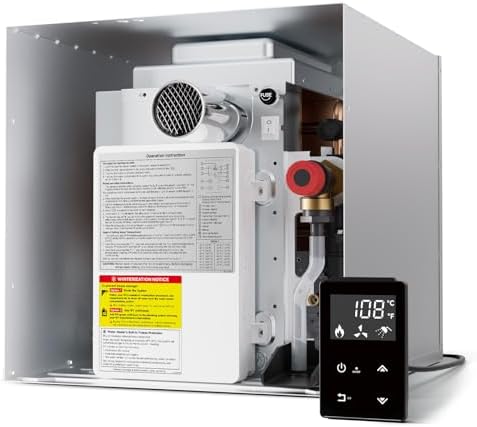
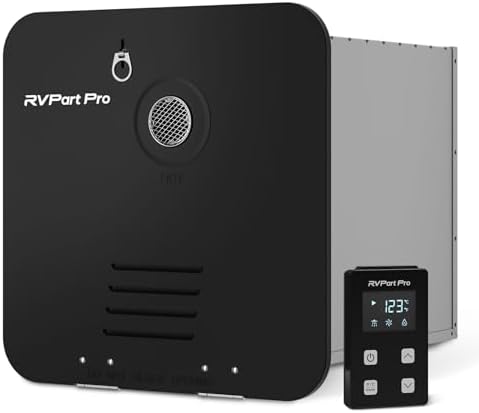
3 options shown here, $265.99 to $349.99, each with its own full review behind its name.
If you plan to travel to mountain regions, see the best rv tankless water heater for high altitude.

How do I measure my gas input pressure before ordering?
To determine the correct gas input pressure for your rv tankless water heater, you must measure the pressure at the point where the heater will be installed. This measurement is typically taken at the regulator or the manifold providing the gas to the unit.
Tools needed to check your gas pressure
You need a manometer, which is a device used to measure the pressure of gases and liquids. A standard manometer allows you to see the exact reading in inches of water column (in WC) to ensure it matches the heater’s requirements.
For those traveling far from utilities, we have a guide on the best rv tankless water heater for off-grid camping.
Where to find the required pressure on the unit
The required gas input pressure for any rv tankless water heater is printed on a metal data plate located on the side or bottom of the unit. This plate lists the required in WC, the BTU output, and the required gas type, such as propane or natural gas.
Ensure the unit fits your space by viewing the rv tankless water heater with 18×18 door options.
Checking your existing gas supply
A buyer first identifies their gas source, such as a 100 lb propane tank or a house line. They then use a manometer to check the pressure at the regulator. If the reading is 11 in WC, they must select an rv tankless water heater rated specifically for 11 in WC.
What happens if the gas input pressure is wrong?
Incorrect gas input pressure for an rv tankless water heater results in the unit failing to ignite, failing to maintain temperature, or shutting down unexpectedly. The way the failure shows up depends on whether the pressure is too low or too high for the specific unit.
Before purchasing, you should learn about the correct input voltage for rv tankless water heaters.
Consequences of low gas input pressure
If the supply pressure is lower than the rv tankless water heater requires, the unit will experience a flame out. This happens because the burner does not receive enough gas to maintain a steady flame, causing the unit to cycle off repeatedly. In use, this looks like the water starting to heat but then turning cold after a few seconds as the unit shuts down to protect itself.
Consequences of high gas input pressure
If the supply pressure exceeds what the rv tankless water heater is rated for, it can cause a dangerous over-pressurization of the burner assembly. This may result in an erratic flame, a loud roaring noise from the unit, or a complete safety lockout. A buyer might notice the unit produces a very large amount of heat but shuts down almost immediately due to a safety sensor detecting an irregular flame pattern.
Make sure your installation is seamless by checking proper door size for rv tankless water heaters.
What to do if my gas pressure falls between two values?
When a buyer’s measured gas pressure falls between two common ratings, such as 12 in WC, they must decide which rv tankless water heater specification to match. Because gas pressure is a safety and performance requirement, you cannot “split the difference” between two different hardware requirements.
It helps to understand the basics by viewing the different types of rv tankless water heaters.
Choosing the lower pressure rating
If your pressure is slightly above a lower rating but below a higher one, you should generally look for a unit that can operate at that lower pressure. Most manufacturers design the internal components to handle a specific range of pressure. If the unit is rated for 11 in WC, it is designed to handle the flow characteristics of that pressure level.
Choosing the higher pressure rating
If your measured pressure is higher than the lower rating but lower than the higher rating, you must verify the manufacturer’s allowable range. If a unit is rated for 14 in WC, it may have a minimum operating pressure of 10 in WC. If your pressure falls within that range, that unit is the correct choice.
Our team has provided a detailed breakdown in our full ORBEK 60,000 BTU Heater review.
When to hire a professional for pressure matching
If the measurement is borderline, a qualified gas technician should perform a secondary check. They can verify if the regulator is providing a steady flow or if there is a pressure drop occurring in the lines. Because improper gas pressure can lead to equipment failure or safety hazards, a professional can confirm that the chosen rv tankless water heater will operate safely in your specific configuration.
For a deep dive into that specific model, see our full InstaShower 8 Plus review.
What to confirm before ordering your rv tankless water heater
Before ordering, you must confirm that your gas supply is compatible with the specific fuel type and pressure of the unit. This involves checking the BTU output of your source against the requirements of the heater to ensure you have enough volume of gas to provide the desired flow rate.
Verifying propane vs natural gas
You must confirm whether your source is propane or natural gas, as the gas input pressure and BTU requirements differ significantly between the two. An rv tankless water heater designed for propane will not function correctly on a natural gas line without a conversion kit or a different model.
You can find a detailed spec breakdown in our full Ranein RAS65-W review.
Why professional installation is required for rv tankless water heaters
Because gas pressure involves safety regulations and specific plumbing requirements, the installation of an rv tankless water heater should be performed by a qualified installer. They will ensure the gas lines are sized correctly to maintain the required in WC at the point of use, preventing pressure drops that could cause the unit to fail.
Every rv tankless water heater guide in this category
- Best RV Tankless Water Heaters for High Altitude
- Off-Grid Camping RV Tankless Water Heaters Compared
- Choosing the Best RV Tankless Water Heater for Travel Trailers
- The RV Tankless Water Heaters That Work Best with Remote Control
- Which RV Tankless Water Heater with a 15×15 Door Is Best?
- Best RV Tankless Water Heaters with 18×18 Door