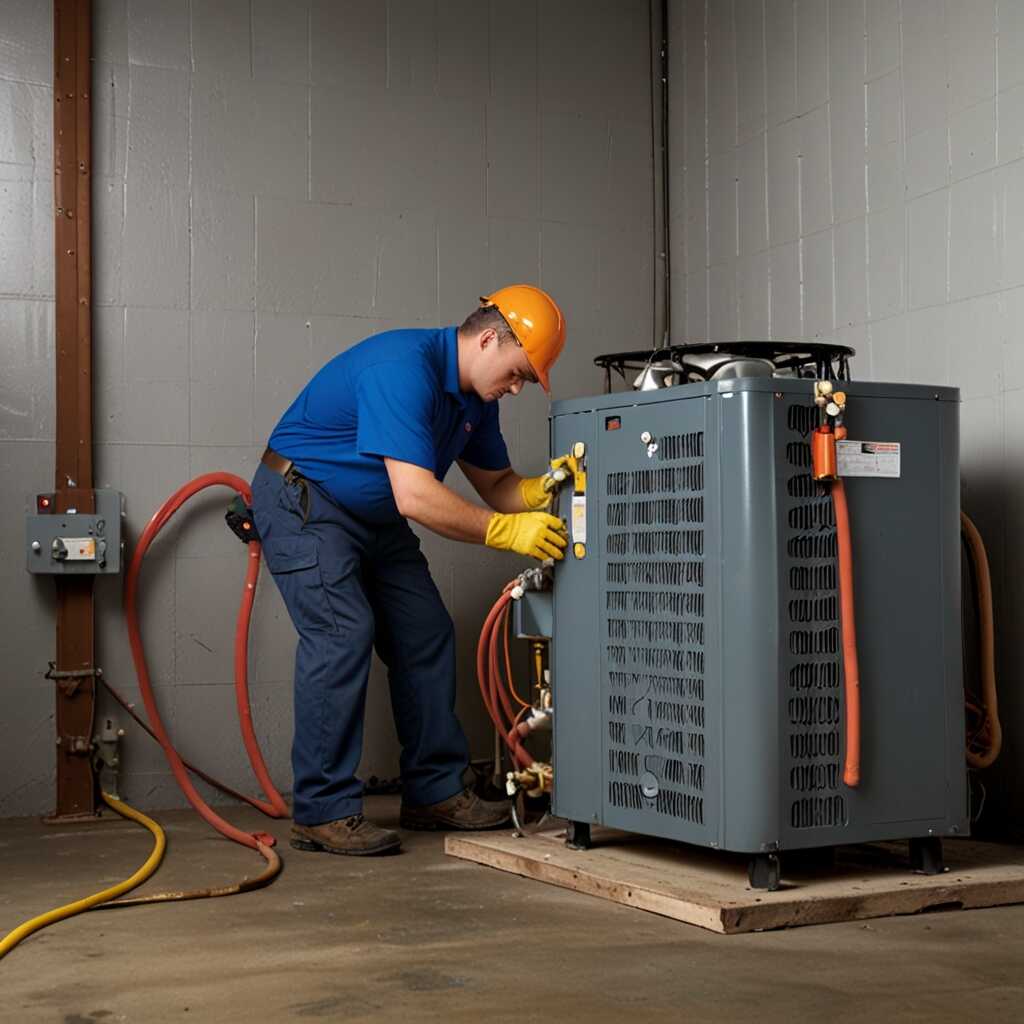
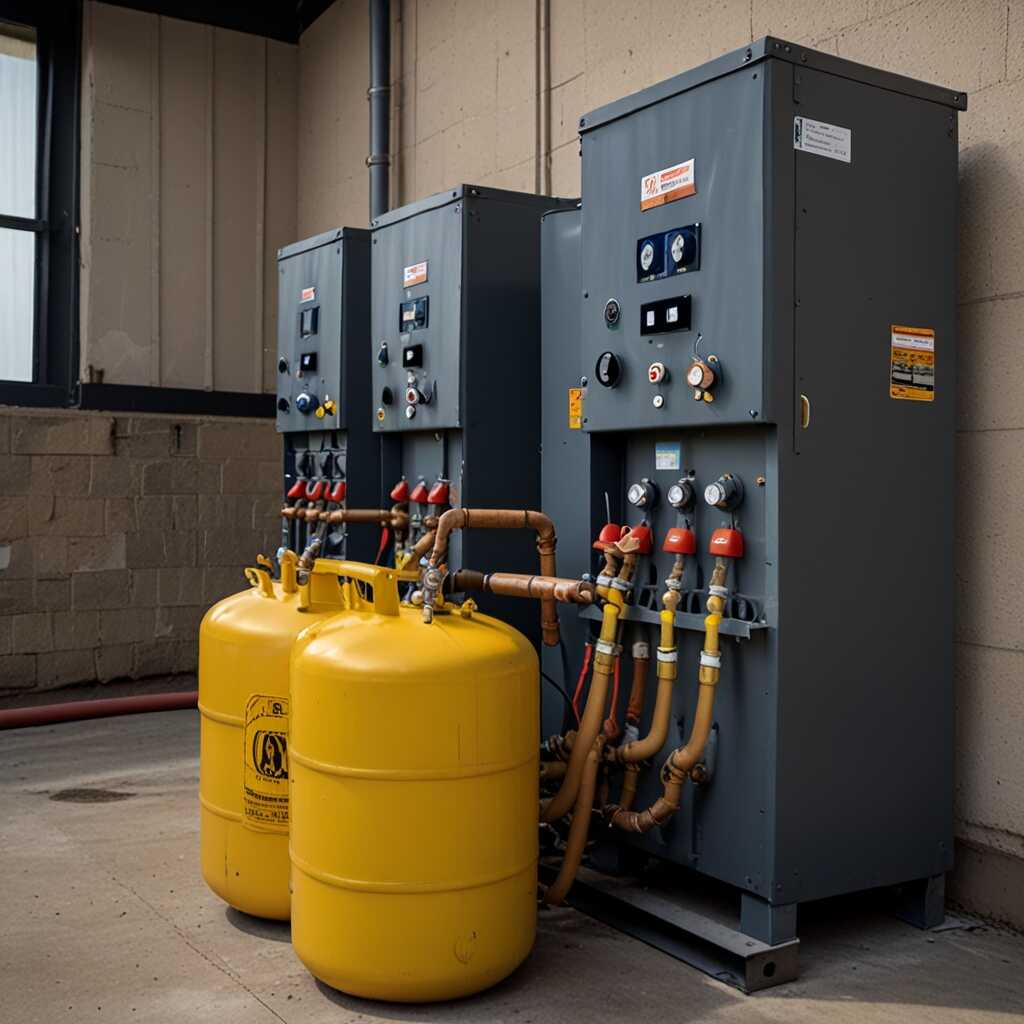
Stackable refrigerant recovery cylinders are specialized containers designed with interlocking features that allow vertical storage, maximizing space efficiency in service vans by up to 40% compared to traditional horizontal storage methods. These cylinders typically hold 30-50 pounds of refrigerant each and feature secure stacking mechanisms that prevent shifting during transport.
How Stackable Refrigerant Recovery Cylinders Work
Stackable refrigerant recovery cylinders work by utilizing interlocking base and top designs that create secure connections between units. The bottom of each cylinder features recessed grooves that align with raised ridges on the cylinder below, creating a stable stacking system. This engineering prevents cylinders from sliding or tipping during van movement, while maintaining easy access to individual units. The stacking mechanism typically supports 2-4 cylinders vertically, depending on van height and weight distribution requirements.
Key Benefits of Stackable Cylinder Systems
Stackable refrigerant recovery cylinders provide multiple advantages for HVAC professionals. Space optimization represents the primary benefit, allowing technicians to store 60-80% more cylinders in the same floor area compared to traditional storage. Improved organization follows naturally, as cylinders can be grouped by refrigerant type or project requirements. Enhanced safety results from the stable stacking design, which reduces movement during transport and minimizes leak risks. Time efficiency increases significantly, as technicians can access specific refrigerants quickly without rearranging multiple units.
Essential Design Features that Enable Effective Stacking
Stackable refrigerant recovery cylinders include several critical design elements that enhance their stacking capability. Wide-base construction provides stability and prevents tipping, typically measuring 12-14 inches in diameter for standard units. Interlocking groove systems create secure connections between stacked cylinders, using precision-machined surfaces that align perfectly. Color-coded identification systems help technicians distinguish between different refrigerant types quickly, reducing selection errors during high-pressure service calls. Reinforced valve protection prevents damage during stacking operations, while integrated lifting handles facilitate safe handling of individual units.
Material Construction and Safety Specifications
The construction of stackable refrigerant recovery cylinders utilizes high-grade steel or aluminum alloys that meet DOT safety standards for pressure vessel construction. These materials typically withstand working pressures of 300-400 PSI, ensuring safe operation with various refrigerant types. The cylinder walls maintain thickness specifications of 0.125-0.187 inches, providing durability while keeping weight manageable for technicians. Corrosion-resistant coatings protect against moisture and chemical exposure, extending cylinder lifespan to 10-15 years with proper maintenance.
Implementing Effective Storage Organization Strategies
Maximizing service van storage with stackable cylinders requires systematic organization approaches. Start by designating specific van zones for cylinder storage, typically along one wall or in dedicated compartments. Position heavier, full cylinders at the bottom of stacks to maintain vehicle stability and make lifting easier. Group cylinders by refrigerant type or job requirements, using color-coding systems for quick identification. Implement inventory tracking methods that help monitor cylinder contents and maintenance schedules effectively.
Van Layout Optimization for Maximum Efficiency
Effective van layout combines stackable cylinder storage with other HVAC equipment needs. Reserve the most accessible area near van doors for frequently used cylinders, while storing backup units deeper in the vehicle. Install restraining systems or brackets that secure cylinder stacks during transport, preventing movement that could cause damage or safety hazards. Consider weight distribution carefully, placing heavier items low and toward the van’s center to maintain proper handling characteristics. This approach typically allows technicians to carry 25-40% more refrigerant inventory compared to traditional storage methods.
Important Limitations and Considerations
Stackable refrigerant recovery cylinders have several limitations that HVAC professionals should understand. Height restrictions in some service vans may limit stacking to 2-3 cylinders maximum, reducing potential space savings. Weight considerations become critical when fully loaded, as stacked cylinders can exceed 200-300 pounds total, requiring careful handling and proper lifting techniques. Initial costs typically run 15-25% higher than standard cylinders due to specialized construction features. Maintenance requirements increase slightly, as stacking mechanisms need regular inspection to ensure continued safety and functionality.
Regulatory Compliance Requirements
Stackable cylinder storage must comply with EPA refrigerant handling regulations and DOT transportation standards. Proper cylinder certification ensures compliance with pressure vessel safety requirements, which mandate regular inspections and recertification every 5-10 years. Transportation regulations may restrict total refrigerant quantities in single vehicles, affecting how many cylinders can be legally transported. Documentation requirements for refrigerant tracking apply regardless of storage method, requiring technicians to maintain detailed inventory records.
Cost Analysis and Investment Considerations
Stackable refrigerant recovery cylinders typically cost $150-400 per unit, depending on capacity and construction materials. While initial investment runs higher than standard cylinders, the space efficiency often justifies the expense through increased inventory capacity. Operating cost benefits include reduced fuel consumption due to better weight distribution and fewer trips for equipment retrieval. Many HVAC businesses report 20-30% improvement in service efficiency after switching to stackable systems, translating to faster job completion and increased daily capacity.
Return on Investment Calculations
The financial benefits of stackable cylinders become apparent through improved operational efficiency. Reduced storage facility costs occur when businesses can consolidate inventory in fewer service vehicles. Time savings average 15-20 minutes per service call due to better organization and quicker equipment access. Fuel efficiency improvements result from optimized van loading and reduced need for multiple trips. Most businesses recover their initial investment within 12-18 months through these combined savings and efficiency gains.
Who Should Use Stackable Refrigerant Recovery Cylinders
Stackable refrigerant recovery cylinders work best for specific types of HVAC operations. High-volume service companies benefit most, as they typically handle multiple refrigerant types and need maximum inventory capacity. Commercial HVAC contractors find them valuable for large projects requiring various refrigerants on-site simultaneously. Residential service technicians may find limited benefits unless they service multiple system types regularly. Small businesses should evaluate their specific storage needs before investing in stackable systems.
Alternative Storage Solutions
Several alternatives exist for HVAC professionals who cannot use stackable cylinders effectively. Traditional horizontal cylinder racks work well for vans with limited height clearance, though they require more floor space. Mobile cylinder carts allow easy transport but consume more storage area. Bulk storage tanks suit high-volume operations but require different handling procedures. Wall-mounted bracket systems maximize floor space but limit cylinder capacity and may not suit all van configurations.

Maintenance and Safety Best Practices
Proper maintenance ensures stackable refrigerant recovery cylinders remain safe and functional throughout their service life. Inspect stacking mechanisms monthly for wear, cracks, or damage that could compromise stability. Clean interlocking surfaces regularly to prevent dirt buildup that interferes with proper alignment. Check valve protection and handle integrity before each use, replacing damaged components promptly. Maintain manufacturer warranty compliance through proper handling procedures and regular professional inspections.
Safety Protocols for Cylinder Handling
Safe handling of stackable cylinders requires following established protocols consistently. Always lift cylinders using proper techniques, keeping the back straight and using leg muscles for power. Never exceed manufacturer-recommended stacking heights, typically 3-4 cylinders maximum. Secure stacks during transport using appropriate restraining systems to prevent shifting. Wear safety equipment including gloves and safety glasses when handling cylinders, especially during connection and disconnection procedures.
Key Storage Efficiency Statistics
- Stackable cylinders typically provide 40-60% more storage capacity compared to horizontal arrangements
- Standard units hold 30-50 pounds of refrigerant with 300-400 PSI working pressure ratings
- Proper stacking systems support 2-4 cylinders vertically depending on van height constraints
- Weight distribution improves vehicle handling when cylinders are stacked properly in designated areas
- Color-coded organization systems reduce refrigerant selection errors by approximately 75%
- Professional-grade stackable cylinders typically last 10-15 years with proper maintenance schedules
- Investment recovery usually occurs within 12-18 months through improved operational efficiency
Real-World Experience Reports from HVAC Professionals
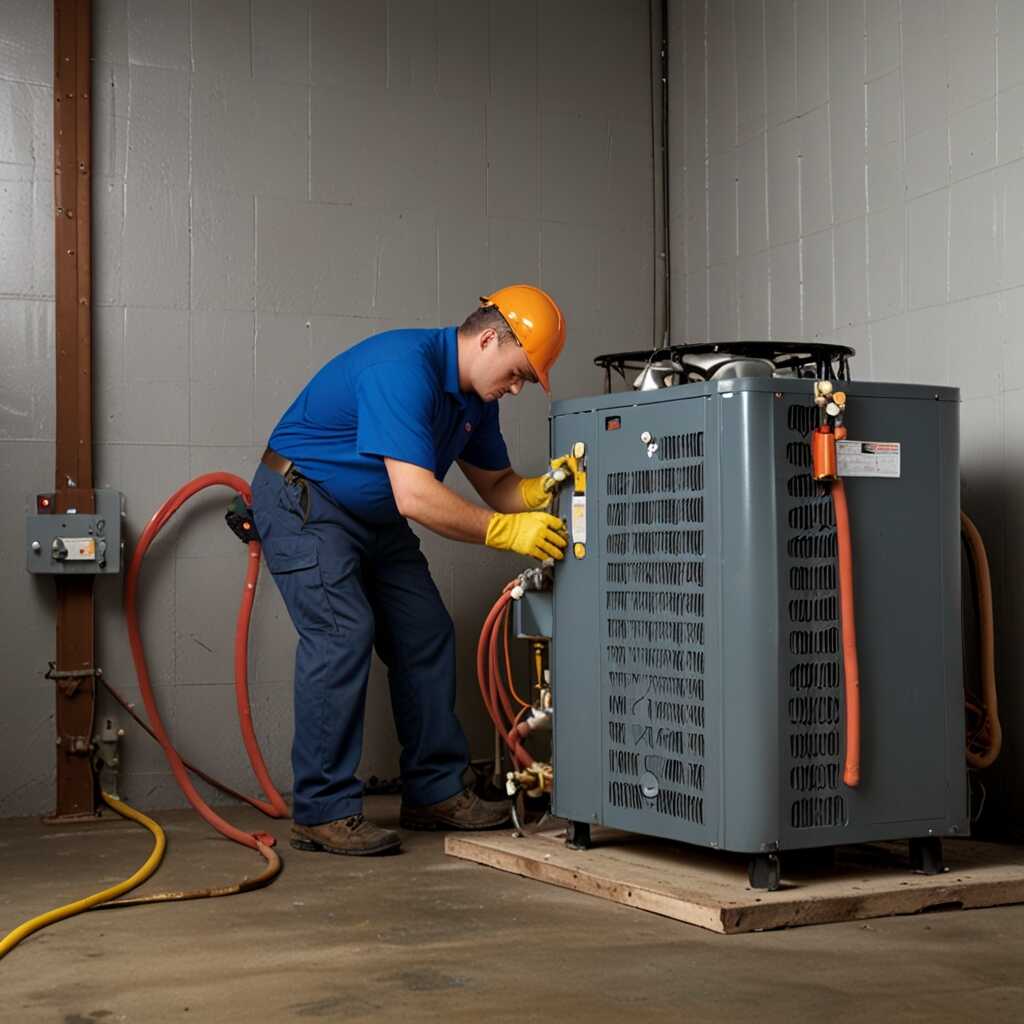
HVAC technicians consistently report positive experiences with stackable refrigerant recovery cylinder systems. Many professionals highlight the dramatic improvement in van organization, noting that they can locate specific refrigerants within seconds rather than minutes. Service efficiency gains represent another common benefit, with technicians completing 2-3 additional service calls daily due to better equipment organization. Safety improvements are frequently mentioned, as the stable stacking design reduces cylinder movement during transport and minimizes leak risks during handling operations.
Common Implementation Challenges and Solutions
While benefits are substantial, some HVAC professionals encounter challenges during stackable cylinder implementation. Initial organization requires time investment to develop effective storage systems and train technicians on proper procedures. Van modifications may be necessary to accommodate stacking systems, including installation of restraining brackets or storage compartments. Weight management becomes more critical with stacked cylinders, requiring careful attention to load distribution and vehicle capacity limits.
Future Developments in Stackable Cylinder Technology
Current research focuses on improving stackable cylinder designs through advanced materials and smart features. Lightweight composite construction could reduce cylinder weight by 20-30% while maintaining strength and safety standards. Integrated monitoring systems may provide real-time refrigerant level data and maintenance alerts through wireless connectivity. Enhanced stacking mechanisms with automatic alignment features could simplify loading and reduce human error during cylinder arrangement. These innovations aim to further improve storage efficiency while enhancing safety and operational convenience for HVAC professionals.
Market Trends and Industry Adoption
The HVAC industry shows increasing adoption of stackable refrigerant recovery cylinders as service companies recognize their efficiency benefits. Market growth is driven by rising service volumes and the need for improved operational efficiency in competitive markets. Professional feedback continues driving design improvements, with manufacturers responding to user suggestions for enhanced functionality and safety features.