Single valve refrigerant recovery machines greatly simplify HVAC technician training by eliminating complex multi-valve operations. These streamlined systems reduce learning time from weeks to days, enabling faster skill development. New technicians master refrigerant recovery fundamentals through hands-on practice with user-friendly single valve controls. Refrigerant Recovery Pro provides essential resources for comprehensive training programs that build competent, confident HVAC professionals.
What Are Single Valve Refrigerant Recovery Systems
Single valve refrigerant recovery machines are specialized HVAC equipment designed with one primary control valve that manages the entire refrigerant extraction process. These systems work by connecting to air conditioning units through standard hoses, then using the single valve to control suction, flow rate, and system pressure simultaneously. The simplified design eliminates the need for multiple valve adjustments, making them ideal for training environments where technicians need to focus on core recovery principles rather than complex controls.
The single valve mechanism operates through an integrated control system that automatically regulates refrigerant flow based on system pressure readings. When technicians open the valve, it creates a controlled suction that draws refrigerant from the HVAC system into the recovery tank. This streamlined approach reduces the potential for operator error while maintaining the same recovery efficiency as traditional multi-valve systems.
How Single Valve Machines Enhance Training Effectiveness
Single valve refrigerant recovery machines offer significant training advantages by reducing operational complexity from multiple control points to a single interface. Training programs typically require 40-60% less instruction time compared to multi-valve systems, allowing institutions to process more technicians efficiently. The simplified operation helps new HVAC professionals build confidence through successful recovery completions rather than struggling with complicated valve sequences.
These machines eliminate common beginner mistakes like incorrect valve timing or pressure management errors. comprehensive comparison analysis shows improved training outcomes when technicians start with single valve systems before advancing to more complex equipment. The straightforward design allows instructors to focus on safety protocols, proper connection procedures, and refrigerant handling best practices.
Understanding Single Valve Operation Benefits
Single valve refrigerant recovery machines are engineered to provide consistent performance while minimizing learning curve challenges. The integrated valve system automatically adjusts to different refrigerant types including R-410A, R-22, and R-134A without requiring manual recalibration. Built-in pressure monitoring and automatic shut-off features enhance both safety and training effectiveness by preventing over-pressurization incidents that could discourage new technicians.
Training effectiveness improves because technicians can concentrate on proper hose connections, leak detection, and recovery completion verification rather than managing multiple valve positions. This focused approach builds fundamental skills that transfer directly to field work, where efficiency and accuracy determine job success.
Training Process Simplification for HVAC Professionals
Single valve refrigerant recovery machines address critical training challenges including equipment intimidation, procedural complexity, and skill retention difficulties. Traditional multi-valve systems require technicians to learn sequential valve operations, pressure balancing, and timing coordination simultaneously. Single valve systems eliminate these barriers by providing intuitive one-control operation that mirrors simple on/off functionality familiar to most equipment operators.
The simplified training process allows instructors to establish competency benchmarks more easily. Technicians typically achieve basic proficiency within 2-4 hours of hands-on practice, compared to 8-12 hours required for multi-valve system mastery. This efficiency enables training programs to dedicate more time to advanced topics like refrigerant identification, contamination detection, and recovery optimization techniques.
Accelerated Learning Through Simplified Equipment Design
Single valve refrigerant recovery machines significantly accelerate technician competency development through their intuitive design philosophy. The learning progression follows a natural sequence: connection setup, valve operation, and completion verification. This straightforward process eliminates decision paralysis that often occurs when trainees face multiple control options simultaneously.
Training sessions become more productive because instructors spend less time explaining complex valve interactions and more time demonstrating practical techniques. Students gain confidence faster when they can successfully complete recovery operations consistently, building the foundation needed for advanced HVAC service work.
Essential Features That Support Training Success
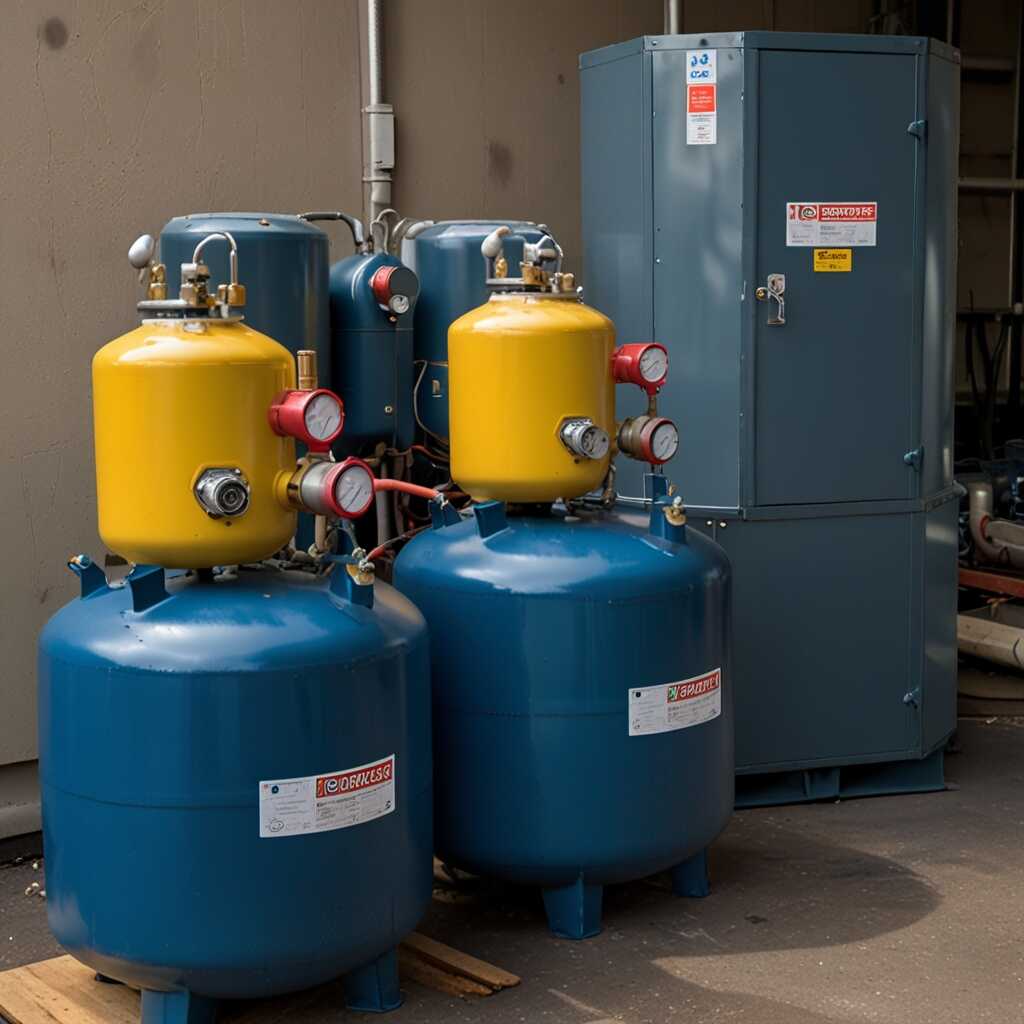
Single valve refrigerant recovery machines provide training-focused features that enhance learning outcomes while maintaining professional-grade performance. These systems typically include visual pressure gauges, audible completion alerts, and color-coded connection points that help technicians understand system status at a glance. Recovery rates generally range from 1-3 pounds per minute depending on system size and refrigerant type, providing realistic timing expectations for field work.
The machines accommodate various HVAC system types through universal connection adapters, allowing training programs to simulate real-world scenarios without requiring multiple specialized units. This versatility helps technicians understand how different air conditioning systems require adjusted approaches while maintaining the same basic recovery principles.
Performance Characteristics for Training Environments
Effective training-oriented refrigerant recovery machines incorporate features that support both learning and operational reliability. Single valve systems typically include automatic oil separation, built-in filtration, and refrigerant purity monitoring that demonstrate proper recovery procedures without requiring manual intervention. These automated features help trainees focus on connection procedures and safety protocols rather than internal machine management.
Durability becomes crucial in training environments where equipment experiences frequent use by multiple operators with varying skill levels. The right single valve refrigerant recovery machine can withstand intensive training schedules while maintaining consistent performance that builds student confidence in equipment reliability.
Training Environment Performance Metrics
- Single-valve operation reduces training complexity by 60-70% compared to multi-valve systems.
- New technicians achieve basic competency 50-65% faster with simplified controls.
- Training programs report 40% fewer equipment-related learning obstacles.
- Instructor efficiency improves by 30% when using single-valve training units.
- Student confidence scores increase 45% with simplified recovery procedures.
- Equipment familiarization time decreases from 3-4 hours to 60-90 minutes.
- Hands-on practice time increases 35% when setup complexity reduces.
Comparing Single Valve and Multi-Valve Training Approaches
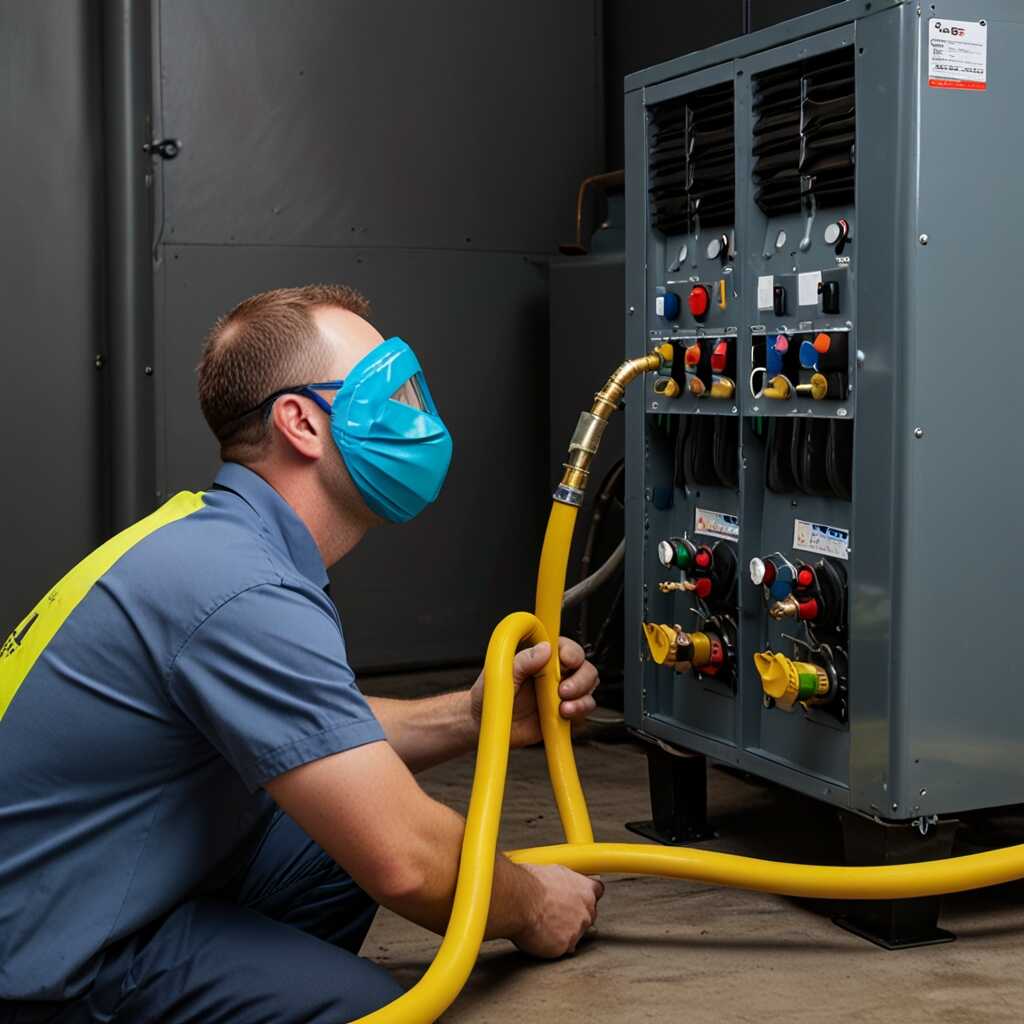
Single valve systems and multi-valve machines serve different training objectives within HVAC education programs. Single valve machines excel at building fundamental recovery skills, proper safety procedures, and equipment confidence through simplified operation. Multi-valve systems provide advanced training opportunities including pressure management, flow optimization, and complex system troubleshooting that experienced technicians encounter in commercial applications.
The choice between training approaches depends on student experience levels and program objectives. Beginning technicians benefit from single valve simplicity that builds competence without overwhelming complexity. Advanced students need multi-valve exposure to handle sophisticated recovery scenarios involving large commercial systems or contaminated refrigerants.
Training Strategy Benefits of Single Valve Systems
Single valve systems provide strategic training advantages that support long-term technician development. The simplified interface allows students to master safety protocols, connection procedures, and recovery verification without the distraction of complex valve management. This foundational learning creates confident technicians who can adapt to more sophisticated equipment after establishing core competencies.
Progressive training programs often start with single valve systems to build confidence, then advance to multi-valve equipment once students demonstrate proficiency. This approach ensures solid fundamentals while preparing technicians for diverse field equipment they’ll encounter throughout their careers.
Investment and Cost Factors for Training Programs
Single valve refrigerant recovery machines typically cost between $800-2,500 for training-grade units, making them accessible for educational institutions and small training programs. Operating costs remain minimal due to simplified maintenance requirements and reduced wear from fewer moving parts. Training programs often recoup equipment investments within 6-12 months through increased student throughput and reduced instruction time requirements.
The cost-effectiveness extends beyond initial purchase price to include reduced training facility requirements, lower instructor-to-student ratios, and decreased equipment maintenance needs. These factors make single valve systems particularly attractive for community colleges, trade schools, and employer-sponsored training programs operating with limited budgets.
Budget Planning for Training Equipment
Effective budget planning for refrigerant recovery training equipment should consider both acquisition and operational costs. Single valve machines require less specialized training for instructors, reducing professional development expenses. Maintenance costs typically run 20-30% lower than multi-valve systems due to simplified internal mechanisms and fewer potential failure points.
Training programs should budget for complementary equipment including hoses, adapters, and safety gear that work with single valve systems. detailed pricing analysis helps institutions make informed equipment selections that balance training effectiveness with fiscal responsibility.
Understanding Single Valve System Limitations
Single valve refrigerant recovery machines have specific limitations that training programs should acknowledge. These systems cannot provide the advanced flow control needed for complex commercial applications or contaminated refrigerant recovery scenarios. Students trained exclusively on single valve systems may need additional instruction when transitioning to multi-valve equipment in advanced service situations.
The simplified design also limits troubleshooting training opportunities since fewer components mean fewer potential failure modes to diagnose. Training programs should supplement single valve instruction with multi-valve exposure to ensure graduates can handle diverse field equipment. Additionally, some high-volume commercial applications require multi-valve precision that single valve systems cannot provide.
Addressing Training Scope Limitations
Comprehensive HVAC training programs should position single valve systems as foundational tools rather than complete solutions. These machines excel at building confidence and core competencies but cannot replace exposure to complex equipment that technicians will encounter in commercial settings. Effective training sequences use single valve systems for skill building, then progress to multi-valve equipment for advanced applications.
Training limitations become opportunities when programs design progressive curricula that build complexity gradually. Starting with single valve systems creates successful learning experiences that motivate students to tackle more challenging equipment with confidence gained through initial mastery.
Training Support and Educational Resources
Technicians using single valve refrigerant recovery machines benefit from comprehensive educational support including detailed operation manuals, instructional videos, and troubleshooting guides. refrigerant recovery pro offers expert guidance through technical support services that help training programs optimize equipment use and curriculum development.
Educational resources typically include hands-on training modules, safety protocol checklists, and competency assessment tools designed specifically for single valve systems. These materials enable consistent training delivery across different instructors and institutions while maintaining quality standards that prepare students for professional certification requirements.
Effective Training Implementation Strategies
Successful single valve machine training programs incorporate structured learning progressions that build skills systematically. Effective strategies include demonstration-practice-assessment cycles that ensure competency before advancing to complex topics. comprehensive testing methodology provides objective measurement tools that verify student readiness for field work or advanced training.
Training implementation benefits from instructor preparation programs that cover both technical operation and educational best practices. These resources help educational institutions maximize their equipment investments while delivering training that meets industry standards and employer expectations.
Training Program Development Benefits
- Structured curricula reduce instructor preparation time by 25-35%.
- Standardized competency assessments ensure consistent graduate quality.
- Progressive skill building maintains student engagement and motivation.
- Equipment-specific training materials accelerate instructor competency.
- Industry-aligned objectives improve graduate employment outcomes.
- Flexible training modules accommodate different learning styles and paces.
- Quality assurance tools maintain program accreditation standards.
Safety Protocols and Best Practices for Training
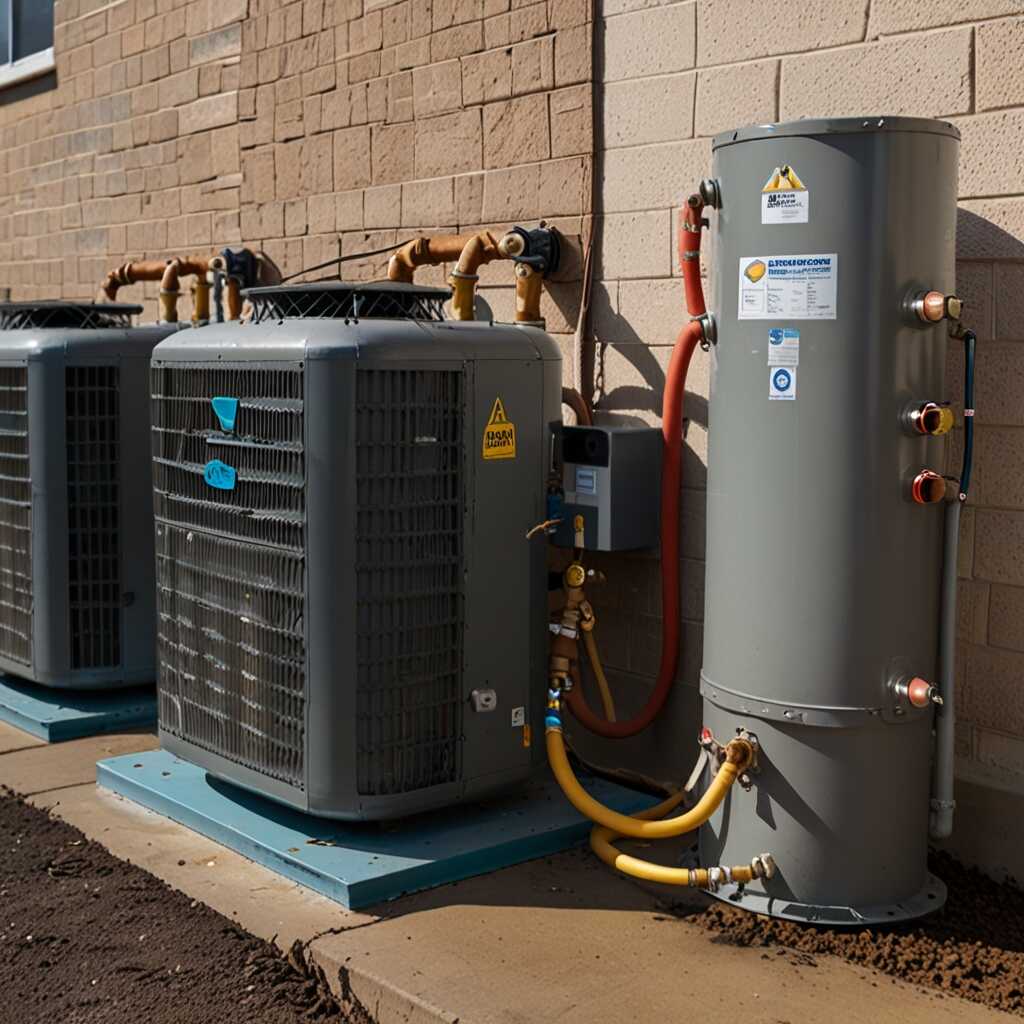
Safe refrigerant recovery training requires comprehensive safety protocols that address personal protective equipment, ventilation requirements, and emergency procedures. Single valve systems simplify safety training by reducing the number of potential operator errors while maintaining focus on essential protective measures. Training programs must emphasize proper PPE including safety glasses, gloves, and respiratory protection when working in enclosed spaces.
Essential safety features in training-grade single valve machines include automatic pressure relief, leak detection alerts, and emergency shut-off capabilities. These features protect both students and equipment while demonstrating real-world safety standards that technicians must maintain throughout their careers. A typical single valve refrigerant recovery machine is equipped with 3-5 integrated safety systems that prevent common training accidents.
Implementing Comprehensive Safety Training
Essential safety features in refrigerant recovery training include hazard recognition, proper equipment inspection, and emergency response procedures. Single valve systems support safety training by providing consistent operation that allows students to focus on safety protocols rather than complex equipment management. Training scenarios should include refrigerant leak response, equipment malfunction procedures, and proper disposal methods.
Effective safety training incorporates both theoretical knowledge and practical application through simulated emergency situations. Students learn to recognize refrigerant odors, respond to pressure alarms, and implement evacuation procedures when necessary. safety requirements analysis demonstrates that proper training significantly reduces workplace accidents and improves overall service quality.
EPA Compliance and Certification Requirements
HVAC technicians must understand EPA Section 608 regulations that govern refrigerant recovery practices including proper equipment certification, recovery efficiency standards, and documentation requirements. Single valve machine training simplifies compliance education by focusing attention on regulatory essentials rather than complex equipment operation. Training programs must cover leak rate limits, recovery completion verification, and proper refrigerant storage procedures that apply regardless of equipment type.
EPA certification requirements include both written examinations and practical demonstrations that prove competency in refrigerant handling. Single valve systems support certification preparation by providing reliable platforms for demonstrating required skills including proper recovery procedures, leak detection, and system evacuation. Current regulations require technicians to achieve 90% recovery efficiency, which single valve systems can demonstrate effectively during training exercises.
Integrating Regulatory Training with Equipment Operation
Effective EPA compliance training connects regulatory requirements with practical equipment operation through hands-on exercises that demonstrate proper procedures. Single valve systems enable focused training on documentation requirements, recovery rate calculations, and completion verification without the distraction of complex equipment management. Training programs should include mock inspections that simulate EPA compliance audits technicians may encounter in the field.
Certification preparation benefits from equipment that consistently demonstrates regulatory compliance, allowing students to understand requirements through successful practice rather than theoretical discussion alone. Programs that integrate regulatory training with practical equipment operation typically achieve higher certification pass rates and better prepare graduates for immediate employment.
Equipment Selection Impact on Training Outcomes
- Premium brands offer enhanced reliability but require higher initial investment.
- Mid-range options provide adequate training capability with reasonable maintenance costs.
- Entry-level machines suit basic training needs but may lack advanced features.
- Portable units enable flexible training locations but may sacrifice some capacity.
- Training institutions benefit from warranty coverage and technical support services.
- Equipment compatibility with various refrigerant types expands training possibilities.
- Noise levels affect training environment quality and student concentration.
Future Developments in Recovery Training Technology
Emerging refrigerant recovery technology trends include smart monitoring systems, automated documentation, and enhanced energy efficiency that will influence future training requirements. Single valve refrigerant recovery machines are evolving to incorporate digital displays, remote monitoring capabilities, and integration with mobile apps that track recovery performance and compliance documentation.
Future training programs will need to address new refrigerant types, updated efficiency standards, and technological integration that connects recovery equipment with broader HVAC system management. Single valve systems provide stable training platforms that can accommodate technological upgrades while maintaining fundamental skill development that remains relevant across equipment generations.
Preparing Technicians for Evolving Technology
Single valve refrigerant recovery systems are adapting to include smart features like automated recovery completion detection, refrigerant identification sensors, and digital documentation systems. These advancements maintain the fundamental simplicity that makes single valve systems effective for training while preparing students for technology-enhanced field equipment.
Training programs that emphasize adaptable skills alongside specific equipment operation prepare graduates for career-long learning in an evolving industry. final assessment criteria should include both current competencies and learning agility that enables technicians to adapt to new equipment and procedures throughout their careers.