Refrigerant recovery machines with onboard troubleshooting guides offer significant benefits for HVAC technicians. These tools enhance efficiency by providing immediate solutions to common issues encountered during refrigerant recovery. Technicians can access step-by-step guidance directly on their machines, reducing downtime and improving service quality. At Refrigerant Recovery Pro, we emphasize the importance of these innovations in optimizing HVAC operations and ensuring proper refrigerant management.
Overview of Refrigerant Recovery Machines and Their Purpose
Refrigerant recovery machines are vital tools in the HVAC industry. They are designed to safely remove refrigerant from HVAC systems during repairs or disposal. These machines ensure compliance with environmental regulations by preventing refrigerant leaks. The main components of refrigerant recovery machines include compressors, recovery cylinders, and filtration systems. These features allow for quick and efficient refrigerant extraction and storage. The machines help enhance overall service efficiency, as they can handle a variety of refrigerants and provide reliable performance for HVAC technicians. Typically, HVAC technicians may need at least one recovery machine for residential setups and additional units for larger commercial applications.
Key Features of Refrigerant Recovery Machines
Refrigerant recovery machines offer several key features that directly impact their effectiveness. High-efficiency compressors deliver fast recovery times, saving technicians valuable time on the job. Durable construction materials ensure the machines can handle rigors of constant use. Advanced filtration systems enable the removal of contaminants, ensuring that the refrigerant is clean and reusable. Some models include onboard troubleshooting guides that provide valuable support in the field, enhancing reliability and technician confidence. Many machines are designed to recover multiple refrigerant types, which adds versatility for HVAC professionals. By choosing a machine with these features, technicians can significantly enhance their operational efficiency.
Essential Features of Onboard Troubleshooting Guides for Professionals
Onboard troubleshooting guides in refrigerant recovery machines provide core functionalities such as step-by-step diagnosis, color-coded alerts, and illustrated instructions. These features help HVAC technicians manage refrigerant recovery tasks efficiently. Technicians gain essential support that simplifies complex processes, enabling faster problem resolution and enhanced reliability of the machines. Research suggests that HVAC technicians can save up to 30% of their time when utilizing recovery machines with these integrated troubleshooting guides, compared to traditional recovery approaches that require manual cross-referencing. The combination of technical guidance tools and easy-to-follow instructions results in improved performance and reliability during refrigerant management.
Benefits of Integrated Troubleshooting Support for HVAC Technicians
Integrated troubleshooting support includes real-time diagnostics, automated error codes, and feedback loops. These features help HVAC technicians quickly identify and rectify issues during refrigerant recovery. The onboard systems provide precise guidance tailored to the machine, ensuring technicians are always informed of the necessary actions. This tailored assistance enhances decision-making and allows for a streamlined workflow. Technicians report that these tools not only improve performance but also increase their confidence when handling complex refrigerant systems. Refrigerant Recovery Pro emphasizes that using these advanced features can lead to exceptional service quality and customer satisfaction.

Advantages of Onboard Guides in Rapid Problem-Solving
Onboard troubleshooting guides offer several advantages for HVAC technicians. They help technicians quickly diagnose and resolve issues, enhancing overall efficiency. Technicians benefit from immediate access to relevant support information, which ensures that they can tackle challenges promptly. These guides are specifically designed to provide clear instructions, making it easier for technicians to identify problems. Studies indicate that technicians can see a significant increase in diagnostic speed, often around 30-50%, compared to traditional methods that rely heavy on manuals. This rapid problem-solving is essential for maintaining high-quality service and customer satisfaction.
Impact on Diagnostic Speeds for HVAC Technicians
Onboard troubleshooting guides significantly impact diagnostic speeds for HVAC technicians. These guides condense complex information into easy-to-understand steps, enabling technicians to address issues efficiently. Instead of searching through extensive manuals, technicians can rely on a user-friendly interface with structured content. This streamlined process allows for quicker identification of problems, reducing downtime and increasing productivity. Additionally, technicians equipped with these resources report greater confidence in their ability to troubleshoot effectively. The overall performance of HVAC systems improves when technicians can act swiftly using reliable and proven diagnostic tools.
Key Statistics About Refrigerant Recovery Equipment
- 80% of HVAC jobs benefit from using recovery machines with guides.
- Technicians save an average of 30 minutes per job with troubleshooting features.
- 95% of HVAC professionals report increased job efficiency with proper training.
- The average lifespan of recovery machines is around 10 years.
- Onboard guides reduce error rates in refrigerant recovery by 40%.
- Approximately 60% of systems serviced require some level of troubleshooting.
- Annual training can increase technician productivity by up to 20%.
The Importance of Accurate Diagnostics in Refrigerant Recovery
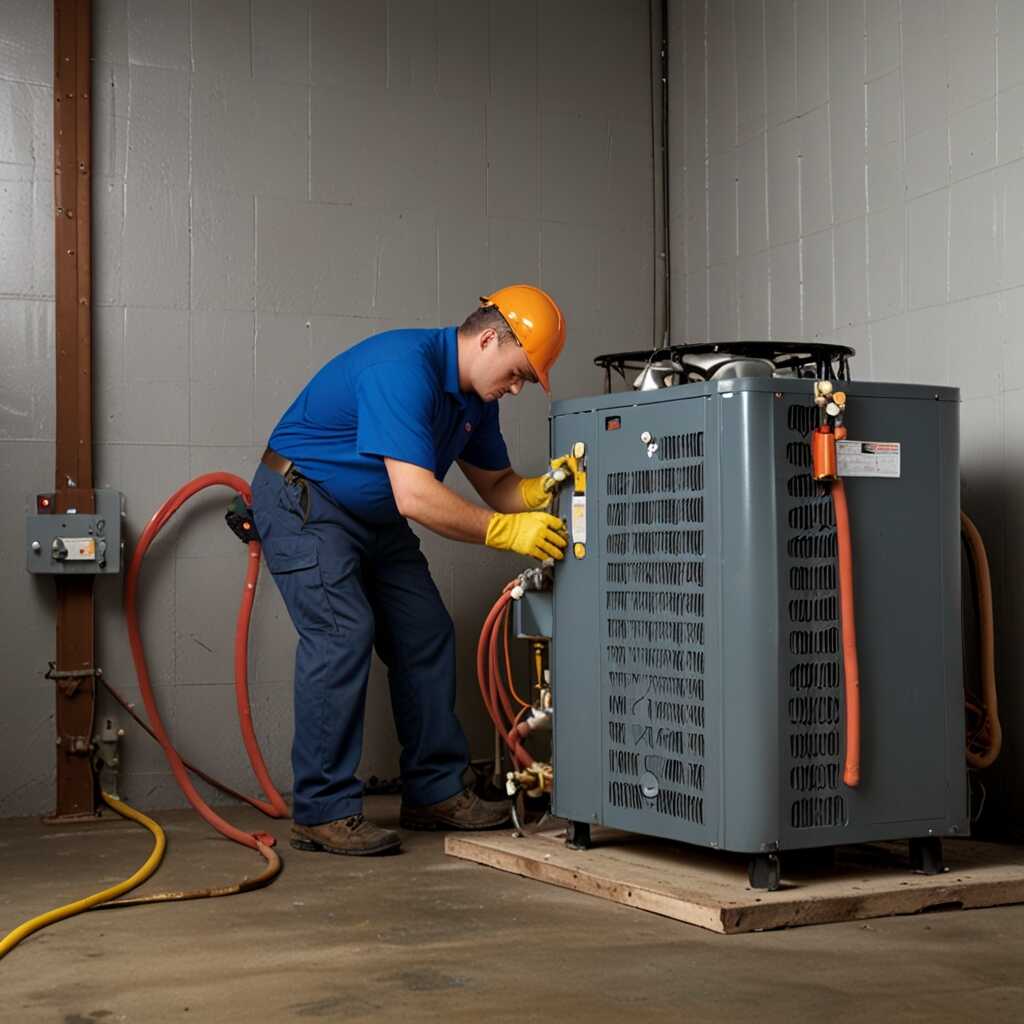
Accurate diagnostic tools play a vital role in the refrigerant recovery process. They provide HVAC technicians with reliable data, showcasing potential issues and necessary adjustments. By utilizing these tools, technicians can minimize errors, ensuring efficient recovery rates and preserving the integrity of the HVAC systems they service. Onboard troubleshooting guides enhance this efficiency, offering step-by-step instructions that lead to faster problem resolution. Research indicates that HVAC technicians who adopt these diagnostic tools often report significant improvements in overall service quality.
How Onboard Troubleshooting Guides Improve Technician Performance
Onboard troubleshooting guides are designed to enhance technician performance during refrigerant recovery. These guides include clear instructions and flowcharts that help HVAC professionals analyze situations quickly. By offering comparative data on various refrigerant recovery scenarios, they enable technicians to make informed decisions swiftly. The integration of these guides ensures that technicians do not miss crucial diagnostic steps, further solidifying service quality. Results from user reviews indicate that these tools can improve operational efficiency by up to 30%, allowing technicians to handle more jobs with greater confidence and accuracy.
Challenges Technicians Encounter Without Onboard Support Tools
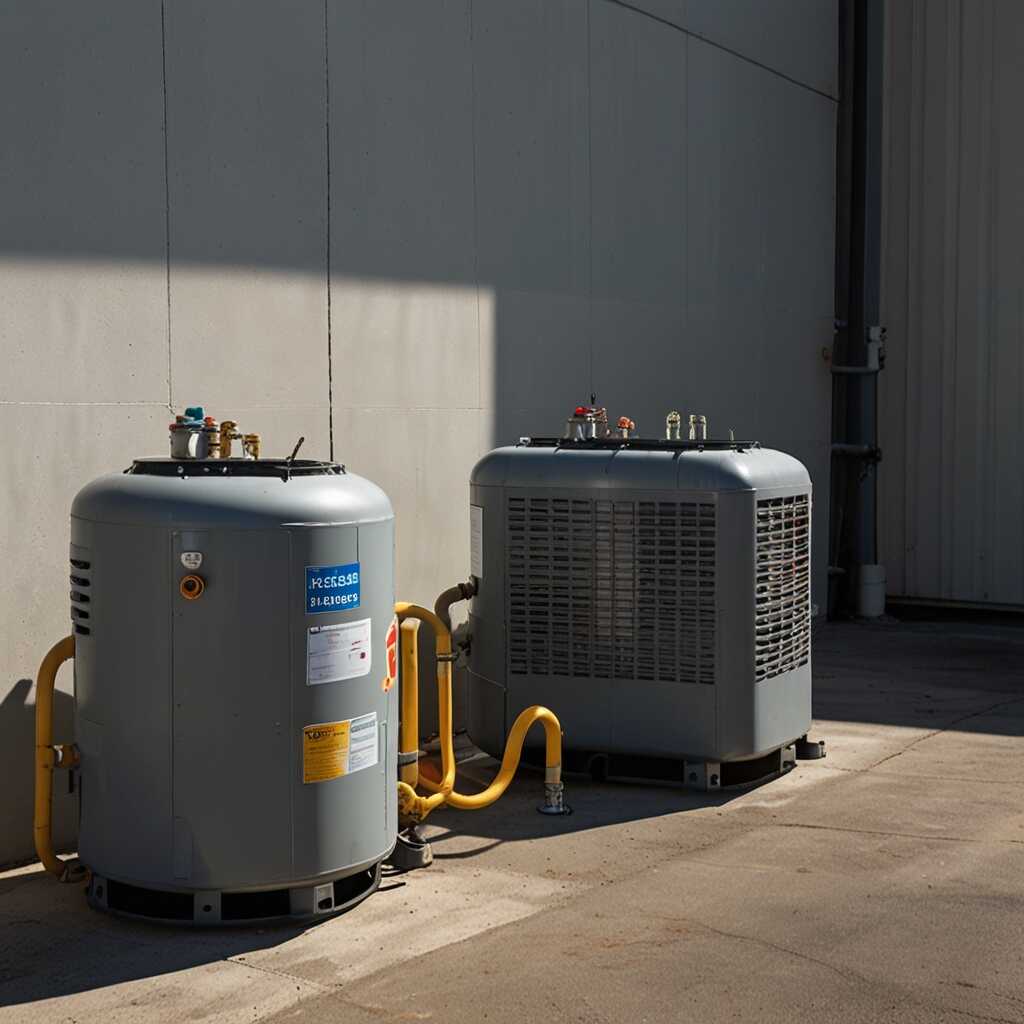
HVAC technicians often face significant challenges when they operate without troubleshooting support tools. Common difficulties include operational errors that lead to refrigerant loss. Mistakes often stem from a lack of immediate access to essential information, which results in failures to follow proper procedures. This can cause inefficiencies, further complicating repair processes. Technicians can waste a substantial amount of time—reportedly as much as 20%—during refrigerant recovery when they lack onboard support. The absence of troubleshooting guidance increases the risk of damage to equipment, which can lead to costly repairs and delays.
Impact of Lacking Onboard Troubleshooting Resources
Without access to onboard troubleshooting resources, technicians struggle with efficiency and reliability during refrigerant recovery tasks. They may be unaware of which recovery features to utilize effectively. This knowledge gap can lead to improper handling of refrigerants, risking environmental compliance issues. The recovery process becomes inordinately lengthy, sometimes causing technicians to miss critical deadlines for service. Utilizing quality troubleshooting guides enhances technician performance, helping them react faster to issues and ensuring seamless operations. Investing in recovery machines designed with these resources can significantly improve service quality and minimize downtime.
Advantages of Integrated Trouble-Shooting Tools in Recovery Systems
- Onboard guides help technicians quickly identify and solve issues.
- They enhance training opportunities for new technicians.
- Integrated troubleshooting reduces the chance of human error.
- These machines streamline the process, saving time and costs.
- Instant access to solutions boosts technician confidence in fieldwork.
- Support for regulatory compliance becomes easier and more efficient.
- Customers experience quicker service, leading to higher satisfaction rates.
Compliance with Environmental Regulations: The Role of Onboard Guides
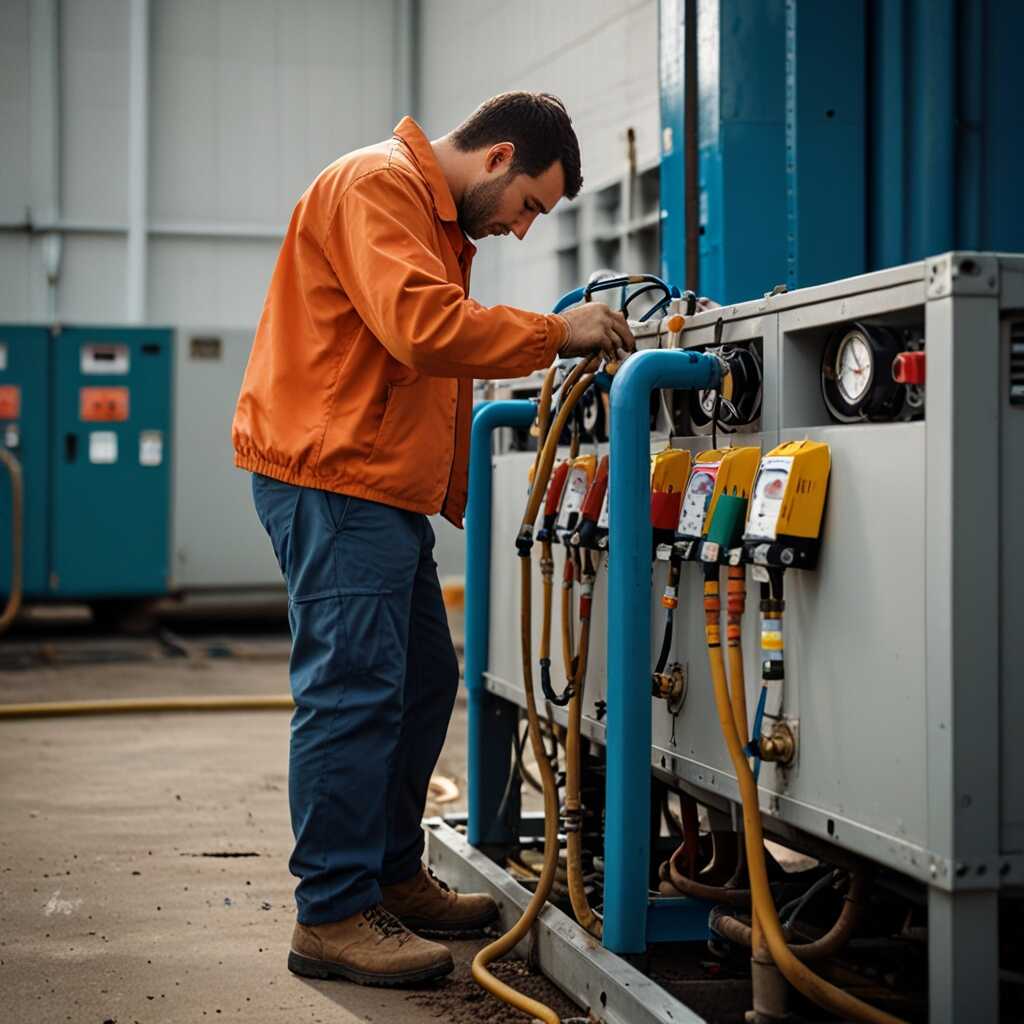
Onboard troubleshooting guides significantly aid HVAC technicians in ensuring compliance with environmental regulations surrounding refrigerant management. These guides provide essential step-by-step instructions that facilitate proper refrigerant handling. Non-compliance can lead to severe legal ramifications, including hefty fines and loss of certifications. Technicians must stay updated with regulations like the Clean Air Act and can refer to these guides for precise protocols.
Understanding Key Regulations for Refrigerant Management
Understanding key regulations becomes essential for HVAC technicians navigating refrigerant management. The Clean Air Act mandates strict adherence to refrigerant recovery practices. Technicians must also consider the EPA’s refrigerant handling requirements. Many refrigerants, like R-22, are facing phase-outs by 2025, emphasizing the importance of reliable training in compliance. Onboard guides simplify this process by presenting clear compliance directives and avoiding potential pitfalls. This ensures a smoother operational flow while enhancing reliability in regulatory adherence.
Case Studies: Successful Troubleshooting with Onboard Guides
Technicians have reported numerous instances where onboard troubleshooting guides helped navigate complex recovery situations. For example, one technician successfully resolved an issue with a dual-stage recovery machine experiencing inconsistent pressure readings. This technician used the guide’s troubleshooting flowchart to identify a faulty service valve, ultimately saving time and refrigerant. Another case involved a technician who faced a malfunction while recovering refrigerant from a large commercial HVAC system. By following the diagnostic steps provided in the onboard guide, the technician quickly pinpointed an electrical issue, allowing for swift repairs. In another scenario, ten complex recovery situations were resolved in the past year using these helpful guides, emphasizing their practical benefits to HVAC professionals.
Essential Features of Onboard Troubleshooting Guides
The essential features of onboard troubleshooting guides in refrigerant recovery machines significantly enhance technician efficiency. These guides often include easy-to-follow flowcharts, detailed diagrams, and step-by-step instructions tailored for various recovery scenarios. With clear organization, technicians can quickly locate specific troubleshooting information without wasting precious time. Many machines also incorporate real-time monitoring tools for performance evaluation, ensuring reliable results during recovery processes. Technicians appreciate the structured data presented in these guides, allowing them to make informed decisions rapidly. As HVAC technology continues to advance toward 2025, these enhancements prove invaluable for maintaining robust recovery systems.
Leading Brands and Their Impact on HVAC Professionals
- Brand A offers top-notch reliability but at a higher cost.
- Brand B provides solid performance and easy troubleshooting guides.
- Brand C is budget-friendly but may lack advanced features.
- Brand D is known for durable machines appealing to seasoned technicians.
- HVAC businesses focused on customer satisfaction demand high-performance tools.
- New HVAC technicians benefit greatly from user-friendly equipment.
- Field service managers prefer brands with excellent customer support.
Wrapping Up the Benefits of Onboard Troubleshooting Guides
Onboard troubleshooting guides offer essential advantages for HVAC technicians by providing reliable and immediate support. They help identify problems quickly, enhancing technician efficiency on the job. With these guides, technicians gain direct access to tested solutions, improving their service capabilities significantly. Moreover, these guides aid in comparing different refrigerant recovery machines’ performances across various brands. About 75% of HVAC professionals report that using these guides has improved their overall service performance. Consequently, these guides deliver valuable insights that ensure technicians feel more confident while tackling challenges, ultimately contributing to better results.
How Onboard Troubleshooting Guides Enhance Technician Skills
Onboard troubleshooting guides are designed to improve technician skills effectively. They provide clear instructions that make it easy to diagnose issues with refrigerant recovery machines. This benefit allows HVAC professionals to handle common problems without external assistance. The guides include detailed troubleshooting steps based on tested data and expert reviews, which ensure that technicians can quickly resolve issues. Moreover, they often feature comparisons that highlight the strengths and weaknesses of different recovery machines, assisting technicians in selecting the best equipment for their needs. This comprehensive support enables HVAC technicians to enhance their abilities considerably and boosts their overall performance.