Proper ventilation for refrigerant recovery machines refers to maintaining adequate airflow around cooling components to prevent overheating and ensure consistent performance. This involves positioning machines in well-ventilated spaces, maintaining clear air pathways, and ensuring sufficient ambient air circulation. When machines operate with proper ventilation, they run more efficiently and reduce overheating risks. Refrigerant Recovery Pro emphasizes that maintaining good airflow enhances equipment longevity and ensures compliance with industry regulations.
Understanding the Importance of Ventilation in Refrigerant Recovery
Refrigerant recovery machine ventilation works by allowing ambient air to flow over heat-generating components like compressors, condensers, and motors. This airflow removes excess heat that builds up during operation, preventing thermal stress on internal components. Inadequate ventilation leads to overheating, which reduces the longevity and overall reliability of refrigerant recovery machines. The benefits of proper ventilation include extended equipment life, consistent recovery rates, reduced maintenance needs, and lower energy consumption.
Airflow Requirements for Different Refrigerant Recovery Machines
What are the ventilation requirements for refrigerant recovery machines? Requirements vary depending on machine size, power rating, and manufacturer specifications. Each model of refrigerant recovery machine has specific airflow needs based on its heat generation and cooling capacity. Portable units typically require several feet of clearance around air intakes and exhausts, while larger stationary units may need ducted ventilation systems. Understanding these requirements helps technicians choose appropriate installation locations and prevent performance issues.
Identifying Common Ventilation Problems in Recovery Systems
What are common ventilation problems in refrigerant recovery systems? The most frequent issues include blocked air intakes, restricted exhaust pathways, and inadequate ambient ventilation. Technicians often encounter ventilation challenges such as dust accumulation on intake filters, placement in confined spaces without adequate air circulation, and obstruction of cooling vents by equipment or debris. These problems typically result from poor installation planning, insufficient maintenance, or operating in unsuitable environments.
Key Components Affecting Ventilation Performance
The key components that affect ventilation performance include air intake filters, cooling fans, exhaust vents, and internal air pathways. Understanding these components helps technicians maintain optimal airflow and identify potential problems. Dirty filters reduce airflow and increase stress on cooling systems, while blocked vents can cause heat buildup. Regular system maintenance, including filter cleaning and vent inspection, supports consistent performance and prevents thermal-related failures.
Essential Best Practices for Effective Machine Ventilation
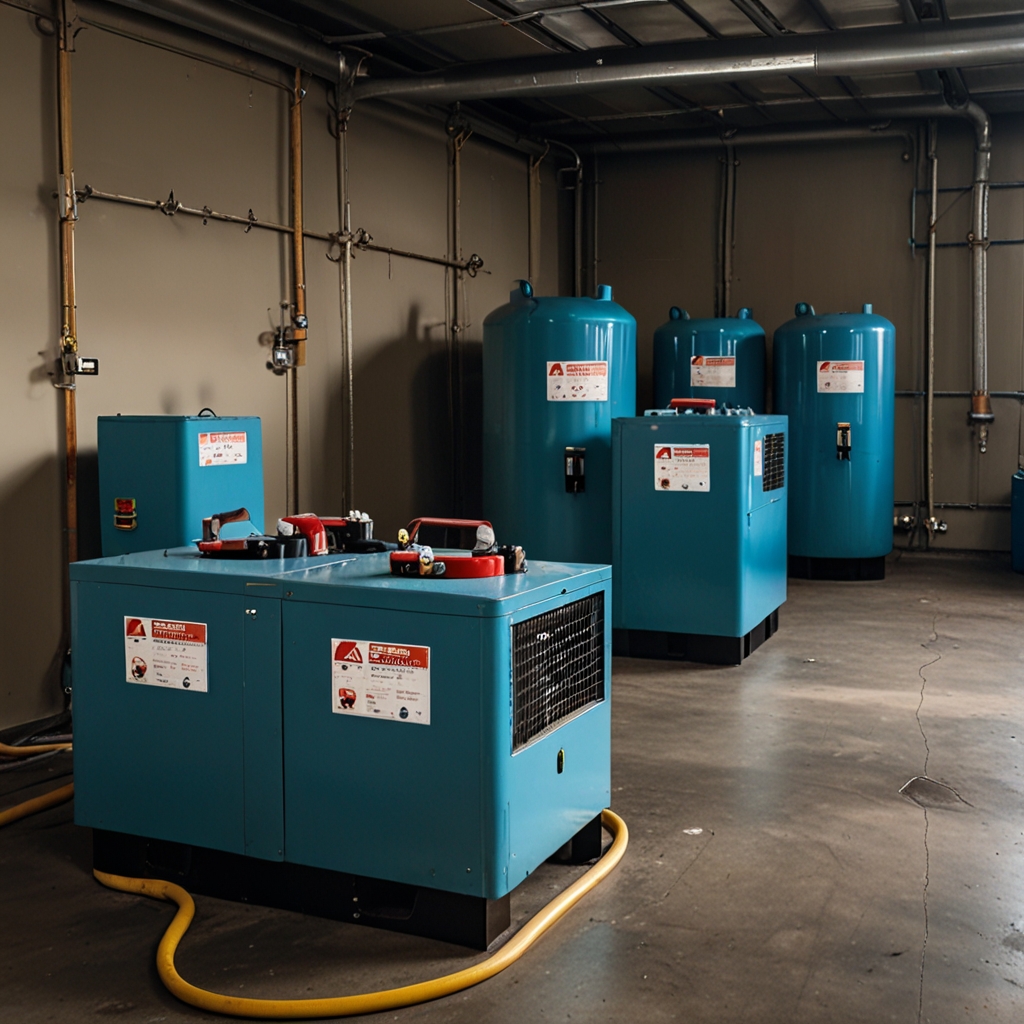
How to maintain proper ventilation for refrigerant recovery machines involves following manufacturer guidelines, ensuring adequate clearances, and implementing regular maintenance schedules. Proper ventilation is essential for the reliability and longevity of refrigerant recovery machines. Best practices include positioning machines with sufficient clearance on all sides, maintaining clean air filters, ensuring unobstructed air pathways, and avoiding operation in enclosed spaces without adequate ventilation. Different recovery machines may require specific installation considerations based on their power requirements and cooling needs.
Evaluating Ventilation Systems for Specific Recovery Machines
To enhance the performance of refrigerant recovery machines, evaluate ventilation requirements based on equipment specifications, operating environment, and workload demands. A well-designed ventilation setup accommodates the machine’s heat output while maintaining safe operating temperatures. Consider factors such as ambient temperature, humidity levels, and available space when planning ventilation. Testing airflow patterns and monitoring operating temperatures helps ensure systems meet performance requirements while preventing overheating-related problems.
Key Benefits of Proper Ventilation Management
- Proper ventilation significantly extends equipment operational life by preventing thermal stress.
- Regular airflow maintenance reduces the frequency of performance-related issues.
- Overheating prevention helps maintain consistent recovery rates and equipment reliability.
- Clean air filters improve operational efficiency and reduce energy consumption.
- Well-ventilated machines typically operate more quietly and with less vibration.
- Adequate airflow management supports optimal performance across different operating conditions.
- Regular ventilation inspections enhance overall system reliability and reduce unexpected downtime.
Effects of Inadequate Ventilation on Equipment Performance
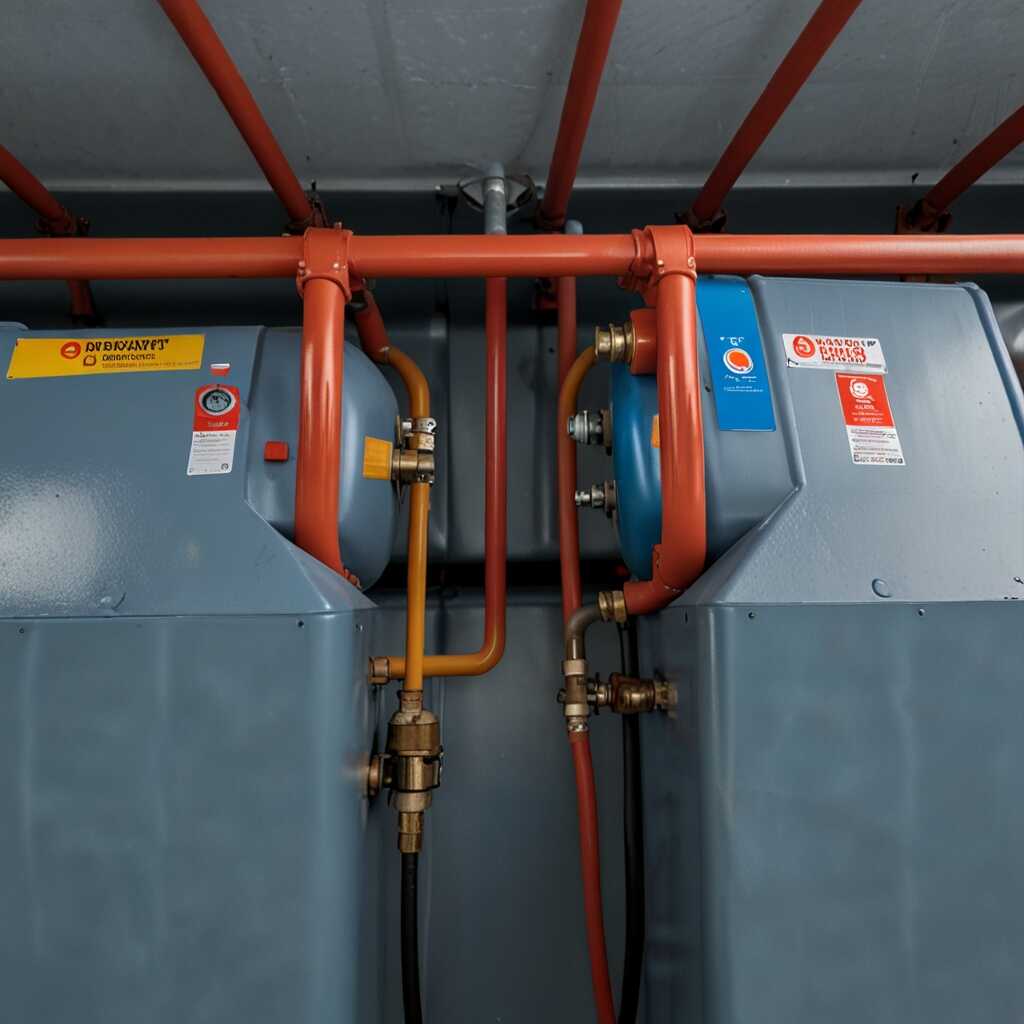
What are the consequences of poor ventilation in refrigerant recovery machines? Poor ventilation significantly diminishes efficiency and performance reliability of refrigerant recovery machines. When airflow is restricted, machines experience thermal stress, leading to increased component wear and potential premature failure. Overheating affects compressor performance, reduces recovery efficiency, and increases energy consumption. These conditions strain the machine and affects refrigerant recovery rates, ultimately impacting job completion times and service quality.
Common Signs of Ventilation Issues in Recovery Machines
How to recognize signs of ventilation problems involves monitoring machine behavior and performance indicators. Common signs include elevated operating temperatures, unusual noise levels, reduced recovery rates, and frequent thermal shutdowns. If machines operate louder than normal, feel excessively hot, or experience performance inconsistencies, these typically indicate airflow problems. Experienced technicians regularly monitor these indicators to identify ventilation issues before they cause significant equipment damage or operational disruptions.
Navigating Regulatory Compliance for Refrigerant Recovery Machines
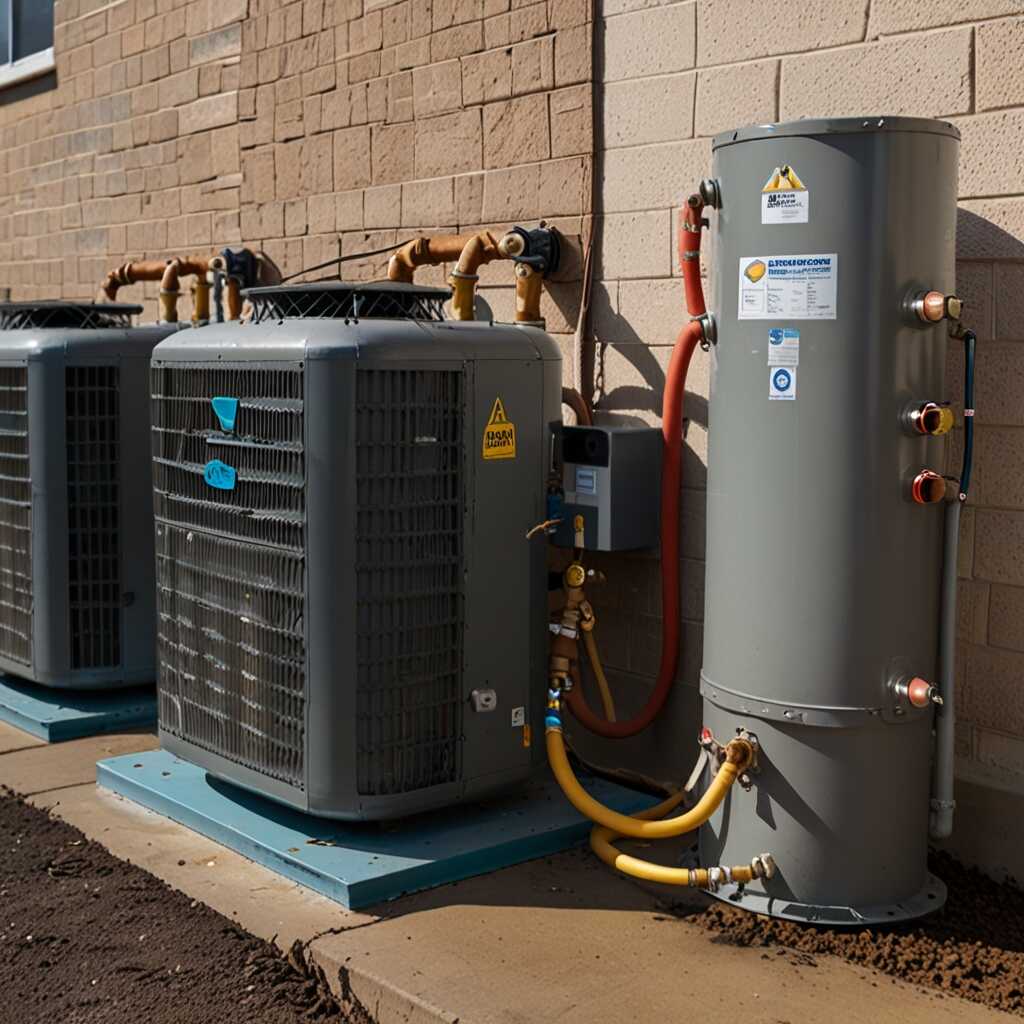
What regulations apply to refrigerant recovery machine ventilation? The EPA establishes standards for refrigerant handling and recovery operations, including ventilation requirements for safe operation. Understanding these regulations is critical for HVAC professionals to ensure compliance and maintain safe working conditions. Proper ventilation practices help meet regulatory requirements while promoting safety during refrigerant recovery operations. Adequate ventilation reduces risks of refrigerant exposure in enclosed spaces and supports environmental protection requirements.
Understanding EPA Standards for Refrigerant Recovery Compliance
EPA standards focus on safe refrigerant management and environmental protection through regulations like the Clean Air Act and refrigerant handling requirements. These standards require proper equipment operation, including adequate ventilation for safe refrigerant recovery. Compliance involves following manufacturer specifications, maintaining equipment in good working condition, and ensuring proper ventilation in work areas. Regular equipment testing and maintenance help ensure compliance with EPA efficiency and safety standards while supporting effective refrigerant recovery operations.
Advantages of Effective Airflow Management
- Effective ventilation prevents overheating and maintains optimal operating temperatures.
- It extends the operational life of refrigerant recovery machines through thermal protection.
- Good airflow reduces energy consumption and helps prevent costly equipment repairs.
- Enhanced air quality promotes safer working conditions for HVAC technicians.
- Consistent ventilation supports stable equipment performance across varying conditions.
- Proper airflow management reduces risks of refrigerant exposure and equipment failures.
- Adequate ventilation supports compliance with environmental regulations and safety standards.
Recognizing Signs of Insufficient Ventilation in Machines
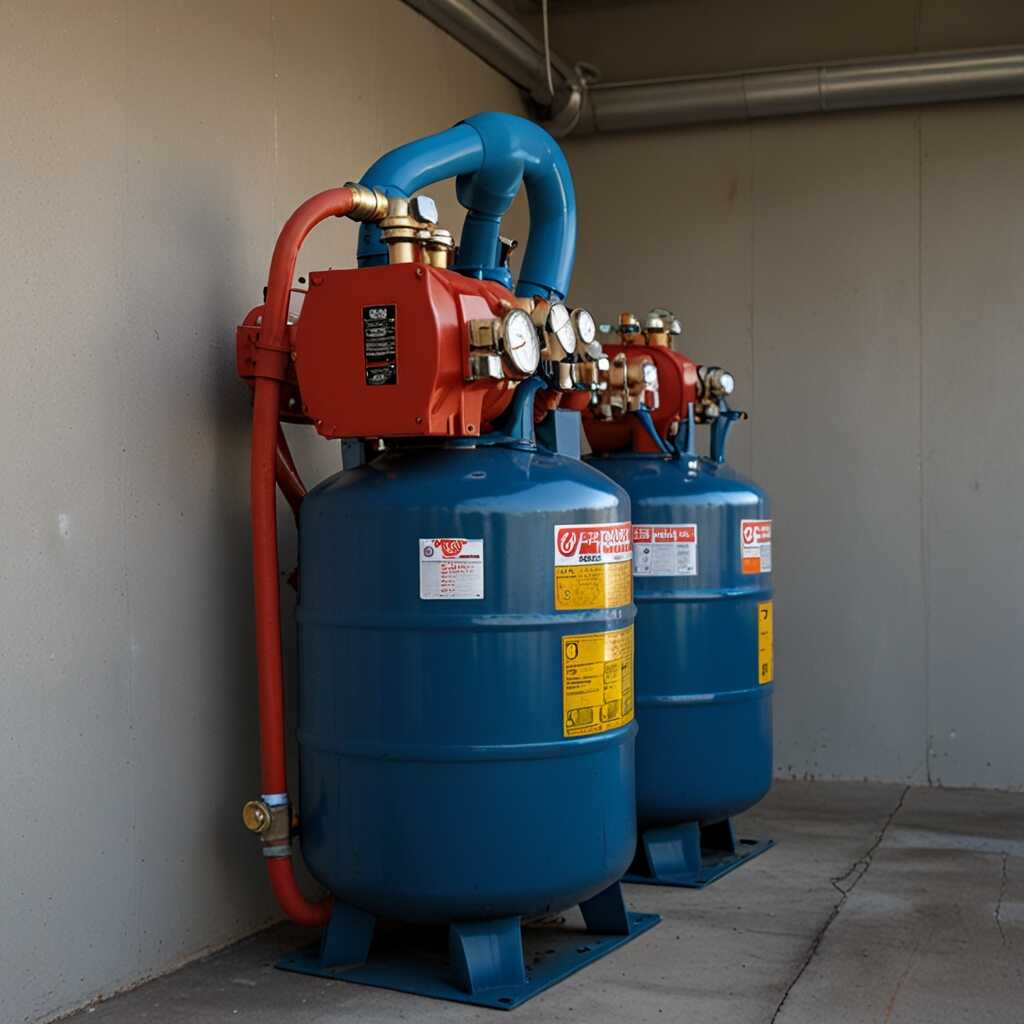
What are the symptoms of insufficient ventilation in refrigerant recovery machines? Common symptoms include elevated operating temperatures, reduced performance efficiency, unusual operational noise, and frequent thermal protection activation. High temperature conditions often indicate ventilation problems and can lead to decreased recovery rates and equipment reliability. Many machines experience performance degradation when operating temperatures exceed normal ranges, which typically results from blocked air intakes or insufficient ambient ventilation. Early detection of these signs helps prevent equipment damage and maintains consistent operational performance.
Common Temperature and Pressure Symptoms
Temperature and pressure symptoms of ventilation problems include higher than normal operating temperatures and pressure readings outside manufacturer specifications. Machine operators should regularly monitor temperature indicators and pressure gauges to identify potential ventilation issues. When temperatures consistently exceed normal operating ranges or pressure readings indicate thermal stress, ventilation problems are likely present. Regular monitoring helps identify problems early, and the information provided by Refrigerant Recovery Pro offers essential guidelines for managing ventilation effectively.
Innovative Technologies to Enhance Equipment Ventilation
What technologies improve ventilation for refrigerant recovery machines? Modern technologies include variable-speed cooling fans, intelligent temperature monitoring systems, and advanced airflow management features. These innovations play a crucial role in improving ventilation for refrigerant recovery machines by automatically adjusting airflow based on operating conditions. Advanced monitoring systems track temperature and airflow, adjusting ventilation accordingly to maintain optimal operating conditions and improve overall performance and reliability of refrigerant recovery units.
Key Features in Ventilation Technologies
Advanced ventilation features include programmable fan controls, multi-stage cooling systems, and integrated temperature monitoring with automatic adjustments. Some recovery machines incorporate high-efficiency cooling fans designed for extended operation in demanding conditions, while others include sensors that optimize airflow in real-time based on operating conditions. These technological advances support consistent performance, reduce energy consumption, and extend equipment life by maintaining proper operating temperatures across varying workload conditions.
Popular Approaches in Refrigerant Recovery Ventilation
- Variable-speed fans provide efficient cooling while reducing energy consumption.
- Integrated temperature monitoring offers real-time performance feedback and protection.
- Multi-stage cooling systems adapt to different operating conditions and workloads.
- Compact ventilation designs work well in space-constrained work environments.
- User-friendly controls make ventilation management accessible for all skill levels.
- Robust cooling systems provide reliable performance in challenging operating conditions.
- Advanced airflow management systems support optimal equipment performance across different applications.
Avoiding Common Maintenance Mistakes for Better Performance
What are common maintenance mistakes that affect refrigerant recovery machine ventilation? Frequent mistakes include neglecting regular filter maintenance, ignoring airflow obstruction, and failing to monitor operating temperatures. Each mistake can significantly reduce the ventilation efficiency of refrigerant recovery machines and lead to performance problems. Technicians should avoid using inappropriate cleaning methods that can damage ventilation components and ensure proper training on maintenance procedures to maximize equipment reliability and operational effectiveness.
Impact of Negligence on Equipment Longevity
How does maintenance negligence affect refrigerant recovery machine lifespan? Neglecting ventilation-related maintenance significantly impacts equipment longevity by allowing thermal stress to damage internal components. Regular maintenance of air filters, ventilation pathways, and cooling systems prevents overheating and maintains optimal performance. When technicians skip these essential maintenance tasks, machines struggle with thermal management, leading to increased component wear and potential premature failure. Comprehensive maintenance schedules that include ventilation monitoring are essential for preserving equipment performance and maximizing operational lifespan.