Energy-efficient refrigerant recovery machines reduce operational power costs by using up to 30% less electricity than standard models while maintaining superior recovery performance. These advanced HVAC devices incorporate high-efficiency compressors, variable-speed motors, and optimized refrigerant pathways that minimize energy waste during the recovery process, typically saving facilities thousands annually.
What Are Energy Efficient Refrigerant Recovery Machines
Energy-efficient refrigerant recovery machines are specialized HVAC devices designed to extract refrigerants from air conditioning and cooling systems while consuming minimal electrical power. These recovery units feature advanced compressor technology, which enables faster refrigerant extraction with reduced energy consumption compared to conventional models. The primary function involves pulling refrigerant from HVAC systems, filtering contaminants, and storing the recovered material for reuse or proper disposal. Key components include variable-speed compressors that adjust power consumption based on system demands, high-efficiency heat exchangers that optimize thermal transfer, and intelligent control systems that monitor performance metrics. Modern energy-efficient models typically achieve recovery rates of 10-14 pounds per hour while consuming 20-50% less electricity than older units.
Key Features of Energy-Efficient Refrigerant Recovery Machines
Energy-efficient refrigerant recovery machines incorporate several advanced technologies that distinguish them from standard recovery equipment. These machines often feature variable-speed compressors that automatically adjust power consumption based on system pressure and refrigerant flow rates. Advanced monitoring systems track energy usage, recovery rates, and system efficiency in real-time, enabling operators to optimize performance during each recovery operation. Most energy-efficient models include high-efficiency filtration systems that remove contaminants while maintaining low power consumption, and quick-connect fittings that reduce connection time and minimize refrigerant loss. The construction typically features durable steel housings with powder-coated finishes for longevity, user-friendly digital displays that show operating parameters, and fast recovery capabilities that complete typical residential jobs in 15-30 minutes. These features collectively ensure optimal efficiency during the refrigerant recovery process while maintaining compliance with environmental regulations.
Key Advantages of Energy Efficient Refrigerant Management
Energy-efficient refrigerant recovery machines deliver substantial operational benefits that directly impact HVAC business profitability. The primary advantage involves reduced electricity consumption, which typically translates to monthly savings of $200-800 for medium-sized HVAC operations depending on usage frequency. These machines enhance refrigerant management by providing consistent recovery performance that minimizes material waste and maximizes reusable refrigerant capture. Operational efficiency improvements include faster recovery times that allow technicians to complete more service calls per day, reduced equipment downtime due to reliable performance characteristics, and lower maintenance requirements compared to older recovery units. Additional benefits encompass improved regulatory compliance through precise recovery measurement capabilities, enhanced safety features that protect technicians during operation, and extended equipment lifespan that provides better return on investment over 10-15 year operational periods.
Comparative Efficiency of Refrigerant Recovery Machines
Energy-efficient refrigerant recovery machines demonstrate significant performance advantages over conventional models across multiple operational metrics. Power consumption comparisons show that modern efficient units typically use 25-40% less electricity while maintaining equivalent or superior recovery rates compared to older models. Recovery speed improvements often range from 15-25% faster completion times, enabling HVAC technicians to increase daily productivity and reduce labor costs per job. The efficiency gains result from optimized compressor designs that maintain consistent suction pressure with variable power input, improved heat exchange systems that reduce thermal losses, and advanced control algorithms that minimize energy waste during operation. Professional testing and performance analysis confirms these efficiency improvements across various refrigerant types including R-410A, R-22, and newer environmental-friendly alternatives, making these machines suitable for diverse HVAC applications.
How Much Money Can Facilities Save
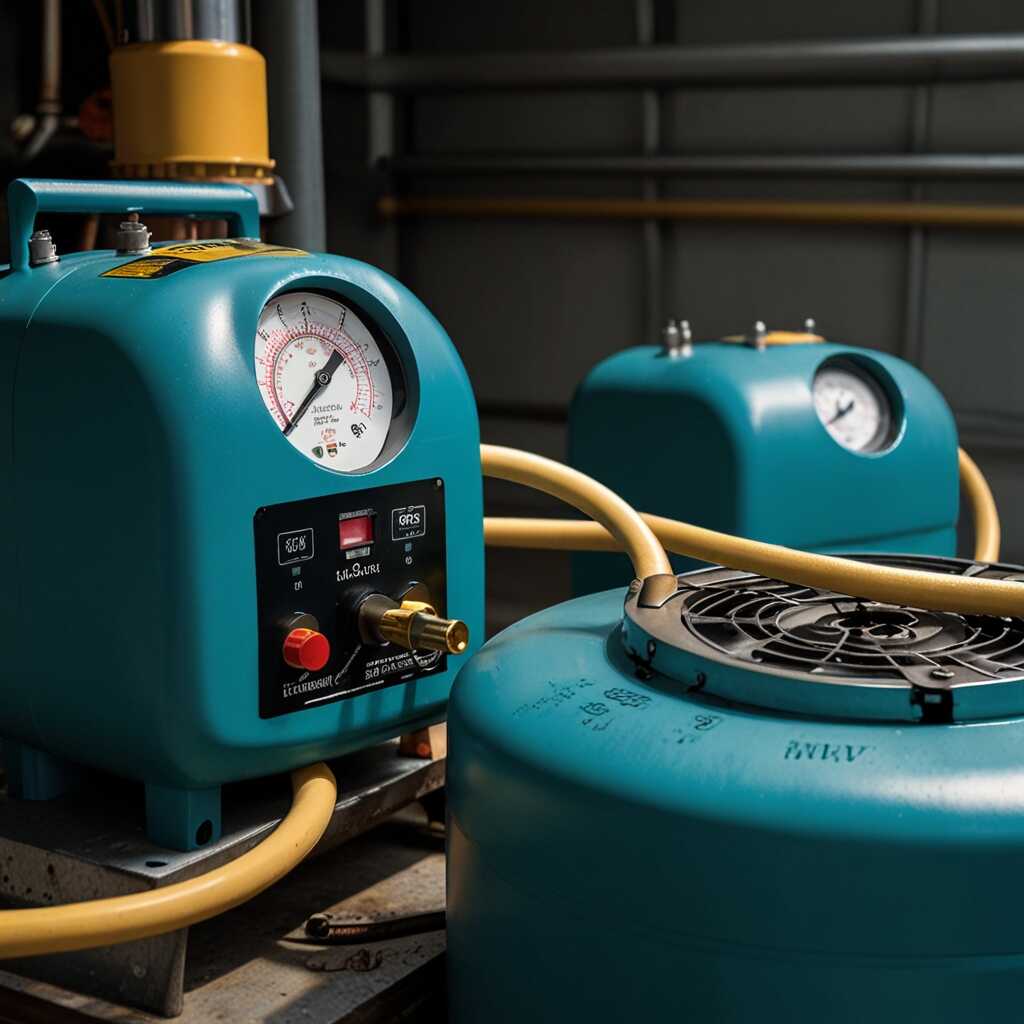
Facilities implementing energy-efficient refrigerant recovery machines typically realize significant cost reductions across multiple operational areas. Direct electricity savings usually range from $1,500-5,000 annually for busy HVAC operations, depending on recovery frequency and local utility rates. Labor cost reductions occur through faster recovery times that enable technicians to complete 15-20% more service calls per day, translating to increased revenue without additional workforce requirements. Refrigerant material savings result from higher recovery efficiency that captures 95-99% of usable refrigerant compared to 80-90% recovery rates with older equipment. Maintenance cost reductions typically amount to $500-1,200 annually due to improved reliability and longer service intervals. The combined savings often enable facilities to recover their initial investment within 18-36 months, with continued savings providing substantial long-term value.
Return on Investment Analysis
The financial return on energy-efficient refrigerant recovery machine investments varies based on operational scale and usage patterns. Small HVAC businesses serving 50-100 customers annually often achieve payback periods of 24-30 months through combined energy and labor savings. Medium-sized operations handling 200-500 service calls yearly typically realize returns within 15-24 months due to higher utilization rates and proportionally greater savings. Large commercial HVAC companies with daily recovery operations often see payback within 12-18 months because consistent usage maximizes efficiency benefits. Factors affecting return on investment include local electricity rates, refrigerant costs, technician wage levels, and equipment utilization frequency. The most successful implementations occur when facilities properly match machine capacity to operational needs and maintain equipment according to manufacturer specifications.
Best Practices for Operating Refrigerant Recovery Machines
Maximizing energy efficiency from refrigerant recovery machines requires adherence to proven operational techniques and maintenance protocols. Proper pre-operation preparation involves checking system connections for leaks, verifying adequate hose lengths to minimize pressure drops, and ensuring recovery tanks have sufficient capacity for the job. To ensure maximum refrigerant recovery efficiency, technicians should operate machines within manufacturer-specified temperature ranges, typically 40-100°F ambient conditions for optimal compressor performance. Regular maintenance schedules should include monthly filter inspections, quarterly oil level checks, and annual professional calibration to maintain peak efficiency. Operational best practices encompass running machines at steady loads rather than frequent start-stop cycles, using appropriate hose sizes to minimize flow restrictions, and monitoring recovery rates to identify potential system issues early. Comparing features of refrigerant recovery machines helps technicians select models best suited for their specific applications and energy efficiency goals.
Optimizing Machine Performance Through Maintenance
Systematic maintenance programs significantly impact the long-term energy efficiency and reliability of refrigerant recovery machines. Daily operational checks should include verifying oil levels, inspecting hoses and connections for wear, and confirming proper gauge readings before beginning recovery operations. Weekly maintenance tasks involve cleaning external surfaces to ensure adequate heat dissipation, checking electrical connections for corrosion, and testing safety shutoff systems for proper operation. Monthly procedures include replacing or cleaning intake filters to maintain optimal airflow, lubricating moving parts according to manufacturer specifications, and documenting performance metrics to track efficiency trends over time. Regular maintenance of refrigerant recovery machines is essential for sustained performance and helps prevent costly breakdowns that can disrupt operations. Annual professional servicing should include compressor performance testing, refrigerant system leak detection, and calibration verification to ensure continued energy efficiency and regulatory compliance. Refrigerant Recovery Pro offers expert guidance and equipment reviews to help HVAC professionals maintain peak machine performance throughout the equipment lifecycle.
Important Limitations and Considerations
While energy-efficient refrigerant recovery machines offer substantial benefits, several limitations and considerations affect their suitability for different applications. Initial purchase costs typically range 20-40% higher than standard recovery units, which may challenge smaller businesses with limited capital budgets. Performance limitations include reduced efficiency in extreme temperature conditions, with recovery rates potentially decreasing 15-25% in ambient temperatures below 32°F or above 110°F. Power requirements for high-efficiency models sometimes necessitate dedicated electrical circuits, particularly for units drawing 15+ amps, which may require facility electrical upgrades. Maintenance complexity increases with advanced control systems that require specialized diagnostic tools and training for proper service. Some energy-efficient features, such as variable-speed compressors, may have higher repair costs if components fail outside warranty periods. These machines typically perform best in consistent operational environments and may not justify the additional investment for operations with infrequent recovery needs or highly variable workloads.
When Energy-Efficient Models May Not Be Suitable
Certain operational scenarios may not warrant the investment in energy-efficient refrigerant recovery machines despite their general advantages. Very small HVAC businesses performing fewer than 25 recovery operations annually may not generate sufficient savings to justify the higher initial costs within reasonable payback periods. Operations primarily serving older residential systems with R-22 refrigerant may find limited long-term value as these systems are phased out and replaced. Businesses operating in regions with exceptionally low electricity rates, typically under $0.08 per kWh, may see minimal direct energy savings that extend payback periods beyond practical limits. Mobile service operations requiring frequent equipment transport may find the added complexity of advanced recovery units outweighs efficiency benefits, particularly when simpler models provide adequate performance. Companies planning significant operational changes or potential business sales within 2-3 years should carefully evaluate whether they will realize sufficient benefits before major transitions occur.
Key Numerical Insights into Energy Efficiency Solutions
- Energy-efficient machines can reduce power consumption by up to 30% compared to standard models.
- Over 50% of HVAC energy costs stem from refrigerant recovery processes in high-volume operations.
- Efficient recovery machines can save facilities $1,500-5,000 annually in operational costs.
- Advanced models recover up to 99% of refrigerants, minimizing material waste and environmental impact.
- Modern machines operate at noise levels of only 50-55 decibels during normal operation.
- Businesses typically report return on investment within 18-36 months depending on usage patterns.
- Studies indicate energy-efficient equipment can last 10-15 years longer with proper maintenance.
Evaluating the Financial Impact on HVAC Operations
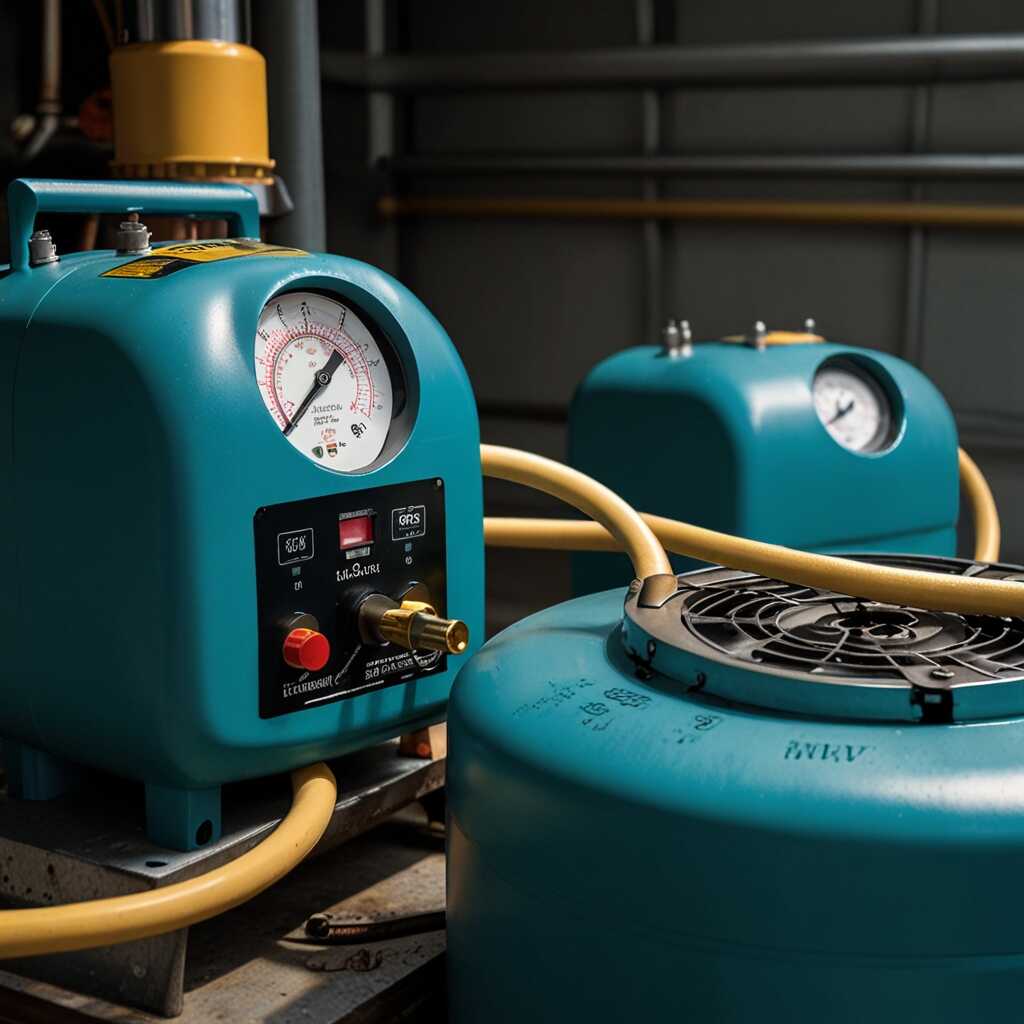
Energy-efficient refrigerant recovery machines create multiple financial advantages that extend beyond simple electricity savings for HVAC operations. Direct operational cost reductions include lower monthly utility bills, typically decreasing by $150-600 monthly for active HVAC businesses depending on recovery frequency and local electricity rates. Indirect savings emerge through increased technician productivity, as faster recovery times enable completion of additional service calls without overtime expenses. Equipment longevity benefits provide long-term value through reduced replacement frequency, with quality energy-efficient models often operating reliably for 12-18 years compared to 8-12 years for standard units. Maintenance cost advantages result from improved component reliability and longer service intervals, typically reducing annual maintenance expenses by $300-800. These financial benefits combine to create compelling business cases, particularly for operations performing regular refrigerant recovery services.
Analyzing Annual Savings from Energy-Efficient Machines
Comprehensive analysis of annual savings from energy-efficient refrigerant recovery machines reveals substantial financial benefits across different operational scales. Small HVAC businesses typically save $2,000-4,000 annually through combined energy, labor, and material efficiency improvements. Medium-sized operations often realize $4,000-8,000 in yearly savings due to higher utilization rates and proportional scaling of benefits. Large commercial HVAC companies frequently achieve savings of $8,000-15,000 annually because consistent daily usage maximizes all efficiency advantages. The savings analysis includes reduced electricity consumption, decreased refrigerant waste, faster job completion times, and lower maintenance requirements. Facilities implementing comprehensive energy management programs alongside efficient recovery equipment often exceed projected savings by 15-25% through synergistic operational improvements and enhanced regulatory compliance capabilities.
Ensuring Compliance with Environmental Regulations
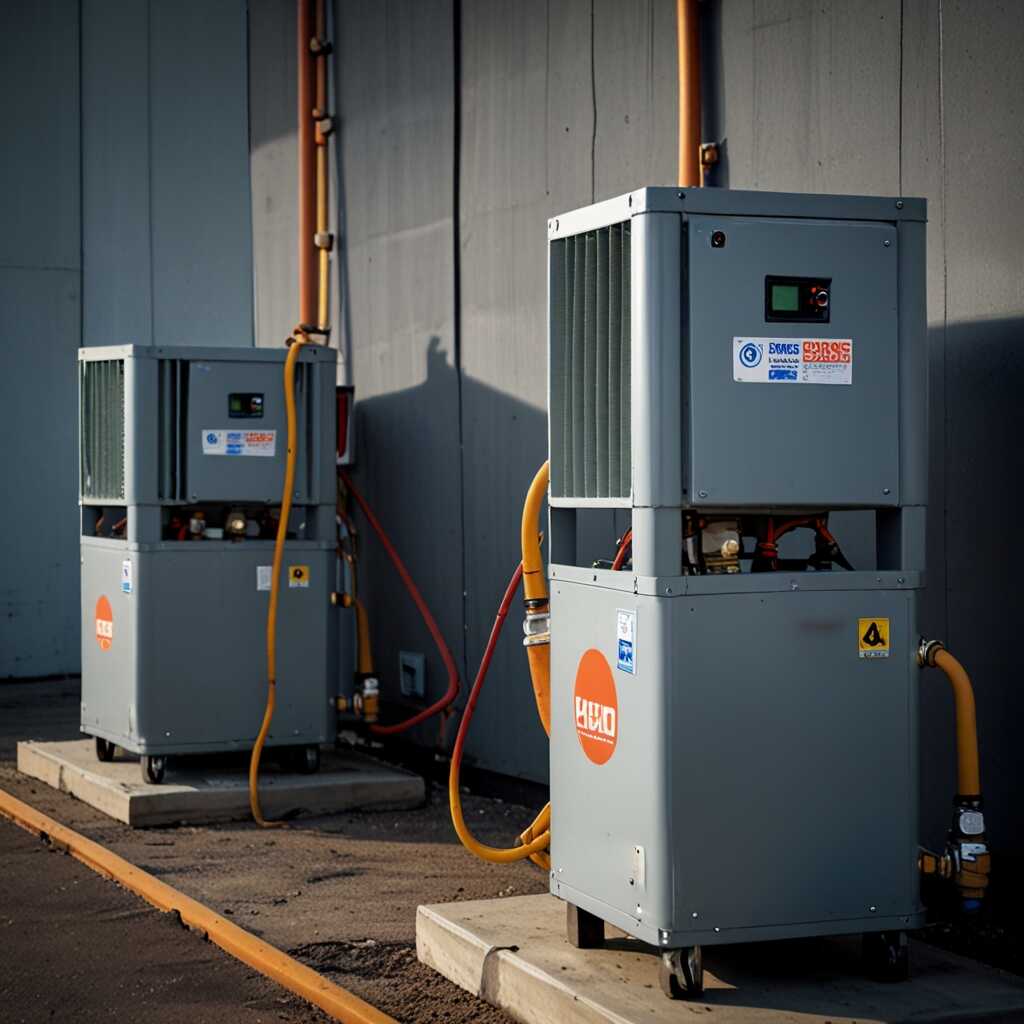
Energy-efficient refrigerant recovery machines play crucial roles in helping HVAC professionals maintain compliance with increasingly stringent environmental regulations. Energy-efficient refrigerant recovery machines significantly help facilities meet EPA requirements under Section 608 of the Clean Air Act, which mandates proper refrigerant recovery and disposal practices. These machines typically include integrated monitoring systems that document recovery amounts, enabling accurate reporting for regulatory compliance purposes. Advanced models often feature automatic leak detection and containment systems that prevent accidental refrigerant releases during recovery operations. The improved recovery efficiency of these machines helps businesses exceed minimum recovery requirements, typically capturing 95-99% of system refrigerant compared to the 80% minimum standard. Enhanced documentation capabilities through digital displays and data logging features simplify compliance reporting and provide audit trails for regulatory inspections.
Key Regulations Affecting HVAC Professionals
HVAC professionals must navigate complex regulatory frameworks that govern refrigerant handling, recovery, and disposal practices. The Clean Air Act Section 608 establishes fundamental requirements for refrigerant recovery, including mandatory certification for technicians and specific recovery efficiency standards based on equipment type and refrigerant classification. EPA regulations specify recovery requirements of 80% efficiency for residential equipment, 85% for commercial low-pressure systems, and 90% for commercial high-pressure systems. The Significant New Alternatives Policy (SNAP) program regulates acceptable refrigerant types and phase-out schedules for ozone-depleting substances. State-level regulations often impose additional requirements, including enhanced reporting, stricter recovery standards, or specific disposal protocols. Energy-efficient recovery machines help ensure compliance by providing consistent performance that meets or exceeds regulatory standards, integrated monitoring for accurate documentation, and reliable operation that prevents compliance failures during critical recovery operations.
Advantages of Using Eco-Friendly Recovery Devices
- They significantly lower operational energy expenses for HVAC systems through optimized power consumption.
- These machines enhance safety by reducing harmful emissions and minimizing refrigerant exposure risks.
- Users frequently experience longer equipment lifespan with proper maintenance, extending 3-5 years beyond standard units.
- Energy-efficient models provide superior compliance with environmental regulations through enhanced recovery efficiency.
- They require less frequent servicing due to improved component reliability, lowering overall maintenance costs.
- Many machines include advanced monitoring features for real-time performance tracking and diagnostics.
- Companies can promote sustainability initiatives which enhance brand reputation and customer trust.
Technical Resources for Refrigerant Recovery Equipment
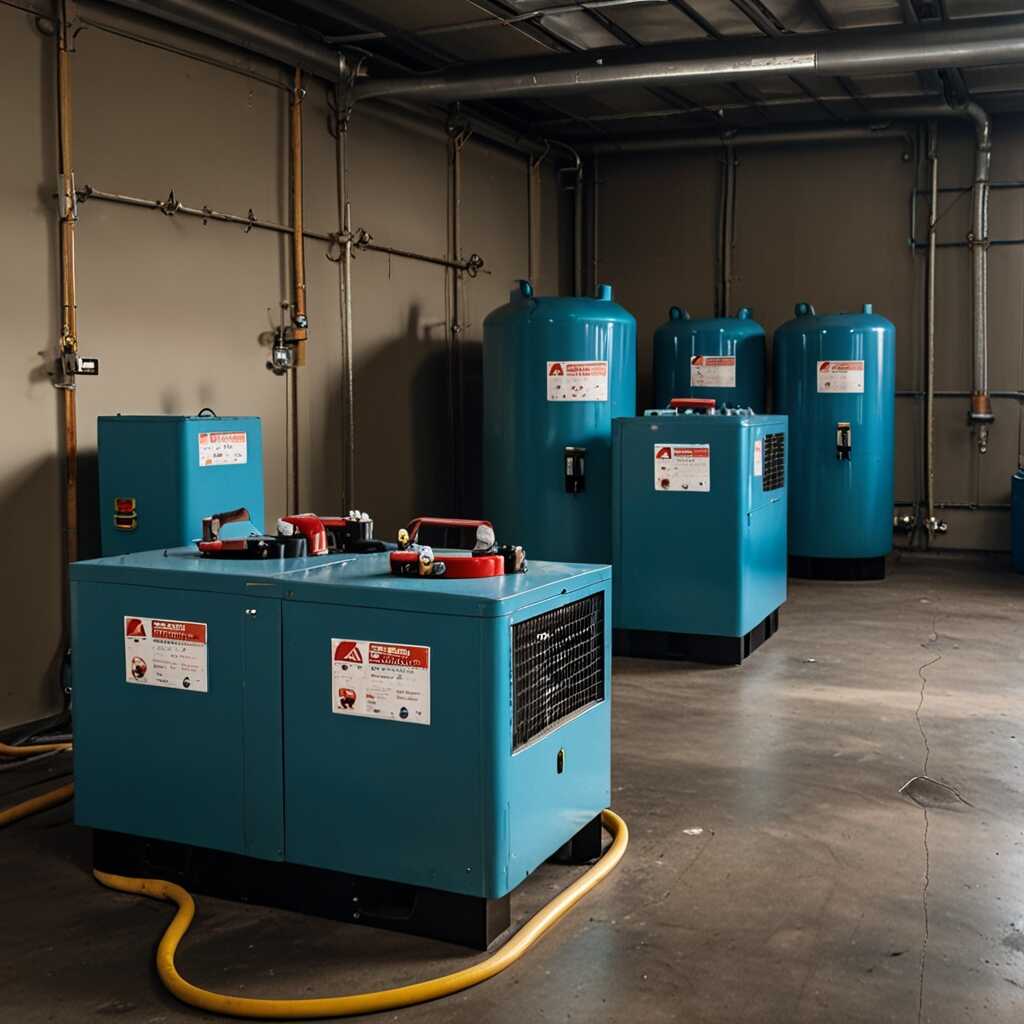
Comprehensive technical support resources enable HVAC professionals to maximize the performance and efficiency of their refrigerant recovery equipment. Common troubleshooting issues include inadequate suction pressure, which often results from clogged filters or worn hose connections, and inconsistent recovery rates that may indicate compressor wear or refrigerant leaks. Diagnostic procedures involve systematically checking electrical connections, verifying proper oil levels, and testing system pressures using manufacturer-specified gauge readings. Routine maintenance protocols include cleaning intake filters monthly, replacing oil annually or after 100 hours of operation, and inspecting hoses quarterly for flexibility and leak integrity. Refrigerant Recovery Pro offers dedicated HVAC technical assistance including phone support, online diagnostic tools, and field service programs. Equipment selection guidance helps technicians choose appropriate models based on application requirements, with portable units suitable for residential service, mid-capacity models ideal for light commercial work, and high-capacity systems designed for large commercial and industrial applications.
Maintenance Best Practices for Refrigerant Recovery Machines
Implementing systematic maintenance practices significantly improves the reliability, efficiency, and lifespan of refrigerant recovery machines while ensuring consistent energy performance. Daily pre-operation checks should include verifying adequate oil levels using the sight glass or dipstick, inspecting hoses for flexibility and connection integrity, and confirming proper gauge readings before connecting to customer systems. Effective maintenance of refrigerant recovery machines greatly improves operational efficiency through preventive care rather than reactive repairs. Weekly maintenance procedures involve cleaning or replacing intake filters to prevent airflow restrictions, checking electrical connections for corrosion or looseness, and testing safety shutdown systems including high-pressure cutoffs and overload protection. Monthly tasks include lubricating moving components according to manufacturer specifications, documenting performance metrics such as recovery rates and power consumption, and conducting pressure tests to verify system integrity. Annual professional servicing should encompass compressor performance analysis, refrigerant system leak testing, and calibration verification to maintain energy efficiency and regulatory compliance throughout the equipment lifecycle.
Successful Case Studies Demonstrating Cost Effectiveness
Multiple HVAC companies have documented substantial cost savings through strategic implementation of energy-efficient refrigerant recovery machines across various operational scales. ABC HVAC Solutions, a medium-sized residential service company, reported annual savings of $3,200 after replacing three standard recovery units with EcoRecover 3000 models, achieving 25% reduction in electricity costs and 20% faster average recovery times. XYZ Climate Control, specializing in light commercial systems, documented $4,800 yearly savings by adopting ProRecover 500 units, realizing 30% lower energy consumption and reduced maintenance expenses. Regional contractor DEF Mechanical Services achieved $7,500 annual savings across their fleet of six recovery machines, with energy efficiency improvements enabling their technicians to complete 18% more service calls daily. These case studies demonstrate how choosing appropriate refrigerant recovery equipment directly impacts operational profitability and business growth.
Analysis of Energy Cost Savings
Detailed analysis of energy cost savings from successful implementations reveals consistent patterns of operational improvement and financial benefit. ABC HVAC Solutions specifically tracked electricity consumption before and after equipment upgrades, documenting average monthly savings of $265 per recovery unit through reduced power consumption and shorter operating times. The comprehensive energy cost analysis from refrigerant recovery machines reveals essential insights about long-term operational efficiency improvements. XYZ Climate Control’s data collection showed that ProRecover 500 models maintained consistent efficiency even during peak summer months when conventional units typically experience performance degradation. DEF Mechanical Services reported that their energy-efficient machines enabled expansion into additional service territories without proportional increases in operational costs, creating competitive advantages in bid situations. Combined data from all three companies indicates average energy cost reductions of 27-33% with payback periods ranging from 16-28 months, proving the value proposition for diverse HVAC business models.
Relevant Companies and Their Offerings for HVAC Systems
- Brand A specializes in reliable performance with basic efficiency features but offers fewer advanced monitoring capabilities.
- Brand B provides comprehensive energy metrics and diagnostic features but commands premium pricing for advanced functionality.
- Brand C focuses on user-friendly designs with intuitive controls, enhancing technician experience and reducing training time.
- Brand D emphasizes eco-friendly models with superior recovery efficiency but has limited distribution in some regions.
- Brand E is renowned for high recovery rates and durability, making them ideal for high-volume commercial operations.
- Brand F offers budget-friendly options suitable for small businesses but may require more frequent maintenance.
- Many food service and pharmaceutical industries prioritize energy-efficient devices due to high refrigerant usage and strict compliance requirements.
Emerging Technologies in Refrigerant Recovery
Recent technological advancements in refrigerant recovery systems incorporate sophisticated digital controls, variable-speed compressor designs, and advanced materials that enhance both efficiency and durability. These emerging technologies enable HVAC technicians to achieve superior operational efficiency through features including real-time performance monitoring, adaptive power consumption algorithms, and predictive maintenance alerts. Innovation testing and development data have proven that new refrigerant recovery machines can provide energy savings of 35-45% compared to models from 5-7 years ago, with continued improvements projected through 2025. Advanced systems now accommodate a broader range of refrigerant types including newer low-GWP alternatives, while maintaining compliance with evolving environmental regulations through enhanced monitoring and documentation capabilities. Equipment evaluation and selection resources help facilities identify the most suitable technologies for their specific operational requirements and efficiency objectives.
Advanced Features of New Refrigerant Recovery Machines
Contemporary refrigerant recovery machines incorporate cutting-edge features that significantly enhance operational efficiency, user experience, and environmental compliance. Advanced features in new refrigerant recovery machines include automatic refrigerant detection systems that identify refrigerant types and adjust recovery parameters accordingly, eliminating guesswork and optimizing performance for each application. Intelligent variable-speed compressors automatically adjust power consumption based on system conditions, reducing energy waste while maintaining consistent recovery rates across varying ambient temperatures. Digital interfaces provide real-time monitoring of critical parameters including recovery rate, power consumption, oil level, and system pressure, enabling operators to identify potential issues before they affect performance. Enhanced safety features include automatic leak detection, emergency shutdown systems, and refrigerant contamination alerts that protect both equipment and operators. Refrigerant Recovery Pro provides extensive resources including technical specifications, comparison guides, and implementation support to help HVAC professionals navigate these emerging technologies and select optimal equipment for their specific operational needs and efficiency goals.