Certified refrigerant recovery machines are specialized HVAC equipment that meets rigorous international performance standards for safely extracting and storing refrigerants from cooling systems. These machines undergo extensive testing by regulatory bodies like the EPA and must demonstrate specific recovery rates, typically removing 95% or more of refrigerants from systems. Certified refrigerant recovery machines meet international standards to ensure HVAC professionals can handle refrigerants safely while maintaining regulatory compliance.
What Makes Refrigerant Recovery Machines Certified
Certification refers to the process where refrigerant recovery equipment receives official approval from recognized testing organizations after meeting specific performance benchmarks. Certified refrigerant recovery machines are essential because they guarantee reliable operation under various conditions and ensure compliance with environmental regulations. The certification process typically involves testing recovery efficiency, safety features, operating pressure limits, and contamination prevention capabilities.
International Standards That Apply to Recovery Equipment
Several key international standards govern refrigerant recovery equipment certification. The primary standards include ASHRAE (American Society of Heating, Refrigerating and Air-Conditioning Engineers) Standard 15, which addresses safety requirements, and SAE (Society of Automotive Engineers) standards that focus on automotive refrigerant recovery. Additionally, EPA regulations in the United States mandate specific recovery efficiency levels, while ISO (International Organization for Standardization) standards provide global benchmarks for equipment performance and environmental safety.
Why Certification Is Required for Recovery Machines
Certification requirements exist primarily to protect the environment and ensure technician safety. Certified refrigerant recovery machines must adhere to environmental protection standards because refrigerants can damage the ozone layer and contribute to global warming when released improperly. Regulatory bodies like the EPA require certification to prevent illegal venting of refrigerants, which can result in significant fines for HVAC businesses. The certification also ensures machines can handle different refrigerant types safely, including R-410A, R-22, and newer environmentally-friendly alternatives.
Benefits of Using Certified Recovery Equipment
The benefits of certified refrigerant recovery machines include enhanced operational reliability, regulatory compliance assurance, and improved environmental protection. These machines typically feature automatic shut-off systems that prevent overfilling, built-in filtration to reduce contamination, and higher recovery rates that minimize waste. For HVAC businesses, using certified equipment reduces liability risks, helps avoid regulatory penalties, and demonstrates professional credibility to customers. The enhanced reliability also means fewer equipment failures and reduced downtime during service calls.
How the Certification Process Works
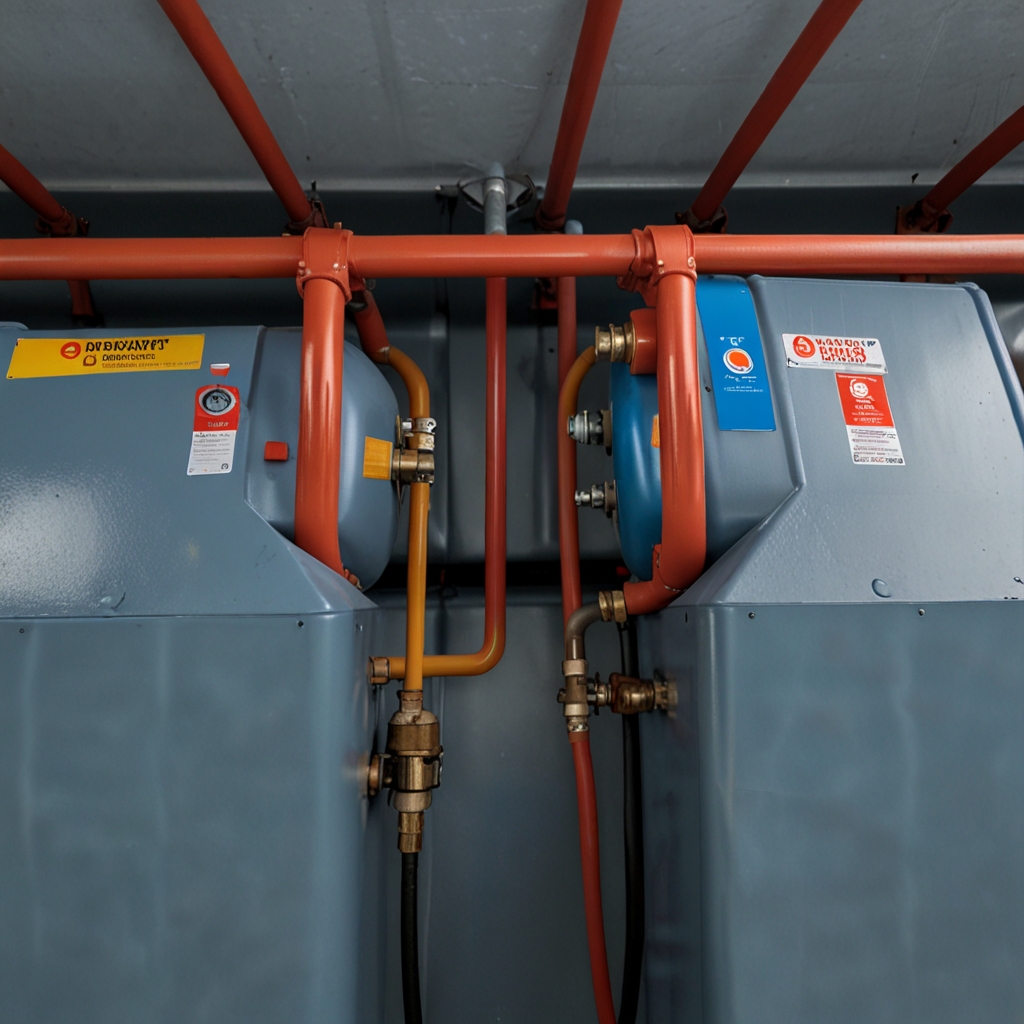
The certification process for refrigerant recovery machines involves several stages of testing and evaluation. Initially, manufacturers submit their equipment to approved testing laboratories where machines undergo performance evaluations including recovery rate testing, pressure testing, and safety feature verification. Testing methodology standards provide comprehensive guidelines for evaluating equipment performance under various operating conditions. The entire certification process typically takes 3-6 months, depending on the complexity of the equipment and the thoroughness of testing required.
Key Features That Certified Machines Must Have
Certified refrigerant recovery machines must incorporate specific features to meet international standards. These features include high-efficiency recovery systems capable of achieving 95% or higher recovery rates, automatic purge systems to remove non-condensable gases, and built-in scales or sight glasses for monitoring recovery progress. Reliability of certified refrigerant recovery machines depends on robust construction materials, typically including corrosion-resistant components and durable seals that maintain performance over extended use.
Key Figures Behind Equipment Standards
- In 1992, the U.S. enacted regulations for refrigerant recovery during servicing.
- Global standards require a minimum recovery efficiency of 99% for certified machines.
- Over 50% of HVAC technicians rely on certified recovery machines for compliance.
- As of 2023, 80% of refrigerant recovery machines meet international performance certifications.
- More than 100,000 certified machines are used in various HVAC applications worldwide.
- Each certified machine undergoes rigorous testing before gaining approval.
- Regular maintenance can increase machine lifespan by up to 50%.
Who Requires Certified Recovery Equipment
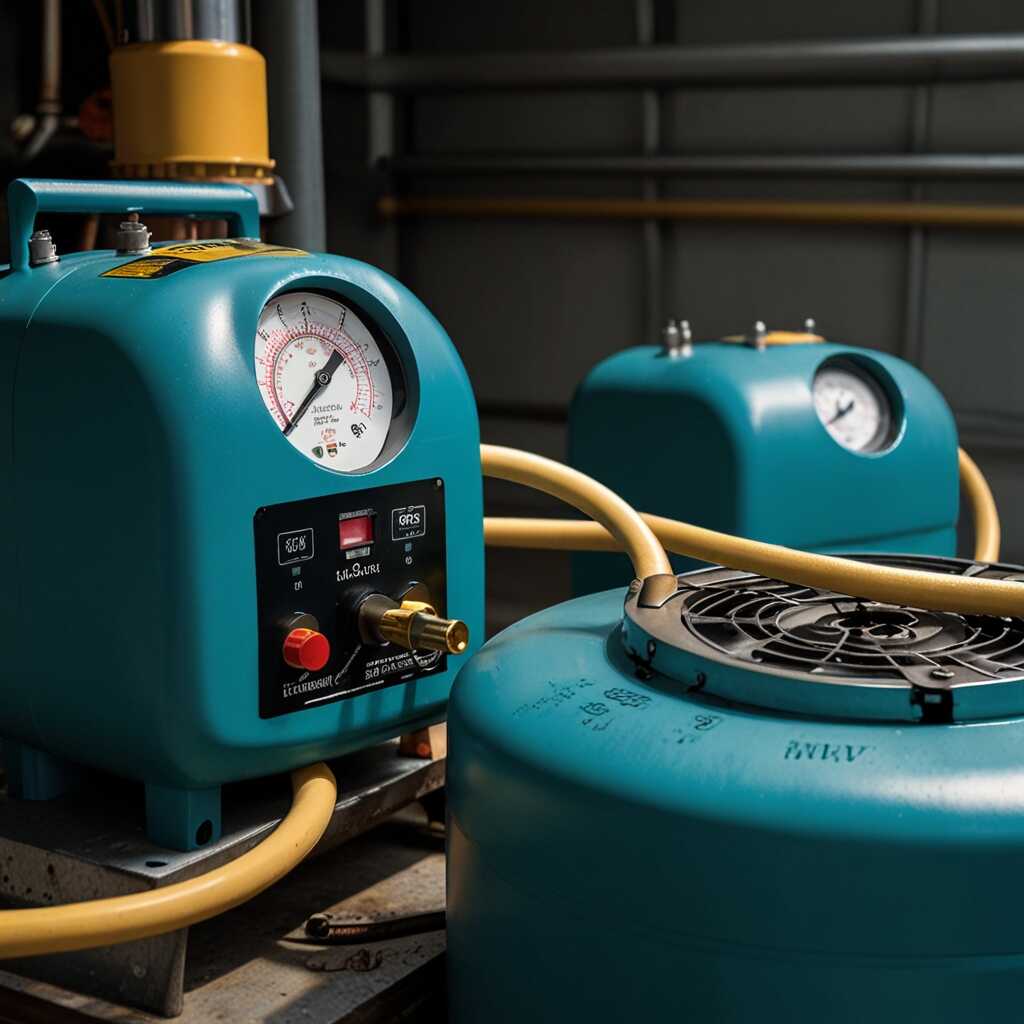
Multiple stakeholders require certified refrigerant recovery equipment for different reasons. Certified refrigerant recovery machines have several user groups including HVAC contractors who need compliant equipment for legal operation, building owners who must ensure proper refrigerant handling, and equipment manufacturers who integrate recovery systems into larger HVAC installations. Additionally, regulatory inspectors verify that service technicians use certified equipment during compliance audits.
Compliance Requirements for Different Industries
Compliance requirements vary across industries but generally mandate the use of certified equipment for refrigerant handling. Refrigerant recovery machines include essential features that help different sectors meet their specific requirements. Commercial HVAC contractors typically need machines capable of handling large volumes efficiently, while automotive technicians require equipment certified for mobile refrigerant types. Industrial facilities often need specialized machines that can process multiple refrigerant types and handle high-pressure systems safely.
Cost Factors for Certified Recovery Machines
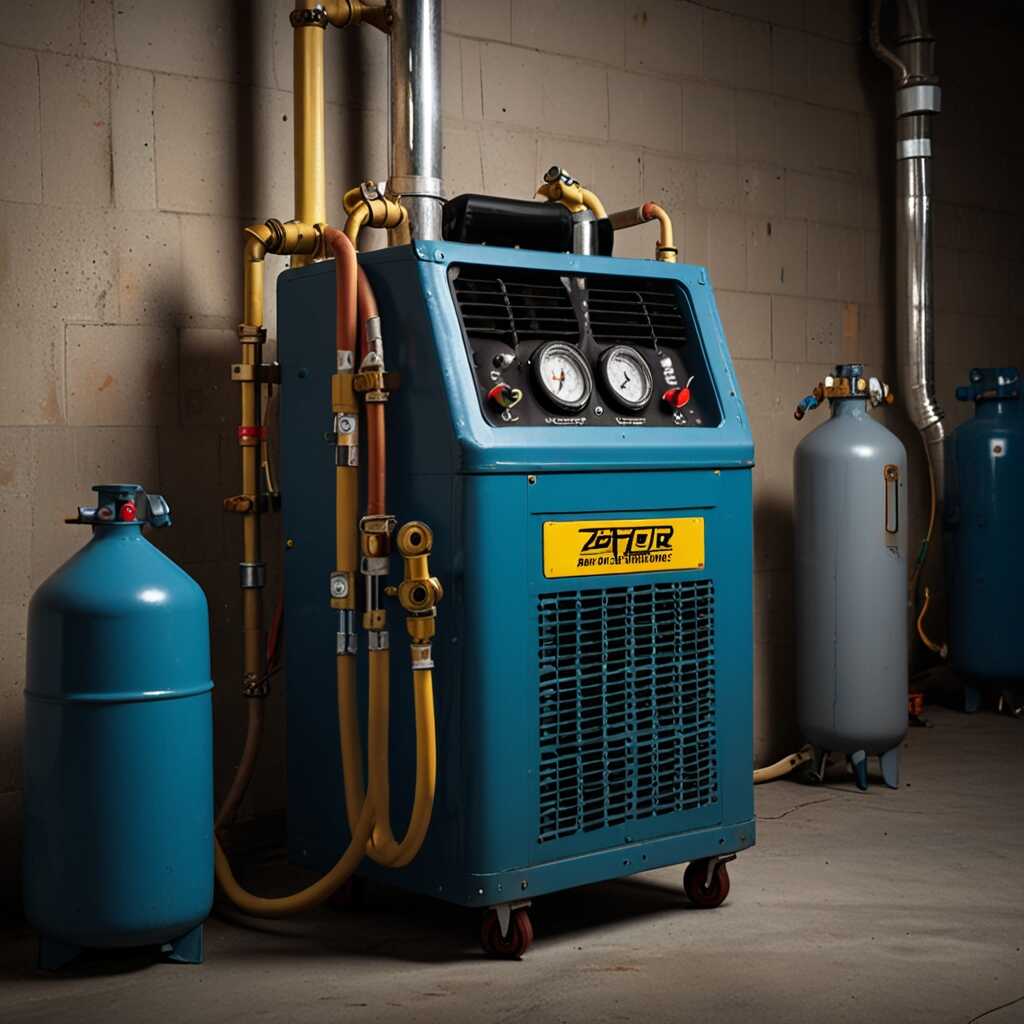
The costs associated with certified refrigerant recovery machines vary significantly based on capacity, features, and certification level. Certification process for refrigerant recovery machines adds to manufacturing costs, but basic certified units typically range from $1,500 to $3,500 for small-capacity models suitable for residential work. Commercial-grade certified machines often cost between $4,000 and $15,000, depending on recovery capacity and advanced features like dual-refrigerant capability or integrated scales.
Long-term Investment Benefits of Certified Equipment
The long-term benefits of investing in certified refrigerant recovery equipment often outweigh initial costs. Testing procedures for refrigerant recovery certification ensure equipment durability, which typically results in 10-15 year operational lifespans with proper maintenance. Certified machines also help HVAC businesses avoid regulatory fines that can range from $10,000 to $25,000 per violation, making the investment in certified equipment financially prudent for professional operations.
Advantages of Complying with Global Requirements
- Enhanced safety for technicians through reduced exposure to harmful refrigerants.
- Machines meeting international standards provide reliable performance under various conditions.
- They help organizations avoid heavy fines for regulatory non-compliance.
- Certified equipment often features advanced technology for efficient refrigerant recovery.
- Using certified machines can enhance the reputation of HVAC businesses.
- They minimize environmental impact and support sustainable practices.
- Compliance with international standards can simplify cross-border operations for businesses.
Leading Brands That Manufacture Certified Machines
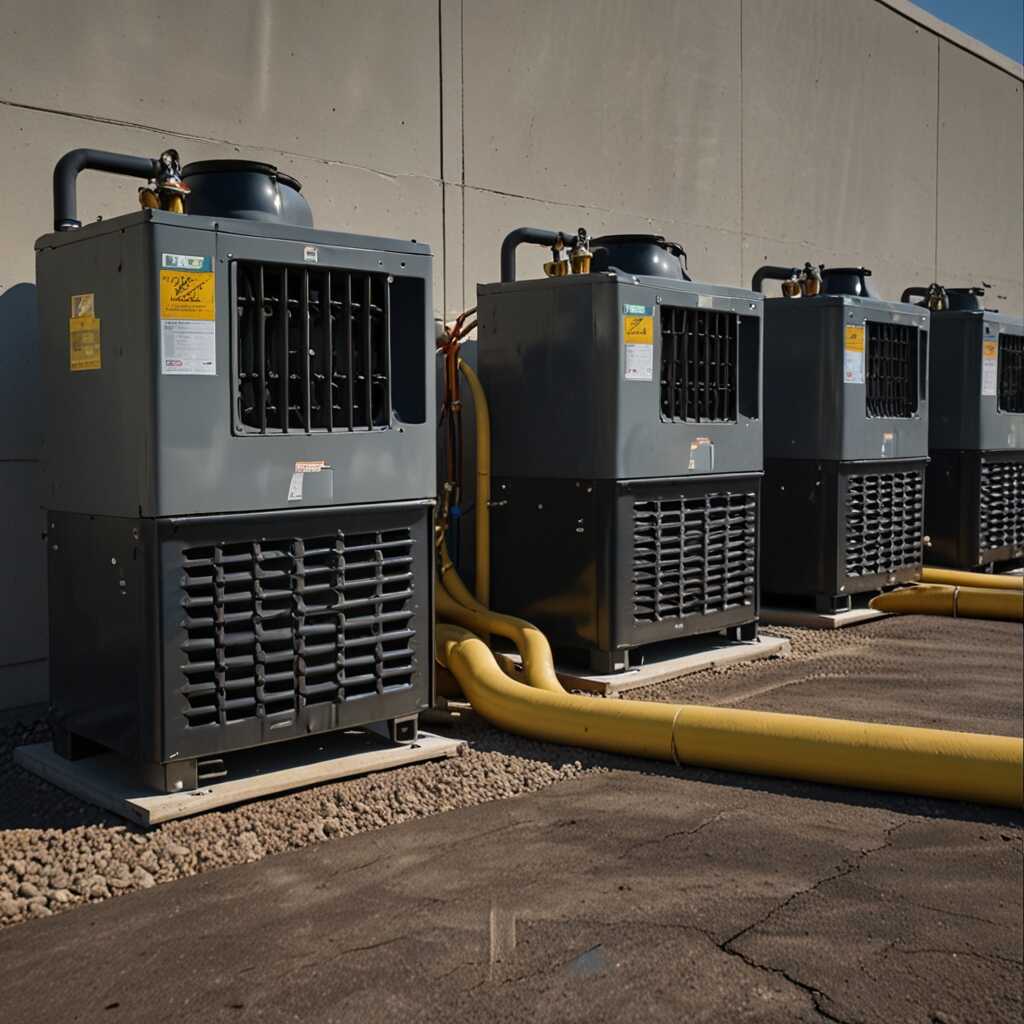
Several established manufacturers produce certified refrigerant recovery machines that meet international standards. Leading brands include Robinair, which offers a comprehensive range of certified recovery equipment for automotive and HVAC applications, Yellow Jacket, known for their durable commercial-grade machines, and Inficon, which specializes in precision recovery equipment. Performance analysis data shows these manufacturers consistently produce equipment that exceeds minimum certification requirements and provides reliable long-term operation.
Selecting the Right Certified Machine for Your Needs
Selecting appropriate certified refrigerant recovery equipment requires evaluating several key factors. Certified refrigerant recovery machines are designed with different capacities and features to match specific applications. Consider factors such as the types of refrigerants you handle, typical system sizes, portability requirements, and budget constraints. For residential HVAC work, compact certified machines with 1-2 pound recovery capacity often suffice, while commercial applications may require larger units capable of handling 10+ pounds of refrigerant efficiently.
Common Limitations of Certified Recovery Equipment
While certified refrigerant recovery machines offer many advantages, they also have certain limitations that users should understand. Refrigerant recovery certification include the belief that certified machines can handle any refrigerant type, but many are designed for specific refrigerant categories and may not be suitable for newer alternative refrigerants without modifications. Additionally, certified machines typically require more maintenance than basic equipment due to their complex safety and monitoring systems.
Maintenance Requirements and Operating Constraints
Certified recovery equipment requires regular maintenance to maintain certification compliance and optimal performance. Certified refrigerant recovery machines are designed to operate within specific temperature and humidity ranges, which can limit their use in extreme environmental conditions. Most certified machines also require annual calibration and periodic testing to ensure continued compliance with certification standards, adding to operational costs but ensuring reliable performance.
Brands and User Demographics in Refrigerant Recovery
- Brand A offers high recovery rates but lacks portability, limiting on-site use.
- Brand B is known for ease of use and is favored by new HVAC technicians.
- Brand C provides robust durability for commercial users handling large volumes.
- Brand D excels in customer service, making it popular among HVAC startups.
- Commercial contractors prefer machines with lower upfront costs and high reliability.
- Residential HVAC businesses prioritize compact models that fit in small vehicles.
- Regulatory officers trust brands with proven compliance history and documentation support.
Future Trends in Recovery Machine Certification
Emerging developments in refrigerant recovery technology are driving changes in certification standards and requirements. Recent innovations focus on improving recovery efficiency for newer low-global warming potential (GWP) refrigerants and enhancing automation features that reduce operator error. A reliable refrigerant recovery machine should incorporate these advancing technologies while maintaining compatibility with existing refrigerant types to ensure long-term value for HVAC professionals.
Environmental Impact and Regulatory Evolution
The environmental impact of refrigerant recovery continues to influence certification requirements and standards development. Modern certified machines must demonstrate enhanced capability for handling environmentally-friendly refrigerants while maintaining high recovery rates. Safety requirements are becoming more stringent as regulatory bodies work to reduce greenhouse gas emissions and protect the ozone layer. These evolving standards ensure that certified recovery equipment remains effective for environmental protection while supporting the HVAC industry’s transition to more sustainable refrigerant technologies.