Self-purging refrigerant recovery machines save significant time on equipment cleaning by automatically removing residual refrigerant from internal components after each use. These specialized HVAC tools eliminate manual purging steps, reduce cross-contamination risks, and typically cut cleaning time in half compared to traditional recovery units.
Understanding Self-Purging Refrigerant Recovery Technology
Self-purging refrigerant recovery machines are specialized HVAC service tools that automatically clear residual refrigerant from their internal pathways after completing a recovery operation. Unlike conventional recovery units that require manual purging between different refrigerant types, these automated systems use built-in mechanisms to expel remaining refrigerant vapors and liquids without technician intervention. The technology works through integrated purge cycles that activate after each recovery session, using either pressure differentials or dedicated purge valves to ensure complete evacuation of the machine’s internal components.
How Self-Purging Systems Function During Recovery Operations
The self-purging process operates through a series of automated steps that begin immediately after refrigerant recovery completes. First, the machine isolates its internal recovery circuit from the external system using automatic shut-off valves. Next, a purge mechanism activates, creating either positive pressure or vacuum conditions that force residual refrigerant out through designated purge ports. This automated cleaning cycle typically takes between three to five minutes, depending on the machine’s design and the type of refrigerant being cleared. Modern self-purging units often include indicator lights or digital displays that show when the purge cycle is active and when the machine is ready for the next recovery operation.
Time-Saving Benefits of Automated Purging Technology
The primary benefit of self-purging recovery machines lies in their ability to dramatically reduce equipment cleaning time between jobs. Traditional recovery units often require technicians to spend considerable time manually purging lines, changing filters, and cleaning internal components to prevent refrigerant cross-contamination. Self-purging technology eliminates most of these manual steps, allowing HVAC professionals to move quickly between service calls without compromising recovery quality or risking refrigerant mixing. Performance analysis shows these machines deliver consistent results while minimizing downtime between recovery operations.
Comparing Cleaning Requirements: Self-Purging vs Traditional Units
Traditional refrigerant recovery machines demand extensive cleaning procedures that can add substantial time to each service call. Technicians must manually evacuate residual refrigerant, often requiring multiple purge cycles and careful monitoring to ensure complete removal. Filter changes become more frequent with traditional units, as contaminants accumulate without automatic clearing. In contrast, self-purging machines handle these tasks automatically, requiring only periodic filter maintenance and occasional deep cleaning. The automated purge function continuously maintains cleaner internal pathways, which extends filter life and reduces the frequency of major maintenance procedures. This efficiency translates directly into more billable hours for HVAC contractors and faster service for customers.
Common Challenges in Refrigerant Recovery Operations
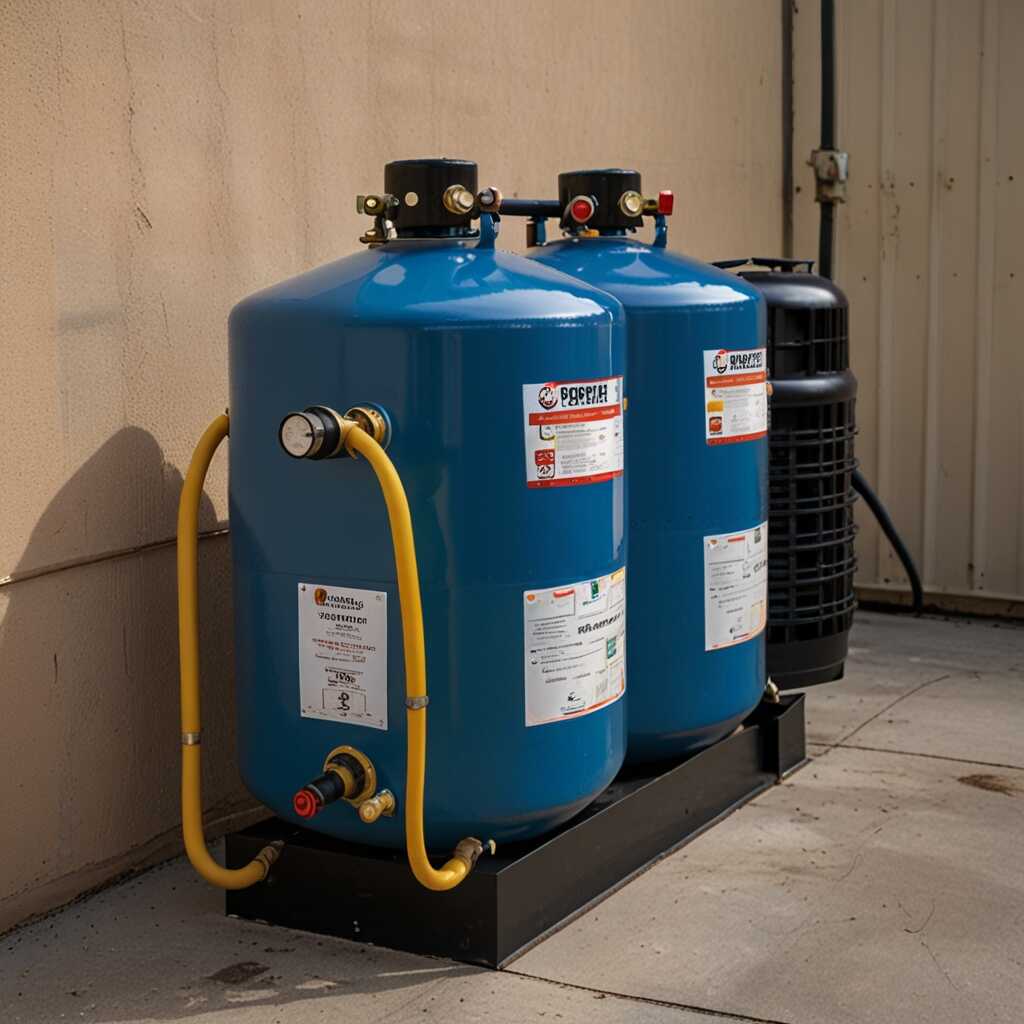
HVAC technicians regularly encounter several challenges during refrigerant recovery that self-purging technology helps address. Cross-contamination between different refrigerant types poses a significant risk when using traditional recovery equipment, potentially damaging customer systems or violating EPA regulations. Manual purging procedures often prove inconsistent, with residual refrigerant remaining in hoses, manifolds, and internal components despite careful cleaning efforts. Equipment downtime for cleaning between jobs reduces daily productivity, while inadequate purging can lead to compressor damage in recovery machines. Safety requirements demand proper handling procedures that self-purging systems help ensure through automated processes.
Operational Advantages of Automated Purging Systems
Self-purging recovery machines offer multiple operational advantages beyond time savings. The consistent, automated cleaning process ensures more reliable recovery performance across different refrigerant types and system conditions. Technicians experience less exposure to refrigerant vapors during cleaning procedures, enhancing workplace safety. The reduced need for manual intervention minimizes opportunities for procedural errors that could compromise recovery quality or damage equipment. These machines typically feature more robust internal components designed to withstand frequent purge cycles, resulting in longer service life compared to traditional units that experience more wear from manual cleaning processes.
Key Features That Enhance Recovery Machine Performance
- Automatic purge activation prevents technician oversight and ensures consistent cleaning after every use
- Multi-stage filtration systems work with purging mechanisms to maintain internal cleanliness
- Digital controls allow customization of purge duration based on refrigerant type and system size
- Oil-less compressor designs in many self-purging models eliminate oil contamination concerns
- Quick-disconnect fittings facilitate faster hose changes while maintaining system integrity
- Visual or audible indicators confirm successful purge completion before next recovery operation
- Dual refrigerant compatibility allows switching between common types without extensive cleaning
Meeting EPA Compliance Through Advanced Recovery Technology
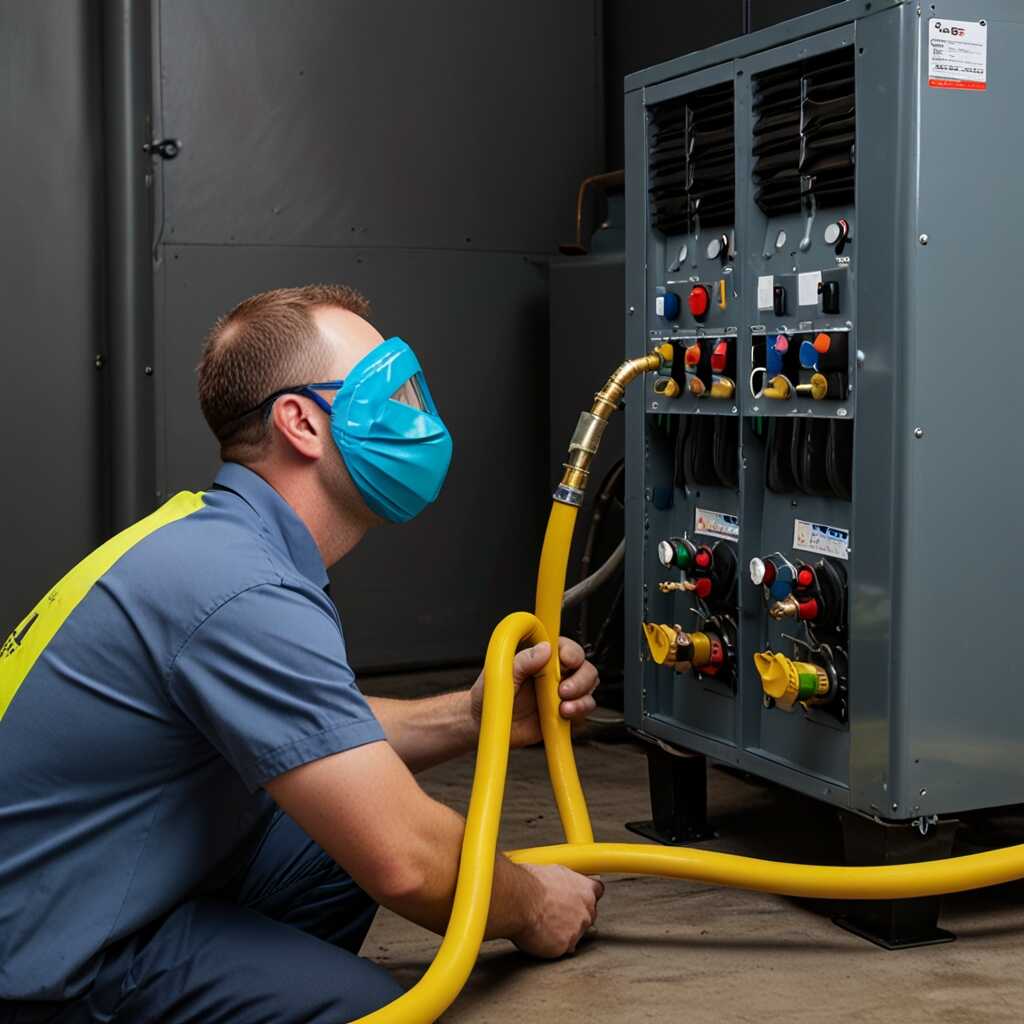
Environmental Protection Agency regulations require HVAC technicians to properly recover refrigerants without releasing them into the atmosphere. Self-purging recovery machines enhance compliance by ensuring complete refrigerant removal from equipment between uses, preventing accidental releases during hose disconnection or filter changes. The automated purging process creates a documented, repeatable procedure that satisfies EPA requirements for proper refrigerant handling. These machines often include built-in features like automatic shut-off at required vacuum levels and leak detection systems that further support regulatory compliance. Testing methodology for these units confirms their ability to meet or exceed EPA recovery efficiency standards.
Regulatory Standards and Certification Requirements
Self-purging refrigerant recovery machines must meet specific EPA certifications under Section 608 of the Clean Air Act. These certifications verify that machines can achieve required recovery levels for different refrigerant categories, including high-pressure refrigerants like R-410A and medium-pressure options like R-134a. The self-purging feature particularly benefits compliance when working with multiple refrigerant types, as it prevents cross-contamination that could violate EPA mixing prohibitions. Certified machines display EPA registration numbers and must maintain recovery efficiency throughout their service life. Regular testing ensures these units continue meeting standards, with self-purging mechanisms helping maintain consistent performance by keeping internal components clean.
Comparing Self-Purging and Traditional Recovery Equipment
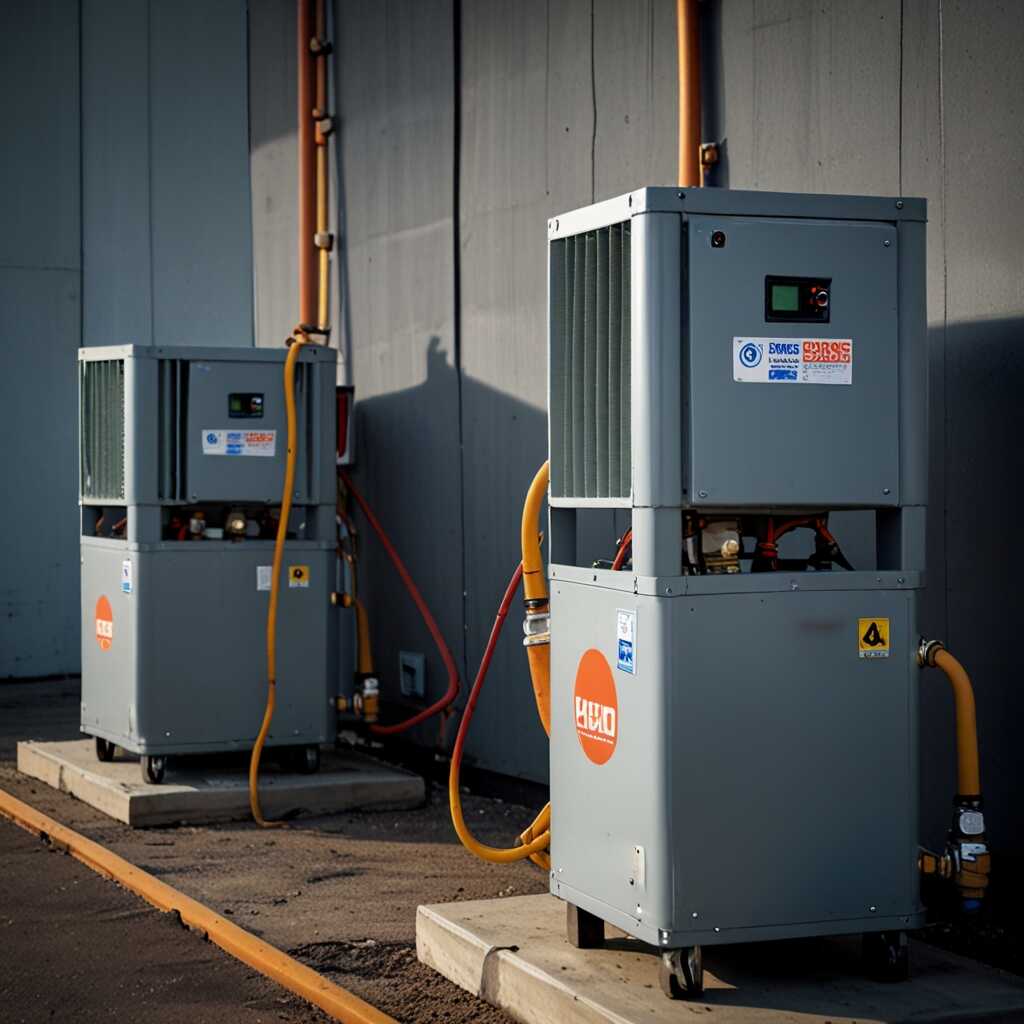
The fundamental difference between self-purging and traditional recovery machines lies in their approach to equipment maintenance and refrigerant handling. Traditional units rely entirely on manual procedures for clearing residual refrigerant, requiring technicians to follow specific purging protocols that vary by manufacturer and refrigerant type. Self-purging models automate this critical process, using integrated systems to clear refrigerant without technician intervention. This automation extends beyond simple convenience, affecting recovery speed, cross-contamination risk, maintenance requirements, and overall operational efficiency. Comparison tables reveal significant operational differences that impact daily HVAC service operations.
Cost Analysis: Initial Investment vs Long-Term Savings
Self-purging refrigerant recovery machines typically command higher initial purchase prices compared to traditional models, with costs varying based on features and capacity. Entry-level self-purging units generally start around $800-1,200, while professional-grade models range from $1,500-3,000. Traditional recovery machines cost less initially, often priced between $400-1,000 for comparable capacity. However, the long-term financial analysis favors self-purging technology when considering reduced labor time, extended equipment life, and lower maintenance costs. HVAC contractors report that time savings alone can justify the additional investment within the first year of regular use, particularly for businesses handling multiple service calls daily.
Factors Influencing Recovery Machine Selection
- Service volume determines whether time savings justify higher initial investment in self-purging technology
- Refrigerant variety handled affects contamination risk and cleaning frequency requirements
- Technician skill level influences ability to properly maintain traditional units versus automated systems
- Geographic service area impacts portability needs and machine size considerations
- Customer base expectations regarding service speed and environmental compliance
- Available storage space for equipment and related cleaning supplies
- Budget constraints must balance immediate costs against long-term operational savings
Selection Criteria for Refrigerant Recovery Equipment
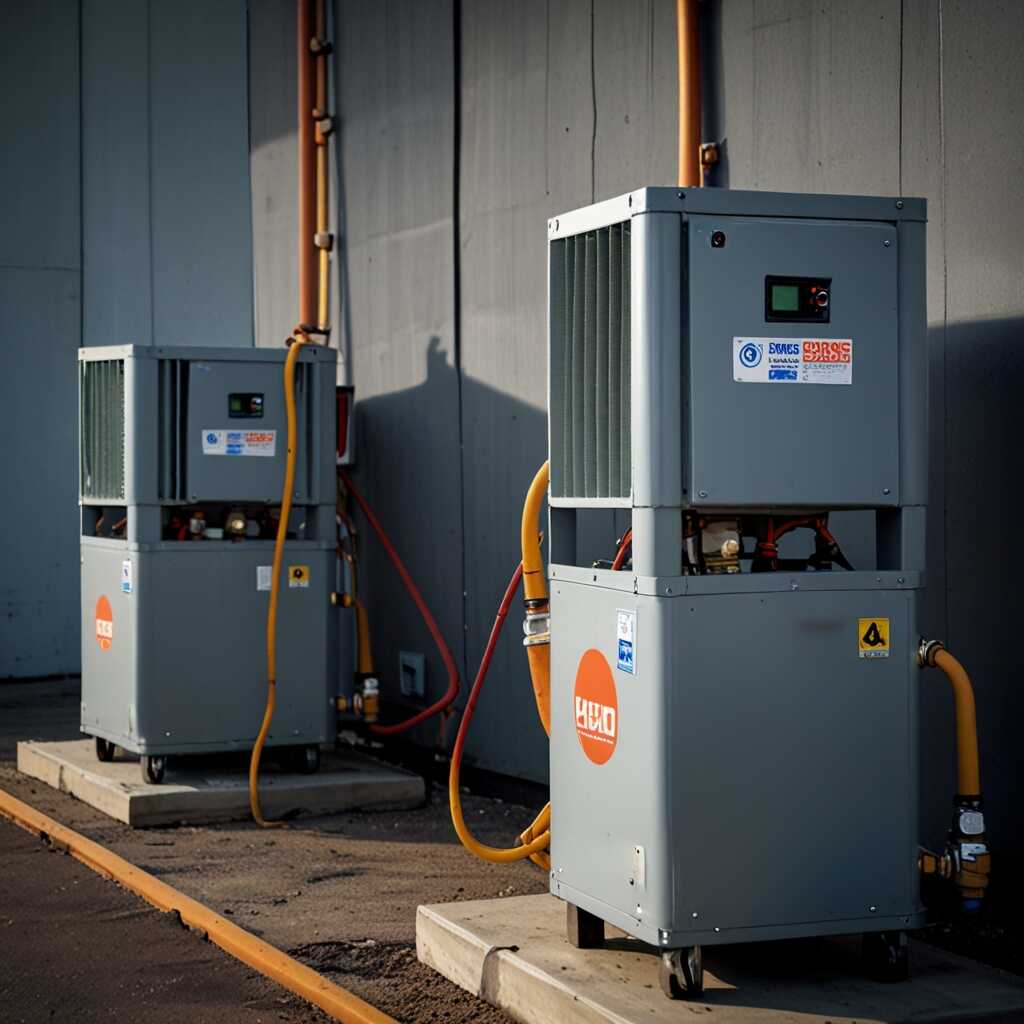
Choosing the right refrigerant recovery machine requires careful evaluation of multiple factors beyond the self-purging feature. Recovery speed, measured in pounds per minute, directly impacts job completion time and should match typical system sizes serviced. Refrigerant compatibility ensures the machine handles all types encountered in your service area, from older R-22 systems to modern R-410A and emerging low-GWP alternatives. Build quality affects durability and reliability, with commercial-grade components lasting longer under heavy use. Key attributes include compressor type, filter capacity, and hose length options that influence daily usability.
Essential Features for Professional Recovery Operations
Professional-grade self-purging recovery machines should include several critical features for optimal performance. Digital gauges provide accurate pressure readings essential for proper recovery completion. Variable-speed recovery allows adjustment based on ambient temperature and system conditions. Large-capacity storage tanks minimize interruptions for refrigerant transfer during bigger jobs. Portability features like sturdy wheels and balanced weight distribution matter for technicians moving equipment between service locations. Advanced models offer data logging capabilities for documenting recovery amounts and maintaining service records. The combination of these features with self-purging technology creates a comprehensive solution for efficient refrigerant recovery.
Implementation Success in HVAC Service Operations
HVAC service companies implementing self-purging recovery technology report significant improvements in operational efficiency and customer satisfaction. A medium-sized contractor serving commercial clients found that self-purging machines allowed technicians to complete additional service calls each day by eliminating lengthy cleaning procedures between jobs. Residential service specialists appreciate the reduced risk of refrigerant cross-contamination when moving between different system types throughout their routes. The consistency of automated purging also reduces callbacks related to improper refrigerant recovery or system contamination. Product reviews from field technicians highlight real-world performance benefits beyond manufacturer claims.
Best Practices for Maximizing Self-Purging Technology Benefits
Successful implementation of self-purging recovery machines requires proper training and maintenance protocols. Technicians should understand the specific purge cycle timing for their equipment and avoid interrupting automated sequences. Regular filter replacement remains important, though less frequent than with traditional units. Proper hose management prevents external contamination that could compromise the self-purging system’s effectiveness. Some operators develop refrigerant-specific hose sets to further minimize cross-contamination risks. Documentation of purge cycles helps track equipment performance and identify potential maintenance needs before failures occur.
Leading Manufacturers and Model Comparisons
- Appion offers robust self-purging models with fast recovery rates suitable for commercial applications
- Fieldpiece focuses on portable units with intuitive controls designed for residential service technicians
- Robinair provides various capacity options with proven reliability in demanding service environments
- Yellow Jacket emphasizes durability with heavy-duty components built for continuous operation
- CPS Products delivers value-oriented models balancing features with affordable pricing
- Mastercool specializes in high-capacity units for large commercial and industrial applications
- JB Industries offers compact designs ideal for technicians with limited vehicle space
Future Developments in Recovery Machine Technology
The evolution of refrigerant recovery technology continues advancing with improvements to self-purging systems and overall machine capabilities. Manufacturers now integrate IoT connectivity for remote monitoring and predictive maintenance alerts. Smart purging systems adapt cycle duration based on detected refrigerant types and quantities, optimizing cleaning effectiveness while minimizing time. Enhanced filtration technologies work alongside self-purging mechanisms to maintain even higher purity levels. Development focus includes accommodating new low-GWP refrigerants that may require different recovery parameters. These innovations aim to further reduce service time while improving recovery quality and equipment longevity.
Preparing for Next-Generation Refrigerant Challenges
As the HVAC industry transitions to environmentally friendly refrigerants, recovery equipment must adapt to handle new chemical properties and pressure characteristics. Self-purging technology becomes increasingly important when dealing with refrigerant blends that separate more readily than traditional single-component options. Future machines will likely feature automatic refrigerant identification to optimize purge cycles for specific types. Regulatory changes may require even more stringent recovery levels, making efficient purging essential for compliance. HVAC professionals investing in current self-purging technology position themselves advantageously for upcoming industry changes while immediately benefiting from improved operational efficiency.