LCD pressure displays are digital readouts that show precise pressure measurements in refrigerant recovery machines, replacing traditional analog gauges with clear numerical values. These displays help HVAC technicians monitor system pressure accurately during recovery operations, reducing misreading errors common with analog gauges. The technology provides real-time feedback, allowing technicians to make informed adjustments throughout the refrigerant recovery process for better compliance with environmental regulations.
Benefits of Using LCD Pressure Displays for Accuracy
LCD pressure displays significantly enhance the accuracy of refrigerant recovery by offering precise readings and reducing user error. These displays are designed to provide data that users can trust. Traditional pressure gauges can be difficult to read and prone to human error, particularly in poor lighting conditions or when viewed from angles. Digital displays eliminate guesswork by presenting exact numerical values, making it easier for technicians to document pressure readings for regulatory compliance.
How LCD Displays Work in Recovery Systems
LCD pressure displays work by converting analog pressure signals into digital readouts through electronic sensors and microprocessors. The system measures pressure from refrigerant lines and converts these measurements into easily readable numbers on the screen. This process eliminates the parallax errors that commonly occur with analog gauges, where the reading appears different depending on the viewing angle. The displays typically update several times per second, providing real-time monitoring during recovery operations.
Essential Components of Refrigerant Recovery Machines
The main components of refrigerant recovery machines include compressors, condensers, evaporators, and LCD pressure displays. Each component plays a crucial role in the refrigerant recovery process. The compressor circulates refrigerant, while the condenser helps cool it down. The evaporator functions to collect vapor, and the LCD pressure display offers real-time monitoring of pressure levels during recovery, ensuring accuracy. Modern recovery machines typically integrate these components into compact, portable units designed for field service work.
Importance of LCD Pressure Displays in Recovery Machines
LCD pressure displays are essential features in modern refrigerant recovery machines. These displays provide clear, real-time pressure readings, enabling HVAC technicians to monitor the recovery process closely. A well-designed LCD display enhances user experience by making it easy to read pressure levels accurately. This accuracy is vital for maintaining environmental compliance and ensuring the effectiveness of the recovery operation. High-quality LCD displays often include additional features like backlit screens for low-light conditions and peak-hold functions for recording maximum pressures. The integration of LCD technology into recovery equipment signifies a leap towards better reliability and efficiency in refrigerant recovery.
Key Accuracy Challenges in Refrigerant Recovery
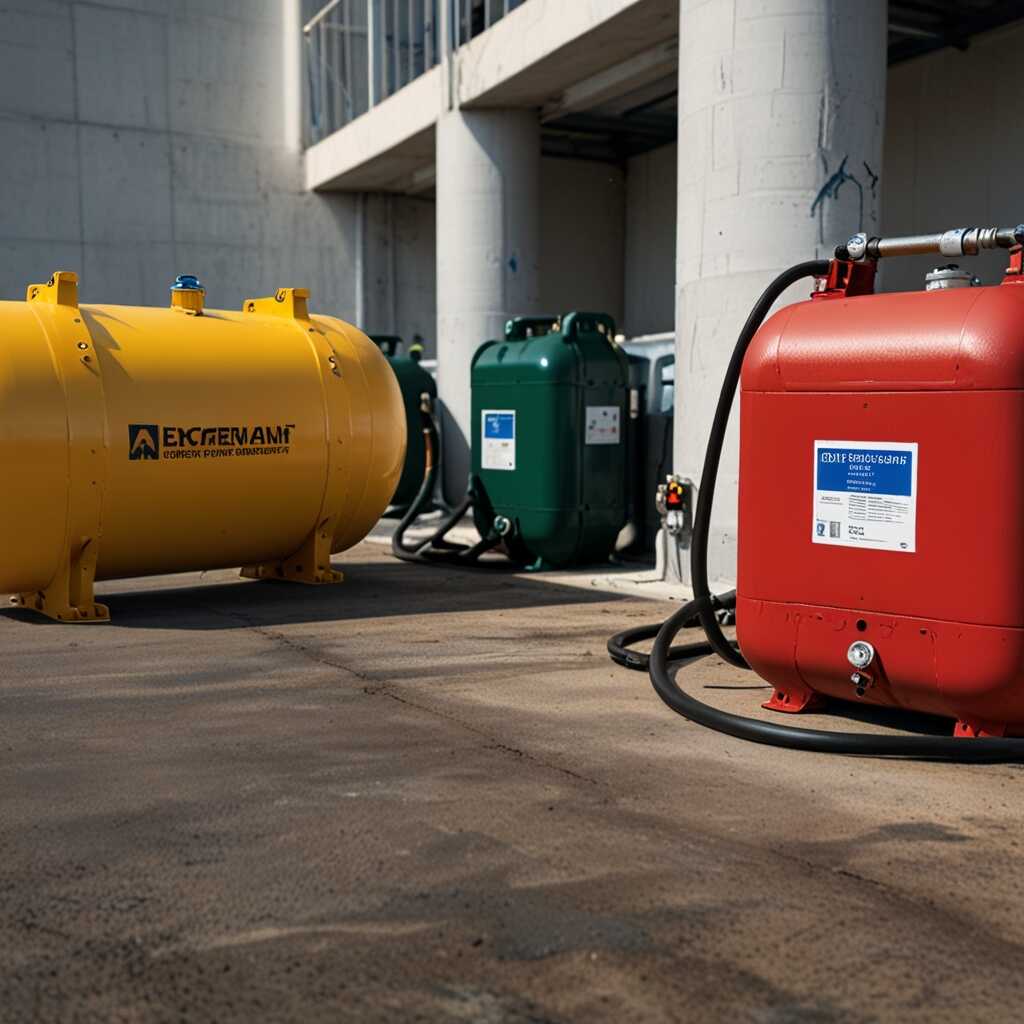
Common accuracy challenges in refrigerant recovery include improper measurement techniques, equipment malfunctions, and environmental factors. Technicians often face issues like fluctuating temperatures that affect the pressure readings. Inadequate training can lead to mistakes in interpreting these readings, impacting the efficiency of the recovery process. Furthermore, the type and age of equipment play a significant role in ensuring reliability. Poorly calibrated machines can result in incomplete recovery and potential compliance violations.
What Are the Limitations of LCD Pressure Displays
LCD pressure displays have several limitations that technicians should consider. The displays require electrical power to operate, making them vulnerable to battery failure or power supply issues during field work. Electronic components can be more sensitive to extreme temperatures and vibration compared to mechanical gauges. Additionally, LCD screens can crack or become damaged more easily than traditional gauges, requiring careful handling and protection. Some technicians find that bright sunlight can reduce screen visibility despite backlighting features.
Technological Innovations Shaping HVAC Practices
LCD pressure displays improve accuracy in refrigerant recovery machines by providing real-time pressure readings. These displays ensure that technicians make precise adjustments during recovery. This accuracy leads to enhanced reliability of the entire refrigerant recovery process. Technological advancements in HVAC focus on tools that are designed for maximum efficiency and accuracy. Modern recovery machines typically handle various refrigerant types including R-410A, R-22, and newer refrigerants, ensuring versatility for HVAC technicians working with different systems.
Who Should Use LCD Pressure Display Equipment
LCD pressure display equipment is most suitable for professional HVAC technicians, refrigeration service companies, and maintenance departments handling multiple recovery operations daily. Experienced technicians benefit from the precision and documentation capabilities these displays provide. New technicians also find LCD displays helpful because they eliminate guesswork in pressure readings. Commercial service operations handling EPA compliance requirements particularly benefit from the accurate record-keeping that digital displays enable.
The Importance of Accurate Recovery for Regulatory Compliance
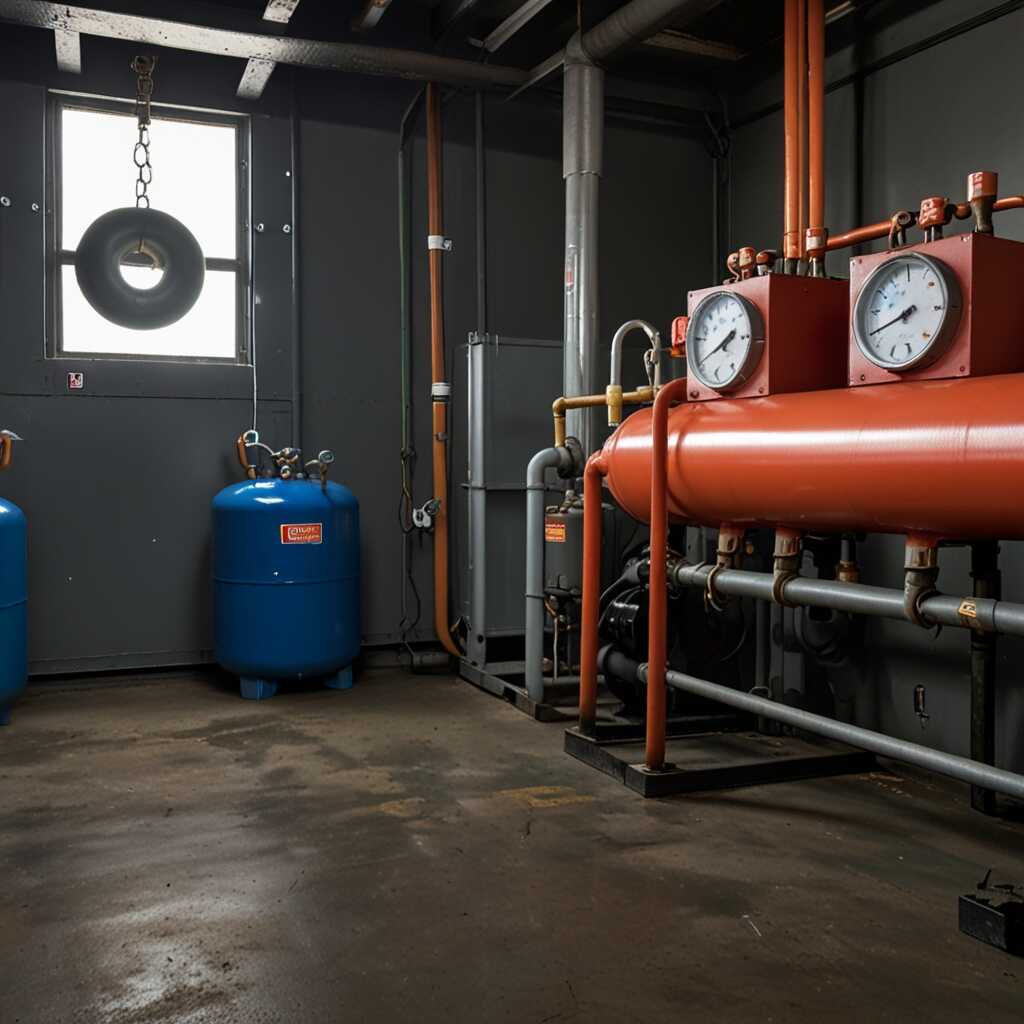
Accurate refrigerant recovery is crucial for complying with environmental regulations. Failing to meet these compliance standards can lead to significant fines and environmental damage. Technologies like LCD pressure displays enhance refrigerant recovery accuracy. This improves efficiency, ensuring that technicians maintain compliance. The Environmental Protection Agency (EPA) sets forth strict regulations on refrigerant emissions. Using reliable recovery machine technology helps HVAC companies avoid penalties. Digital pressure monitoring provides documented evidence of proper recovery procedures, which can be essential during EPA audits or inspections.
When to Upgrade to LCD Display Technology
Companies should consider upgrading to LCD display technology when their current analog gauges show signs of wear, calibration drift, or difficulty in reading accurately. Businesses handling high-volume recovery operations benefit from upgrading sooner to improve efficiency and reduce errors. New technicians joining the workforce often adapt more quickly to digital displays, making upgrades beneficial for companies with changing staff. Companies facing compliance issues or frequent documentation requirements should prioritize LCD displays that enhance refrigerant recovery accuracy and record-keeping capabilities.
Evaluating Different Refrigerant Recovery Machines
When evaluating refrigerant recovery machines, users should consider features like LCD pressure displays, efficiency, and reliability. LCD displays enhance accuracy by providing real-time pressure readings. Many experienced HVAC technicians recommend models with proven durability for optimal performance. The best machines integrate robust technology to ensure users achieve precise results during recovery. Key factors to evaluate include recovery capacity, refrigerant compatibility, portability, and display readability in various lighting conditions.
Cost Considerations for LCD Display Equipment
LCD pressure displays in refrigerant recovery machines typically add to the initial equipment cost compared to analog gauge models. Entry-level recovery machines with LCD displays generally cost more than basic analog models, but the price difference has decreased as the technology becomes more common. The long-term value often justifies the higher initial cost through improved accuracy, reduced errors, and better compliance documentation. Replacement LCD displays can be more expensive to repair than analog gauges, but many technicians find the operational benefits outweigh the additional costs.
Best Practices for Maintaining Recovery Equipment
Essential maintenance practices for refrigerant recovery machines equipped with LCD pressure displays include regular inspections and cleaning. Technicians should ensure all connections are tight and leak-free to enhance reliability. Regular testing of pressure readings ensures accurate performance. Key components like filters, valves, and hoses require regular checks and services. Professional maintenance checks help identify calibration issues before they affect recovery accuracy, typically recommended annually for high-use equipment.
Regular Inspection and Cleaning of Key Components
Regular inspection and cleaning of key components significantly improve the efficiency and longevity of refrigerant recovery machines. Technicians need to check important areas such as the LCD pressure display for clarity and functionality. Filters must be cleaned or replaced to prevent blockages that can hinder flow. Additionally, hoses and fittings should be assessed for wear and proper function. This routine upkeep ensures that the refrigerant recovery equipment remains durable and performs effectively, allowing for accurate measurements throughout its operational life.
Alternatives to LCD Pressure Displays
Traditional analog pressure gauges remain a viable alternative to LCD displays, particularly for budget-conscious operations or technicians who prefer mechanical reliability. Bourdon tube gauges provide direct mechanical pressure readings without requiring electrical power, making them suitable for remote locations or emergency situations. Digital gauges with LED displays offer a middle ground between analog and LCD technology, providing numerical readouts with simpler electronics. Some recovery machines feature hybrid systems combining analog backup gauges with primary LCD displays for redundancy.
Choosing Between Display Technologies
The choice between LCD displays and alternatives depends on specific operational needs and budget constraints. LCD displays work best for operations requiring precise documentation, frequent pressure monitoring, and compliance reporting. Analog gauges suit operations where simplicity, durability, and lower maintenance costs are priorities. Technicians working in harsh environments or remote locations may prefer analog backup systems. Companies should consider their typical use patterns, documentation requirements, and staff preferences when selecting display technology for refrigerant recovery equipment.
Future Innovations in Refrigerant Recovery Technologies
Anticipated advancements in refrigerant recovery technologies focus on integrating advanced display systems that provide comprehensive data beyond simple pressure readings. Future LCD displays may include wireless connectivity for remote monitoring, data logging capabilities for automated compliance reporting, and integration with smartphone apps for enhanced user interfaces. Manufacturers are exploring touchscreen displays that can guide technicians through recovery procedures step-by-step, reducing training requirements and improving consistency across operations.
Emerging Trends in Display Integration
The integration of LCD pressure displays into refrigerant recovery machines continues to evolve with smart technology features. Future displays may incorporate predictive maintenance alerts based on pressure patterns and usage data. Cloud connectivity could enable real-time monitoring by supervisors and automatic compliance reporting to regulatory agencies. Color-coded displays that change based on pressure ranges or system status may help technicians quickly identify optimal operating conditions without detailed numerical interpretation.