Vacuum ratings measure a refrigerant recovery machine’s ability to remove air and moisture from HVAC systems, typically ranging from 500 to 25 microns. Lower numbers indicate better performance, with professional-grade machines achieving 100 microns or less. Understanding vacuum ratings helps technicians ensure complete system purges, prevent contamination, and maintain EPA compliance. Common recovery machines like Appion G5Twin achieve 20 microns, while budget models typically reach 200-500 microns.
What Are Vacuum Ratings and How Do They Work?
Vacuum ratings represent the lowest pressure level a recovery machine can achieve, measured in microns of mercury. These ratings work by indicating how effectively a machine removes non-condensable gases and moisture from refrigeration systems. Professional recovery equipment operates by creating negative pressure that draws out contaminants, with ratings typically ranging from 500 microns for basic units to 25 microns for high-performance models. The vacuum pump inside the recovery machine creates this negative pressure through mechanical action, similar to how a household vacuum cleaner works but achieving much deeper vacuum levels.
Key Benefits of Proper Vacuum Ratings
The primary benefits of appropriate vacuum ratings include complete moisture removal, which prevents acid formation and compressor damage in HVAC systems. Recovery machines with ratings below 500 microns effectively eliminate water vapor that could freeze and block expansion valves or react with refrigerants to form corrosive acids. These benefits are most significant for commercial HVAC installations where system reliability directly impacts business operations. Additionally, achieving proper vacuum levels reduces refrigerant contamination, improves cooling efficiency, and extends equipment lifespan by preventing internal corrosion.
Understanding Different Vacuum Rating Levels
Vacuum ratings fall into three main categories based on their micron levels and intended applications. Deep vacuum ratings (below 100 microns) suit critical applications like medical refrigeration or semiconductor manufacturing where any contamination poses serious risks. Standard commercial ratings (100-500 microns) work well for most HVAC installations, including office buildings and retail spaces. Light-duty ratings (500-1000 microns) suffice for residential window units or small split systems where moderate moisture levels won’t cause immediate problems. Refrigerant recovery machines designed for field operations often feature adjustable vacuum settings to handle various system requirements.
Common Limitations of Vacuum Ratings
Key limitations of vacuum ratings include increased recovery time for deeper vacuum levels, with machines requiring 30-60 minutes to reach 50 microns compared to 5-10 minutes for 500 microns. Environmental factors like high humidity can prevent machines from achieving their rated vacuum levels, particularly in outdoor installations. Vacuum pump oil contamination reduces achievable vacuum levels over time, requiring regular maintenance every 20-50 operating hours. Users should consider these factors when selecting equipment, as a machine rated for 25 microns may only achieve 100 microns under challenging field conditions.
Who Should Use Specific Vacuum Ratings?
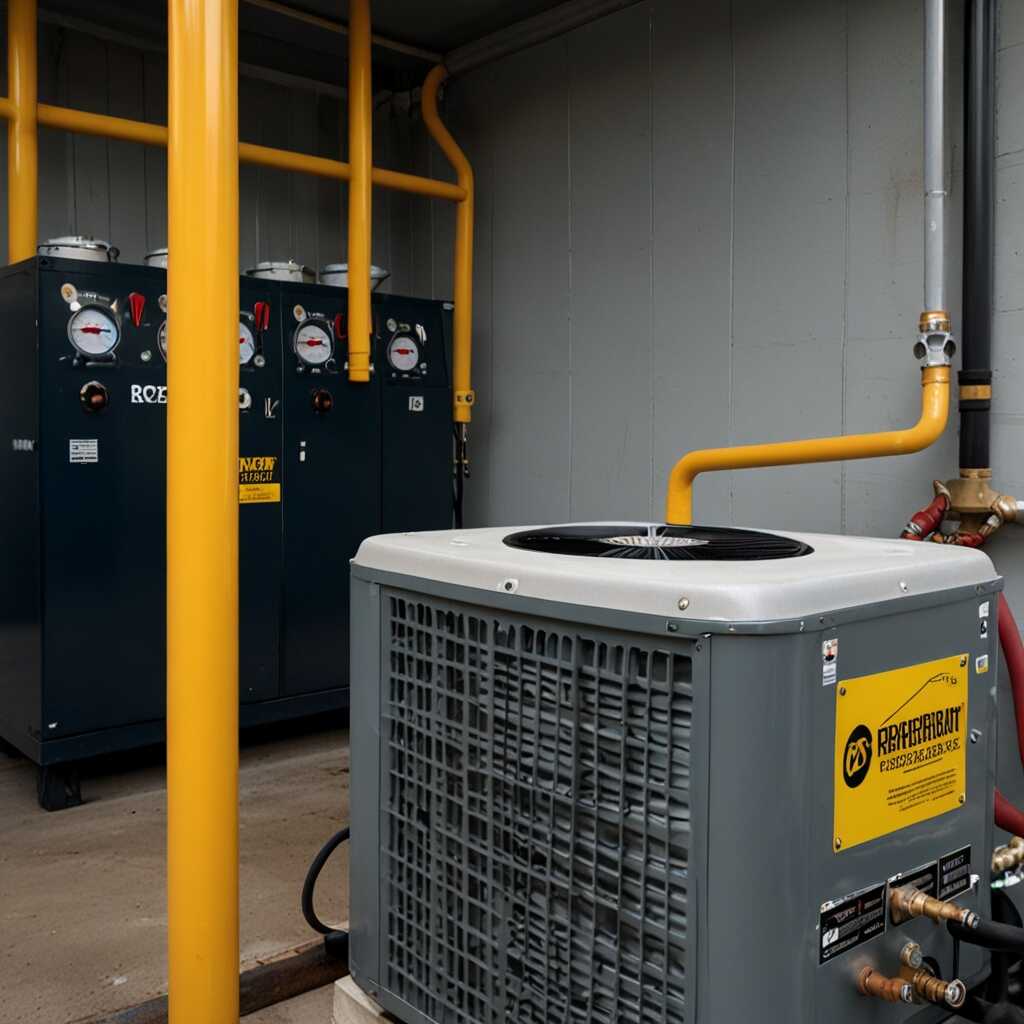
Residential HVAC technicians typically need recovery machines achieving 500-1000 microns for standard home air conditioning repairs and installations. Commercial refrigeration specialists require equipment reaching 200-500 microns to handle larger systems with stricter moisture tolerance. Industrial maintenance teams working on chillers or process cooling systems benefit from machines achieving 100 microns or better. EPA-certified technicians must use equipment meeting minimum regulatory standards of 500 microns for most applications. The choice depends on system size, refrigerant type, and criticality of the application.
When to Use Different Vacuum Levels
Use deep vacuum levels (below 100 microns) when installing new systems, after major compressor replacements, or when converting refrigerant types. Standard vacuum levels (200-500 microns) work well for routine maintenance, minor repairs, or seasonal startups. Apply light vacuum (500-1000 microns) only for emergency repairs where time constraints prevent deeper evacuation. Weather conditions also influence timing – avoid deep vacuum attempts during high humidity periods unless using vacuum pumps with gas ballast features. Performance analysis shows that proper timing significantly impacts recovery efficiency and system longevity.
Essential Tools for Measuring Vacuum Levels
- Digital micron gauges provide accuracy within 1-5% for readings below 1000 microns
- Analog vacuum gauges work for rough vacuum measurements above 1000 microns
- Thermistor vacuum gauges offer reliable readings from 1 to 20,000 microns
- Pirani gauges deliver precision measurements from 1 to 1000 microns
- Compound gauges show both pressure and vacuum on one dial
- Electronic vacuum modules integrate with recovery machines for automated monitoring
- Vacuum pump oil sight glasses indicate when oil changes affect vacuum capability
Cost Considerations for Different Vacuum Ratings
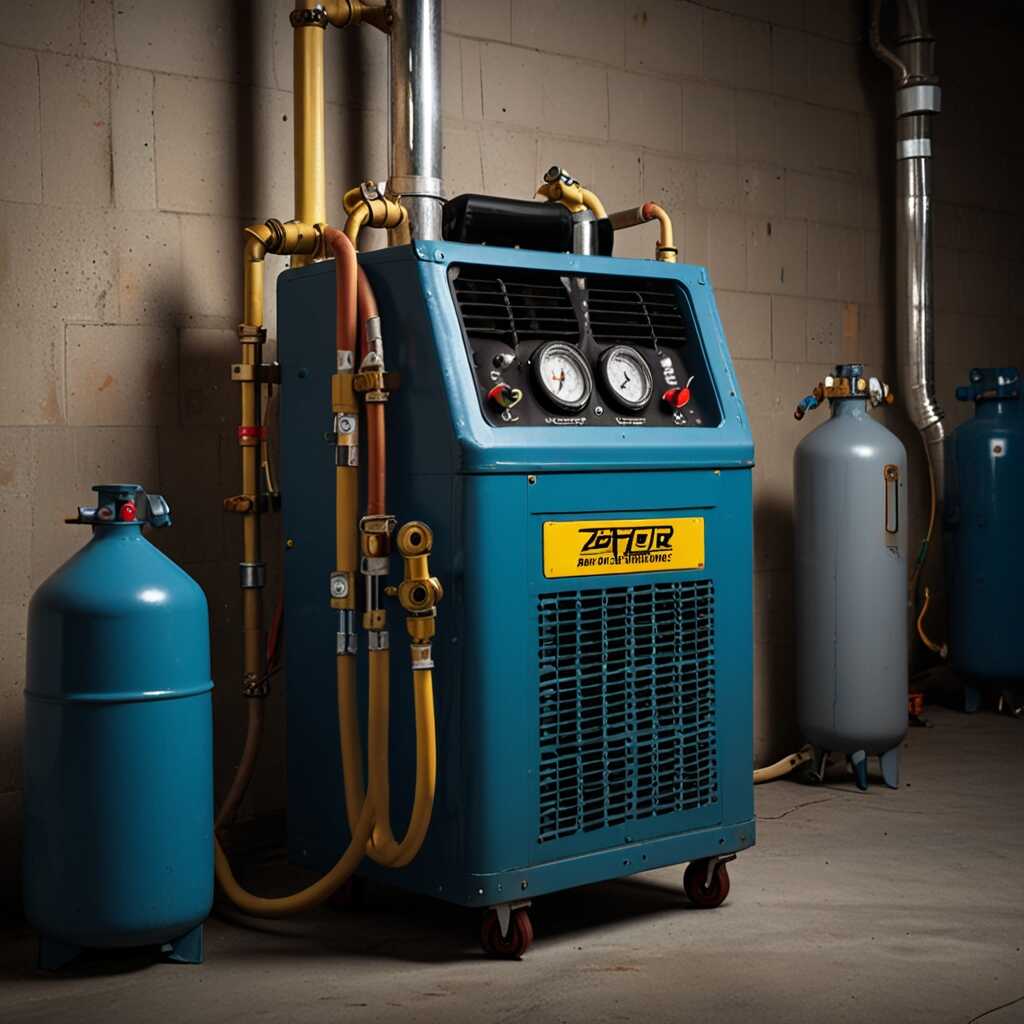
Recovery machines with basic vacuum ratings (500-1000 microns) typically cost between $800-2,000 for entry-level models suitable for residential work. Professional units achieving 200-500 microns range from $2,000-5,000, offering faster recovery speeds and better durability for daily use. High-performance machines reaching below 100 microns cost $5,000-15,000, justified for specialized applications or high-volume commercial operations. Price analysis reveals that investing in appropriate vacuum capability saves money through reduced callbacks and improved system reliability. Operating costs include vacuum pump oil ($20-50 per gallon) and replacement filters ($30-100 each).
Alternatives to Traditional Vacuum Ratings
Triple evacuation methods provide alternatives to achieving deep vacuum levels with standard equipment by repeatedly evacuating and breaking vacuum with nitrogen. Vacuum decay testing offers another approach, monitoring pressure rise over time rather than absolute vacuum levels. Some technicians use zeotropic refrigerant charging methods that tolerate higher moisture levels, though this compromises long-term reliability. Two-stage refrigerant recovery systems achieve deeper vacuum levels through sequential pumping stages. However, these alternatives typically require more time and may not meet warranty requirements for new equipment installations.

Common Mistakes When Using Vacuum Ratings
Technicians frequently rush the evacuation process, attempting to achieve deep vacuum levels in unrealistic timeframes. Proper system evacuation following manufacturer vacuum specifications typically requires 15-45 minutes depending on system size and target vacuum level. Another mistake involves using contaminated vacuum pump oil, which prevents achieving rated vacuum levels regardless of pump quality. Connecting vacuum gauges directly to pump ports rather than system connections gives false readings, as pump vacuum exceeds system vacuum during active evacuation. Ignoring ambient temperature effects leads to condensation issues, particularly when evacuating cold systems in humid environments.
Best Practices for Achieving Rated Vacuum Levels
Start with clean, dry vacuum pump oil changed according to manufacturer recommendations, typically every 10-20 system evacuations. Use properly sized vacuum hoses (3/8″ or larger) kept as short as possible to minimize restriction and evacuation time. Install micron gauges at the system rather than the pump to obtain accurate vacuum readings. Modern refrigerant recovery equipment incorporates features supporting consistent vacuum performance, including oil-less pumps and automatic shut-off at target vacuum levels. Allow adequate time for vacuum levels to stabilize, as rushing can leave moisture that causes future system problems.
Maintenance Requirements for Different Vacuum Ratings
- Deep vacuum pumps (below 100 microns) need oil changes every 10-15 hours of operation
- Standard pumps (200-500 microns) require oil changes every 20-30 operating hours
- Light-duty units (above 500 microns) typically need oil changes every 40-50 hours
- Vacuum gauge calibration should occur annually for digital units
- Intake filters require cleaning or replacement every 5-10 evacuations
- Vacuum hose integrity checks prevent leaks that compromise vacuum levels
- Gas ballast valve maintenance ensures proper moisture handling during evacuation
How EPA Regulations Impact Vacuum Requirements
EPA Section 608 regulations mandate specific vacuum levels for different refrigerant types and system categories. Equipment servicing systems with high-pressure refrigerants must achieve vacuum levels that prevent mixing of refrigerant types and minimize emissions. Current regulations require technicians to evacuate systems to prescribed levels before opening for service, with requirements varying from 0 inches Hg for small appliances to 10 inches Hg for low-pressure systems. Failure to achieve proper vacuum levels can result in fines ranging from $44,539 per day for violations. Documentation requirements include recording achieved vacuum levels and hold times.
Future Trends in Vacuum Rating Technology
Emerging vacuum pump technologies incorporate variable-speed drives that optimize evacuation rates while protecting pump components. Smart recovery machines now feature integrated vacuum monitoring with cloud-based data logging for compliance documentation. Oil-free vacuum pump designs eliminate contamination concerns while achieving vacuum levels below 50 microns. Advanced refrigerant recovery units incorporate automated sequences that achieve target vacuum levels without technician intervention. Manufacturers are developing hybrid pumps combining positive displacement and molecular drag principles to achieve deeper vacuum levels more quickly than traditional designs.
Selecting Recovery Machines Based on Vacuum Ratings
Choose recovery machines by first identifying typical system sizes and required vacuum levels for your work. Residential technicians servicing 1-5 ton systems need machines achieving 500-1000 microns with recovery rates of 0.5-1 pound per minute. Commercial specialists working on 5-50 ton systems benefit from equipment reaching 200-500 microns with 1-5 pound per minute recovery rates. Consider dual-stage pumps for applications requiring vacuum levels below 200 microns consistently. Recovery machines featuring tank temperature stabilization enhance capacity while maintaining vacuum performance. Factor in portability requirements, as higher vacuum ratings often mean heavier equipment.
Troubleshooting Vacuum Rating Performance Issues
When recovery machines fail to achieve rated vacuum levels, check vacuum pump oil condition first, as contamination reduces performance by 50-75%. Inspect vacuum hoses for cracks or loose connections that introduce air leaks preventing deep vacuum. Verify gauge accuracy using a second gauge, as sensor drift causes false readings over time. System leaks prevent achieving target vacuum regardless of pump capacity – use standing vacuum tests to identify problems. Cold ambient temperatures increase oil viscosity, reducing pump efficiency and achievable vacuum levels. Replace worn pump vanes or diaphragms according to manufacturer service intervals.
Industry Standards for Vacuum Rating Classifications
- AHRI Standard 740 defines test procedures for rating recovery equipment vacuum capabilities
- UL 1963 establishes safety requirements for refrigerant recovery equipment including vacuum systems
- ASHRAE Guideline 7 recommends vacuum levels for various refrigeration applications
- ISO 11650 specifies performance requirements for recovery equipment internationally
- SAE J2788 outlines vacuum requirements specific to automotive air conditioning service
- EPA regulations establish minimum vacuum levels for different refrigerant categories
- Manufacturer specifications often exceed industry minimums for improved reliability
Calculating Required Vacuum Time Based on System Size
System evacuation time depends on volume, target vacuum level, and pump capacity measured in CFM (cubic feet per minute). Small residential systems (1-5 tons) typically require 15-30 minutes to reach 500 microns using a 3-5 CFM pump. Commercial systems (5-20 tons) need 30-60 minutes with 6-10 CFM pumps achieving similar vacuum levels. Large industrial chillers may require 2-4 hours even with 15+ CFM pumps due to extensive piping volumes. Modern refrigerant recovery systems with enhanced pumping capacity reduce these times significantly. Calculate rough evacuation time by dividing system volume by pump CFM and multiplying by target vacuum depth factor.
Understanding Vacuum Pump CFM Ratings vs Actual Performance
Vacuum pump CFM ratings indicate displacement at atmospheric pressure, but actual pumping speed decreases dramatically as vacuum deepens. A pump rated at 5 CFM may only achieve 1-2 CFM at 500 microns due to volumetric efficiency losses. Two-stage pumps maintain better CFM at deeper vacuum levels compared to single-stage designs. Gas ballast features reduce pumping speed by 10-20% but prevent oil contamination from moisture. Real-world performance typically reaches 40-60% of rated CFM during deep vacuum evacuation. Understanding these relationships helps technicians select appropriately sized equipment and set realistic time expectations for achieving target vacuum levels.