Lightweight refrigerant recovery units are portable HVAC service tools that weigh typically 30-60 pounds, designed specifically for rooftop installations where traditional 100+ pound units prove cumbersome. These specialized recovery machines extract refrigerants from air conditioning systems during maintenance, repairs, or decommissioning, featuring high-efficiency compressors and durable components optimized for elevated work environments.
What Are Lightweight Refrigerant Recovery Units and How Do They Work?
Refrigerant recovery units are essential equipment that safely remove and store refrigerants from HVAC systems during service operations. Lightweight models work by creating negative pressure through specialized compressors, which draws refrigerant from the system into storage cylinders while maintaining EPA-required recovery rates of 80-95% depending on system type. The process involves connecting the unit’s hoses to service ports, activating the recovery cycle, and monitoring gauges until system pressure indicates complete refrigerant removal, typically taking 15-45 minutes for rooftop units.
Key Components and Features of Lightweight Recovery Equipment
Modern lightweight refrigerant recovery units incorporate several critical components that enable efficient operation while maintaining portability. The core system includes an oil-less compressor (usually 0.5-1 HP), condensing coils with integrated fans, electronic control boards with auto-shutoff capabilities, and reinforced aluminum housing that reduces weight while ensuring durability. Essential features encompass dual-refrigerant compatibility (handling both R-410A and R-22), built-in filter-driers to remove contaminants, digital displays showing recovery progress, and ergonomic carrying handles positioned for balanced weight distribution during rooftop transport.
Primary Benefits of Using Lightweight Recovery Units on Rooftops
The benefits of lightweight refrigerant recovery units provide several essential advantages for HVAC technicians working at elevation. Reduced physical strain represents the most immediate benefit, as technicians can carry these units up ladders or stairs without requiring multiple trips or assistance, significantly decreasing injury risk and fatigue during long workdays. Enhanced maneuverability allows positioning units closer to equipment being serviced, reducing hose lengths and improving recovery efficiency by minimizing pressure drops.
Operational Efficiency Gains from Weight Reduction
Lightweight refrigerant recovery units generally outperform expectations in time-sensitive rooftop applications where every minute counts. These units typically complete recovery cycles 20-30% faster than heavier models due to optimized internal components and reduced setup time, allowing technicians to service more units per day. The performance analysis indicates that weight reduction doesn’t compromise recovery rates, with most lightweight units achieving manufacturer-specified recovery levels while consuming less power, resulting in lower operational costs and extended equipment lifespan.
How Equipment Weight Affects Installation Time and Labor Costs
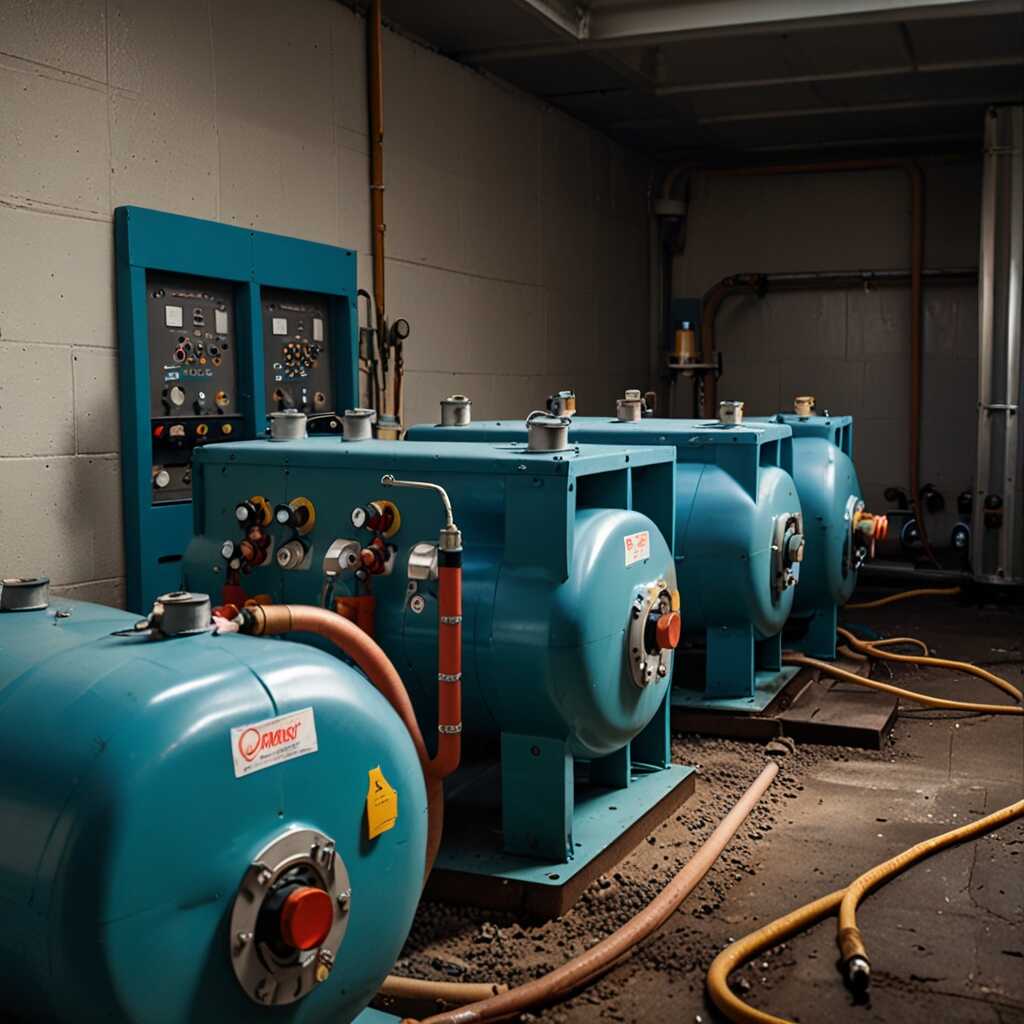
Equipment weight directly impacts installation efficiency and associated labor costs in rooftop HVAC service operations. Lightweight recovery units reduce setup time by approximately 15-25 minutes per job compared to traditional units, primarily because single technicians can transport and position equipment without assistance. This independence eliminates coordination delays and reduces labor requirements, translating to cost savings of $50-150 per service call depending on local wage rates and job complexity.
Safety Improvements Through Enhanced Portability
The safety benefits of lightweight refrigerant recovery units extend beyond simple ergonomics to comprehensive risk reduction in rooftop environments. Units weighing under 60 pounds significantly decrease slip and fall incidents during transport, particularly on wet or icy surfaces common in early morning service calls. The compact design allows technicians to maintain three points of contact while climbing, adhering to OSHA safety guidelines that mandate proper fall protection protocols for workers operating more than six feet above ground level.
Critical Performance Metrics for Recovery Equipment Selection
- Recovery rate capabilities ranging from 0.25 to 0.75 pounds per minute depending on refrigerant type and ambient conditions
- Operating temperature ranges typically spanning -10°F to 120°F for year-round rooftop applications
- Moisture removal capacity through integrated filter-driers protecting recovered refrigerant quality
- Dual voltage compatibility (115V/230V) enabling use across commercial and residential installations
- Automatic shutoff features preventing compressor damage when recovery cylinders reach 80% capacity
- Service valve configurations supporting both liquid and vapor recovery methods
- Noise levels maintained below 70 decibels for compliance with urban noise ordinances
Comparing Lightweight Units to Traditional Heavy-Duty Models
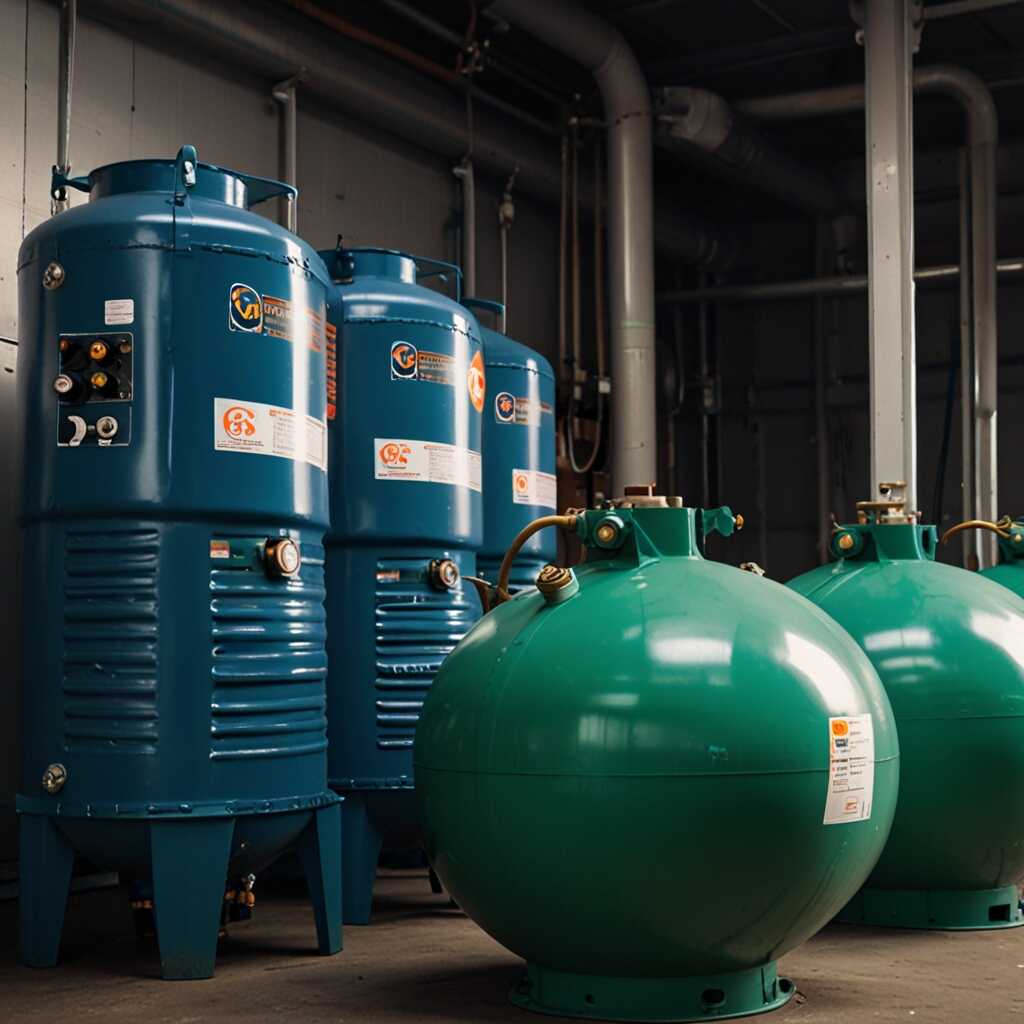
The comparison between lightweight and traditional refrigerant recovery units reveals distinct advantages for specific applications while acknowledging trade-offs. Lightweight units excel in rooftop accessibility and setup speed, while traditional units often provide higher recovery rates for large commercial systems. Their efficiency in refrigerant recovery enhances environmental compliance regardless of size, though lightweight models typically handle 5-50 pound refrigerant charges compared to 50-200 pounds for industrial units.
Cost-Benefit Analysis for Different HVAC Operations
Financial considerations vary significantly based on operation scale and service frequency when evaluating lightweight versus traditional recovery units. Small HVAC contractors servicing primarily residential and light commercial rooftop units often recover initial equipment investments within 6-12 months through reduced labor costs and increased job completion rates. Larger operations might maintain both unit types, deploying lightweight models for rooftop work while reserving heavy-duty units for ground-level industrial applications, maximizing efficiency across diverse service scenarios.
Meeting EPA Regulations with Lightweight Recovery Technology
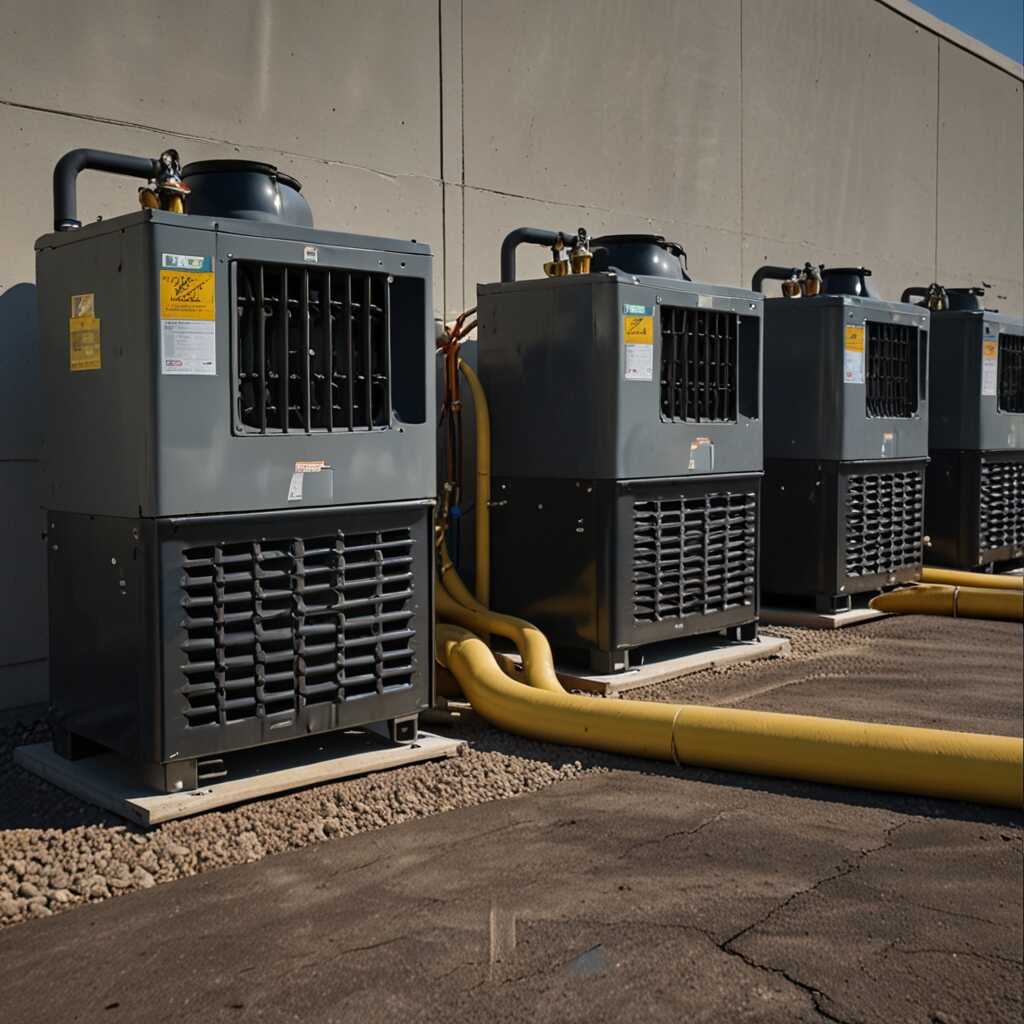
Lightweight refrigerant recovery units offer key compliance features meeting EPA Section 608 requirements for proper refrigerant handling. These units incorporate certified recovery efficiency ratings, automatic leak detection systems, and low-loss fittings that minimize refrigerant escape during connection and disconnection procedures. The integrated monitoring systems track recovery amounts and generate documentation supporting regulatory compliance audits, essential for maintaining technician certifications and avoiding substantial EPA penalties ranging from $44,539 per day for violations.
Built-in Safety Features for Technician Protection
Modern lightweight recovery units prioritize technician safety through multiple integrated protection systems designed for rooftop environments. Pressure relief valves prevent over-pressurization during high-temperature operations, while non-sparking motors eliminate ignition risks near potentially flammable refrigerant mixtures. Lightweight refrigerant recovery units are engineered with anti-tip bases providing stability on uneven rooftop surfaces, and high-visibility color schemes enhance safety during low-light conditions common in emergency service calls.
Essential Features for Rooftop HVAC Service Success
- Reinforced carrying handles positioned for optimal weight distribution during transport
- Weather-resistant control panels protecting electronics from moisture damage
- Quick-connect hose fittings reducing setup time and refrigerant loss
- Integrated cord wraps preventing trip hazards on congested rooftops
- Oil-less compressor designs eliminating contamination risks
- Multi-refrigerant capability supporting R-22, R-410A, and newer low-GWP alternatives
- Visual and audible alarms indicating recovery completion or system faults
Real-World Success Stories from HVAC Contractors
HVAC contractors nationwide report measurable improvements after transitioning to lightweight refrigerant recovery units in rooftop service operations. A mid-sized contractor in Phoenix documented 35% reduction in average service call duration after equipping technicians with sub-60-pound recovery units, enabling completion of 2-3 additional calls daily during peak summer months. Another contractor specializing in retail chain maintenance reported fewer worker compensation claims and how lightweight refrigerant recovery units enhance technician satisfaction scores.
Measurable Performance Improvements in Field Applications
Field data from multiple HVAC service companies utilizing lightweight refrigerant recovery units experience consistent operational benefits across diverse climate zones and building types. Recovery completion times average 25-40 minutes for typical 5-ton rooftop units, compared to 45-60 minutes with heavier equipment requiring multiple positioning attempts. Technician productivity metrics show 15-20% increases in daily job completions, while customer satisfaction ratings improve due to reduced equipment downtime and faster service restoration.
Environmental Benefits of Efficient Refrigerant Recovery
Refrigerant recovery provides significant environmental benefits by preventing release of ozone-depleting substances and high global warming potential gases into the atmosphere. Lightweight refrigerant recovery units play a crucial role in environmental protection by enabling more frequent and thorough recovery operations, particularly in hard-to-reach rooftop locations where heavier equipment might discourage proper refrigerant handling. Each pound of R-410A recovered prevents greenhouse gas emissions equivalent to burning approximately 900 pounds of coal.
Supporting Sustainable HVAC Practices
Lightweight refrigerant recovery units are designed to support evolving environmental regulations and sustainable service practices. Their efficiency enables recovery of 95-99% of system refrigerant charge, exceeding EPA minimum requirements and supporting corporate sustainability goals. The reduced fuel consumption from fewer equipment transport trips contributes additional environmental benefits, while the units’ compatibility with new low-GWP refrigerants ensures long-term viability as the industry transitions away from high-impact refrigerants.
Selecting the Right Lightweight Recovery Unit for Your Needs
- Units under 40 pounds ideal for residential technicians servicing single-family homes
- 40-60 pound models suitable for light commercial applications including retail stores
- Dual-cylinder capable units recommended for high-volume service operations
- Variable-speed compressor models providing flexibility across different system sizes
- Units with integrated scales eliminating need for separate weighing equipment
- Models featuring smartphone connectivity for remote monitoring and diagnostics
- Budget-conscious options starting around $1,200 for basic EPA-compliant models
Emerging Technologies in Lightweight Recovery Equipment
Future developments in refrigerant recovery technology focus on further weight reduction through advanced materials and miniaturized components. Lightweight refrigerant recovery units are designed with carbon fiber housings and titanium internal components, potentially reducing weight by an additional 20-30% while maintaining durability. IoT integration enables predictive maintenance alerts and automatic compliance reporting, streamlining administrative tasks for HVAC contractors.
Preparing for Next-Generation Refrigerants
Lightweight refrigerant recovery units greatly improve adaptability to emerging refrigerant technologies including A2L mildly flammable options and ultra-low GWP alternatives. Manufacturers are developing units with enhanced safety features specifically for these new refrigerants, including spark-proof designs and integrated combustible gas detectors. The ongoing price analysis suggests that investing in current lightweight technology provides stepping stones to future equipment generations while delivering immediate operational benefits.
Implementation Guidelines for HVAC Contractors
Successfully integrating lightweight refrigerant recovery units into existing service operations requires strategic planning and technician training. Begin by identifying service routes with high concentrations of rooftop equipment, then equip those technicians with lightweight units first to maximize immediate impact. Provide hands-on training emphasizing proper lifting techniques and equipment positioning to prevent injuries during the transition period from heavier equipment.
Training Requirements and Best Practices
Comprehensive training programs should cover equipment operation, safety protocols, and maintenance procedures specific to lightweight recovery units. Key training elements include proper hose routing to prevent kinking, optimal unit positioning for efficient recovery, and recognition of warning signs indicating potential equipment issues. Regular refresher sessions ensure technicians maintain proficiency while incorporating manufacturer updates and industry best practices into daily operations.
Cost Considerations and Return on Investment
Initial investment in lightweight refrigerant recovery units typically ranges from $1,200 to $3,500 depending on features and capacity. Higher-end models with digital controls, variable-speed compressors, and multi-refrigerant capabilities command premium prices but often deliver superior long-term value through increased reliability and versatility. Consider total cost of ownership including maintenance requirements, expected service life of 7-10 years, and potential productivity gains when evaluating options.
Calculating Payback Periods for Equipment Upgrades
Payback calculations should incorporate both direct cost savings and indirect benefits from lightweight recovery unit adoption. Direct savings include reduced labor hours per job, decreased worker compensation claims, and lower vehicle fuel costs from carrying less weight. Indirect benefits encompass increased customer satisfaction from faster service, expanded service capacity during peak seasons, and improved technician retention due to reduced physical demands. Most contractors report payback periods of 8-18 months depending on service volume and local market conditions.
Maintenance and Longevity of Lightweight Units
Proper maintenance extends the service life of lightweight refrigerant recovery units while ensuring consistent performance and regulatory compliance. Daily maintenance tasks include checking hose connections for wear, verifying gauge accuracy, and cleaning intake filters to maintain optimal airflow. Weekly procedures encompass compressor oil level checks (for units with lubricated compressors), testing of safety switches, and inspection of electrical connections for signs of overheating or corrosion.
Troubleshooting Common Issues
Common operational challenges with lightweight recovery units often stem from inadequate maintenance or improper usage rather than design limitations. Slow recovery rates typically indicate clogged filters, worn compressor seals, or incorrect valve positioning rather than insufficient unit capacity. Unusual noises during operation warrant immediate investigation, as lightweight designs may amplify sounds from loose components or developing mechanical issues that could lead to catastrophic failure if ignored.
Conclusion: Maximizing Value from Lightweight Recovery Technology
Lightweight refrigerant recovery units represent essential investments for HVAC contractors servicing rooftop equipment in today’s competitive market. The combination of enhanced portability, maintained performance, and improved safety creates compelling value propositions for operations of all sizes. Success requires selecting appropriate equipment for specific service needs, implementing comprehensive training programs, and maintaining units properly to ensure long-term reliability and regulatory compliance throughout their operational lifespan.