Refrigerant recovery machine noise levels typically range from 60 to 85 decibels during residential service operations. Understanding these sound levels helps HVAC professionals choose equipment that minimizes disruption while maintaining efficiency. Quieter models operating below 70 decibels significantly improve customer satisfaction and comply with residential noise regulations. Proper noise management ensures comfortable environments for families during essential HVAC maintenance work.
What Are Refrigerant Recovery Machine Noise Levels and Why They Matter
Refrigerant recovery machines produce varying noise levels depending on their design, size, and operational efficiency. Standard recovery units generate between 60 and 85 decibels, which compares to normal conversation (60 dB) or city traffic (85 dB). These sound levels directly impact residential comfort, as prolonged exposure to noise above 70 decibels can cause stress, sleep disturbances, and decreased quality of life for homeowners. Professional HVAC technicians must consider noise output when selecting equipment for residential areas, particularly in densely populated neighborhoods or when servicing homes with noise-sensitive occupants like infants, elderly residents, or those working from home.
How Noise Levels Impact Residential HVAC Service Quality
The impact of recovery machine noise extends beyond simple annoyance to affect service quality and customer relationships. Excessive noise during refrigerant recovery can disturb daily activities, interrupt video calls, wake sleeping children, and create tension between service providers and homeowners. Professional technicians report that using quieter equipment (below 70 dB) leads to fewer complaints, better customer reviews, and increased referrals. Additionally, lower noise levels allow technicians to communicate more effectively with customers during service, explaining procedures and answering questions without shouting over equipment. This improved communication enhances trust and professionalism, resulting in higher customer satisfaction scores and repeat business opportunities.
Health Effects and Risks of Excessive HVAC Equipment Noise
Exposure to refrigerant recovery machine noise above 70 decibels poses several health risks for residential occupants. Short-term effects include increased stress hormones, elevated blood pressure, and difficulty concentrating on daily tasks. Long-term exposure to equipment noise between 75 and 85 decibels can contribute to chronic health conditions including cardiovascular problems, cognitive impairment in children, and persistent sleep disorders. Vulnerable populations face heightened risks, with elderly residents experiencing increased anxiety and heart rate fluctuations, while children may develop learning difficulties and behavioral issues from repeated noise exposure during critical developmental periods.
Protecting Vulnerable Residents from Equipment Noise
Children under 12 and adults over 65 require special consideration when operating refrigerant recovery equipment in residential settings. For children, noise levels exceeding 70 decibels can interfere with homework completion, reading comprehension, and overall academic performance. Infants exposed to loud equipment may experience disrupted sleep patterns that affect growth and development. Elderly residents often have pre-existing health conditions that worsen with noise stress, including hypertension and anxiety disorders. HVAC professionals should schedule service during school hours when possible, use sound barriers or dampening materials, and select ultra-quiet recovery machines (under 65 dB) when servicing homes with vulnerable occupants.
Current Noise Regulations and Compliance Requirements for HVAC Services
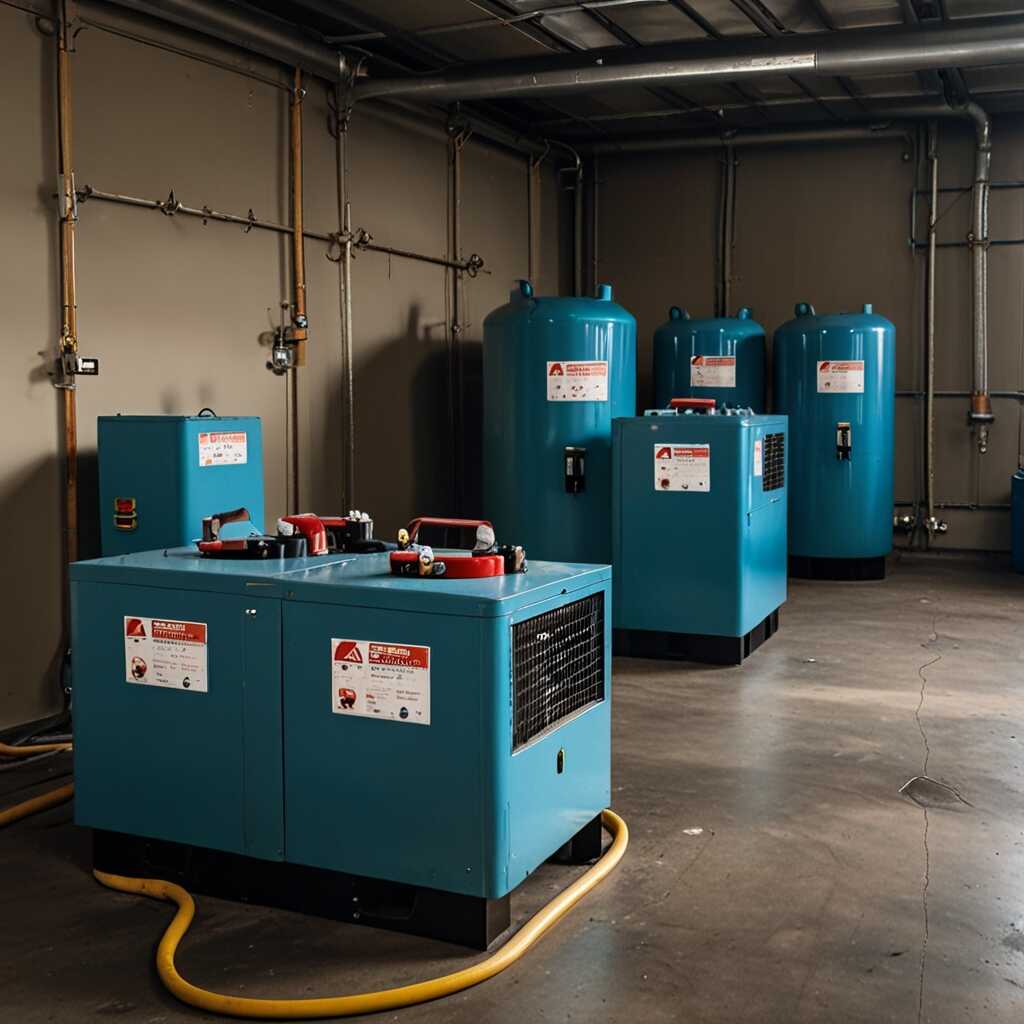
Local and federal noise regulations govern refrigerant recovery operations in residential areas, with most municipalities limiting daytime noise to 65-75 decibels and nighttime levels to 55-65 decibels. The Environmental Protection Agency provides guidelines while local authorities enforce specific ordinances that may include restricted operating hours, typically prohibiting loud equipment use before 7 AM or after 9 PM on weekdays. HVAC professionals must understand local noise ordinances to avoid fines ranging from $250 to $5,000 per violation. Compliance involves using appropriate equipment, maintaining proper documentation of sound levels, and responding promptly to noise complaints from neighbors or local authorities.
Key Organizations Governing HVAC Noise Standards
Multiple organizations establish and enforce noise standards for refrigerant recovery operations. The EPA sets federal guidelines for occupational noise exposure, limiting workplace levels to 90 decibels over 8 hours. OSHA (Occupational Safety and Health Administration) mandates hearing protection when equipment exceeds 85 decibels. Local building departments and environmental health agencies create residential noise ordinances specific to each community. Professional organizations like ASHRAE (American Society of Heating, Refrigerating and Air-Conditioning Engineers) publish recommended practices for quiet HVAC operations. State contractors’ boards may revoke licenses for repeated noise violations, making compliance essential for business continuity.
Acceptable Noise Levels for Different Residential Settings
- Single-family homes: 65-70 dB during daytime, 55-60 dB evening hours
- Apartment complexes: 60-65 dB maximum to prevent neighbor complaints
- Senior living facilities: 55-60 dB recommended for resident comfort
- Residential areas near schools: 60 dB during school hours
- Mixed-use buildings: 65 dB with additional restrictions during business hours
- Suburban neighborhoods: typically 70 dB limit with quiet hours enforced
- Urban residential zones: 70-75 dB allowed due to ambient noise levels
How to Select the Quietest Refrigerant Recovery Machines
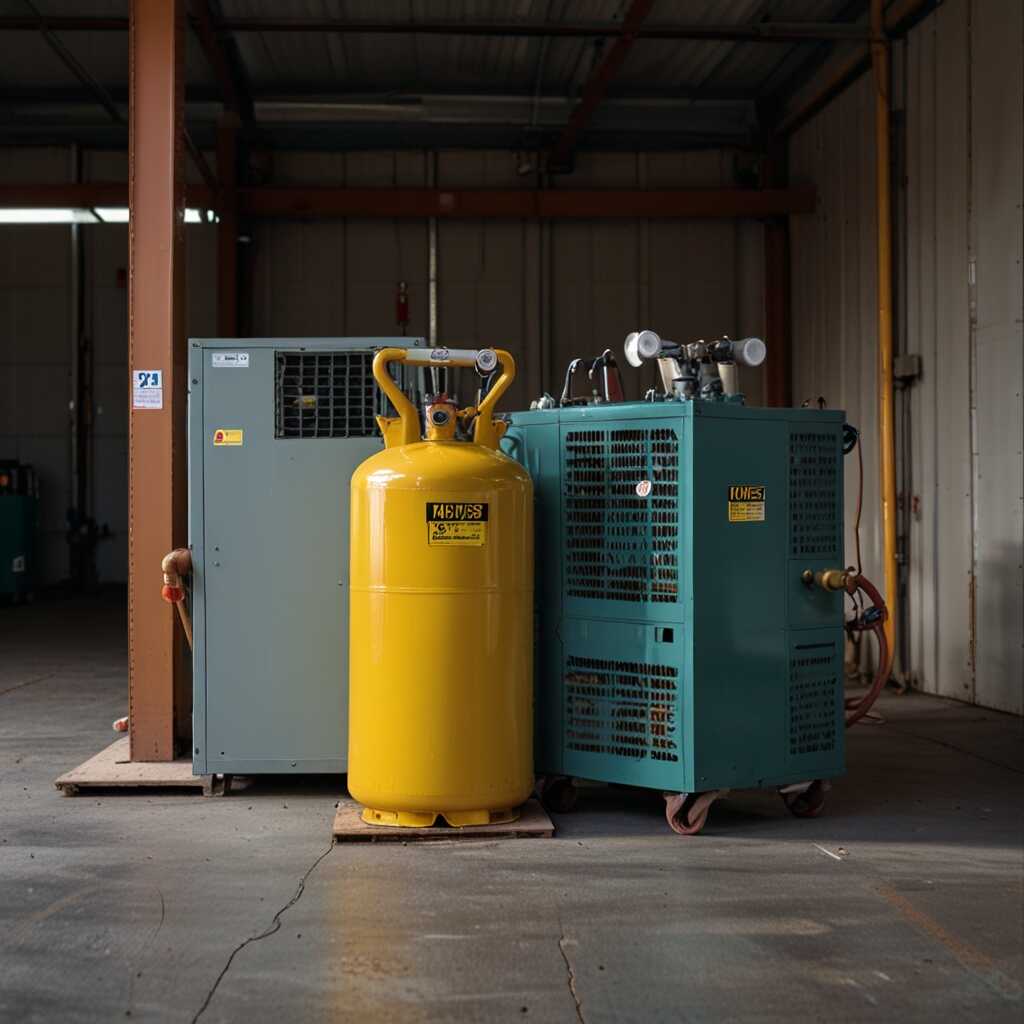
Selecting quiet refrigerant recovery machines requires evaluating specific features including sound ratings, compressor design, and vibration dampening technology. Look for units with manufacturer-certified sound ratings below 70 decibels measured at 3 feet distance. Key features that reduce noise include variable-speed compressors, insulated housings, rubber mounting feet, and integrated mufflers. Professional-grade quiet models typically cost 15-30% more than standard units but provide significant benefits through reduced complaints and expanded service hours. When comparing models, request actual sound meter readings rather than relying solely on specifications, as real-world performance may vary based on refrigerant type and recovery conditions.
Evaluating Sound Ratings and Real-World Performance
Understanding sound ratings helps professionals select appropriate recovery equipment for residential use. Manufacturers typically provide sound levels in decibels (dB) or sound power levels in dB(A). The A-weighted scale better represents human hearing perception, making dB(A) ratings more relevant for residential applications. When evaluating machines, consider that every 10-decibel increase represents a doubling of perceived loudness. A 70 dB machine sounds twice as quiet as an 80 dB unit. Test equipment under various conditions, as sound levels increase with higher recovery rates and ambient temperatures. Request demonstration units to evaluate noise in actual residential settings before purchasing.
Proven Strategies for Reducing Noise During Refrigerant Recovery
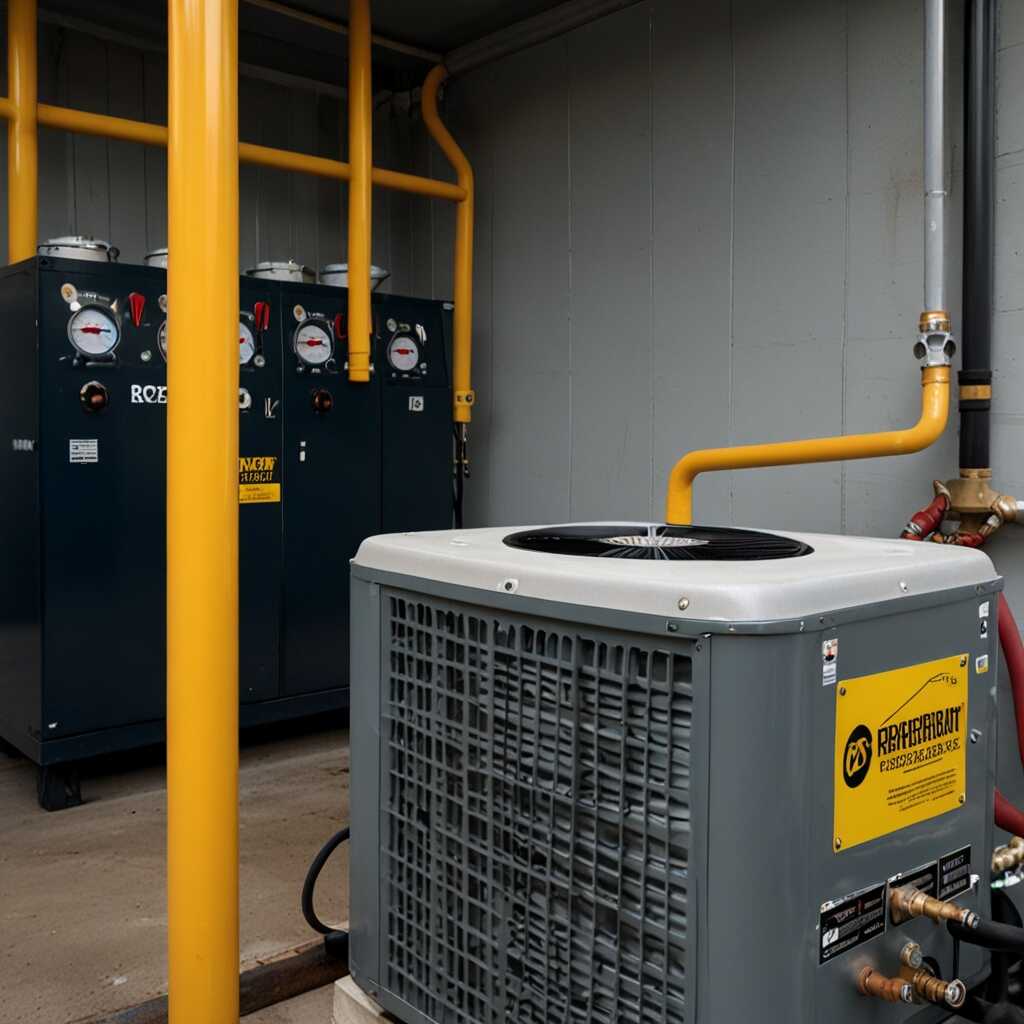
HVAC professionals can significantly reduce operational noise through strategic equipment placement and sound management techniques. Position recovery machines away from windows, doors, and outdoor living spaces to minimize sound transmission into homes. Use sound-absorbing barriers such as moving blankets or professional acoustic screens to create a buffer zone around equipment. Schedule noisy operations during mid-day hours when most residents are at work or school. Regular maintenance including lubricating moving parts, replacing worn components, and cleaning air filters prevents excessive noise from mechanical problems. These strategies can reduce perceived noise levels by 10-15 decibels without compromising recovery efficiency.
Implementing Professional Noise Reduction Techniques
Professional noise reduction for refrigerant recovery operations involves systematic approaches to sound management. Start by creating a pre-service checklist that includes identifying noise-sensitive areas and optimal equipment placement. Use vibration-isolating pads under recovery machines to prevent sound transmission through concrete or wooden surfaces. Install temporary sound barriers using portable acoustic panels that reduce noise by 5-10 decibels. Consider investing in professional-grade sound enclosures designed specifically for HVAC equipment, which can reduce noise levels by up to 20 decibels while maintaining proper ventilation. Train technicians to recognize early signs of mechanical issues that increase noise, such as bearing wear or loose components.
Benefits of Using Quiet Recovery Equipment
- Increased service hours availability without violating noise ordinances
- Higher customer satisfaction scores and positive online reviews
- Reduced technician fatigue from prolonged exposure to loud equipment
- Ability to service noise-sensitive locations like medical offices
- Lower risk of hearing damage for both technicians and residents
- Expanded business opportunities in upscale residential areas
- Improved communication between technicians and customers during service
Comparing Noise Levels Across Popular Recovery Machine Models
Direct comparison of refrigerant recovery machine noise levels reveals significant variations between manufacturers and models. Entry-level units typically operate at 75-85 decibels, while premium quiet models achieve 58-65 decibel ratings. Mid-range machines balance cost and noise reduction, operating around 68-72 decibels. Variable-speed models offer flexibility, running quietly at 60 decibels during light recovery but increasing to 75 decibels under heavy loads. Oil-less compressor designs generally produce less noise than traditional oil-lubricated units. Twin-cylinder machines often run quieter than single-cylinder models due to better balance and reduced vibration. Consider total cost of ownership, including potential lost business from noise complaints, when evaluating options.
Identifying Top-Performing Quiet Models in Today’s Market
Leading manufacturers now offer specialized quiet recovery machines designed specifically for residential service. These units incorporate advanced noise reduction technologies including variable-speed drives, precision-balanced components, and multi-layer sound insulation. Premium quiet models feature sound levels below 65 decibels while maintaining recovery rates comparable to louder units. Some manufacturers offer “whisper-quiet” technology that automatically adjusts operating speed based on ambient noise levels. When evaluating models, consider additional features like digital sound level displays, automatic quiet modes for residential settings, and compatibility with external sound enclosures that further reduce noise. Professional reviews and field testing data provide valuable insights into real-world performance beyond laboratory specifications.
Real-World Impact of Recovery Machine Noise on Communities
Community responses to refrigerant recovery noise demonstrate the importance of sound management in residential HVAC service. Documented cases show neighborhoods implementing strict contractor guidelines after receiving multiple noise complaints. Some homeowners’ associations now require proof of quiet equipment before approving HVAC work. Business districts report customer loss when adjacent HVAC services create excessive noise during operating hours. Apartment complexes increasingly specify maximum decibel levels in service contracts to protect tenant satisfaction. These real-world examples underscore how noise management directly affects business reputation and growth opportunities in residential markets.
Learning from Community Noise Management Success Stories
Successful noise management strategies from various communities provide valuable lessons for HVAC professionals. One suburban development reduced noise complaints by 90% after requiring all contractors to use equipment rated below 70 decibels. A senior living community partnered with local HVAC companies to establish “quiet zones” and preferred service windows. Urban apartment buildings successfully implemented noise monitoring systems that alert maintenance staff when equipment exceeds acceptable levels. These initiatives demonstrate that proactive noise management benefits both service providers and residents. Communities that prioritize quiet operations report higher property values and resident satisfaction, creating opportunities for HVAC professionals who invest in quiet equipment and sound management training.
Comparing Quiet Equipment Features Across Major Brands
- Variable-speed technology reduces noise during low-demand recovery operations
- Scroll compressors operate more quietly than reciprocating designs
- Integrated sound enclosures add 10-15 dB reduction without external accessories
- Rubber isolation mounts prevent vibration transmission to surrounding surfaces
- Digital control systems optimize performance while minimizing noise output
- Multi-stage mufflers provide superior sound reduction compared to single-stage designs
- Automatic quiet modes adjust operation for residential environments
Latest Innovations in Quiet Refrigerant Recovery Technology
Recent technological advances focus on achieving ultra-quiet operation without sacrificing recovery speed or efficiency. Manufacturers now incorporate aerospace-derived sound dampening materials that reduce noise while adding minimal weight. Advanced motor designs using permanent magnets operate more quietly than traditional induction motors. Digital inverter technology allows precise speed control, maintaining optimal noise levels throughout the recovery cycle. Some innovations include active noise cancellation systems that generate opposing sound waves to neutralize equipment noise. These technologies represent significant improvements over traditional designs, with some achieving noise reductions of 20-30% compared to previous generations while maintaining or improving recovery rates.
Future Developments in Noise Reduction for HVAC Equipment
Emerging technologies promise even quieter refrigerant recovery operations in the coming years. Research focuses on revolutionary compressor designs using magnetic levitation to eliminate mechanical contact and associated noise. Smart sound management systems will automatically adjust equipment operation based on ambient noise monitoring and time of day. Integration with building management systems will allow coordinated scheduling to minimize noise impact. Manufacturers are developing hybrid recovery systems that combine multiple quiet technologies for ultra-low noise operation below 55 decibels. These innovations will enable HVAC professionals to provide essential services with minimal disruption, expanding service opportunities in noise-sensitive environments while improving working conditions for technicians.