Refrigerant recovery machine efficiency measures how effectively your equipment extracts refrigerants, typically achieving 90-95% recovery rates. Key metrics include recovery rate (pounds per minute), recovery time, and overall efficiency percentage. Most HVAC professionals measure efficiency using flow meters, pressure gauges, and recovery monitors to track these essential performance indicators. Understanding these measurements helps reduce operating expenses by identifying underperforming equipment and optimizing recovery processes.
What Is Refrigerant Recovery Machine Efficiency and Why It Matters
Refrigerant recovery machine efficiency refers to the percentage of refrigerant successfully extracted from HVAC systems compared to the total amount present. This measurement directly impacts operational costs, environmental compliance, and equipment longevity. Efficient machines typically recover between 90-95% of refrigerants, while poorly maintained units may only achieve 70-80% recovery rates. The difference translates to significant cost savings, as lost refrigerant requires expensive replacement and may result in regulatory penalties.
HVAC technicians measure efficiency through three primary indicators: recovery rate (how fast refrigerant is extracted), recovery ratio (percentage captured versus total), and energy consumption per pound recovered. These metrics help identify when machines need maintenance or replacement, ultimately reducing operational expenses by preventing refrigerant loss and minimizing recovery time.
Essential Metrics for Evaluating Refrigerant Recovery Efficiency
The primary metrics for assessing refrigerant recovery machine performance include recovery rate, measured in pounds per minute, which typically ranges from 2-12 lbs/min for residential units and 10-30 lbs/min for commercial applications. Recovery efficiency percentage indicates the amount of refrigerant captured versus total system content, with industry standards requiring minimum 80% efficiency for most applications. Recovery time measures how long the process takes, usually ranging from 15-45 minutes depending on system size.
Additional critical metrics include vacuum level achieved (measured in microns), which indicates thorough refrigerant removal, and energy consumption per pound recovered, which affects operational costs. Temperature conditions during recovery also impact efficiency, as machines perform optimally between 60-85°F ambient temperature. Understanding these metrics enables technicians to identify efficiency problems early and maintain cost-effective operations.
How Different Refrigerant Types Affect Recovery Efficiency
Refrigerant type significantly influences recovery efficiency due to varying physical properties. Modern HFC refrigerants like R-410A typically recover faster than older HCFC types like R-22 because of their higher vapor pressure. Recovery machines handle different refrigerants with varying effectiveness – some achieve 95% efficiency with R-410A but only 85% with R-22. Blended refrigerants present unique challenges as components may separate during recovery, requiring specific techniques to maintain efficiency.
Temperature-pressure relationships differ among refrigerant types, affecting recovery speed and completeness. High-pressure refrigerants generally recover more quickly but require robust equipment rated for appropriate pressures. Understanding these differences helps technicians select appropriate recovery methods and equipment settings, optimizing efficiency for each refrigerant type encountered.
Proven Techniques for Measuring Recovery Machine Performance
Measuring refrigerant recovery machine performance requires systematic testing using calibrated instruments. Start by connecting a digital flow meter between the recovery machine and storage tank to measure actual recovery rate in pounds per minute. Use manifold gauges to monitor system pressure throughout the process, noting initial pressure, rate of decrease, and final vacuum level achieved. Digital scales provide precise weight measurements of recovered refrigerant, enabling accurate efficiency calculations.
Performance testing should occur under controlled conditions, maintaining consistent ambient temperature and using the same refrigerant type for comparative analysis. Document recovery time from start to EPA-required vacuum levels, typically 10 inches Hg for systems under 200 pounds capacity. Calculate efficiency by dividing recovered refrigerant weight by estimated system charge, expressing results as a percentage for easy comparison.
Step-by-Step Process for Efficiency Testing
Begin efficiency testing by recording baseline measurements: ambient temperature, initial system pressure, and estimated refrigerant charge. Connect recovery equipment following manufacturer specifications, ensuring all hoses are properly evacuated to prevent contamination. Start the recovery process and monitor flow rate continuously, noting any fluctuations that might indicate equipment issues.
Document key data points every five minutes during recovery: flow rate, system pressure, recovery tank weight, and machine operating temperature. Continue recovery until reaching required vacuum level, then calculate total recovery time and refrigerant weight recovered. Compare these measurements against manufacturer specifications and industry benchmarks to determine if your machine operates within acceptable efficiency ranges. Regular testing every 3-6 months helps identify declining performance before it significantly impacts operational costs.
Critical Factors Influencing Recovery Machine Performance
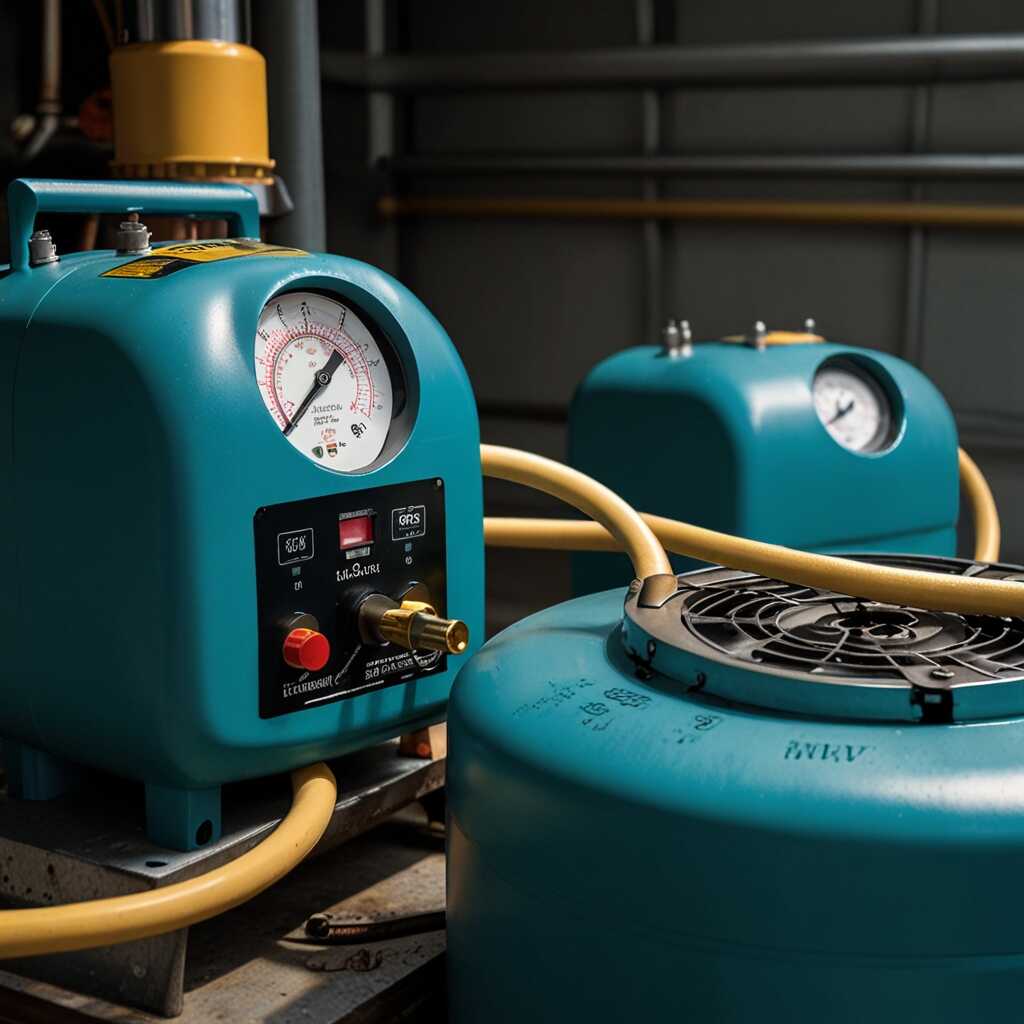
Environmental conditions significantly impact refrigerant recovery machine efficiency, with ambient temperature being the most critical factor. Machines operate optimally between 60-85°F; performance decreases by approximately 2-3% for every 10°F above this range. High humidity can cause internal condensation, reducing compressor efficiency and potentially damaging components. Altitude also affects performance, as lower atmospheric pressure at elevations above 3,000 feet reduces recovery rates.
Machine maintenance directly correlates with efficiency levels. Well-maintained recovery equipment sustains efficiency ratings near manufacturer specifications, while neglected units may operate at 60-70% capacity. Key maintenance factors include filter condition, oil levels, seal integrity, and hose quality. Equipment age also matters – machines typically lose 1-2% efficiency annually after five years of regular use, making replacement consideration important for cost-effective operations.
Impact of System Configuration on Recovery Efficiency
System configuration plays a crucial role in recovery efficiency. Longer hose runs reduce flow rates by creating additional pressure drop, with each 10 feet of hose potentially decreasing efficiency by 5-8%. Hose diameter also matters – using 3/8″ hoses instead of 1/4″ can improve recovery rates by 20-30% for high-volume applications. Proper valve positioning and minimizing connection points further enhance efficiency.
Recovery tank condition affects overall efficiency through back-pressure effects. Tanks filled beyond 80% capacity create resistance that slows recovery rates. Pre-cooling recovery tanks to 40-50°F can improve efficiency by increasing the pressure differential between system and tank. Using multiple tanks in rotation maintains optimal recovery speeds throughout the process, particularly important for large commercial systems.
Key Performance Indicators for Recovery Operations
- Recovery rate efficiency: Target 90-95% refrigerant capture for optimal cost-effectiveness
- Time efficiency: Complete residential recovery within 15-30 minutes, commercial within 45-90 minutes
- Energy consumption: Efficient machines use 0.5-1.0 kWh per pound of refrigerant recovered
- Vacuum achievement: Reach 500 microns or better for thorough system evacuation
- Operating temperature: Maintain compressor temperature below 180°F during continuous operation
- Filter replacement intervals: Change filters every 20-40 hours of operation for sustained efficiency
- Annual efficiency retention: Well-maintained machines retain 95%+ of original efficiency after one year
Best Practices for Optimizing Recovery Machine Efficiency
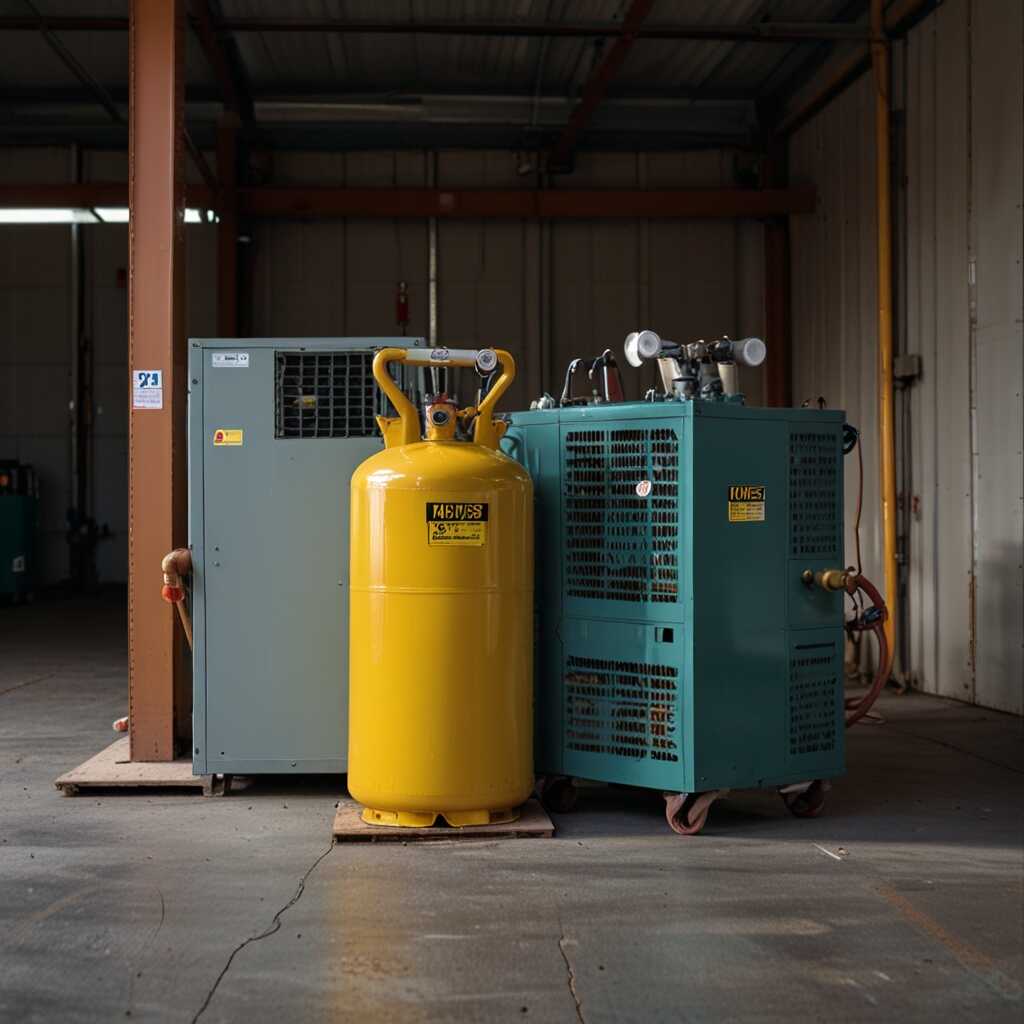
Implementing systematic maintenance schedules dramatically improves refrigerant recovery machine efficiency. Essential practices include changing filters every 20-40 operating hours, checking oil levels weekly, and inspecting seals monthly. Pre-recovery preparation, such as purging hoses and pre-cooling recovery tanks, can increase efficiency by 15-25%. Regular calibration of gauges and flow meters ensures accurate performance monitoring.
Technician technique significantly impacts recovery efficiency. Using proper hose configurations, maintaining steady flow rates, and avoiding system pressure spikes preserves equipment life while maximizing recovery speed. Training programs focusing on efficiency optimization typically help technicians improve recovery rates by 20-30% through better equipment handling and troubleshooting skills.
Cost-Saving Strategies Through Efficiency Optimization
Optimizing recovery efficiency directly reduces operational costs through decreased labor time, reduced refrigerant loss, and extended equipment life. Efficient recovery processes typically save 30-45 minutes per job compared to poorly maintained equipment, translating to significant labor savings. Minimizing refrigerant loss through high-efficiency recovery saves money on replacement refrigerant while ensuring environmental compliance.
Preventive maintenance programs cost approximately $200-500 annually per machine but prevent efficiency-related losses that could exceed $2,000-5,000 in lost productivity and refrigerant replacement. Investing in efficiency monitoring tools, typically costing $300-800, enables early problem detection and maintains optimal performance levels throughout equipment lifespan.
Essential Tools and Equipment for Measuring Recovery Efficiency
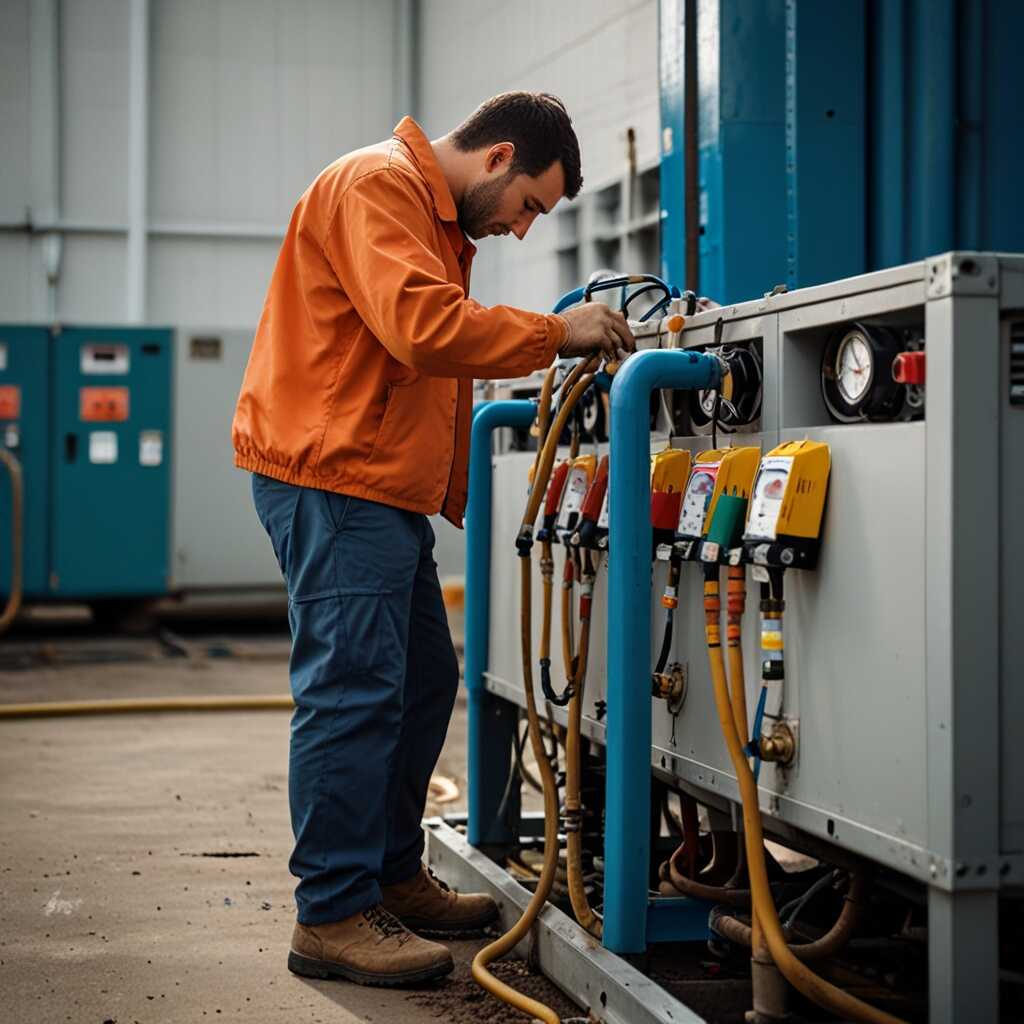
Accurate efficiency measurement requires specific tools designed for HVAC applications. Digital manifold gauges provide precise pressure readings essential for calculating recovery rates and system evacuation levels. Quality flow meters designed for refrigerant service measure actual recovery rates in real-time, typically ranging from $400-1,200 depending on features and accuracy levels. Electronic scales capable of 0.1-pound resolution enable precise measurement of recovered refrigerant weight.
Temperature monitoring equipment helps identify efficiency problems related to overheating or inadequate cooling. Infrared thermometers quickly check compressor and condenser temperatures, while data loggers track performance trends over extended periods. Micron gauges verify proper system evacuation, ensuring complete refrigerant removal. Combined tool investments typically range from $1,500-3,500 for a comprehensive efficiency measurement kit.
Selecting Professional-Grade Measurement Equipment
Professional-grade measurement tools must withstand demanding field conditions while maintaining accuracy. Look for equipment with protective casings and reinforced components that ensure long-term reliability. Digital displays should remain readable in bright sunlight and low-light conditions. Wireless connectivity enables remote monitoring and data logging, particularly useful for extended recovery operations.
Consider measurement range when selecting tools – gauges should handle both vacuum and high-pressure readings appropriate for all refrigerants encountered. Flow meters need sufficient range to measure both low residential and high commercial flow rates accurately. Battery life becomes critical for field use; choose tools offering 8+ hours continuous operation or convenient charging options.
Benefits of Systematic Efficiency Measurement
- Cost reduction: Identifying inefficiencies early prevents refrigerant loss worth $50-200 per pound
- Compliance assurance: Documentation proves adherence to EPA recovery requirements
- Equipment longevity: Early problem detection extends machine life by 2-5 years
- Customer satisfaction: Faster recovery times improve service efficiency and reduce downtime
- Environmental protection: Higher efficiency means less refrigerant released to atmosphere
- Competitive advantage: Efficient operations enable competitive pricing while maintaining margins
- Training validation: Measurement data identifies technicians needing additional efficiency training
Common Challenges That Reduce Recovery Machine Efficiency
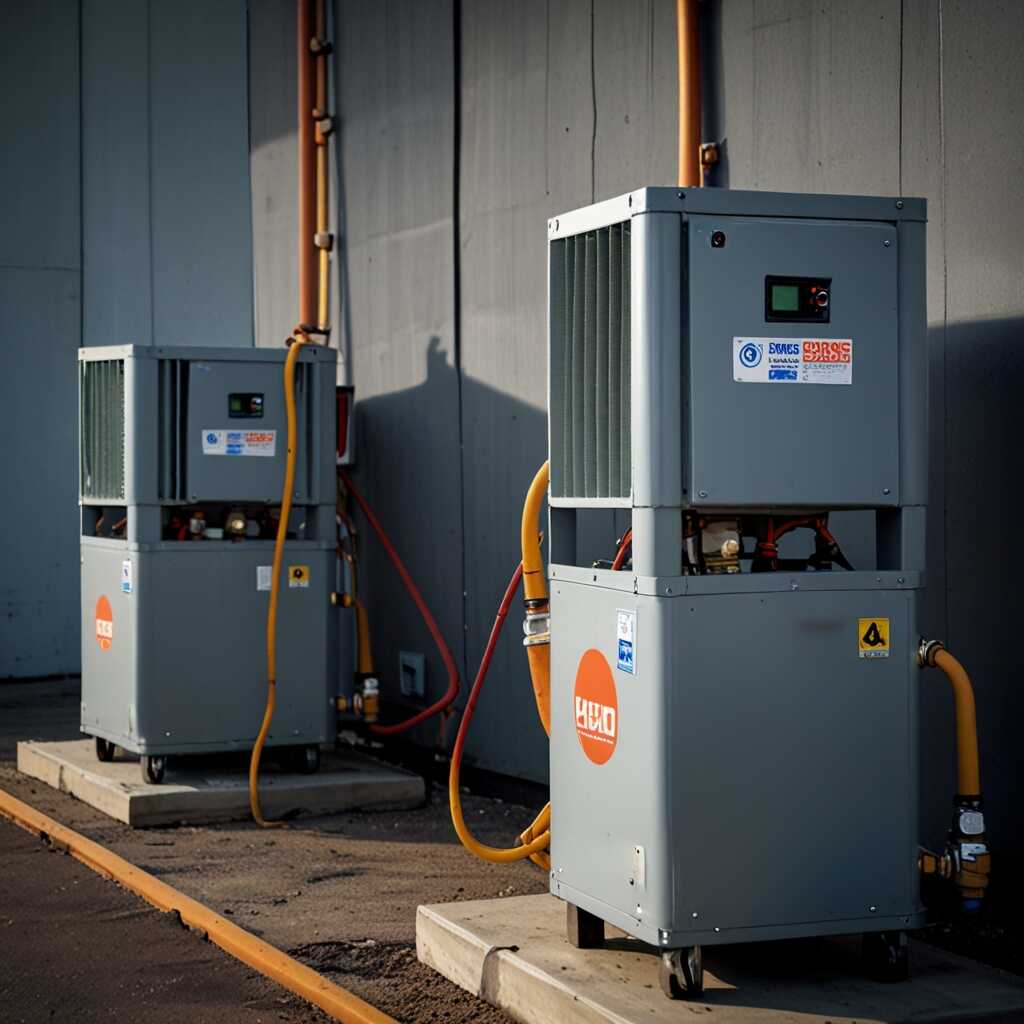
Equipment-related challenges frequently impact recovery efficiency, with compressor wear being the primary concern. As compressors age, internal clearances increase, reducing pumping capacity by 2-5% annually. Seal degradation allows refrigerant bypass, further decreasing efficiency. Contaminated oil reduces lubrication effectiveness, accelerating wear and potentially causing catastrophic failure. Regular oil analysis helps identify problems before efficiency drops significantly.
Procedural challenges also limit efficiency. Inadequate pre-recovery preparation, such as failing to remove non-condensables or moisture, slows recovery rates and damages equipment. Incorrect hose sizing or excessive hose lengths create flow restrictions reducing efficiency by 20-40%. Poor temperature management during recovery causes equipment overheating, triggering safety shutdowns that extend job completion times.
Troubleshooting Efficiency Problems Systematically
Systematic troubleshooting begins with baseline performance comparison. Document normal recovery rates for different refrigerants and system sizes when equipment operates properly. When efficiency decreases, check simple issues first: clogged filters, kinked hoses, or incorrect valve positions. These problems account for approximately 60% of efficiency complaints yet require minimal time to resolve.
Advanced troubleshooting involves component testing. Check compressor compression ratio using inlet and outlet pressure readings – ratios below manufacturer specifications indicate internal wear. Test vacuum pump performance by isolating it from the system and measuring ultimate vacuum achieved. Oil analysis reveals contamination levels and wear particles indicating specific component degradation. This systematic approach identifies root causes efficiently, minimizing diagnostic time and ensuring appropriate repairs.
Meeting Regulatory Requirements Through Efficiency Measurement
EPA regulations mandate specific recovery efficiency levels for different equipment categories and refrigerant types. Current regulations require technicians to recover 80-90% of refrigerants depending on system type and size. Small appliances require 80% recovery for systems manufactured before specific dates, while newer systems require 90% recovery. Commercial and industrial equipment faces stricter requirements, often mandating 95% recovery efficiency.
Documentation requirements include maintaining recovery equipment certification records, recording recovery amounts for each job, and proving equipment meets efficiency standards through regular testing. The EPA requires recovery machines manufactured after specific dates to meet enhanced efficiency standards. Non-compliance penalties range from $44,539 per day for violations, making efficiency measurement and documentation critical for regulatory compliance and business protection.
Documentation Best Practices for Compliance
Effective documentation systems track equipment performance, maintenance activities, and job-specific recovery data. Digital record-keeping systems streamline compliance by automatically calculating efficiency percentages and flagging potential issues. Essential records include equipment model and serial numbers, certification dates, maintenance logs, and efficiency test results conducted at least annually.
Job documentation should capture system type, refrigerant type and amount, recovery start and end times, final vacuum achieved, and recovered refrigerant weight. Photo documentation of gauge readings provides additional verification if questioned. Maintaining these records for five years satisfies EPA requirements while providing valuable data for efficiency trend analysis. Cloud-based systems ensure records remain accessible and protected from loss.
Leading Recovery Machine Brands and Their Efficiency Features
- Robinair: Known for consistent 90-95% efficiency ratings and reliable oil-less compressor designs
- Appion: Features fast recovery rates up to 10 lbs/min with excellent efficiency in high-temperature conditions
- Fieldpiece: Compact units ideal for residential work, maintaining 85-90% efficiency in portable designs
- Inficon: Specializes in high-efficiency units with advanced monitoring capabilities for precise measurement
- Yellow Jacket: Offers durable machines with 20+ year lifespans when properly maintained
- CPS Products: Budget-friendly options maintaining 80-85% efficiency for small-scale operations
- Mastercool: Industrial-grade equipment achieving 95%+ efficiency in demanding applications
Latest Innovations Improving Recovery Machine Efficiency
Modern refrigerant recovery technology incorporates smart features that significantly enhance efficiency. Variable-speed compressors automatically adjust pumping capacity based on system conditions, maintaining optimal efficiency throughout the recovery process. These systems achieve 15-20% better efficiency than fixed-speed units while reducing wear through smoother operation. Digital control systems monitor multiple parameters simultaneously, adjusting operations to maintain peak efficiency.
IoT-enabled recovery machines provide real-time performance data and predictive maintenance alerts. These systems track cumulative run time, recovery amounts, and efficiency trends, automatically notifying technicians when maintenance is needed. Advanced filtration systems using multi-stage designs maintain efficiency longer between service intervals. Some manufacturers now offer machines with self-diagnostic capabilities that identify and compensate for minor issues automatically.
Future Trends in Recovery Machine Technology
Emerging technologies promise further efficiency improvements in refrigerant recovery. Magnetic bearing compressors eliminate friction-related efficiency losses, potentially achieving 98% or higher recovery rates. Advanced materials like graphene-enhanced components offer superior heat dissipation, enabling sustained high-efficiency operation in extreme conditions. Artificial intelligence algorithms optimize recovery parameters in real-time based on learned patterns from thousands of recovery operations.
Integration with broader HVAC service platforms enables comprehensive efficiency tracking across entire service operations. Augmented reality interfaces guide technicians through optimal recovery procedures, ensuring consistent high-efficiency practices. As environmental regulations tighten, manufacturers focus on achieving near-perfect recovery rates while minimizing energy consumption. These innovations, expected to reach mainstream adoption by 2027-2030, will redefine efficiency standards for the industry.