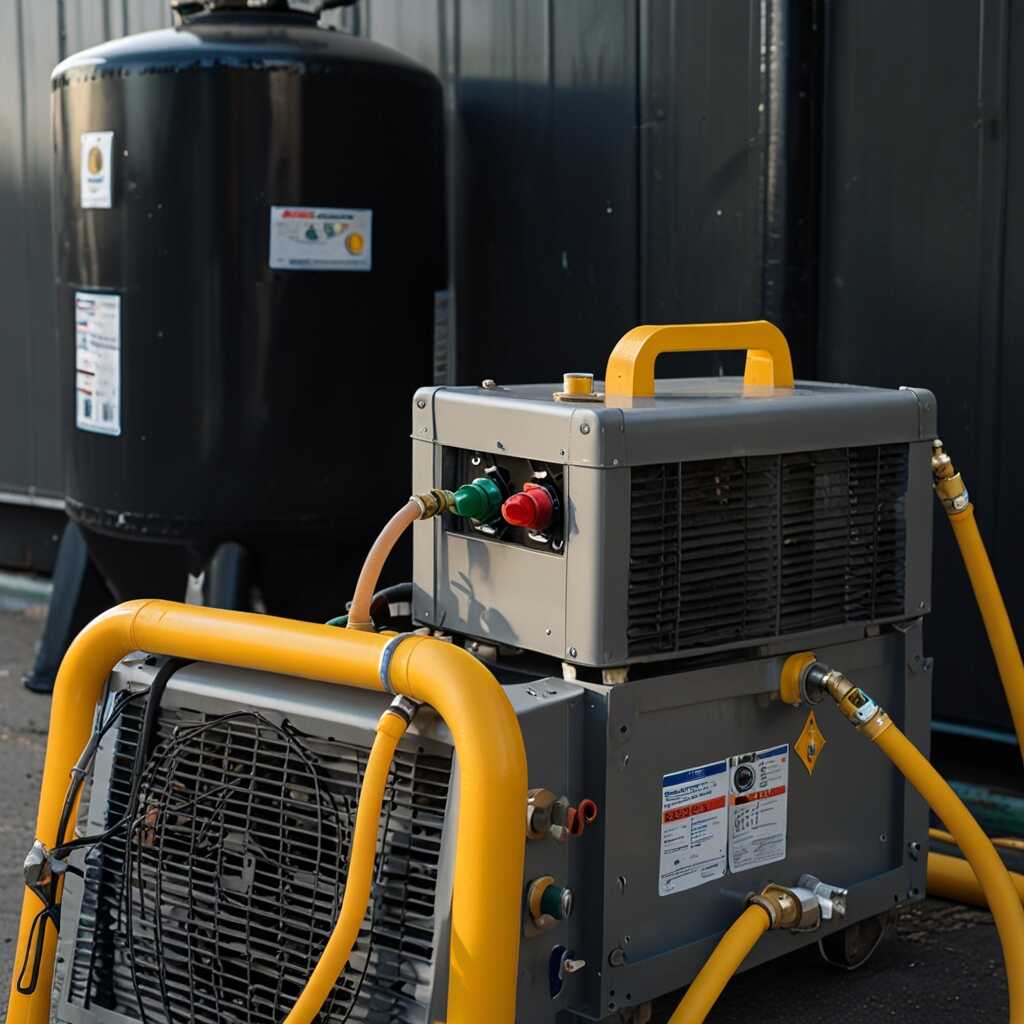
Wireless monitoring refrigerant recovery machines are advanced HVAC tools that allow technicians to track recovery processes remotely through smartphone apps or tablets. These systems typically reduce job completion time and enable technicians to monitor multiple units simultaneously. Common features include real-time data transmission, automated alerts, and digital record-keeping capabilities that streamline workflow efficiency.
What Are Wireless Monitoring Refrigerant Recovery Machines
Wireless monitoring refrigerant recovery machines are specialized HVAC equipment that combines traditional recovery capabilities with remote monitoring technology. These machines work by transmitting recovery data through Wi-Fi, Bluetooth, or cellular connections to technician devices. The technology enables real-time tracking of refrigerant levels, recovery rates, and system performance without requiring constant physical presence at the machine location.
Key components include wireless communication modules, data sensors, mobile applications, and cloud-based storage systems. Most systems support multiple refrigerant types including R-22, R-410A, and R-134a. The wireless range typically extends from thirty feet for Bluetooth systems to unlimited distance for cellular-enabled units. Professional testing methodologies help determine which wireless systems perform most reliably under various job site conditions.
How Wireless Monitoring Technology Works in Recovery Equipment
Wireless monitoring systems work by collecting data from sensors installed throughout the recovery machine. These sensors measure refrigerant pressure, flow rates, temperature, and recovery progress in real-time. The collected information transmits wirelessly to a base station or directly to technician mobile devices through dedicated applications.
The process begins when technicians start a recovery job and activate wireless monitoring mode. Data flows continuously from the machine to the monitoring system, creating detailed logs of the entire recovery process. Most systems update every few seconds, ensuring technicians receive current information about recovery status. Advanced units include GPS tracking, allowing fleet managers to monitor equipment locations and usage patterns across multiple job sites.
Benefits of Wireless Monitoring for HVAC Technicians
The primary benefits of wireless monitoring include increased productivity, improved safety, and enhanced documentation capabilities. Technicians can monitor multiple recovery operations simultaneously, allowing them to work on other tasks while machines operate automatically. This multitasking capability typically increases daily job completion rates for most HVAC service companies.
Safety improvements occur because technicians can maintain safe distances from operating equipment while still monitoring performance. Safety requirements for refrigerant recovery emphasize the importance of proper monitoring during recovery operations. Wireless systems provide continuous oversight without requiring technicians to remain in potentially hazardous areas near pressurized equipment.
Enhanced Documentation and Compliance Features
Wireless monitoring systems automatically generate detailed recovery reports that help HVAC companies maintain regulatory compliance. These digital records include timestamps, refrigerant quantities, and equipment performance data required by environmental regulations. Most systems store records in cloud-based databases, making documentation easily accessible during inspections or audits.
Advanced features include automated EPA reporting capabilities that streamline compliance documentation. The systems can generate customized reports for different regulatory requirements, reducing administrative burden on technicians and office staff. Frequently asked questions about wireless monitoring often focus on compliance documentation and record-keeping capabilities that these systems provide.
Key Features to Look for When Selecting Wireless Recovery Machines
Essential features include reliable wireless connectivity, intuitive mobile applications, and comprehensive data logging capabilities. Look for machines that support multiple wireless protocols such as Wi-Fi, Bluetooth, and cellular connections to ensure connectivity in various job site environments. Battery life for wireless modules should extend at least eight hours for typical work days.
User interface design significantly impacts daily usability. Choose systems with clear displays, simple navigation, and customizable alert settings. The mobile application should work on both iOS and Android devices, with offline capability for areas with poor cellular coverage. Data export functions allow technicians to share recovery information with customers and regulatory authorities when needed.
Durability and Environmental Considerations
Recovery machines with wireless monitoring must withstand harsh job site conditions including temperature extremes, vibration, and exposure to refrigerants. Look for equipment rated for outdoor use with appropriate IP ratings for dust and moisture protection. Wireless components should be sealed and protected from environmental contamination that could affect signal transmission.
Quality wireless systems include backup power options such as rechargeable batteries or vehicle power adapters. These features ensure continuous monitoring even during power interruptions or when working in remote locations. Performance analysis data shows that durable wireless systems maintain consistent connectivity across various environmental conditions encountered in HVAC service work.
Cost Considerations for Wireless Monitoring Systems
Wireless monitoring typically adds between five hundred to two thousand dollars to recovery machine costs, depending on features and capabilities. Entry-level systems with basic Bluetooth connectivity cost less than advanced cellular-enabled units with cloud storage and fleet management features. Monthly service fees for cellular connectivity range from ten to fifty dollars per machine.
Return on investment often occurs within six months to two years through increased technician productivity and reduced service callbacks. Companies report that wireless monitoring helps technicians complete additional jobs daily while improving service quality. The technology reduces travel time between job sites since technicians can monitor multiple operations remotely.
Budget-Friendly Options for Small HVAC Companies
Small HVAC companies can start with basic wireless monitoring systems that focus on essential features rather than advanced capabilities. Retrofit wireless modules for existing recovery machines cost less than purchasing new equipment. These add-on systems typically range from two hundred to eight hundred dollars and can be installed on most modern recovery machines.
Consider leasing options or financing programs that spread wireless monitoring costs over several years. Many manufacturers offer upgrade paths that allow companies to add advanced features as their business grows. This approach helps small companies access wireless technology without large upfront investments.
Installation and Setup Process for Wireless Monitoring
Installation of wireless monitoring systems varies from simple plug-and-play modules to more complex integrated installations. Basic retrofit systems typically require thirty minutes to two hours for installation, depending on machine complexity and wireless features. Most systems include detailed installation guides and technical support to assist technicians during setup.
The setup process begins with installing wireless communication modules and connecting sensor inputs to the recovery machine’s control system. Technicians then configure mobile applications, establish wireless network connections, and test data transmission functionality. Initial configuration includes setting alert thresholds, customizing user interfaces, and establishing data logging preferences.
Common Installation Challenges and Solutions
Wireless signal interference represents the most common installation challenge in industrial environments. Metal buildings, electrical equipment, and other wireless devices can affect signal quality. Solutions include selecting appropriate wireless frequencies, positioning antennas for optimal signal strength, and using signal boosters when necessary.
Compatibility issues may arise when retrofitting wireless systems to older recovery machines. Recovery machine attributes that affect wireless integration include control system types, available power connections, and sensor compatibility. Professional installation services can address complex integration requirements for challenging installations.
Limitations and Considerations of Wireless Monitoring
Wireless monitoring systems have several limitations that technicians should understand before implementation. Battery life for wireless modules requires regular monitoring and charging to maintain continuous operation. Signal range limitations may affect monitoring capability in large buildings or areas with poor wireless coverage.
Data security concerns exist when using wireless communication for sensitive business information. Companies should implement appropriate security measures including encrypted data transmission and secure user authentication. Regular software updates help maintain system security and add new features over time.
Technical Support and Maintenance Requirements
Wireless monitoring systems require ongoing technical support and maintenance to ensure reliable operation. Software updates, hardware maintenance, and troubleshooting support are essential services that manufacturers should provide. Response time for technical support significantly impacts technician productivity when wireless systems experience problems.
Training requirements for technicians include learning mobile application operation, understanding wireless connectivity troubleshooting, and interpreting monitoring data effectively. Companies should budget for training time and ongoing education as wireless technology continues to evolve in the HVAC industry.
Who Should Use Wireless Monitoring Recovery Machines
Wireless monitoring refrigerant recovery machines are ideal for busy HVAC service companies that handle multiple simultaneous jobs. Companies with technicians who work on large commercial buildings, industrial facilities, or multiple job sites daily benefit most from wireless monitoring capabilities. Fleet-based service operations gain significant advantages from remote monitoring and equipment tracking features.
Small residential HVAC companies may find basic wireless monitoring useful for improving customer service and documentation. However, the additional costs may not be justified for companies that primarily handle single-unit residential systems. Consider wireless monitoring when recovery operations frequently involve large refrigerant quantities or extended recovery times.
Situations Where Wireless Monitoring Provides Maximum Benefit
Maximum benefits occur in situations involving complex recovery operations, multiple system locations, or strict documentation requirements. Large commercial facilities with numerous HVAC units allow technicians to monitor several recovery operations simultaneously. Industrial applications often require detailed documentation that wireless systems provide automatically.
Emergency service situations benefit from wireless monitoring because technicians can respond to multiple calls while maintaining oversight of ongoing recovery operations. Editor choice recommendations often highlight wireless-enabled recovery machines for companies that prioritize efficiency and comprehensive service capabilities.
Future Developments in Wireless Recovery Technology
Future developments in wireless recovery technology include integration with building automation systems, artificial intelligence for predictive maintenance, and enhanced mobile applications with augmented reality features. These advances will further improve technician productivity and system reliability.
Cloud-based analytics will enable HVAC companies to analyze recovery data across entire fleets, identifying trends and optimization opportunities. Machine learning algorithms may predict equipment maintenance needs and optimize recovery procedures based on historical performance data. Final verdicts on wireless monitoring technology consistently emphasize the growing importance of connected equipment in modern HVAC service operations.
Industry Trends Shaping Wireless Monitoring Evolution
Industry trends toward increased connectivity and data-driven decision making continue to drive wireless monitoring development. Environmental regulations requiring detailed documentation make wireless monitoring increasingly valuable for compliance management. The growing complexity of modern HVAC systems creates demand for more sophisticated monitoring and diagnostic capabilities.
Integration with customer management systems and billing software represents another significant trend. Future wireless monitoring systems will likely include direct integration with business management tools, streamlining administrative processes and improving customer communication capabilities throughout the service process.