Quick connect couplings are push-to-connect fittings that enable HVAC technicians to join refrigerant recovery hoses without tools. These specialized connectors feature spring-loaded mechanisms that create secure, leak-proof seals instantly. Most professional-grade couplings handle pressures between 500-800 PSI and work with common refrigerants like R-410A, R-134a, and R-22. Technicians report significant time savings using these efficient connection systems compared to traditional threaded fittings.
Understanding How Quick Connect Couplings Work in Recovery Systems
Quick connect couplings operate through a simple push-and-lock mechanism. When you push the male fitting into the female coupling, internal ball bearings or collets grip the fitting securely. A spring-loaded sleeve automatically locks the connection in place. To disconnect, you pull back the outer sleeve, which releases the internal gripping mechanism. This design eliminates the need for wrenches or thread tape, making connections faster and more reliable. The performance analysis shows these couplings maintain consistent seal integrity even after hundreds of connection cycles.
Key Benefits of Quick Connect Technology for HVAC Professionals
The primary benefits of quick connect couplings include reduced setup time, improved safety, and enhanced reliability. Professional training emphasizes how these couplings prevent refrigerant leaks during connection and disconnection. Technicians can complete connections one-handed, which proves especially valuable when working in tight mechanical rooms or on rooftops. The positive-lock design prevents accidental disconnections during recovery operations. Additionally, these couplings reduce wear on hose threads, extending equipment life and maintaining better seal integrity over time.
Practical Setup Process Using Quick Connect Couplings
Setting up refrigerant recovery with quick connect couplings follows a straightforward process. First, ensure your recovery machine hoses have compatible quick connect fittings – typically 1/4″ or 3/8″ SAE sizes. Next, verify the system pressure before connecting to prevent dangerous releases. Push the coupling firmly until you hear or feel the positive lock engage. Most quality couplings provide audible or tactile feedback when properly connected. Always perform a brief leak check using electronic leak detectors or soap bubbles before starting recovery.
Essential Equipment Compatibility Considerations
Quick connect couplings work with most modern refrigerant recovery machines, but compatibility varies by manufacturer. Quality recovery equipment manufacturers typically include standardized fittings that accept universal quick connect adapters. Common brands like Yellow Jacket, Appion, and JB Industries offer retrofit kits for older machines. When selecting couplings, match the pressure rating to your recovery equipment specifications. Industrial-grade couplings handle higher pressures and more connection cycles than budget alternatives. Consider investing in color-coded couplings to prevent cross-contamination between different refrigerant types.
Comparing Quick Connect vs Traditional Threaded Connections
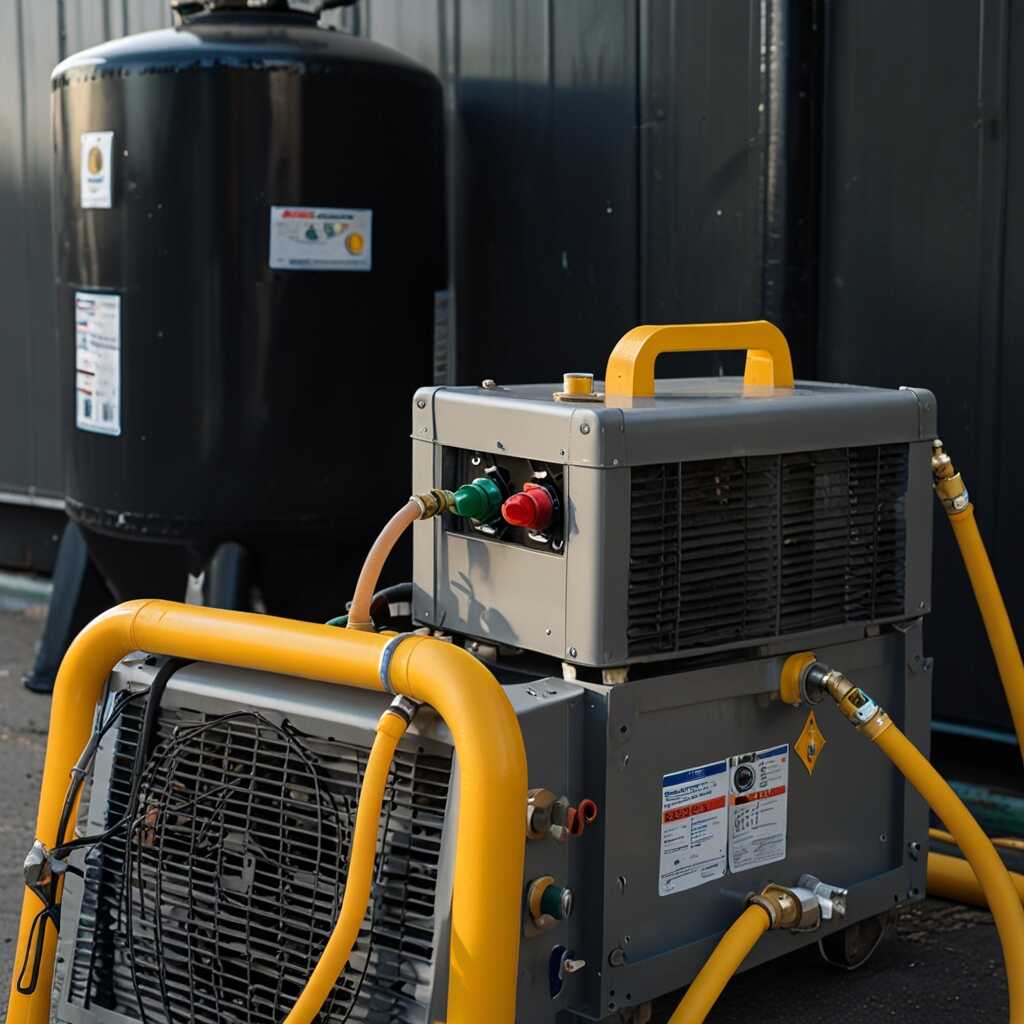
Quick connect couplings offer several advantages over traditional threaded connections in field applications. Traditional connections require multiple wrench turns and proper thread alignment, while quick connects engage instantly with a simple push. Thread damage represents a common failure point in traditional fittings, especially after repeated use. Quick connects eliminate this concern through their threadless design. However, traditional fittings typically cost less initially and remain readily available at most supply houses. The detailed comparison table reveals important differences between these connection methods.
Cost Analysis of Quick Connect Coupling Systems
Professional-grade quick connect couplings typically range from $15-50 per fitting, depending on size and pressure rating. Complete hose sets with quick connects cost between $75-200. While the initial investment exceeds traditional threaded hoses, the time savings often justify the expense. Technicians completing multiple recovery jobs daily can save considerable setup time. Budget-conscious professionals might start with one quick connect hose set for their most frequent recovery tasks. The comprehensive price analysis includes options for different budget levels and usage patterns.
Common Applications for Quick Connect Recovery Systems
- Commercial rooftop unit servicing where speed matters due to weather exposure
- Residential split system recovery in tight attic or crawlspace installations
- Industrial chiller maintenance requiring frequent connection changes between circuits
- Mobile HVAC service vehicles where tool organization and efficiency are priorities
- Emergency refrigerant recovery situations requiring rapid response times
- Training facilities where students make numerous practice connections daily
- High-volume service operations processing multiple recovery jobs per technician
Selecting the Right Quick Connect Couplings for Your Needs
Modern refrigerant recovery equipment compatibility depends on several coupling features. Look for couplings with dual O-ring seals for maximum leak prevention. The best models include automatic shut-off valves that prevent refrigerant loss during disconnection. Consider couplings with built-in check valves for added safety. Material construction matters – brass bodies with stainless steel mechanisms provide excellent durability. Some premium couplings feature pressure relief capabilities for additional protection during high-pressure situations.
Maintenance Requirements for Long-Term Reliability
Quick connect couplings require minimal but important maintenance for optimal performance. Clean coupling faces regularly with isopropyl alcohol to remove oil residue and debris. Inspect O-rings during each use for cuts, swelling, or deterioration. Most manufacturers recommend O-ring replacement every 12-24 months depending on usage frequency. Apply compatible refrigerant oil sparingly to O-rings to maintain flexibility. Store couplings with protective caps to prevent contamination. Never use petroleum-based lubricants, as these degrade O-ring materials and compromise seal integrity.
Maximizing Efficiency Through Proper Coupling Selection
Time efficiency improvements from quick connect couplings depend heavily on proper selection and use. Choose couplings rated for your specific refrigerant types and system pressures. Low-loss fittings minimize refrigerant waste during disconnection, saving money and reducing environmental impact. For high-frequency users, invest in couplings with higher cycle ratings – typically 5,000 connections or more. Consider the working environment; some couplings perform better in extreme temperatures or dirty conditions. Standardizing on one coupling brand across your equipment simplifies inventory and ensures compatibility.
Troubleshooting Common Quick Connect Coupling Issues
Common quick connect problems include difficult connections, refrigerant leaks, and premature wear. Difficult connections often result from mismatched coupling brands or debris on sealing surfaces. If couplings won’t connect, check for bent pins or damaged locking mechanisms. Refrigerant leaks typically indicate worn O-rings or damaged sealing faces. Professional discussions highlight proper troubleshooting techniques for various coupling problems. Replace couplings showing visible damage immediately to prevent refrigerant loss and maintain EPA compliance.
Safety Considerations When Using Quick Connect Systems
- Always verify system pressure is at safe levels before disconnecting couplings
- Wear safety glasses and gloves as refrigerant may spray during disconnection
- Never force connections – proper couplings engage smoothly with moderate pressure
- Check coupling pressure ratings match your recovery equipment specifications
- Inspect locking mechanisms before each use to ensure secure connections
- Keep coupling surfaces clean to prevent contamination entering refrigerant systems
- Store disconnected couplings with protective caps to maintain cleanliness
Training Requirements for Safe and Efficient Coupling Use
Proper training ensures technicians maximize quick connect coupling benefits while maintaining safety. Basic training covers connection techniques, pressure verification, and leak testing procedures. Advanced training includes coupling selection for different refrigerants and pressure ranges. Hands-on practice with various coupling brands helps technicians recognize quality differences. EPA certification courses increasingly include quick connect coupling procedures as industry adoption grows. Many manufacturers offer online training videos demonstrating proper connection techniques and troubleshooting methods.
Building Standard Operating Procedures for Quick Connect Use
Establishing clear procedures ensures consistent, safe coupling use across your service team. Document specific coupling types approved for each refrigerant type in your fleet. Create visual guides showing proper connection sequences and safety checks. Include coupling inspection criteria and replacement intervals in your maintenance schedules. Specify required PPE and leak detection methods for your operation. Regular team meetings to review procedures and share experiences improve overall safety and efficiency.
Real-World Performance: Quick Connect Coupling Field Reports
HVAC contractors report varied experiences with quick connect coupling implementations. A commercial service company in Phoenix found that quick connects reduced their average rooftop unit recovery setup time significantly. Their technicians particularly appreciated the benefits during summer months when metal tools become uncomfortably hot. A residential contractor in Minnesota values quick connects for basement and attic work where tool manipulation proves challenging. However, some technicians note the higher upfront cost and occasional compatibility issues between brands as drawbacks.
Lessons Learned from Early Adopters
Early adopters of quick connect technology share valuable insights for newcomers. Standardizing on one coupling brand across all equipment prevents compatibility headaches. Investing in quality couplings from reputable manufacturers reduces long-term replacement costs. Some contractors color-code their couplings by refrigerant type to prevent cross-contamination. Regular team training ensures all technicians understand proper connection techniques. Keeping spare O-ring kits readily available prevents downtime from worn seals. These practical lessons help new users avoid common implementation pitfalls.
Popular Quick Connect Coupling Manufacturers and Models
- Yellow Jacket offers robust brass couplings with excellent pressure ratings for commercial use
- Appion provides lightweight aluminum options popular with residential service technicians
- JB Industries manufactures color-coded sets that help prevent refrigerant mixing
- Parker produces industrial-grade couplings suitable for high-pressure applications
- Mastercool offers budget-friendly options for occasional users or backup sets
- Imperial supplies retrofit kits to convert older equipment to quick connect
- CPS Products creates specialized low-loss designs minimizing refrigerant waste
Future Developments in Quick Connect Coupling Technology
Recent innovations in refrigerant recovery technology suggest exciting developments for quick connect couplings. Manufacturers are developing smart couplings with built-in pressure sensors and wireless connectivity. These advanced fittings could alert technicians to pressure changes or potential leaks via smartphone apps. Some prototypes include RFID tags for equipment tracking and maintenance scheduling. Materials science advances promise even more durable seals and corrosion-resistant bodies. Environmental regulations drive development of ultra-low-loss designs that virtually eliminate refrigerant escape during disconnection.
Preparing for Next-Generation Coupling Systems
Forward-thinking HVAC professionals can prepare for emerging coupling technologies by staying flexible in their equipment choices. Building experience with current digital recovery tools helps technicians adapt to smart coupling systems. Maintaining relationships with progressive equipment suppliers ensures early access to new technologies. Consider gradual equipment upgrades rather than wholesale replacements to spread costs and learning curves. Join industry forums and training programs focusing on emerging recovery technologies. The contractors who embrace technological advancement while maintaining fundamental skills will thrive as coupling systems evolve.