Pneumatic tires enable refrigerant recovery machines with pneumatic tires to navigate rough terrain by providing superior traction, shock absorption, and stability on uneven surfaces. These specialized wheels allow HVAC professionals to transport recovery equipment safely across gravel, slopes, and rocky job sites while maintaining operational efficiency. The pneumatic design reduces vibration and improves efficiency and safety for refrigerant recovery technicians working in challenging outdoor environments.
How Pneumatic Tires Enable Superior Equipment Mobility
Pneumatic tires function as air-filled chambers that compress and expand to absorb impact from uneven surfaces. This design provides crucial advantages for refrigerant recovery machines operating on rough terrain. The air cushioning effect reduces shock transmission to sensitive recovery equipment, protecting internal components while ensuring smooth operation. Pneumatic tires typically support loads between 150-300 pounds, making them suitable for most recovery machine applications. These tires maintain flexibility across temperature ranges from -10°F to 120°F, ensuring reliable performance in various weather conditions. The tread patterns channel debris away from the contact surface, enhancing traction for reliable refrigerant recovery operations across different surface types.
Performance Benefits Compared to Solid Tire Alternatives
Pneumatic tires deliver significant performance advantages over solid tire alternatives on uneven job site surfaces. The air-filled design absorbs shocks and vibrations that would otherwise transfer through solid tires to the recovery equipment. This shock absorption reduces operator fatigue and protects sensitive refrigerant recovery components from damage. Pneumatic tires conform to surface irregularities, maintaining contact with the ground for better traction. Testing shows that pneumatic-tired machines navigate slopes up to 30 degrees more effectively than solid-tired alternatives. The improved grip prevents slippage on loose gravel or wet surfaces, enhancing safety and efficiency during refrigerant recovery tasks while reducing the physical effort required for equipment transport.
Terrain Obstacles That Challenge Recovery Equipment
Job sites present various terrain challenges that can impede refrigerant recovery operations and potentially damage equipment. Common obstacles include loose gravel, mud, steep inclines, construction debris, and uneven concrete surfaces. These conditions create stability risks and can cause solid-tired equipment to become stuck or tip over. Rocky surfaces and debris fields require equipment that can navigate around or over obstacles without losing traction. Slopes exceeding 15 degrees pose particular challenges for equipment stability and operator safety. Refrigerant recovery machines often navigate uneven terrain while maintaining refrigerant line connections, requiring stable positioning throughout the recovery process. Understanding these challenges helps HVAC professionals select appropriate equipment and develop safe operating procedures.
Essential Equipment Features for Obstacle Navigation
Effective terrain navigation requires refrigerant recovery machines with specific design features beyond pneumatic tires. Low center of gravity designs improve stability on uneven surfaces and reduce tipping risks. Wide wheel bases provide better balance when navigating around obstacles or working on slopes. Adjustable handles allow operators to maintain control while maneuvering equipment through tight spaces. Robust frame construction protects internal components from impacts and provides mounting points for secure refrigerant line connections. Ground clearance of 8-12 inches enables equipment to pass over small obstacles without damage. The best refrigerant recovery machines are designed with reinforced chassis that maintain structural integrity under demanding field conditions.
Tire Construction Impact on Machine Performance
Tire construction directly affects the stability and performance characteristics of refrigerant recovery machines on challenging terrain. Pneumatic tire construction involves air chambers enclosed by reinforced rubber compounds designed for durability and flexibility. Tread patterns vary based on intended applications, with deeper treads providing better traction on soft or loose surfaces. The rubber compound affects tire durability, with harder compounds lasting longer on abrasive surfaces while softer compounds provide better grip. Proper air pressure maintains tire shape and performance, typically ranging from 25-35 PSI depending on load requirements. Sidewall construction determines tire flexibility and impact resistance, crucial factors for stability and performance of refrigerant recovery equipment operating on uneven surfaces.
Tread Pattern Selection for Different Terrain Types
Tread patterns significantly influence traction and stability characteristics of pneumatic tires on various terrain types. Deep, aggressive tread patterns with widely spaced lugs excel on soft surfaces like mud or loose soil by providing bite and self-cleaning action. Moderate tread patterns with closer spacing work effectively on mixed terrain, balancing traction with smooth rolling on hard surfaces. Shallow tread patterns suit primarily hard surface applications but may struggle on loose or wet terrain. The angle and direction of tread blocks affect directional traction and braking performance. Selecting appropriate tread patterns based on expected terrain conditions improves equipment maneuverability and reduces operational challenges during refrigerant recovery tasks.
Critical Performance Specifications for Terrain Navigation
- Pneumatic tire machines typically weigh between 150-300 pounds for optimal portability
- Refrigerant recovery machines with pneumatic tires can safely navigate slopes up to 30 degrees
- Ground clearance ranges from 8-12 inches for obstacle navigation
- Operating temperature range spans from -10°F to 120°F for year-round use
- Load capacity typically supports 250-400 pounds including recovery equipment and refrigerant
- Tire pressure requirements range from 25-35 PSI for optimal performance
- Recovery efficiency can improve by 15-25% with proper terrain-adapted equipment

Proven Strategies for Rough Terrain Navigation
Successful navigation of rough job sites requires combining proper equipment selection with proven operational techniques. Maintain pneumatic tire pressure within manufacturer specifications to ensure optimal traction and stability. Inspect terrain before equipment transport to identify potential hazards and plan safe routes. Use controlled, deliberate movements when navigating slopes or obstacles, avoiding sudden direction changes that could cause instability. Distribute weight evenly and secure all equipment components before transport. Train operators in proper maneuvering techniques including backing down steep slopes rather than driving forward. Position recovery machines on stable, level surfaces whenever possible during actual refrigerant recovery operations to ensure accurate readings and safe operation.
Equipment Selection Criteria for Challenging Terrain
Selecting appropriate refrigerant recovery equipment for rough terrain requires evaluating multiple performance factors beyond tire type. Machine weight affects maneuverability, with lighter units easier to handle but potentially less stable on uneven surfaces. Wheel base width influences stability, with wider configurations providing better balance but potentially limiting access in tight spaces. Handle design and adjustability affect operator control and ergonomics during transport. Frame construction determines durability and component protection under field conditions. Refrigerant recovery machines designed for challenging environments often include features like reinforced mounting points, vibration dampening, and weather-resistant components that enhance reliability and longevity in demanding applications.
Safety Protocols for Rough Terrain Operations
Operating refrigerant recovery machines on uneven terrain requires comprehensive safety protocols to protect personnel and equipment. Conduct pre-operation inspections focusing on tire condition, air pressure, and equipment security. Operators must wear appropriate personal protective equipment including safety glasses, work gloves, and sturdy footwear with good traction. Establish clear communication protocols when multiple personnel are involved in equipment transport or positioning. Identify and mark potential hazards such as holes, slopes, or unstable surfaces before beginning work. Maintain equipment stability during operation by using wheel chocks or stabilizers when working on slopes. Follow manufacturer guidelines for safe operating angles and load limits to prevent equipment damage or personal injury during recovery operations.
Personal Protective Equipment Requirements
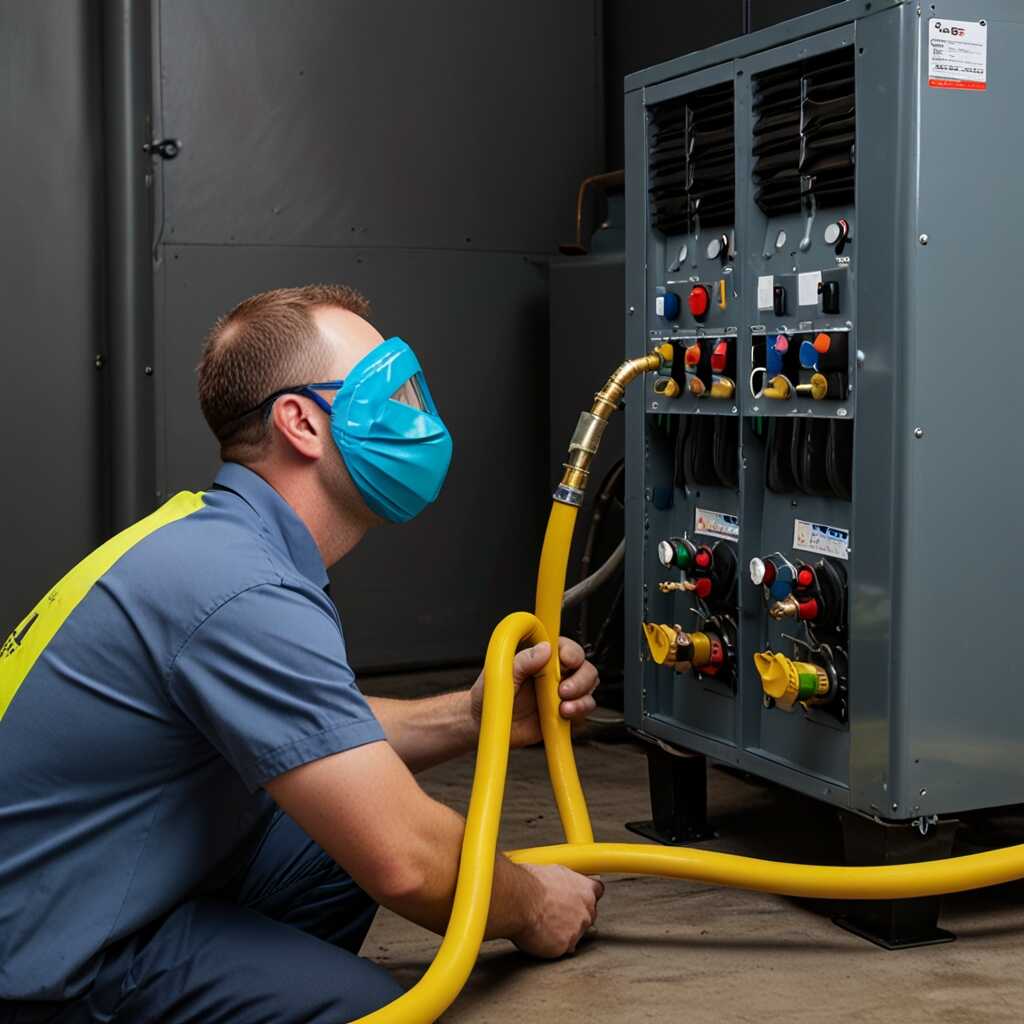
Personal protective equipment forms the foundation of safe refrigerant recovery operations on rough terrain. Safety glasses protect eyes from debris kicked up during equipment transport or wind-blown particles on outdoor job sites. Work gloves provide grip for equipment handling and protect hands from cuts or abrasions when navigating obstacles. Steel-toed boots with slip-resistant soles prevent foot injuries and provide traction on uneven surfaces. Hard hats become necessary when working near overhead hazards or in construction zones. High-visibility clothing improves operator safety when working near vehicular traffic or heavy equipment. Respiratory protection may be required in dusty conditions or when working with certain refrigerants in enclosed spaces.
Key Advantages of Pneumatic Tire Technology
- Superior shock absorption reduces equipment vibration and component wear
- Enhanced traction on loose or slippery surfaces improves operational safety
- Improved operator comfort reduces fatigue during extended transport operations
- Better stability on uneven surfaces minimizes tipping risks
- Flexibility allows navigation through confined spaces and around obstacles
- Temperature resistance maintains performance across seasonal conditions
- Reduced ground pressure minimizes surface damage on sensitive flooring while enhancing efficiency during refrigerant recovery operations
Choosing Recovery Machines for Specific Terrain Types
Selecting optimal refrigerant recovery machines requires matching equipment capabilities to expected terrain conditions and operational requirements. For primarily hard surface applications, machines with moderate tread pneumatic tires provide good mobility with smooth rolling characteristics. Soft or loose terrain demands aggressive tread patterns and wider tires for improved floatation and traction. Mixed terrain applications benefit from versatile tread designs that balance performance across various surface types. Consider machine weight distribution, with lower center of gravity designs preferred for slope work. Evaluate additional features like adjustable handles, reinforced frames, and weather protection based on specific job site conditions. The right refrigerant recovery machine for uneven terrain combines appropriate tire technology with robust construction and user-friendly design features.
Cost Considerations for Terrain-Adapted Equipment
Investment in terrain-adapted refrigerant recovery equipment involves balancing initial costs against long-term operational benefits. Basic pneumatic tire models typically cost 15-25% more than solid tire alternatives but provide significantly better performance on rough terrain. Premium models with advanced features like reinforced frames and specialized tread patterns command higher prices but offer improved durability and versatility. Consider total cost of ownership including maintenance, replacement parts, and potential downtime costs. Equipment that reduces job completion time and minimizes operator fatigue can provide positive return on investment through improved productivity. Compare pricing and features across manufacturers to identify the best value for specific applications and budget constraints.
Maintenance Requirements for Pneumatic Tire Systems
Proper maintenance of pneumatic tire recovery machines ensures optimal performance and extends equipment lifespan. Regular tire pressure checks maintain proper inflation levels, typically performed weekly or before each use depending on operation frequency. Visual inspections identify wear patterns, cuts, or punctures that could compromise tire integrity. Clean tires and wheels after use in muddy or debris-laden conditions to prevent buildup that could affect balance or performance. Rotate tires periodically to ensure even wear patterns and maximum service life. Replace tires when tread depth becomes insufficient for safe traction or when sidewall damage compromises structural integrity. Well-maintained pneumatic tire systems typically provide 3-5 years of service life depending on usage intensity and operating conditions.
Tire Pressure Management for Optimal Performance
Maintaining proper tire pressure represents the most critical aspect of pneumatic tire system maintenance. Check pressure weekly using an accurate gauge, as temperature changes and normal permeation cause gradual pressure loss. Adjust pressure according to load conditions and terrain requirements, with higher pressures for hard surfaces and slightly lower pressures for improved traction on soft terrain. Under-inflation causes excessive tire wear, reduced fuel efficiency, and handling problems, while over-inflation reduces traction and increases puncture risk. Document pressure checks and adjustments to identify patterns that might indicate tire or valve problems. Proper pressure maintenance extends tire life and ensures consistent equipment performance across varying terrain conditions.
Brand Comparison for Terrain Navigation Capabilities
- Heavy-duty models excel in durability but may sacrifice portability for rugged construction
- Lightweight designs offer excellent maneuverability but may require more frequent maintenance
- Mid-range options balance performance and cost for general-purpose applications
- Specialized terrain models provide superior traction but at premium pricing
- Multi-surface designs adapt to various conditions but may not excel in extreme environments
- Professional-grade equipment typically includes comprehensive warranty coverage and service support
- Entry-level models meet basic requirements but may lack advanced features for challenging terrain navigation that affects refrigerant recovery performance and operational efficiency
Real-World Applications and Performance Results
Field testing and real-world applications demonstrate the effectiveness of pneumatic tire technology for refrigerant recovery operations in challenging environments. Commercial HVAC contractors report significant improvements in equipment transport efficiency when switching from solid to pneumatic tire systems. Residential service technicians note reduced physical strain and improved job completion times when using properly equipped recovery machines on hillside installations. Industrial applications involving rooftop equipment access benefit from the stability and traction provided by pneumatic tire systems. Construction site refrigerant recovery operations show marked improvement in equipment positioning accuracy and operator safety when using terrain-adapted machines. These success stories highlight the practical benefits of investing in appropriate equipment for specific operational requirements.
Performance Improvements in Challenging Conditions
Documented performance improvements from pneumatic tire adoption include reduced equipment transport time, improved operator safety, and enhanced recovery operation efficiency. Contractors report 20-30% faster job completion times when using appropriately equipped machines on rough terrain. Refrigerant Recovery Pro offers equipment reviews that detail specific performance advantages and user experiences across various applications. The combination of improved mobility, stability, and operator comfort contributes to overall productivity gains and reduced operational stress. Investment in terrain-adapted equipment pays dividends through improved job site efficiency and reduced equipment damage from rough handling or unstable positioning during recovery operations.