Non-condensable gas purge systems are specialized features in refrigerant recovery machines that automatically remove air, nitrogen, and other gases that cannot be condensed during recovery. These systems work by detecting and venting non-condensable gases, which prevents contamination and improves overall recovery efficiency for HVAC professionals. Refrigerant Recovery Pro provides expert insights and guidance on how to select and use these machines, ensuring compliance with regulations and best practices. With a focus on technical support and equipment recommendations, we aim to help HVAC professionals optimize their refrigerant recovery processes.
What Are Refrigerant Recovery Machines and Their Core Functions
Refrigerant recovery machines are specialized HVAC equipment designed to extract, clean, and store refrigerants from air conditioning and refrigeration systems during maintenance, repair, or disposal. These machines serve multiple functions including liquid refrigerant extraction, vapor recovery, and contaminant separation. Modern recovery units typically handle common refrigerants such as R-410A, R-22, R-32, and R-134a, each requiring specific handling procedures due to their different pressure and temperature characteristics.
Recovery machines operate through a compression-based system that creates a pressure differential, drawing refrigerant from the target system into recovery tanks. The process involves connecting manifold gauges, establishing proper vacuum levels, and monitoring system pressures throughout the extraction. Quality recovery equipment includes features like oil separators, moisture filters, and pressure relief valves to ensure safe operation and refrigerant purity.
Understanding Different Refrigerant Types and Recovery Requirements
Different refrigerants require specific recovery approaches based on their chemical properties and operating pressures. R-410A operates at higher pressures than R-22, requiring recovery machines rated for these elevated pressures. R-32 refrigerants are mildly flammable, necessitating additional safety protocols during recovery. Each refrigerant type also has unique storage requirements, with some requiring dedicated recovery tanks to prevent cross-contamination. HVAC technicians must verify equipment compatibility before beginning recovery operations to ensure safe and effective refrigerant extraction.
How Non-Condensable Gases Create Recovery Process Challenges
Non-condensable gases pose significant challenges during refrigerant recovery by occupying space within recovery systems and altering pressure dynamics. These gases, primarily air and nitrogen, enter systems through leaks, improper evacuation, or component failures. When present during recovery, non-condensable gases can create false pressure readings, leading to incomplete refrigerant extraction and contaminated recovered refrigerant.
The presence of these gases affects recovery efficiency by reducing the vacuum capability of recovery machines and creating resistance to refrigerant flow. This results in longer recovery times and potentially incomplete extraction, leaving valuable refrigerant in the system. Additionally, non-condensable gases can compromise the quality of recovered refrigerant, making it unsuitable for reuse without additional processing.
Impact of Contaminated Air on Recovery System Performance
Contaminated air within refrigerant systems significantly impacts recovery performance by creating pressure imbalances and reducing heat transfer efficiency. When air mixes with refrigerant, it forms a heterogeneous mixture that behaves differently than pure refrigerant during recovery. This mixture can cause recovery machines to work harder and longer to achieve complete extraction. The contamination also affects the accuracy of pressure gauges and temperature readings, making it difficult for technicians to assess recovery completeness.
Benefits of Non-Condensable Gas Purging in Recovery Systems
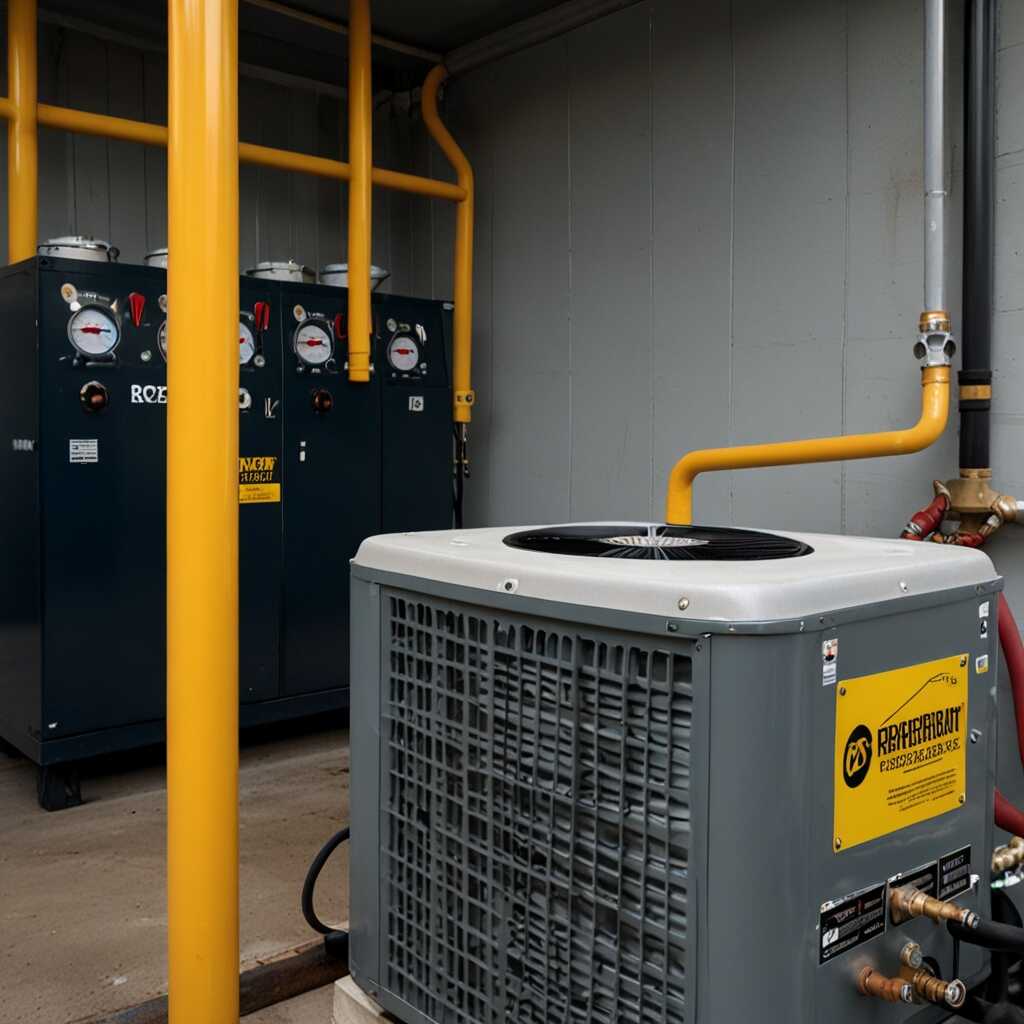
Non-condensable gas purge systems provide several key advantages for refrigerant recovery operations including improved extraction efficiency, enhanced refrigerant purity, and reduced recovery time. These systems automatically detect and remove air, nitrogen, and other non-condensable gases during the recovery process, ensuring cleaner refrigerant extraction. The purging mechanism works by monitoring system pressures and temperatures, then venting contaminating gases while retaining valuable refrigerant.
Professional-grade recovery machines with purge capabilities typically feature automatic operation modes that minimize technician intervention while maximizing recovery effectiveness. These systems help maintain EPA compliance by ensuring thorough refrigerant extraction and reducing environmental releases. Recovery units with purge features also extend equipment lifespan by reducing contamination-related wear on compressors and valves.
Enhanced Recovery Process Efficiency Through Gas Purging
Gas purging enhances recovery efficiency by maintaining optimal pressure conditions throughout the extraction process. When non-condensable gases are continuously removed, recovery machines can maintain consistent vacuum levels, improving refrigerant flow rates and reducing extraction time. This automated process allows technicians to focus on other aspects of system servicing while ensuring thorough refrigerant recovery.
The purging process also improves the quality of recovered refrigerant by removing moisture and air that can cause acid formation and system corrosion. Clean recovered refrigerant is more valuable for reuse and helps HVAC systems operate more efficiently when recharged. Professional recovery equipment comparison shows that machines with effective purge systems consistently achieve better recovery rates and refrigerant purity levels.
Key Performance Improvements from Gas Purging Technology
- Recovery machines with purge systems typically achieve more complete refrigerant extraction
- These systems can handle multiple refrigerant types without cross-contamination concerns
- Purge-equipped machines generally reduce recovery time compared to standard models
- They can operate effectively across various temperature ranges encountered in HVAC systems
- Users typically experience fewer equipment maintenance issues due to reduced contamination
- Systems with purging help ensure compliance with environmental regulations
- Advanced purge systems contribute to improved refrigerant quality for reuse applications
Essential Operating Techniques for Purge-Equipped Recovery Machines
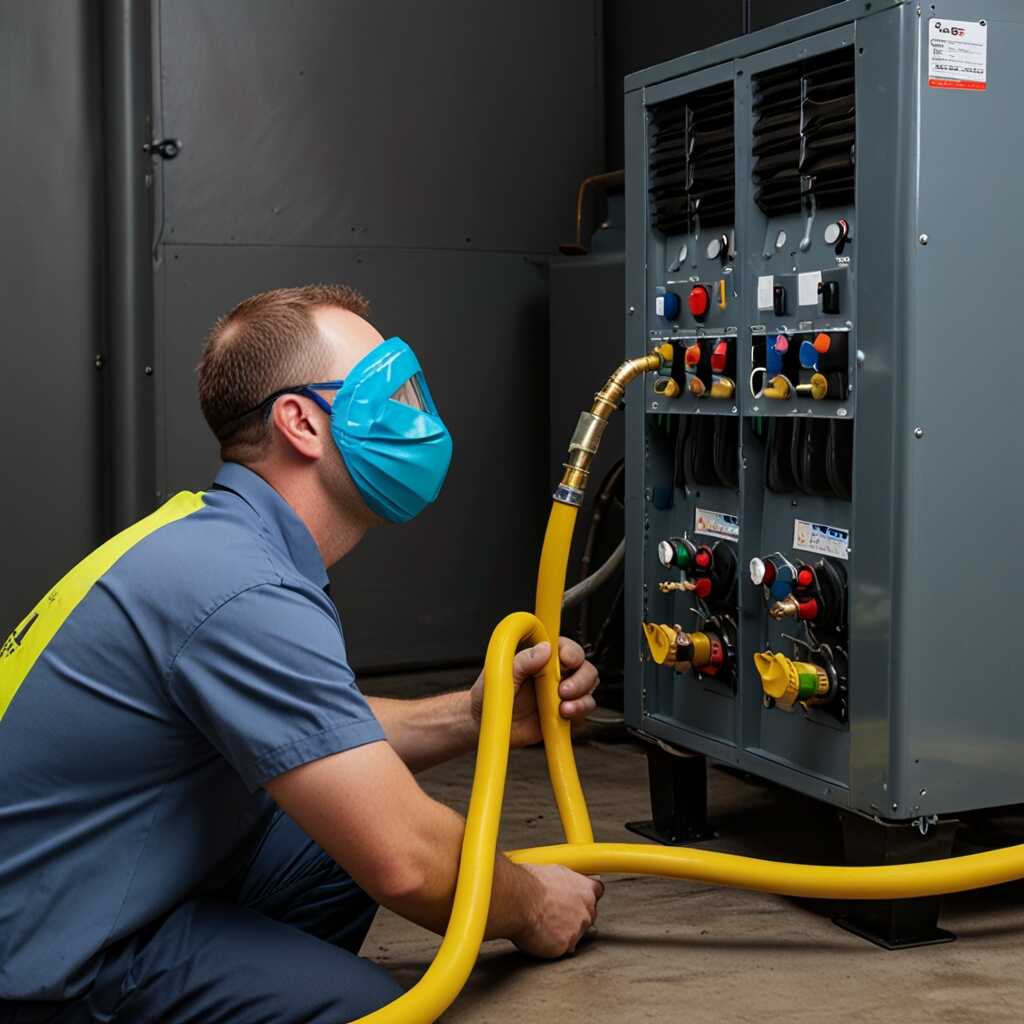
Operating refrigerant recovery machines with purge capabilities requires understanding proper setup procedures and monitoring techniques. Begin by verifying all connections are secure and leak-free before starting recovery operations. Set the purge function according to the refrigerant type and system conditions, typically activating automatic modes for consistent operation. Monitor pressure gauges throughout the process to ensure proper purge timing and recovery completion.
Proper maintenance of purge systems includes regular inspection of purge valves, pressure sensors, and control circuits. Clean or replace filters regularly to maintain optimal performance and prevent contamination buildup. Following manufacturer guidelines for purge system calibration ensures accurate operation and extends equipment lifespan. Regular training on purge system operation helps technicians maximize the benefits of this technology while maintaining safety standards.
Understanding Purge System Operation and Controls
Purge system controls typically include automatic and manual operation modes, allowing technicians to customize operation based on specific recovery requirements. Automatic modes use pre-programmed parameters to detect and remove non-condensable gases without constant monitoring. Manual controls provide experienced technicians with precise control over purge timing and duration for challenging recovery situations.
Understanding pressure differentials and temperature relationships helps technicians optimize purge system performance. Most systems include diagnostic features that indicate purge system status and alert operators to potential issues. Regular calibration of sensors and controls ensures accurate purge operation and maintains recovery efficiency over time.

Environmental Benefits of Improved Refrigerant Recovery Practices
Enhanced refrigerant recovery practices significantly reduce greenhouse gas emissions by preventing refrigerant releases to the atmosphere. Effective recovery ensures that valuable refrigerants are captured for reuse rather than vented, supporting environmental protection goals. Modern recovery techniques, including non-condensable gas purging, help achieve more complete refrigerant extraction, minimizing waste and environmental impact.
Improved recovery practices support regulatory compliance by ensuring thorough refrigerant extraction and proper handling procedures. Advanced recovery equipment helps HVAC professionals meet EPA requirements while maintaining operational efficiency. These practices also support industry sustainability goals by maximizing refrigerant reuse and reducing the need for new refrigerant production.
Regulatory Compliance Through Advanced Recovery Techniques
Advanced recovery techniques help HVAC professionals maintain compliance with environmental regulations by ensuring complete refrigerant extraction and proper documentation. Recovery machines with purge capabilities provide better extraction rates, supporting EPA requirements for minimal refrigerant releases. Proper equipment operation and maintenance records demonstrate compliance commitment and support environmental auditing requirements.
Training programs focused on advanced recovery techniques help technicians understand regulatory requirements and best practices. Investment in quality recovery equipment with purge capabilities supports long-term compliance while improving operational efficiency. Regular equipment certification and technician training ensure continued compliance as regulations evolve.
Environmental Advantages of Advanced Recovery Systems
- Advanced systems help achieve better refrigerant extraction rates, supporting environmental goals
- Non-condensable gas purge machines reduce refrigerant waste through improved recovery efficiency
- These systems help extend HVAC system lifespan by reducing contamination-related damage
- Technicians benefit from improved recovery speed and operational efficiency
- Enhanced safety features reduce risks associated with refrigerant handling
- Portable designs make advanced recovery accessible across various job sites
- Quality recovery equipment supports long-term regulatory compliance requirements
Current Refrigerant Recovery Regulations and Compliance Requirements
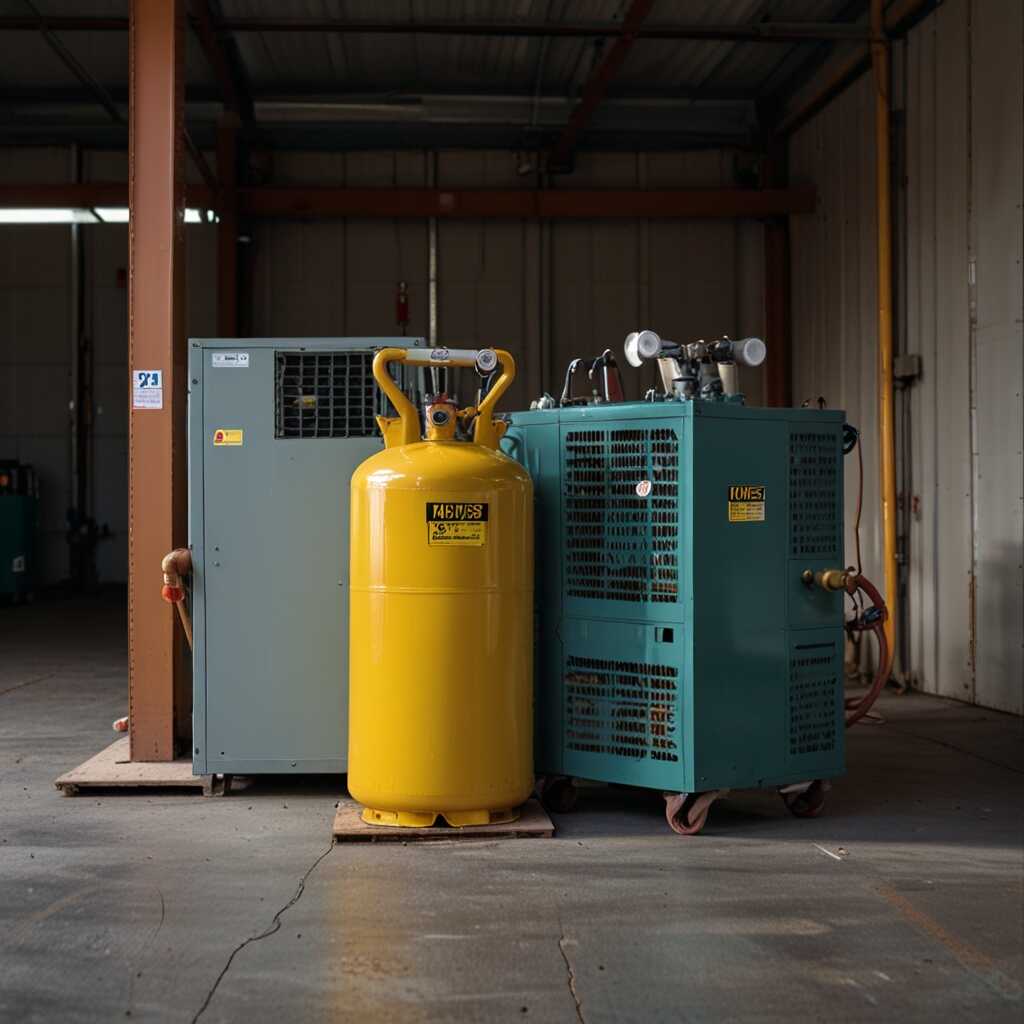
HVAC technicians must comply with EPA Section 608 regulations, which mandate proper refrigerant recovery during system servicing and disposal. These regulations require certified technicians to use approved recovery equipment and follow specific procedures to minimize refrigerant releases. The Clean Air Act provides the legal framework for these requirements, emphasizing environmental protection through responsible refrigerant management.
Compliance requirements include maintaining proper equipment certification, documenting recovery activities, and ensuring technician certification remains current. State and local regulations may impose additional requirements beyond federal standards, making it important for HVAC professionals to understand all applicable rules. Proper compliance helps avoid penalties while supporting environmental protection goals.
Key Regulatory Agencies and Their Requirements
The Environmental Protection Agency (EPA) establishes national refrigerant recovery standards through Section 608 regulations, which apply to all HVAC technicians working with refrigerant-containing equipment. State environmental agencies may impose additional requirements specific to local conditions and priorities. Industry organizations like AHRI provide equipment standards and certification programs that support regulatory compliance.
Understanding these regulatory requirements helps HVAC professionals select appropriate equipment and establish proper procedures. Regular updates to regulations require ongoing attention to ensure continued compliance. Professional associations and training organizations provide resources to help technicians stay current with evolving requirements and best practices.
Equipment Selection Guide for Recovery Machines with Purge Systems
Selecting refrigerant recovery equipment with purge capabilities requires evaluating several key factors including refrigerant compatibility, recovery capacity, and operational features. Look for machines that handle the refrigerant types commonly encountered in your service area, with appropriate pressure ratings and flow capacities. Consider portability requirements, power source options, and maintenance accessibility when comparing different models.
Quality manufacturers typically offer comprehensive warranties and technical support, which are important considerations for professional equipment. Research equipment reviews and performance comparisons to understand real-world operation and reliability. Training and support resources from manufacturers can significantly impact successful equipment implementation and long-term satisfaction.
Identifying Essential Features for Effective Recovery Operations
Essential features for effective recovery include reliable purge system operation, accurate pressure monitoring, and robust construction suitable for professional use. Look for equipment with clear operational displays, intuitive controls, and comprehensive safety features. Built-in diagnostics and maintenance alerts help ensure consistent performance and reduce unexpected downtime.
Consider total cost of ownership including initial purchase price, maintenance requirements, and operational costs. Equipment with higher initial costs may provide better long-term value through improved reliability and lower maintenance needs. Evaluate available accessories and upgrade options to ensure equipment can adapt to changing service requirements.
User Categories and Equipment Preferences in Recovery Applications
- HVAC service technicians typically prefer portable units that handle multiple refrigerant types
- Large commercial contractors often choose high-capacity machines with advanced monitoring features
- Small business owners frequently select cost-effective models with reliable basic functionality
- Industrial maintenance teams may prioritize robust construction and extended service intervals
- Refrigeration specialists often need equipment capable of handling specialty refrigerants
- Equipment distributors focus on models with strong manufacturer support and training resources
- Environmental compliance officers seek equipment that ensures thorough regulatory compliance
Current Technology Trends in Refrigerant Recovery Innovation
Recent developments in refrigerant recovery technology focus on improving automation, enhancing user interfaces, and expanding refrigerant compatibility. Modern recovery machines increasingly feature intelligent controls that automatically adjust operation based on system conditions and refrigerant types. These advances help reduce operator training requirements while improving recovery consistency and efficiency.
Integration of digital monitoring and data logging capabilities allows technicians to track recovery performance and maintain detailed service records. Wireless connectivity and cloud-based data management are emerging features that support fleet management and regulatory reporting. These technological advances help HVAC professionals improve service quality while maintaining competitive advantages.
Innovative Features Enhancing Recovery System Performance
Current innovations include adaptive purge algorithms that optimize gas removal based on real-time system conditions. Advanced filtration systems provide better refrigerant cleaning and moisture removal during recovery operations. Improved compressor designs offer better efficiency and longer service life under demanding conditions.
User interface improvements include touchscreen controls, multilingual displays, and simplified setup procedures that reduce training requirements. Enhanced diagnostic capabilities help technicians quickly identify and resolve operational issues. Energy-efficient designs reduce operating costs while maintaining high performance standards for professional applications.