Multi-refrigerant recovery machines are specialized HVAC tools that capture different refrigerant types using one device. These machines typically handle R-410A, R-134A, R-22, and other common refrigerants, eliminating the need for multiple single-refrigerant units. Small HVAC businesses often save thousands annually through reduced equipment purchases and faster service times.
What Are Multi-Refrigerant Recovery Machines and Their Core Benefits
Multi-refrigerant recovery machines are versatile HVAC service tools designed to safely extract various refrigerant types from cooling systems during maintenance or decommissioning. Unlike traditional single-refrigerant units, these machines feature advanced compressors and specialized valves that adapt to different refrigerant pressures and properties. The technology works by creating a vacuum that pulls refrigerant from the system into a storage cylinder, where it can be recycled or properly disposed of according to EPA regulations.
The primary benefits include significant equipment cost reduction since technicians need only one machine instead of several specialized units. Service efficiency improves because technicians can handle multiple refrigerant types without switching equipment or returning to the shop. These machines also enhance regulatory compliance by providing accurate recovery rates and documentation features that help meet EPA safety requirements and reporting standards. Most units recover refrigerants at rates between 0.5 to 1.5 pounds per minute, depending on the specific model and refrigerant type.
How Multi-Refrigerant Recovery Technology Works
Multi-refrigerant recovery machines operate through a combination of powerful compressors, adaptive pressure sensors, and intelligent control systems. The process begins when the technician connects the machine to the HVAC system using specialized hoses rated for high pressure. The machine’s sensors automatically detect the refrigerant type in many models, though manual selection remains an option. During recovery, the compressor creates negative pressure that draws refrigerant from the system through a series of filters that remove contaminants.
The recovered refrigerant passes through an oil separator that removes compressor lubricants before entering the storage cylinder. Modern machines include features like automatic shut-off when recovery is complete, preventing over-pressurization. Some models also incorporate refrigerant identifiers that alert technicians to contaminated or mixed refrigerants, which require special handling. This technology enables HVAC professionals to work more efficiently while ensuring environmental compliance and customer safety.
Cost Analysis: Multi-Refrigerant Systems Versus Traditional Recovery Methods
Initial investment in multi-refrigerant recovery machines ranges from $2,000 to $5,000 for professional-grade units, compared to $800 to $1,500 for basic single-refrigerant models. However, the financial advantages become clear when considering that many HVAC companies need multiple single-refrigerant units to service different systems. A business servicing R-410A, R-22, and R-134A systems would need three separate traditional units, potentially costing $3,000 to $4,500 total, plus storage and transportation considerations.
Operating costs favor multi-refrigerant machines through reduced maintenance needs and improved efficiency. These units typically require annual servicing costing $200 to $400, while maintaining multiple single-refrigerant units can exceed $600 annually. Labor savings are substantial – technicians complete jobs faster without equipment changes, potentially handling one to two additional service calls daily. Vehicle space optimization also reduces fuel costs and enables technicians to carry more tools and parts.
Long-Term Financial Benefits and Return on Investment
The return on investment for multi-refrigerant recovery machines typically occurs within 12 to 18 months for busy HVAC companies. Cost savings accumulate through multiple channels: reduced equipment purchases, lower maintenance expenses, decreased vehicle wear from carrying less equipment, and increased daily job capacity. Companies servicing diverse commercial properties see the fastest returns, as these locations often have multiple HVAC systems using different refrigerants.
Additional financial benefits include reduced refrigerant cross-contamination risks, which can result in expensive disposal fees ranging from $50 to $200 per contaminated cylinder. Multi-refrigerant machines with built-in identifiers help prevent these costly mistakes. The ability to handle various refrigerants also positions businesses for future market changes as new refrigerants enter the market, protecting against equipment obsolescence.
Energy Efficiency and Environmental Compliance Benefits
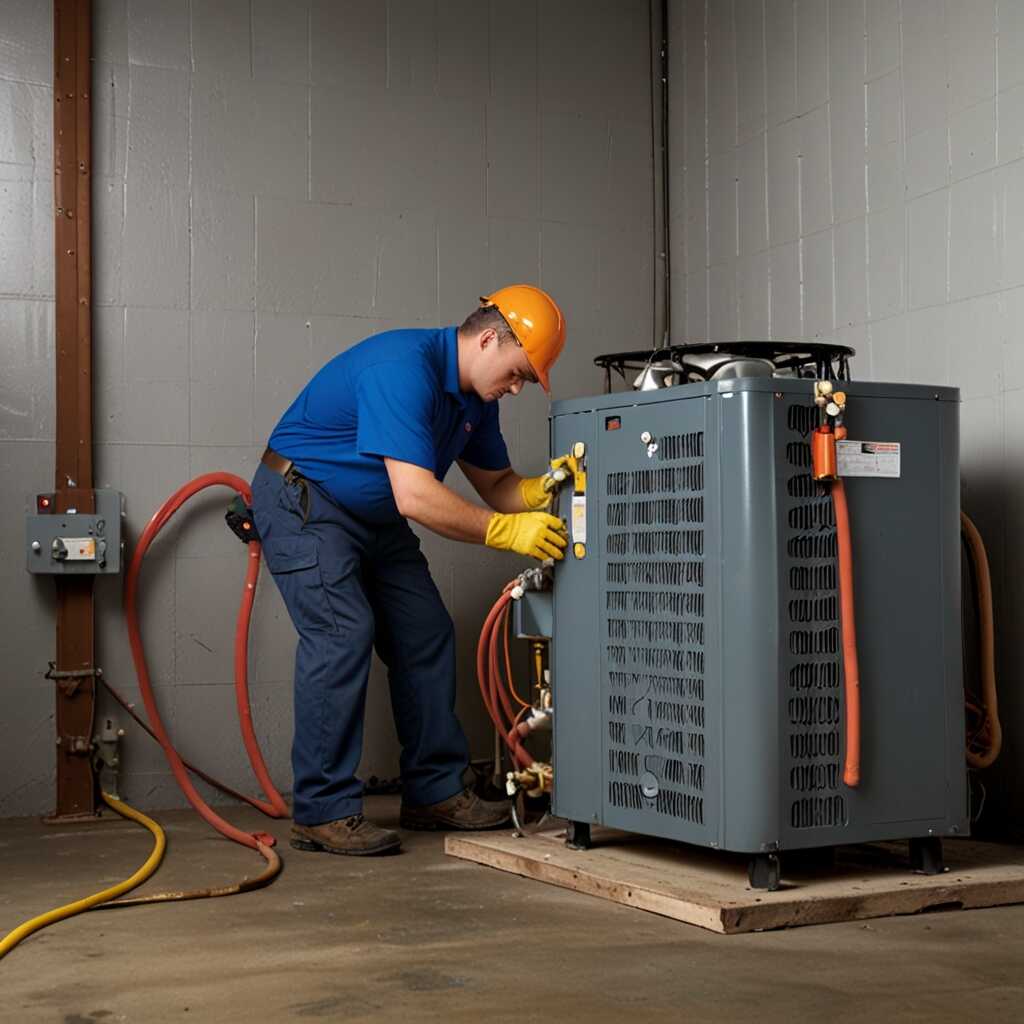
Multi-refrigerant recovery machines enhance energy efficiency through optimized recovery processes that minimize refrigerant loss and reduce recovery time. Modern units feature variable-speed compressors that adjust power consumption based on refrigerant type and system pressure, typically using less energy than running multiple single-refrigerant units. The consolidation of recovery equipment also reduces overall power consumption in HVAC service vehicles, as technicians need fewer machines drawing power from inverters or generators.
EPA Section 608 regulations require HVAC technicians to recover refrigerants to specific levels before opening systems for service. Multi-refrigerant machines simplify compliance by automatically adjusting recovery targets based on refrigerant type and system configuration. These machines typically achieve recovery rates exceeding EPA requirements, often reaching less than 10 inches of mercury vacuum for most refrigerants. Built-in data logging features help document compliance for regulatory inspections.
Meeting Current and Future Environmental Standards
Environmental regulations continue evolving as governments phase out high-GWP (Global Warming Potential) refrigerants. Multi-refrigerant recovery machines provide flexibility to handle both current refrigerants and newer, environmentally-friendly alternatives. This adaptability protects HVAC businesses from regulatory changes that might otherwise require new equipment purchases. Current models can typically handle traditional refrigerants like R-22 alongside newer options like R-32 and R-454B.
The machines also support environmental goals through improved refrigerant recovery rates, reducing atmospheric releases. Refrigerant Recovery Pro offers expert guidance on selecting machines that meet both current regulations and anticipated future requirements. Proper refrigerant recovery prevents ozone depletion and reduces greenhouse gas emissions, helping HVAC companies demonstrate environmental responsibility to increasingly eco-conscious customers.
Key Performance Metrics for Recovery Efficiency
- Recovery speeds typically range from 0.5 to 1.5 pounds per minute depending on refrigerant type
- Most professional units achieve vacuum levels below 10 inches of mercury
- Recovery efficiency often exceeds EPA requirements by substantial margins
- Single-cylinder recovery eliminates the need for refrigerant transfer between cylinders
- Automatic features reduce human error and improve consistency
- Oil-less compressor designs in some models eliminate contamination risks
- Digital displays provide real-time monitoring of pressure, temperature, and recovery progress
Training Requirements for Multi-Refrigerant Recovery Machine Operation
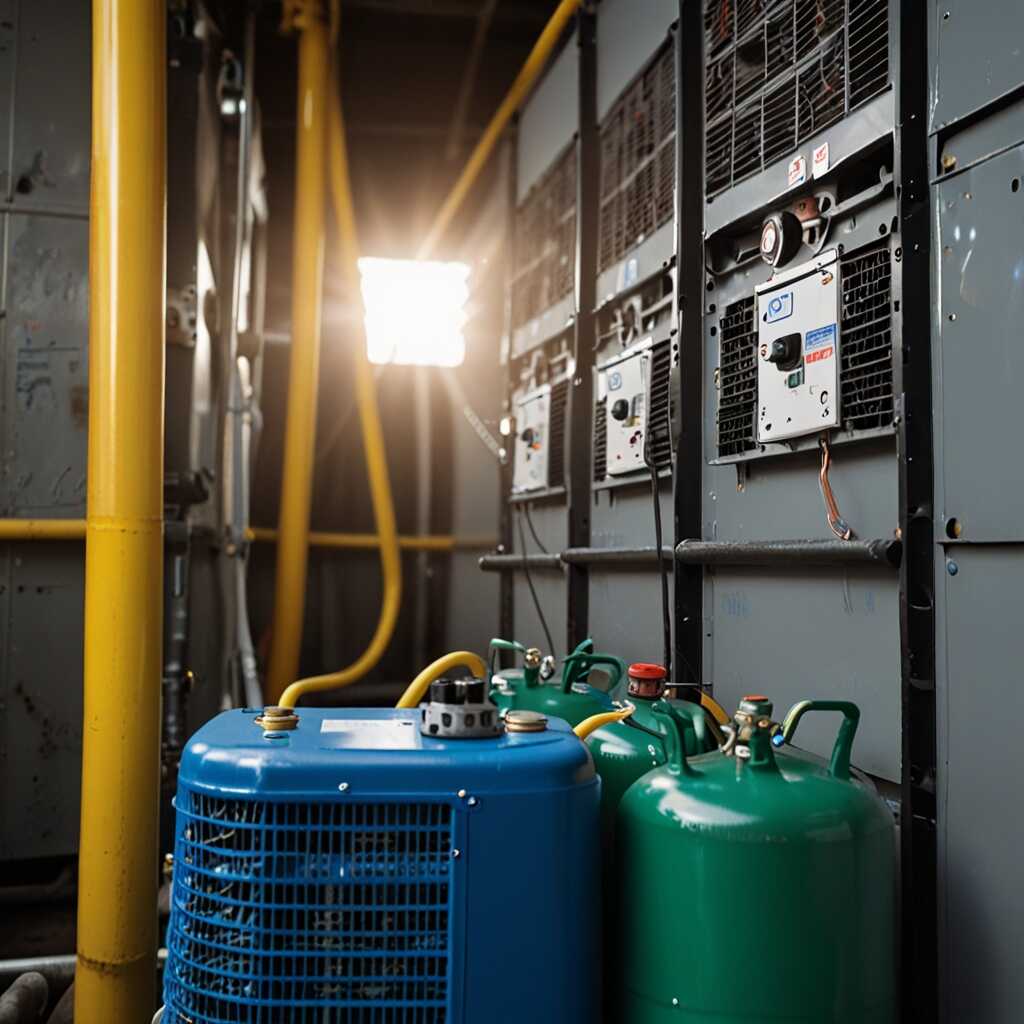
Effective training on multi-refrigerant recovery machines requires both theoretical knowledge and hands-on practice with different refrigerant types. Training programs should cover refrigerant identification, proper hose connections, understanding pressure differences between refrigerants, and recognizing recovery completion indicators. Technicians must understand EPA regulations governing refrigerant recovery and the specific requirements for each refrigerant type they’ll encounter.
Most technicians achieve proficiency within two to three weeks of regular use, though basic operation can be learned in a few days. Key training topics include machine setup procedures, refrigerant identification techniques, contamination prevention, and troubleshooting common issues. Manufacturers often provide training materials, and many offer certification programs that enhance technician credentials while ensuring proper equipment use.
Implementing Effective Hands-On Training Programs
Hands-on training should simulate real-world scenarios technicians encounter in the field. Practice sessions should include recovering refrigerant from systems with varying charge levels, dealing with contaminated refrigerants, and working with both liquid and vapor recovery methods. Training should emphasize safety procedures, including proper personal protective equipment use and handling of high-pressure situations.
Successful training programs incorporate mentorship, where experienced technicians guide newcomers through actual service calls. This approach helps new users understand the nuances of different refrigerant behaviors and system configurations. Regular refresher training ensures technicians stay current with new refrigerant types and evolving best practices. Documentation of training completion helps companies demonstrate regulatory compliance and professional standards.
Improving Service Speed and Customer Satisfaction
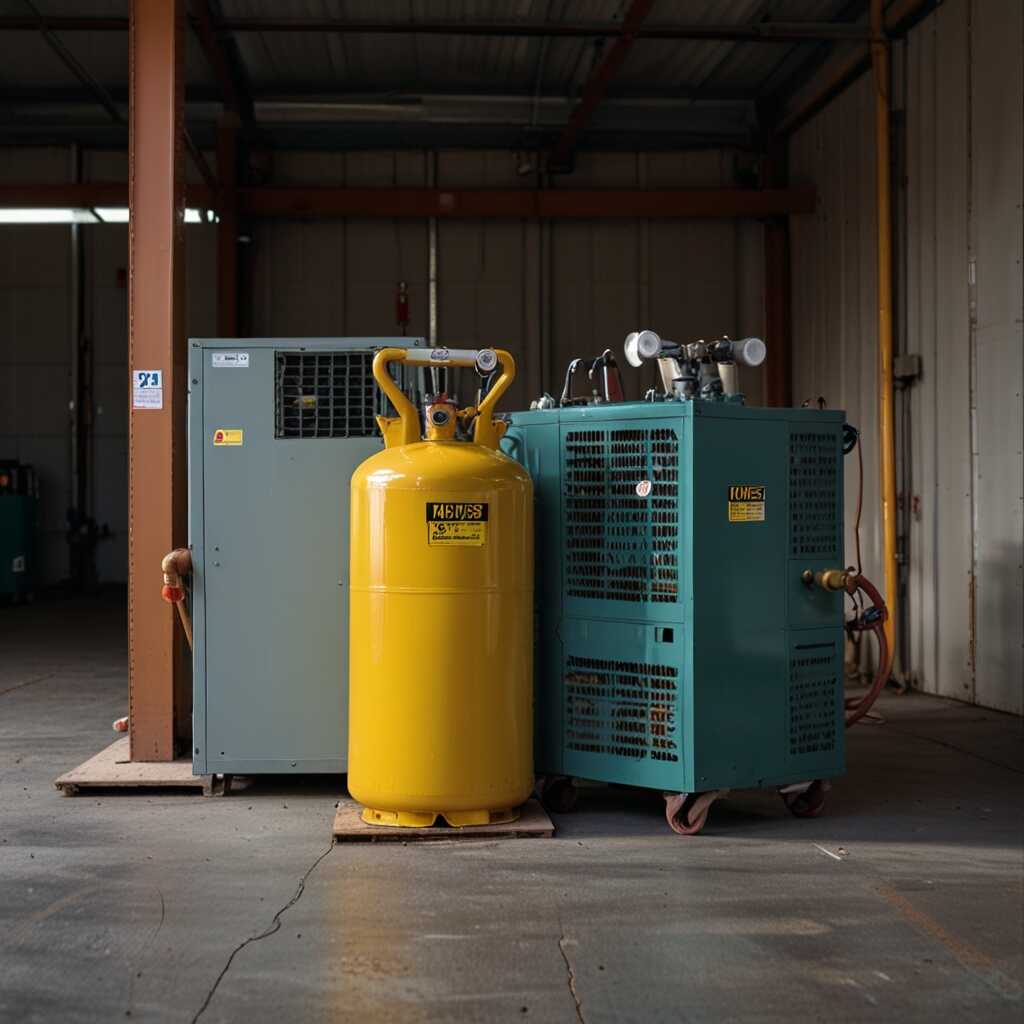
Multi-refrigerant recovery machines significantly reduce service time by eliminating equipment changes between different refrigerant types. A typical residential service call requiring refrigerant recovery can be completed in 30 to 45 minutes with a multi-refrigerant unit, compared to potentially over an hour if equipment changes are needed. This efficiency allows technicians to complete more daily service calls, improving revenue while reducing customer wait times.
Customer satisfaction improves when technicians arrive prepared for any refrigerant type, eliminating return trips for different equipment. The professional appearance of using advanced equipment also builds customer confidence. Faster service completion means less disruption for customers, particularly important in commercial settings where HVAC downtime affects business operations. Modern machines with direct liquid recovery capabilities further accelerate the process for large commercial systems.
Essential Features That Enhance Service Efficiency
Key features that improve service speed include automatic refrigerant detection, which eliminates guesswork and prevents cross-contamination. Quick-connect fittings reduce setup time, while self-purging capabilities eliminate the need for manual clearing between different refrigerants. Digital displays showing real-time recovery progress help technicians optimize their workflow and provide accurate time estimates to customers.
Additional efficiency features include high-flow-rate compressors that reduce recovery time, especially beneficial for large commercial systems. Compact designs improve portability, allowing easier transport to rooftop units or tight mechanical rooms. Some models include wireless monitoring capabilities, enabling technicians to perform other tasks while monitoring recovery progress remotely. These features combine to create a more efficient service experience.
Operational Advantages of Modern Recovery Equipment
- Automatic shut-off prevents over-recovery and equipment damage
- Multiple refrigerant compatibility eliminates equipment redundancy
- Compact designs improve portability and storage efficiency
- Digital controls provide precise recovery management
- Built-in filters reduce contamination risks and protect equipment
- Variable-speed operation optimizes recovery for different system sizes
- Integrated scales eliminate the need for separate weighing equipment
Understanding Refrigerant Recovery Compliance Requirements
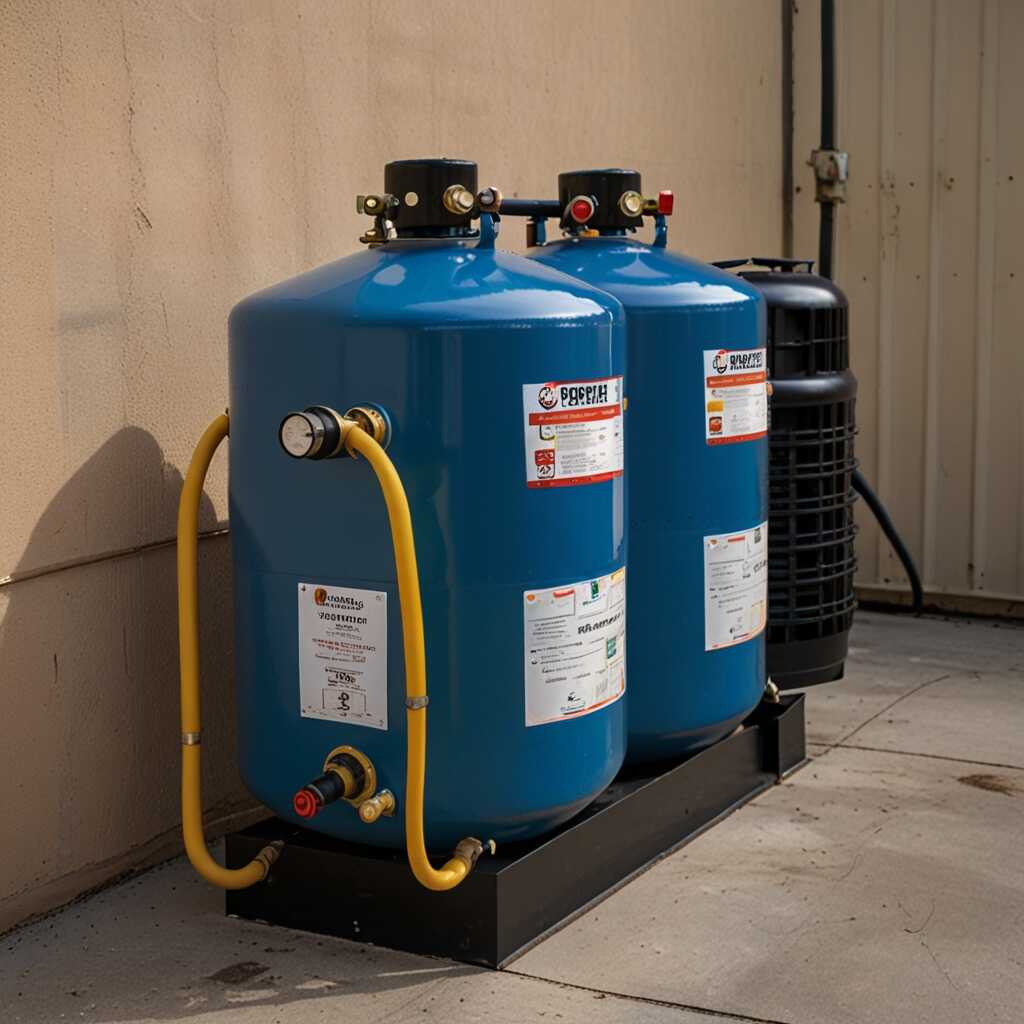
EPA Section 608 regulations mandate specific recovery levels for different refrigerant types and system categories. Multi-refrigerant recovery machines must meet these varying requirements automatically, adjusting their operation based on the refrigerant being recovered. For systems with less than 200 pounds of refrigerant, recovery must achieve specific vacuum levels, while larger systems have different requirements based on refrigerant type and system pressure.
Compliance extends beyond recovery levels to include proper documentation, certified equipment use, and technician certification. Multi-refrigerant machines often include features supporting compliance, such as automatic data logging, printed recovery reports, and tamper-proof operation records. These features help HVAC companies demonstrate compliance during inspections and protect against potential violations that can result in substantial fines.
Key Regulatory Considerations for HVAC Professionals
HVAC professionals must maintain current EPA Section 608 certification and understand regulations for each refrigerant type they handle. Multi-refrigerant recovery machines must carry EPA certification confirming they meet recovery efficiency standards. Regular equipment testing and maintenance ensure continued compliance, with many manufacturers recommending annual calibration and certification renewal.
State and local regulations may impose additional requirements beyond federal EPA standards. Some jurisdictions require specific record-keeping procedures or additional technician training. Multi-refrigerant machines with comprehensive data logging help meet these varied requirements through detailed operation records. Understanding and meeting all applicable regulations protects businesses from fines while demonstrating professional responsibility.
Common Implementation Scenarios and Use Cases
Small HVAC businesses often see immediate benefits when transitioning to multi-refrigerant recovery machines. A typical small company servicing residential and light commercial properties might handle three to five different refrigerant types weekly. Instead of maintaining separate recovery units for each refrigerant, one multi-refrigerant machine handles all needs, reducing equipment investment and vehicle space requirements.
Large commercial HVAC contractors benefit through improved job site efficiency. Commercial buildings often have multiple HVAC systems using different refrigerants – older R-22 systems alongside newer R-410A or R-134A units. Technicians equipped with rugged multi-refrigerant recovery machines can service all systems during one visit, reducing return trips and improving customer satisfaction. The ability to handle various refrigerants also positions companies for emergency service calls where refrigerant type might be unknown until arrival.
Benefits Across Different Business Sizes and Specializations
Residential HVAC specialists appreciate the compact size and versatility of multi-refrigerant machines when working in tight spaces like attics or crawl spaces. These machines, especially models with twin cooling fans, perform reliably in extreme temperatures often encountered in unconditioned spaces. The reduced equipment inventory also simplifies vehicle organization and reduces theft risks.
Industrial HVAC contractors working with large chillers and specialized equipment benefit from high-capacity multi-refrigerant machines that can handle substantial refrigerant volumes efficiently. These professionals often encounter unusual or older refrigerants, making versatility essential. Supermarket refrigeration specialists particularly value multi-refrigerant capability due to the variety of refrigerants used in different display cases and cold storage systems within single locations.
Industry-Specific Applications and Considerations
- Residential contractors benefit from portability and reduced equipment costs
- Commercial specialists value efficiency when servicing multiple rooftop units
- Industrial technicians require high-capacity models for large refrigerant volumes
- Supermarket specialists need versatility for varied refrigeration systems
- Emergency service providers benefit from universal refrigerant capability
- Facilities maintenance teams reduce equipment storage requirements
- HVAC schools use these machines to train students on multiple refrigerants
Selecting the Right Multi-Refrigerant Recovery Machine
When selecting a multi-refrigerant recovery machine, consider recovery speed, refrigerant compatibility, portability, and durability as primary factors. Recovery speed, measured in pounds per minute, should match your typical service needs – residential technicians might need 0.5 lb/min capacity, while commercial specialists often require 1.0 lb/min or higher. Ensure the machine handles all refrigerants you commonly encounter, including any newer alternatives entering your market.
Build quality significantly impacts long-term value. Look for machines with oil-less compressors that reduce maintenance needs and contamination risks. Robust construction withstands daily field use, while intuitive controls reduce training time and operational errors. Consider manufacturer support, including warranty coverage, parts availability, and technical assistance. Price ranges from $2,000 to $5,000 reflect these various features and capabilities.
Critical Features and Specifications to Evaluate
Essential features include automatic shut-off to prevent equipment damage, clear digital displays for monitoring recovery progress, and self-purging capabilities for switching between refrigerants. High-efficiency compressors reduce recovery time and energy consumption. Look for models with built-in refrigerant identifiers that alert technicians to contaminated refrigerants requiring special handling. Integrated scales eliminate the need for separate weighing equipment.
Consider practical features like comfortable handles for easy transport, stable bases preventing tip-overs, and organized hose storage. Some models include wireless connectivity for remote monitoring or data transfer to service management software. Evaluate the total cost of ownership, including purchase price, expected maintenance costs, and potential efficiency gains. The right machine balances features, reliability, and cost to meet your specific business needs.
Understanding Limitations and Making Informed Decisions
While multi-refrigerant recovery machines offer numerous advantages, they have limitations that HVAC professionals should understand. These machines typically cost more initially than single-refrigerant units, which may challenge smaller businesses with limited capital. Some models may recover certain refrigerants slightly slower than dedicated single-refrigerant machines optimized for specific pressures. Additionally, the complexity of handling multiple refrigerants means these machines require more sophisticated maintenance procedures.
Cross-contamination risks exist if proper procedures aren’t followed between different refrigerant types. Technicians must be diligent about purging and cleaning when switching refrigerants. Some older or exotic refrigerants might not be compatible with standard multi-refrigerant machines, requiring specialized equipment. Despite these limitations, most HVAC businesses find the versatility and efficiency gains outweigh these considerations, particularly as they grow and diversify their service offerings.
Common Mistakes to Avoid When Implementing Multi-Refrigerant Recovery
A frequent mistake is inadequate technician training, leading to improper use that can damage equipment or contaminate refrigerants. Ensure all technicians receive comprehensive training before using multi-refrigerant machines independently. Another common error is neglecting regular maintenance, which can reduce recovery efficiency and lead to premature equipment failure. Follow manufacturer maintenance schedules religiously, including filter changes and compressor oil checks.
Some businesses fail to properly evaluate their actual needs, purchasing machines with capabilities far exceeding requirements or, conversely, underestimating capacity needs. Carefully analyze your service mix and growth projections before investing. Avoid the mistake of relying solely on automatic features without understanding manual override procedures – equipment failures or unusual situations may require manual operation knowledge for successful refrigerant recovery.